
Film
Manufactured Landscapes
- Slow-burning
Manufactured Landscapes follows photographer Edward Burtynsky as he documents the sublime grotesquerie of industrial sites—quarries, factories, recycling yards—transforming environmental devastation into staggering beauty. It's a visual essay on human ambition, consumption, and planetary cost. Hypnotic and unsettling in equal measure.
Should you watch it?
Watch it if you love looking at photographs for a long time and want to see how a single artist's eye turns industry into something close to abstract painting, with the environmental argument arriving quietly through the frame.
Skip it if you want a documentary that talks to you directly, with interviews, narration and a clear argument driving each scene, since this one mostly lets the images and their slow camera movements do the work.
What it asks of you: Ninety minutes of patient, wide-angle looking, with long held shots of quarries and factories and very little explanation, so you need to be willing to sit with images rather than wait for them to resolve.
Not sure? Find tonight's pick in a minute.
If you liked this
The Act of Killing2012
Joshua Oppenheimer's confrontation with historical atrocity through performance and landscape. Like Burtynsky, it finds strange terrible beauty in the aftermath of human violence, asking what we do with that collision.
But Grueling and digressive. Some find its formal experimentation gets in the way of moral clarity rather than advancing it.

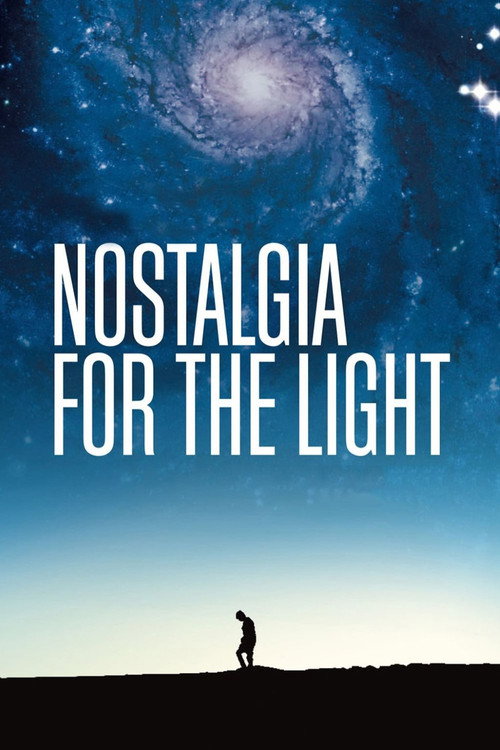
Nostalgia for the Light2010
Patricio Guzmán's meditation on Chilean copper mines and the Atacama Desert's power to hold memory. Joins Burtynsky in finding poetry in industrial scars and asking what landscapes remember.
But Extremely slow. The contemplative pace will feel indulgent if you're not already attuned to this register of filmmaking.
Downstream2013
A meditation on water, infrastructure, and industrial systems along a river. Environmental concerns like Burtynsky's, but through documentary's observational eye rather than photography's frozen instant.
But Quieter and less visually spectacular than Manufactured Landscapes. Some viewers find it lacks the arresting composition that makes Burtynsky's images so memorable.
Not sure tonight? Get a pick in a minute, starting from Manufactured Landscapes
The wildcard
Something you would not have found on your own.
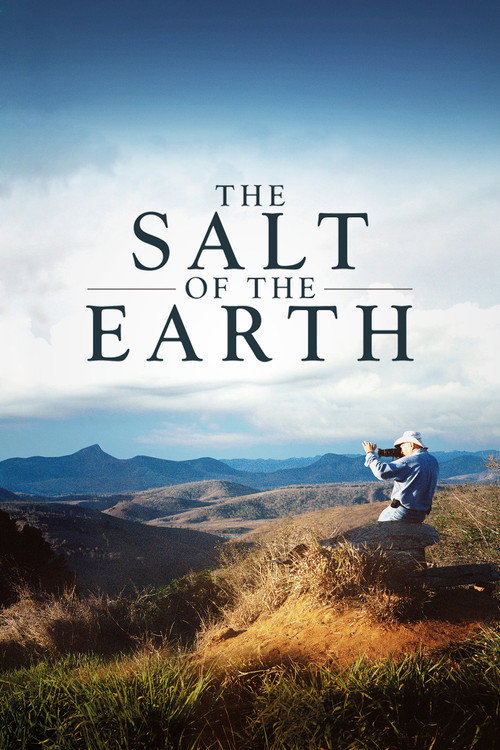
The Salt of the Earth2014
Both are about photographers who transfigure industrial and environmental destruction into large-scale visionary art; Salgado's approach is the human inverse of Burtynsky's monumental systems.
Wim Wenders' portrait of photographer Sebastião Salgado, who documents human suffering and environmental collapse in color and intimacy. Like Burtynsky, he transforms devastation into beauty—but he centers the human beings inside the landscape, not just the landscape itself.
But Three hours and philosophically gentle. If you want the confrontational edge of Burtynsky's work, Salgado's humanism may feel like it's looking away.
More like this (5)
Before the Flood2016
Leonardo DiCaprio explores climate change and environmental damage globally. More conventional documentary than Manufactured Landscapes, but covers the same human-made devastation with urgency and scale.
But Celebrity-fronted and sometimes didactic. Lacks the aesthetic restraint and visual complexity that make Burtynsky's approach so layered.
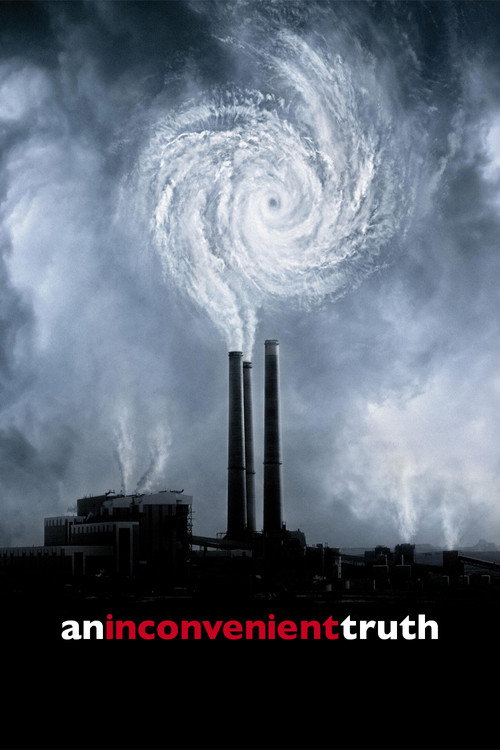
An Inconvenient Truth2006
Al Gore on climate crisis and planetary stakes. Contemporary with Burtynsky, equally concerned with what we've made and what it costs, though Gore foregrounds the argument rather than the image.
But Feels dated now. The rhetorical strategy is more important than the visual one, which may bore viewers coming from Burtynsky's purely aesthetic register.
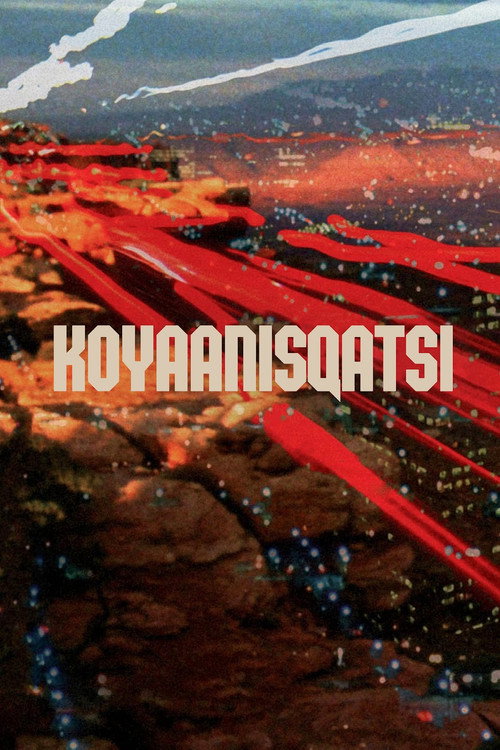
Koyaanisqatsi1983
Godfrey Reggio's wordless symphony of American industrial and natural systems in collision. No narration, pure image and sound—the closest cinema gets to Burtynsky's photographic philosophy applied temporally.
But Barely a narrative. Some find it glacially paced and pretentious, though others find it transcendent.
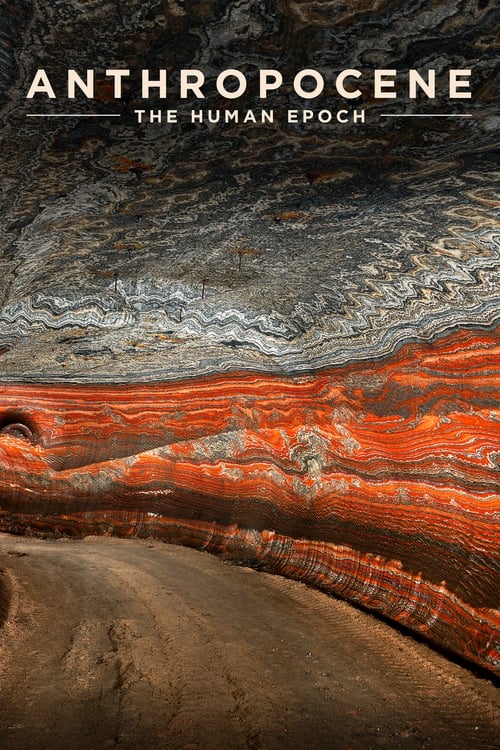
Anthropocene: The Human Epoch2018
Direct sequel in spirit and crew; moves Burtynsky's static photographic vision into cinema and time to ask whether beauty changes accountability.
Jennifer Baichwal and Nicolas de Pencier (who also co-directed Manufactured Landscapes) returned to follow Burtynsky directly, examining human impact on planetary geology. It is the spiritual sequel, expanding the camera's scope from his photographs into movement and time.
But More explicitly didactic about planetary stakes. Some viewers found it heavier-handed than the original's cool visual meditation.
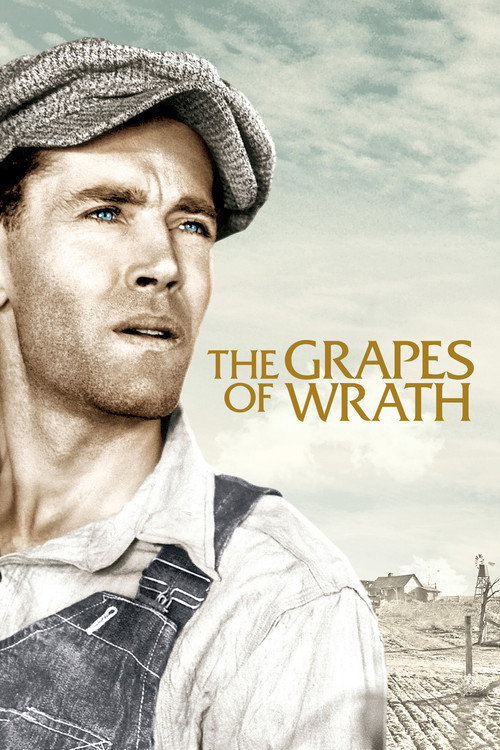
The Grapes of Wrath1940
Both are unsparing visual testimonies to industrial and environmental devastation as the defining fact of American life; one through photography, one through narrative cinema, but the moral weight identical.
Wyler's masterpiece of American industrial catastrophe—the Dust Bowl not through documentary but through narrative tragedy. A completely different form, but shares Burtynsky's unflinching look at the human cost of resource extraction and industrial failure on a national scale.
But Black and white, 1940s cinema grammar. If you want contemporary visual spectacle, this is austere and slow by any standard.
People
Cast
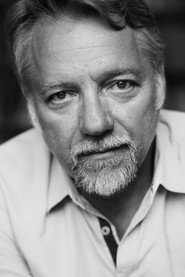 Edward BurtynskySelf
Directing
- Jennifer BaichwalDirector
Production
- Jeff PowisAssociate Producer
- Lucas LacknerAssociate Producer
- Shana CollierAssociate Producer
- Noah WeinzweigLine Producer
- Paul ScherzerLine Producer
- Chanda ChevannesPost Production Coordinator
- Daniel IronProducer
- Jennifer BaichwalProducer
- Nicholas de PencierProducer
- Peter StarrProducer
- Stephen PanicciaProduction Accountant
- Sarah ChristieProduction Coordinator
- Marcus SchubertProduction Manager
- Noura KevorkianProduction Manager
Recommended by
Koyaanisqatsi, Life in a Day, Powaqqatsi, Our Daily Bread, American Factory, Anthropocene: The Human Epoch, Naqoyqatsi, Chasing Ice, Detropia, Watermark, The Dark Side of Chocolate, Machines, Rivers and Tides, Coffee for All, The Minimalists: Less Is Now, The Hottest August, Complicit, The Gig Is Up, A Film About Coffee, Made in China, Schooling the World: The White Man's Last Burden, The Burning Field, Urbanized, In Pursuit of Silence, Made in India, Public Trust, Tapped, Into Eternity: A Film for the Future, Schmatta: Rags to Riches to Rags, Cathedrals of Culture, Taste the Waste, A Place to Stand