
Film
Schmatta: Rags to Riches to Rags
A love letter to New York's vanished Garment District, where immigrants built an industry and a dream. Schmatta weaves archival footage, interviews, and genuine affection into a portrait of ambition, craft, and loss—how an entire world of skill and hope evaporated when manufacturing moved overseas. Essential if you've ever walked past a closed factory and wondered what was lost.
If you liked this
The True Cost2015
Follows the thread Schmatta pulls: where garment work went, who's doing it now, and at what human cost. Shocking, necessary, and made by someone who cares deeply about dignity.
But Bleak without offering solutions. If you prefer documentaries that end with hope or action plans, this one sits in the grief.

Made in L.A.2007
Follows Latina garment workers fighting for better conditions in Los Angeles. Raw, intimate, about the same industry but from the workers' perspective—anger and resilience.
But Handheld and unglamorous in its filmmaking. Some viewers find the aesthetic distancing and may wish for more narrative arc.
Workplace2016
A documentary poet's eye on labour, craft, and what we've lost in manufacturing. Gorgeous, meditative, about the dignity hidden in repetitive work.
But Glacially paced and abstract. If you want talking heads and clear narrative, this one trusts images over explanation.
Not sure tonight? Get a pick in a minute, starting from Schmatta: Rags to Riches to Rags
The wildcard
Something you would not have found on your own.
Grey Gardens1976
Both are elegies for a lost New York, told by filmmakers who film what's disappearing rather than what's already gone. That rescue impulse, that ache—it's identical.
Albert and David Maysles' portrait of two women in a decaying East Hampton mansion, filmed in 1973. It's about America's indifference to its own history—watching people become monuments to a vanished world. The mood mirrors Schmatta exactly.
But Meandering, voyeuristic, sometimes uncomfortable. If you need a clear narrative, this is pure observation of decline.

More like this (7)
The Decline of Western Civilization1981
Penelope Spheeris documents a subculture being born and destroyed in real time. Different subject (punk LA), same unflinching look at how communities vanish.
But Chaotic, sometimes hard to follow, and the punk music is not for everyone. Feels like watching someone's raw footage from 1980.
Harlan County U.S.A.1976
Barbara Kopple's masterpiece about coal miners fighting for dignity. Working people, American grit, the same fight for fair wages and respect that threads through Schmatta.
But Confrontational and sometimes frightening. It doesn't soften labour strife for comfort.
The King of Kong: A Fistful of Quarters2007
Another New York obsession—a man trying to reclaim his place in a community that's moved on. The stakes are tiny but the heartbreak is real.
But Leans into drama and personality cult. Some viewers find it manipulative about who to root for.
American Factory2019
Shows what happens when manufacturing does return to the American Midwest—and why it's not salvation. The modern answer to Schmatta's question about where those jobs went.
But Focuses on corporate power imbalance more than worker voice. Can feel like watching a losing battle unfold.

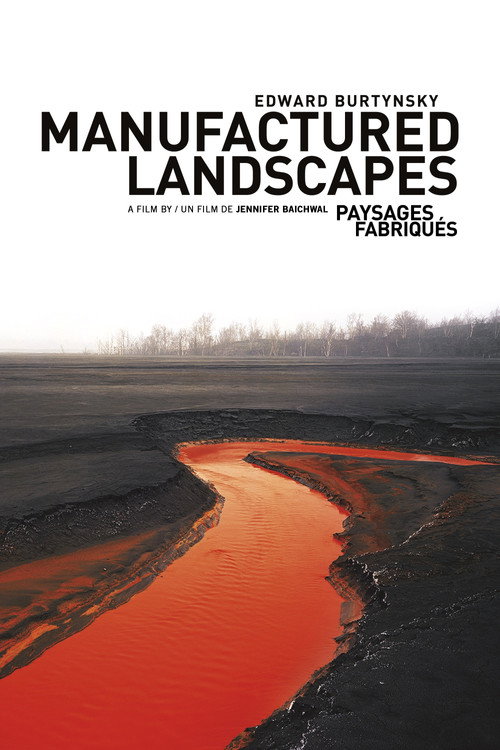
Manufactured Landscapes2006
Jennifer Baichwal photographs the aftermath of garment and electronics manufacturing globally. Stunning, haunting, shows the environmental cost of the industry's flight.
But Wordless or near-wordless. Some find it frustratingly oblique; others find that obliqueness is the point.
Sunset Boulevard1950
Both are about what happens to craftspeople and dreamers when an industry stops needing them. The industry leaves but the people stay, and that gap is where the story lives.
Billy Wilder's acid masterpiece about a woman clinging to vanished fame in a mansion full of props and memory. It's Schmatta's tragedy in noir: people become ghosts in their own industry.
But A scripted drama, not a documentary. If you want real garment workers, this is Hollywood's version of obsolescence—which is different.

The Saragossa Manuscript1966
Both rescue meaning from fragments. Schmatta stitches together interviews and archive; this film stitches together centuries of Polish Catholic mysticism. They share a belief that scattered pieces still hold a world.
Andrzej Żuławski's Polish labyrinth about stories within stories, tradition meeting entropy. Gorgeous, strange, about cultures persisting through fragmentation—the way Schmatta's history survives through memory and fragments.
But Surreal, baroque, long (three hours), and in a language most viewers don't speak natively. You have to surrender to its logic rather than follow it.

People
Directing
- Marc LevinDirector
Production
- Sheila NevinsExecutive Producer
- Daphne PinkersonProducer
- Marc LevinProducer