
Film
Made in L.A.
Made in L.A. follows three Latina garment workers organizing against a major clothing retailer over three years. Shot in intimate verité style, it's a portrait of ordinary people discovering their power through collective action. You'll watch them transform from isolated workers into advocates, their personal lives inseparable from their fight for dignity. Essential viewing about immigration, labor, and voice.
If you liked this
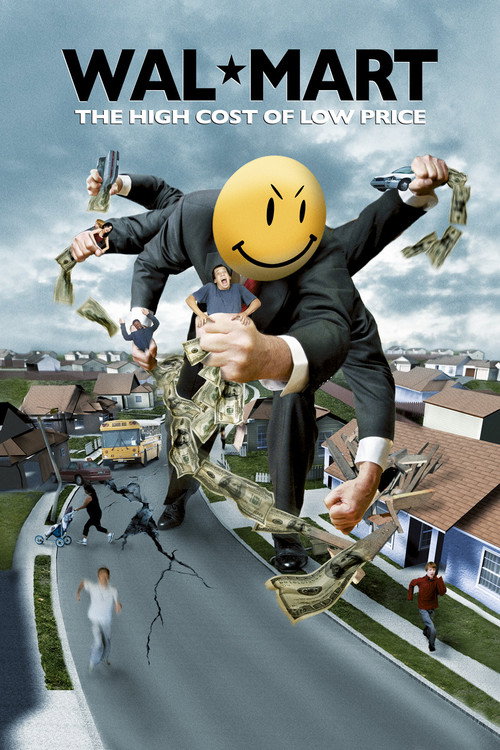
Wal-Mart: The High Cost of Low Price2005
Robert Greenwald exposes labor exploitation in America's largest retailer. Same era and energy as Made in L.A., same righteous anger about corporations cutting corners on worker welfare, same clear moral framework.
But More polemical than Made in L.A.—it argues its case rather than letting you discover it through intimate portraits. Some find it heavy-handed.
The True Cost2015
Traces fashion's human cost from Bangladesh garment factories to Western closets. Broader geographical scope than Made in L.A., but same focus on the invisible women making our clothes and the systems that exploit them.
But Covers so much ground it sometimes feels like a slideshow. Less intimate than Made in L.A.'s focused, character-driven approach.

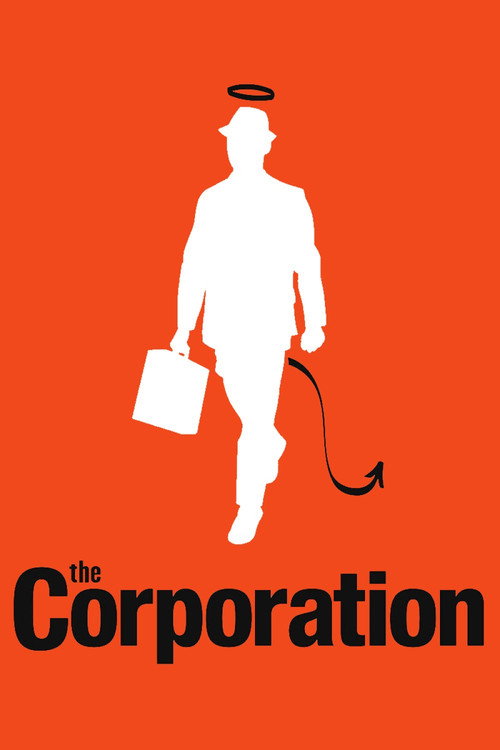
The Corporation2003
Systemic examination of how corporations are structured to prioritize profit over ethics. Gives you the macro context for what Made in L.A. shows at the micro level—why workers have to fight so hard.
But Nearly 145 minutes and sometimes feels didactic. Made in L.A.'s storytelling is more visceral.
Not sure tonight? Get a pick in a minute, starting from Made in L.A.
The wildcard
Something you would not have found on your own.
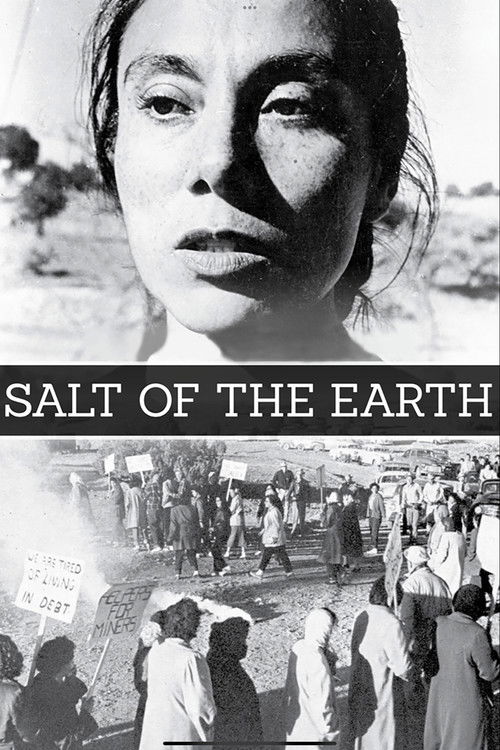
Salt of the Earth1954
Both follow the arc of ordinary working people (especially women) finding their voice through sustained collective action. Made in L.A. is the 21st-century continuation of Salt of the Earth's insistence that labor stories are about human dignity, not economics.
Herbert Biberman's blacklisted classic about a 1951 miners' strike led by their wives when the men are barred from picket lines. Astonishing in its radicalism and its humanity—women discover political power through collective action, shot with a grace that belies its era.
But 1950s filmmaking language feels distant. Some dialogue is stiff. The film was made under extraordinary repression and it shows in subtle ways that might feel dated.
More like this (3)
Weed the People2018
Verité documentary following parents fighting medical cannabis policy for sick children. Shares Made in L.A.'s intimate portrayal of ordinary people transformed by fighting systems that ignore them.
But Completely different subject matter. If you specifically want more labor/exploitation stories, the thematic distance might disappoint.

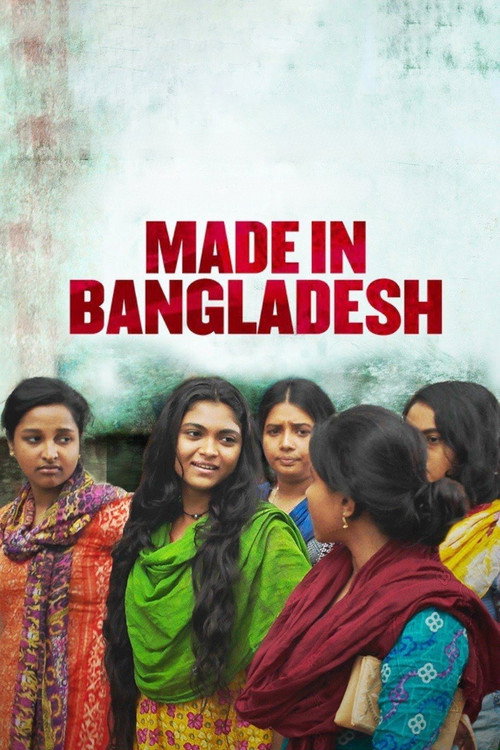
Made in Bangladesh2019
The garment workers in Made in L.A. are part of the same global system whose worst consequences are visible in Bangladesh. Together they show the same supply chain from factory floor to living rooms, and why organizing matters everywhere.
Animated documentary about the 2013 Rana Plaza factory collapse that killed over 1,100 garment workers. Harrowing and essential, it traces accountability and shows the global supply chain's deadliest moment. Animation lets it be unflinching without exploitation.
But Animated medium might feel distancing when subject is real atrocity. Harder to watch than Made in L.A. because it ends in mass death, not negotiated victory.
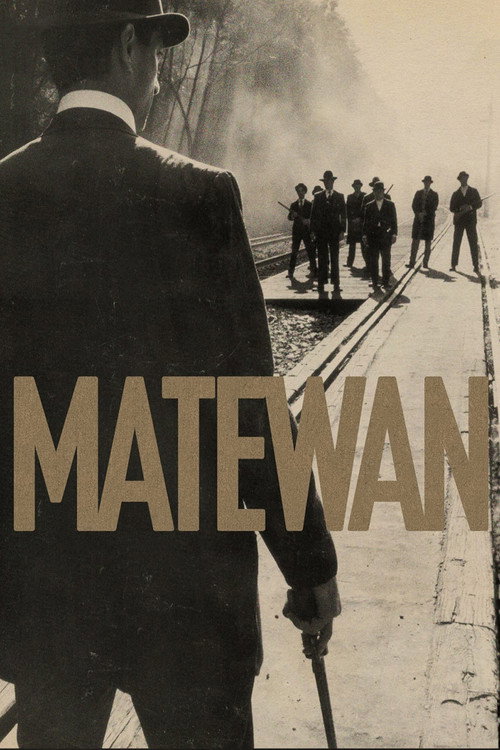
Matewan1987
Made in L.A. shows labor organizing in real time; Matewan imagines it with a dramatist's depth. Together they answer the question 'what is it actually like to be transformed by collective struggle?' One in real time, one as felt memory.
John Sayles' historical drama about a 1920 coal miners' strike. Fictionalized but truthful, it captures the chaos and moral clarity of workers discovering solidarity—the emotional and strategic texture of labor struggle that documentary can only approximate.
But Period drama doesn't move like a modern verité doc. Slower pacing and genre conventions may feel mannered if you want immediacy. Not a documentary—it's crafted.
People
Directing
- Almudena CarracedoDirector
Writing
- Almudena CarracedoWriter
- Lisa LeemanWriter
- Robert BaharWriter