
Film
Matewan
John Sayles's slow-burn 1987 drama follows a 1920 coal miners' strike in a West Virginia company town, told with unhurried, almost documentary patience. Chris Cooper anchors it as a quiet union organizer navigating race, poverty and violence. It's history as tragedy, not triumph — gorgeous, mournful, unrushed. For anyone drawn to character-driven period pieces about ordinary people caught inside economic machinery.
If you liked this
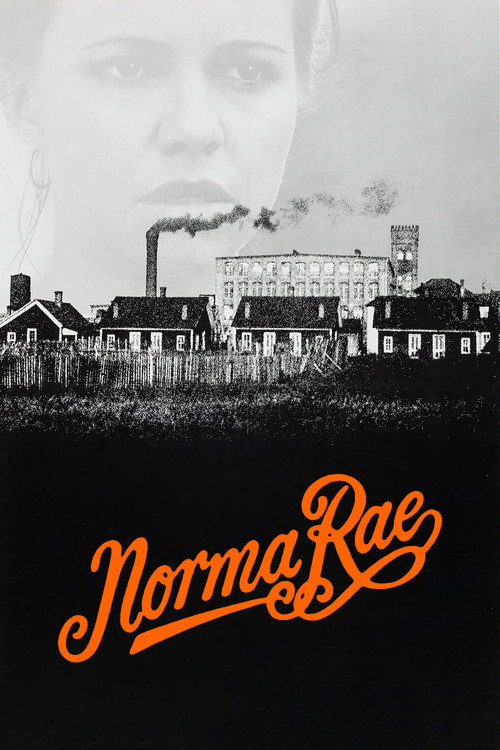
Norma Rae1979
Sally Field's Oscar-winning turn as a mill worker who becomes a reluctant union organizer gives you the same fight from the factory floor instead of the coal camp — funnier, warmer, and just as furious underneath.
But It's more crowd-pleasing and Hollywood-shaped than Matewan's slow, mournful realism — the triumph arrives on schedule.
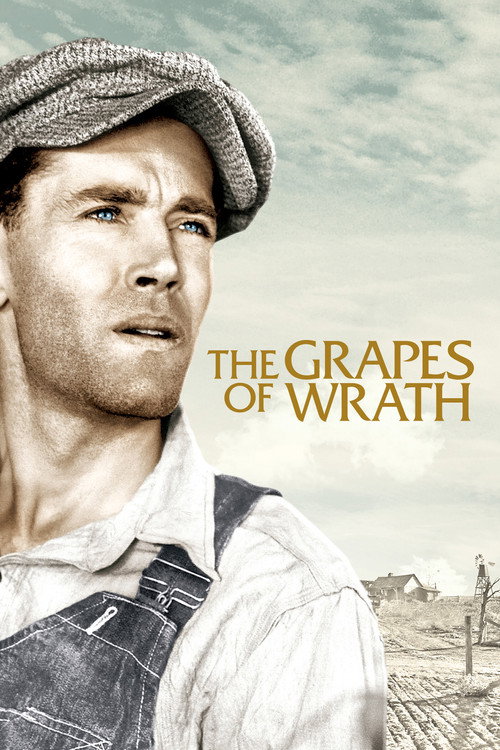
The Grapes of Wrath1940
Ford's black-and-white classic follows a family fleeing Dust Bowl poverty into the same grinding machinery of exploited labor, with Henry Fonda's Tom Joad carrying a similar quiet moral weight.
But Studio-era polish and a tacked-on hopeful ending soften edges that Sayles refuses to sand down.
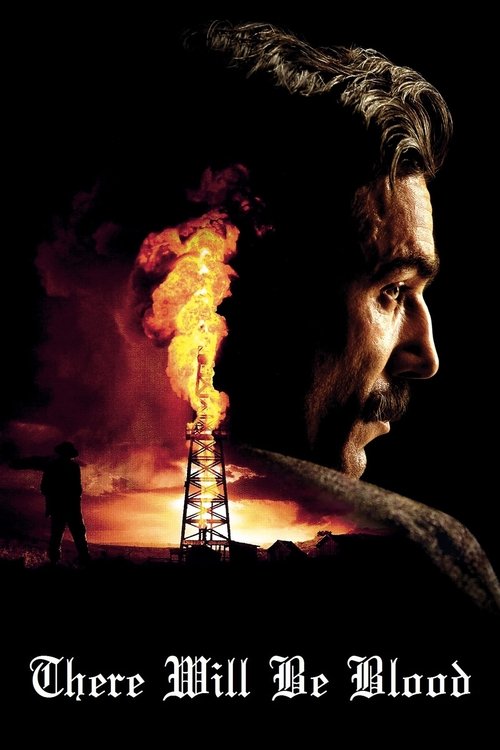
There Will Be Blood2007
Swap coal for oil and you get the same story of American capitalism eating a landscape and its people whole, told with operatic dread instead of quiet dignity.
But It's a character study of a monster, not a community — there's no union, no solidarity, just one man's appetite.
The wildcard
Something you would not have found on your own.
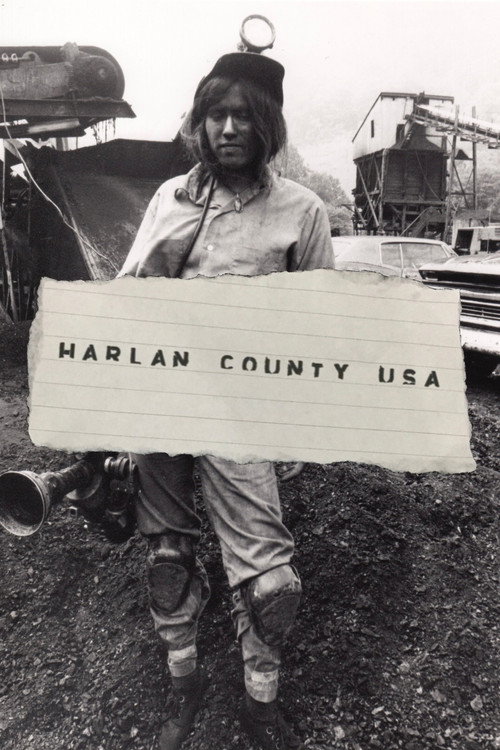
Harlan County U.S.A.1976
Same fight, same hills, nearly the same decade — Kopple's documentary is the nonfiction ancestor of everything Matewan dramatizes, right down to a company gunning down striking miners.
This is the real thing Matewan is dramatizing — Barbara Kopple's camera embedded with striking Kentucky coal miners and their wives, catching actual gunfire, actual grief, actual courage with no script at all.
But Raw and occasionally chaotic — it's cinema verité, not narrative catharsis, and the violence on screen is real footage, not staged.
More like this (8)
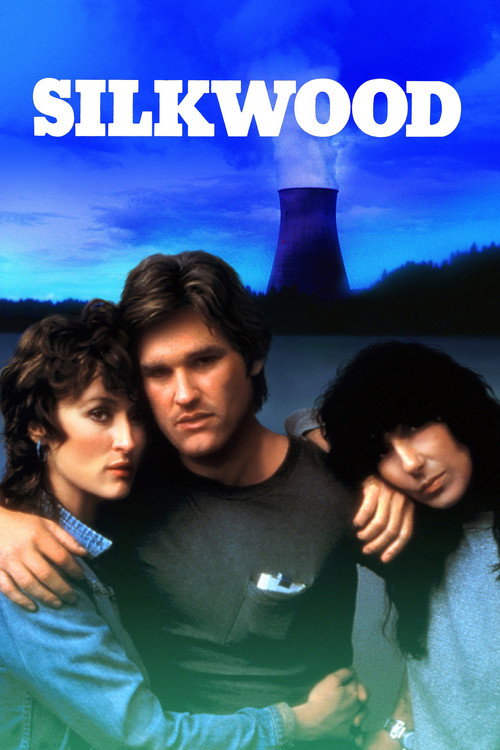
Silkwood1983
Meryl Streep plays a real-life plant worker turned whistleblower against corporate power, echoing Matewan's outrage at an industry closing ranks against workers who dare to speak.
But It trades ensemble tragedy for a single-protagonist thriller, with a slicker '80s studio sheen.
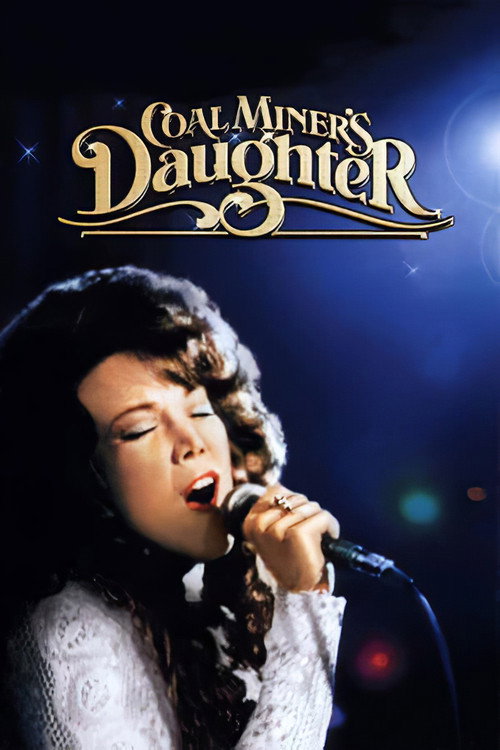
Coal Miner's Daughter1980
Same hollows, same coal dust, same hardscrabble Appalachian world Matewan is built from — but told through music and survival rather than strike and gunfire.
But It's a biopic about getting out and up, not staying and fighting; the politics stay firmly in the background.
Bound for Glory1976no page yet
David Carradine's Woody Guthrie drifts through Depression-era migrant camps and picket lines, carrying Matewan's folk-song conscience and its belief that solidarity is worth singing about.
But It's episodic and meandering where Matewan tightens like a noose — patience required, tension optional.
October Sky1999
Set in the same coalfields a generation later, this is Matewan's world with the violence drained out — a gentler, hopeful story about wanting a life beyond the mine.
But Inspirational and coming-of-age rather than tragic, it's Matewan's world without Matewan's stakes.

Sometimes a Great Notion1971no page yet
Paul Newman's loggers stand against a union in a knot of family pride and stubborn independence — the same rural labor tension, filtered through the Pacific Northwest instead of Appalachia.
But Its politics run backwards from Matewan's, sympathizing with the holdouts rather than the organizers, which changes the whole moral temperature.
North Country2005
Charlize Theron plays a miner fighting harassment and a company that closes ranks, giving Matewan's company-town solidarity a modern, gendered edge.
But Courtroom-drama structure and a clear villain make it more conventional than Sayles's slow, ambiguous history.

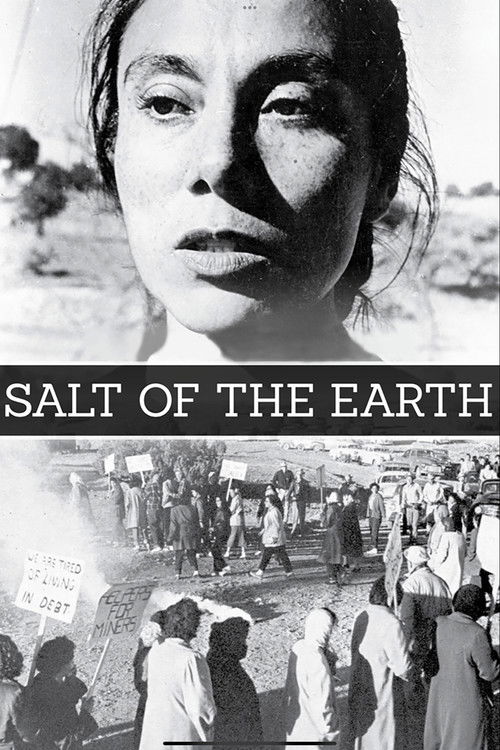
Salt of the Earth1954
This is Matewan's radical grandparent — made by people who lost their careers for their beliefs, telling the same story of a company town turning violent against organizers, twenty years earlier.
Made by blacklisted Hollywood talent using real striking miners as actors, this fierce, low-budget drama about a New Mexico mine strike dared to center a miner's wife's fight for dignity decades before it was safe to.
But Rough, didactic, and clearly made on almost no money — it announces its politics loudly where Matewan lets them simmer.
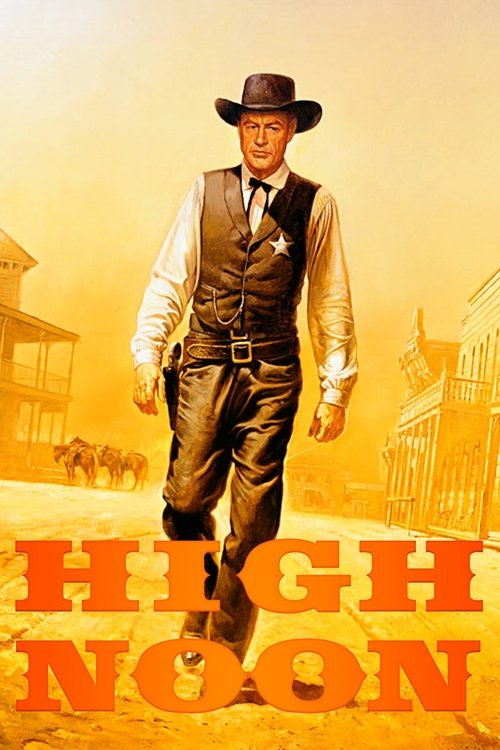
High Noon1952
Both hinge on a town that won't stand up for the man trying to protect it, and on the terrible arithmetic of who ends up facing the violence alone.
A lawman stands nearly alone against a town too frightened or complicit to help him — swap the coal company for outlaws and you get Matewan's structure of moral courage against communal cowardice, stripped to Western bones.
But It's a tight seventy-nine minutes of genre filmmaking with none of Matewan's historical texture, class analysis, or ensemble sprawl.
People
Cast
 Chris CooperJoe Kenehan
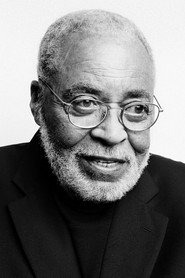 James Earl Jones'Few Clothes' Johnson
 Mary McDonnellElma Radnor
 Will OldhamDanny Radnor
 David StrathairnPolice Chief Sid Hatfield
 Ken JenkinsSephus Purcell
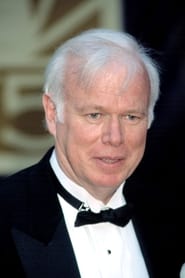 Kevin TigheBill Hickey
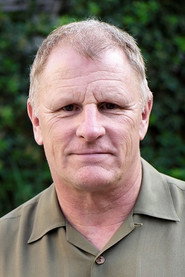 Gordon ClappTom Griggs
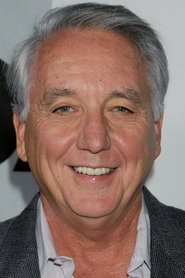 Bob GuntonC.E. Lively
 Jace AlexanderHilllard Elkins
 Joe GrifasiFausto
 Nancy MetteBridey Mae Tolliver
Directing
- John SaylesDirector
- Matia KarrellFirst Assistant Director
- John TintoriScript Supervisor
- Benita AllenSecond Assistant Director
Writing
- John SaylesWriter
Production
- Avy KaufmanAdditional Casting
- Almer ShuttleArt Department Production Assistant
- Archie LambertArt Department Production Assistant
- Chris GibbinArt Department Production Assistant
- James DeanArt Department Production Assistant
- Nancy Kim ParsonsArt Department Production Assistant
- Pat McCarthyAssistant Production Coordinator
- Sarah GreenAssistant Production Manager
- Ira DeutchmanAssociate Producer
- James Glenn DudelsonAssociate Producer
- Ned KandelAssociate Producer
- Barbara ShapiroCasting
- Eve BattagliaCasting Assistant
- Julie HutchinsonCasting Assistant
- Pam FlamCasting Assistant
- Robert GrindrodCasting Associate
- Barbara-Ann SteinCasting Consultant
- Amir Jacob MalinExecutive Producer
- Jerry SilvaExecutive Producer
- Mark BalsamExecutive Producer
- Bob BaileyLocation Assistant
- Paul MarcusLocation Manager
- Maggie RenziProducer
- Peggy RajskiProducer
- Beth BernsteinProduction Assistant
- Libby BikaProduction Assistant
- Peggy RajskiProduction Manager
- Cilista EberleProduction Office Coordinator
- Gary RosenblattPublicist
- Paul MarcusSecond Unit Location Manager
- Diana PokornyUnit Manager
Recommended by
Silkwood, Norma Rae, Harlan County U.S.A., Eight Men Out, Salt of the Earth