
Film
Germinal
- Social drama
- Very dark
Claude Jade's 1993 adaptation of Zola's towering novel follows a mining community in 19th-century France as exploitation breeds desperation, desperation breeds solidarity, and solidarity breeds catastrophe. It's a film of coal dust and collective rage, gorgeously photographed and acted with unflinching rawness. For anyone who wants to feel the weight of systemic injustice and witness ordinary people refusing to break—even as the world breaks them.
If you liked this
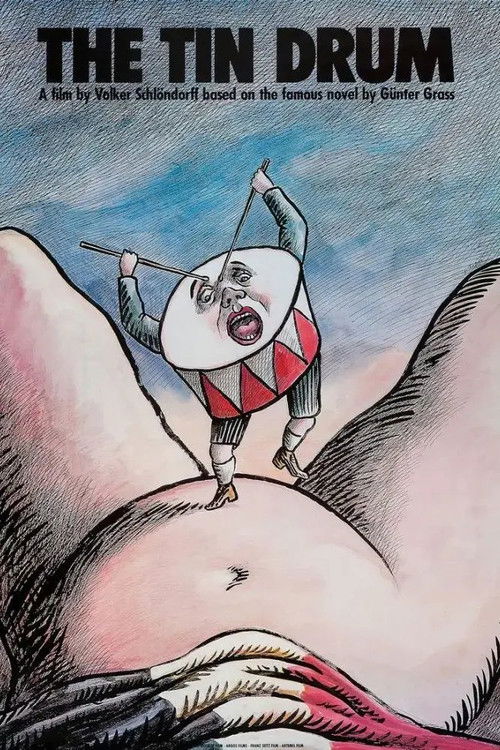
The Tin Drum1979
Volker Schlöndorff's epic also uses a community in crisis as its crucible, employing magical realism and unsettling perspective shifts to examine how power corrupts and ordinary people survive extraordinary times. Deeply rewarding.
But Three hours and deliberately strange in its narrative voice; it can feel forbidding before it opens up. Not an easy watch.
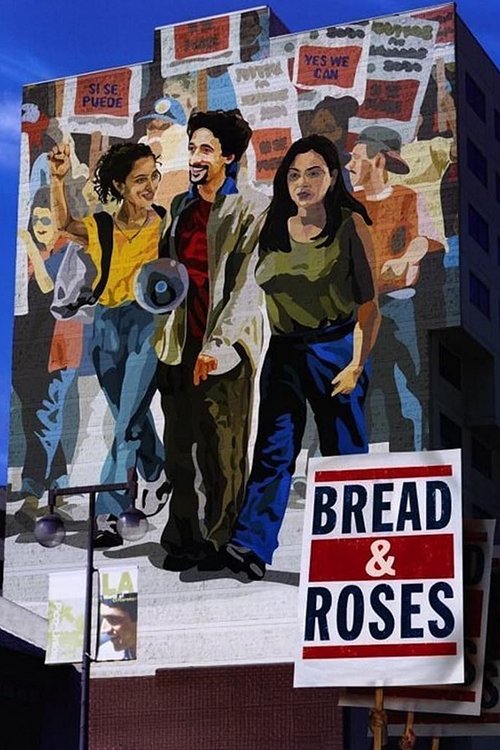
Bread and Roses2000
Ken Loach's portrait of undocumented workers organizing in Los Angeles carries Germinal's DNA—working-class dignity, strike mechanics, the cost of solidarity—but in a contemporary setting that feels urgent and immediately relevant.
But Shot in Loach's deliberately plain style; some may find the realism austere rather than compelling. The ending isn't triumphant.
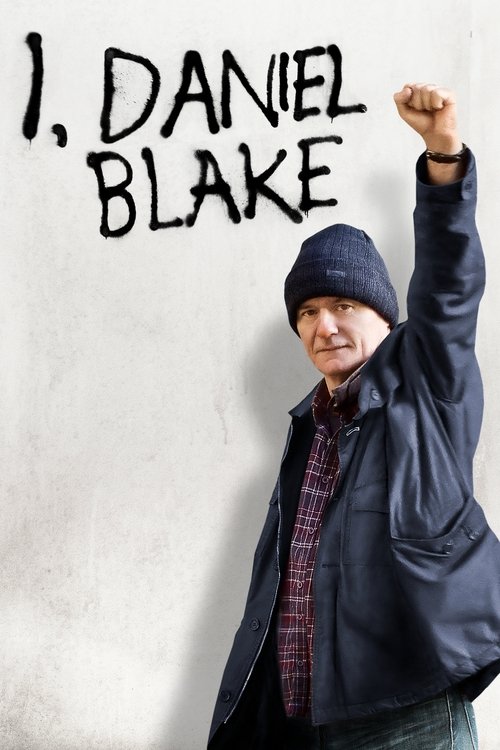
I, Daniel Blake2016
Loach again, this time on welfare bureaucracy as a form of slow violence. The same focus on systemic cruelty wearing down good people, told with the same quiet fury and refusal to sentimentalize poverty.
But It's bleak without catharsis. If you need a sense of progress or resolution, this will frustrate you.
Not sure tonight? Get a pick in a minute, starting from Germinal
The wildcard
Something you would not have found on your own.
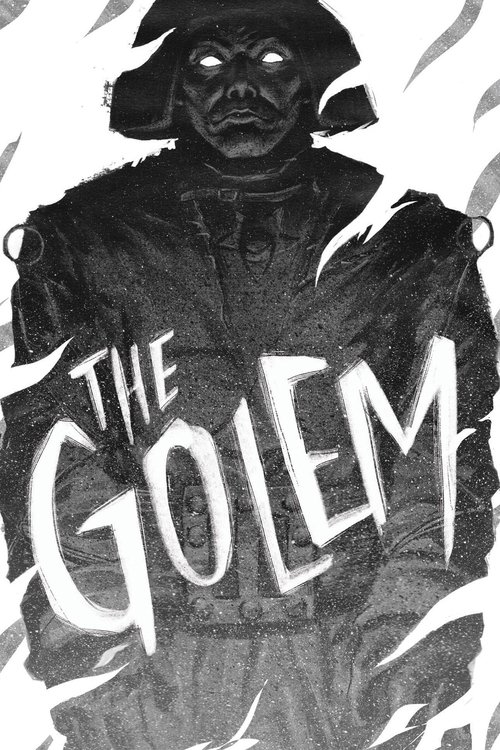
The Golem: How He Came into the World1920
Both use their narratives to explore how the powerless create agency and what happens when that creation turns on itself. The golem and the strike are the same metaphor.
Paul Wegener's 1920 silent masterpiece uses the myth of a creature built to protect a community as a metaphor for revolution and collective power. It's the same story as Germinal—ordinary people animated by desperation, creating something that destroys—but told through expressionist fantasy rather than realism. The visual language is hypnotic.
But Silent film from the 1920s; the pacing and performance style will feel very distant. You're reading captions and interpreting without dialogue. The print quality varies.
More like this (7)
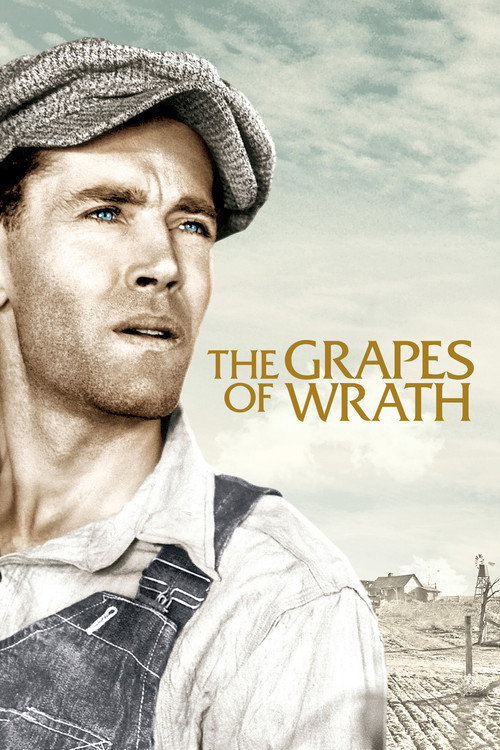
The Grapes of Wrath1940
John Ford's adaptation of Steinbeck finds the same engine—desperate people pushed past their limit, collective action as moral necessity. Beautifully composed and alive with righteous anger, it's essential.
But 1940s Hollywood sentimentality creeps in at moments; it softens some of the novel's harder edges. The pacing will test modern viewers.
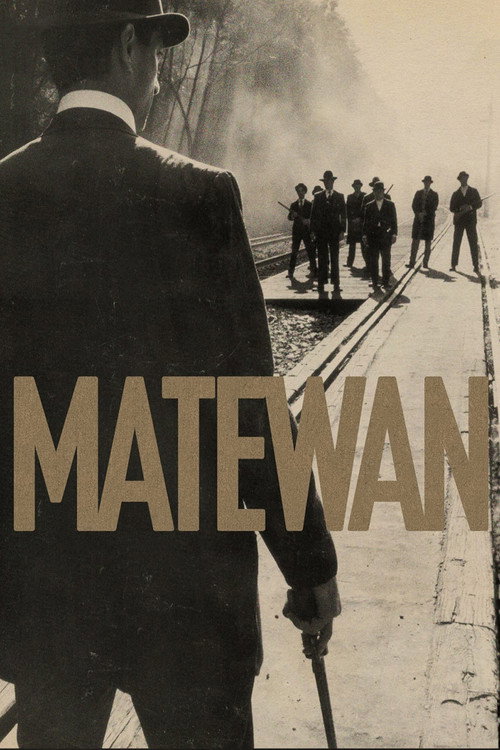
Matewan1987
John Sayles' account of coal miners unionizing in 1920s West Virginia has the same specificity of labour struggle, the same moral clarity, and the same tragic inevitability. A masterpiece you've probably missed.
But Shot in deliberately flat, unglamorous style; the colour palette is drab. Takes its time building tension.
The Battle of Algiers1966
Gillo Pontecorvo's documentary-style account of colonial resistance has the same unflinching approach to how movements are born, sustained, and broken. Structurally brilliant and politically unambiguous.
But Brutal depictions of violence from both sides; it doesn't soften its subject. Black and white; made in 1966 so the technique may feel dated.

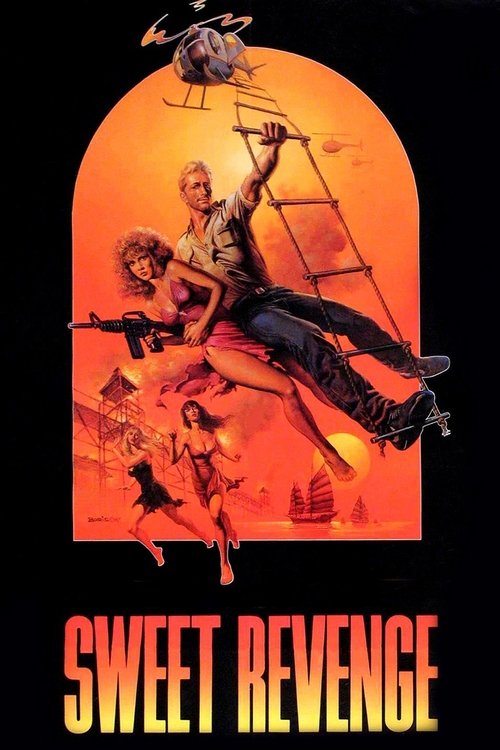
Sweet Revenge1987
Alain Jessua's film about industrial sabotage and class warfare has similar moral complexity—good people driven to destructive choices by systems that crush them. Lesser-known but genuinely unsettling.
But French thriller logic means it prioritizes plot over character development. Can feel cold compared to Germinal's warmth.
Kes1970
Ken Loach's debut about a working-class boy in Yorkshire shows how systems fail young people; it has Germinal's attention to texture and dignity alongside its political clarity. A quietly devastating film.
But Very bleak, very British, very quiet. Not much plot; it's observational. Requires patience and empathy.

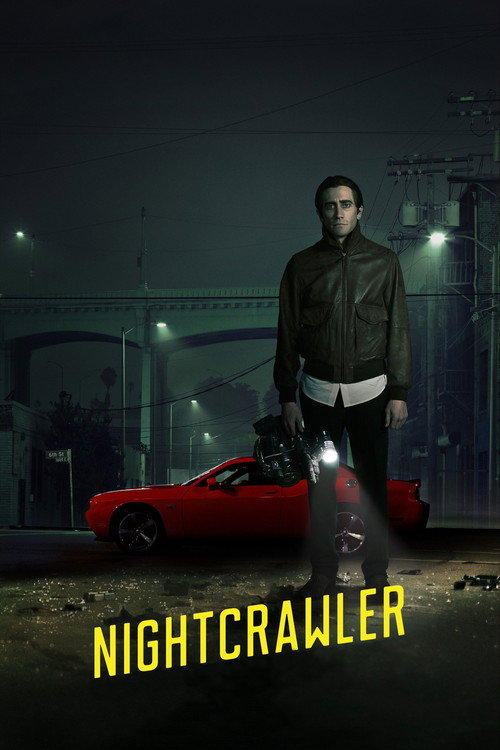
Nightcrawler2014
Both examine how systems dehumanize people, but Nightcrawler shows it through the eyes of someone succeeding within that system rather than resisting it. Complementary portraits of the same machinery.
Jake Gyllenhaal's sociopathic freelance videographer exists in a system that rewards exploitation. Unlike Germinal, we're inside the mind of the exploiter—but the anatomy of how systems destroy dignity and normalize brutality is identical. It's Germinal inverted and set in Los Angeles.
But Contemporary, slick, and deeply uncomfortable. It offers no heroes and no solidarity—only individuals clawing upward. Very different register from Germinal's collective consciousness.
The Seventh Seal1957
Both are meditations on collective human fragility—whether faced by plague or exploitation, whether answered by faith or solidarity. The form is different but the philosophical weight is identical.
Bergman's knight playing chess with Death seems unrelated until you realize both films are about communities facing forces they cannot control and asking what dignity means in the face of inexorable ruin. Bergman's is metaphysical and medieval; Zola's is historical and material. Same question, different language.
But Slow, philosophical, and genuinely strange. Requires patience and willingness to sit with ambiguity. Swedish cinema from 1957 is not casual viewing.

People
Cast
 Miou-Miou'La Maheude'
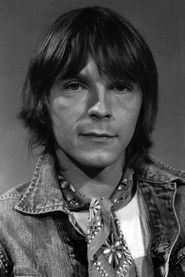 RenaudÉtienne Lantier
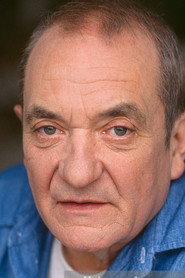 Jean CarmetVincent Maheu, aka Bonnemort
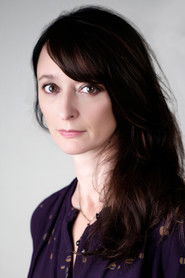 Judith HenryCatherine Maheu
 Jean-Roger MiloAntoine Chaval
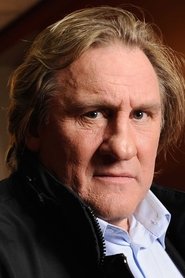 Gérard DepardieuToussaint Maheu
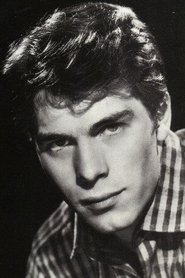 Laurent TerzieffSouvarine
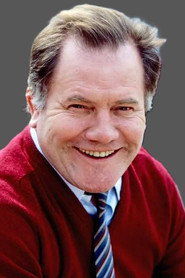 Bernard FressonVictor Deneulin
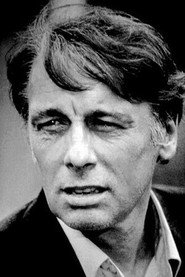 Jean-Pierre BissonRasseneur
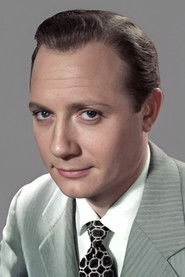 Jacques DacqminePhilippe Hennebeau
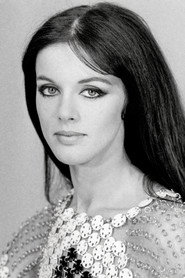 Anny DupereyMrs. Hennebeau
 Gérard CroceMaigrat
Directing
- Claude BerriDirector
- Frédéric AuburtinFirst Assistant Director
- Véronique LagrangeScript Supervisor
Writing
- Émile ZolaNovel
- Arlette LangmannScreenplay
- Claude BerriScreenplay
Production
- Gérard MoulévrierCasting
- Claude BerriProducer