
Film
Bread and Roses
Ken Loach's film about two sisters navigating work, dignity, and activism as undocumented janitors in Los Angeles. It's warm but unflinching—grounded in real lives and small moments, not rhetoric. For anyone who believes labor stories matter, or who wants cinema that doesn't look away from how people actually survive.
Should you watch it?
Watch it if you trust a film that grounds its politics in the sweat, bus rides and arguments of ordinary working lives, and you want to feel the pull of a cause through people rather than speeches.
Skip it if you need light, quick comedy despite the label, since its humour is wry and sparse and the story stays stubbornly tough on its characters for most of the run.
What it asks of you: Settle in for a steady two hours of sharp arguments and cramped corridors, where the mood swings between anger and tenderness and it rarely lets you coast.
Not sure? Find tonight's pick in a minute.
If you liked this
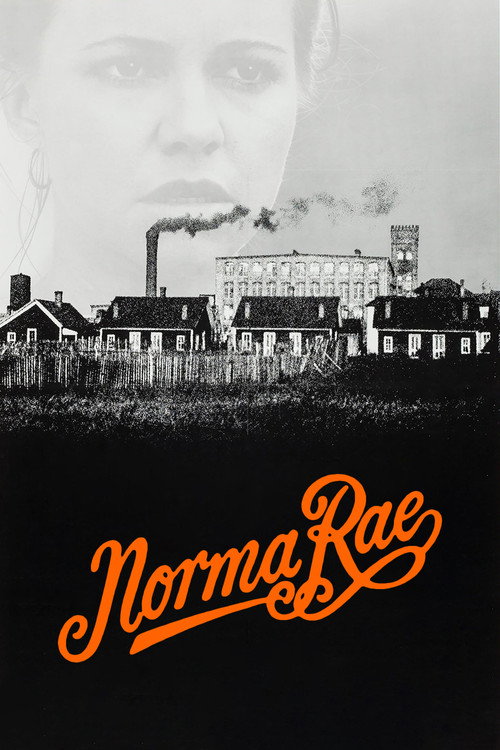
Norma Rae1979
Sally Field in a transformative role as a textile worker who becomes a union organizer. A clear spiritual ancestor to Bread and Roses, with the same belief that ordinary people's struggles deserve epic treatment.
But The pacing is deliberate; it moves at the rhythm of organizing, not drama. Some will find it slow.
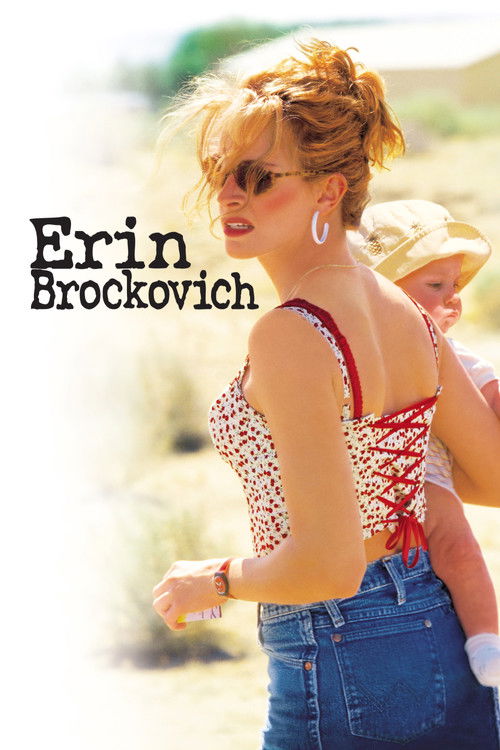
Erin Brockovich2000
Julia Roberts as a working-class woman fighting a massive corporation and winning. It shares Bread and Roses' faith in ordinary people standing up, but with more conventional Hollywood momentum and charm.
But Much more interested in individual triumph than systemic change. The tone is lighter in ways some may find cheap.
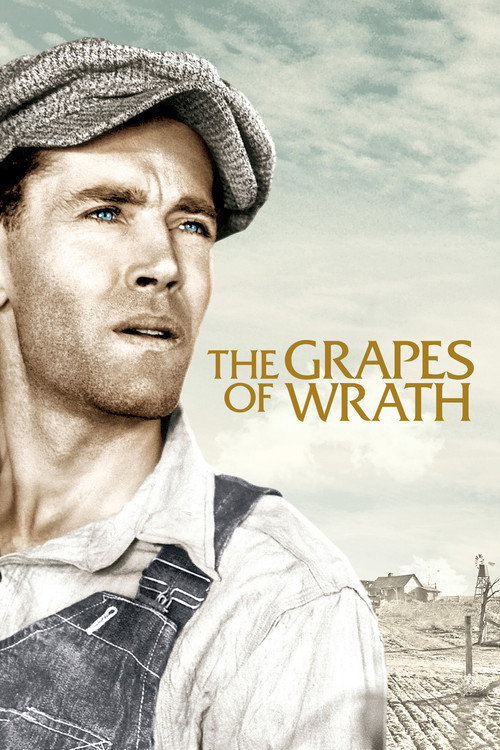
The Grapes of Wrath1940
John Ford's masterpiece about migrant workers during the Depression. It has the same moral clarity as Loach, the same refusal to sentimentalize poverty, the same belief in collective action over individual escape.
But It's black and white and 128 minutes, and the ending is purposefully ambiguous rather than triumphant. Not everyone's patience holds.
Not sure tonight? Get a pick in a minute, starting from Bread and Roses
The wildcard
Something you would not have found on your own.
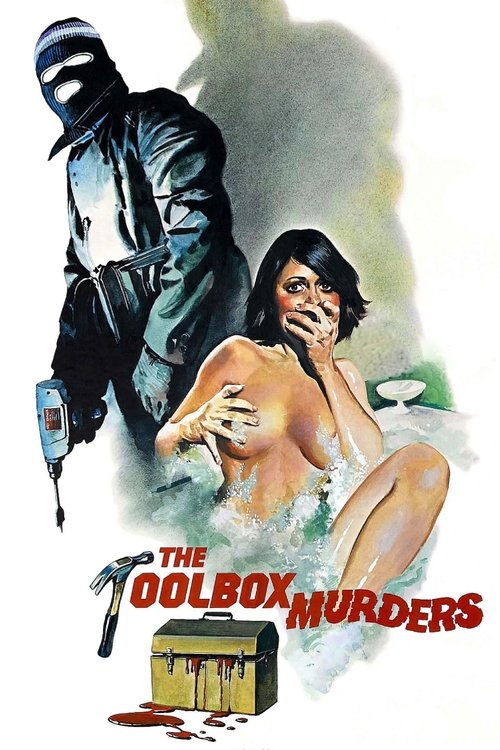
The Toolbox Murders1978
Both see the vulnerability of working people—Bread and Roses through organizing, Toolbox Murders through dread. Both refuse to let you forget that ordinary people live on the edge.
A slasher film that opens with a long, unbroken sequence of a working-class man going about mundane tasks before violence erupts. It's visually brutal in a way that has nothing to do with gore—it's about the precariousness of ordinary life. Tobe Hooper made something genuinely unsettling about labor and desperation.
But It's a horror film, and the connection is tonal rather than narrative. If you want political clarity, this will frustrate you. It's also genuinely nasty in places.
More like this (7)
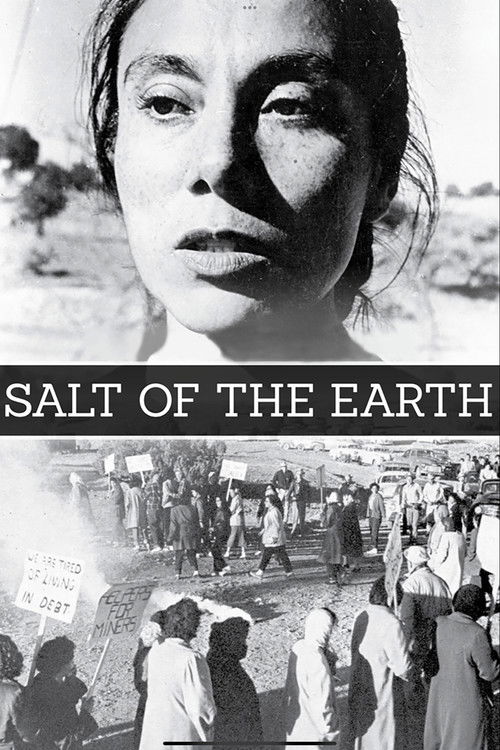
Salt of the Earth1954
A union organizing film made by blacklisted filmmakers with actual miners. It's rawer than Bread and Roses, more explicitly political, and has an authenticity that comes from living the fight, not observing it.
But The acting is often non-professional and the dialogue can feel didactic. It asks you to care about the message as much as the craft.
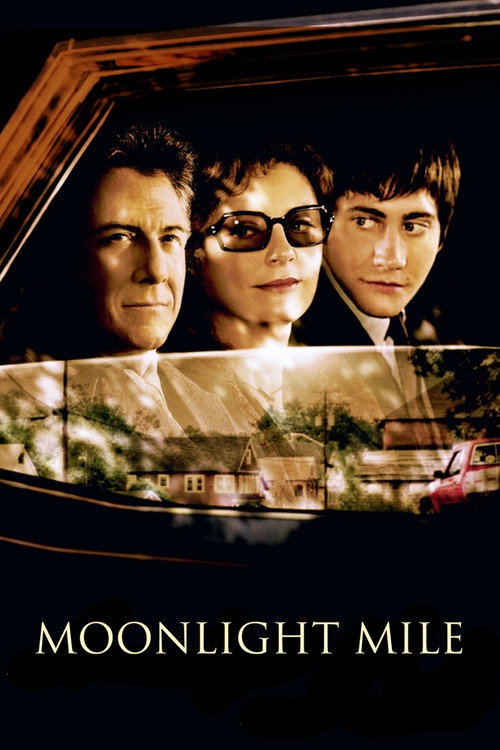
Moonlight Mile2002
Also from 2000, also about ordinary people in emotional crisis, with Jake Gyllenhaal and Dustin Hoffman. Shares Loach's interest in how people actually talk and sit with each other in grief.
But It's quieter and more introspective than a labor story. The plot barely moves; it's all interior weather.
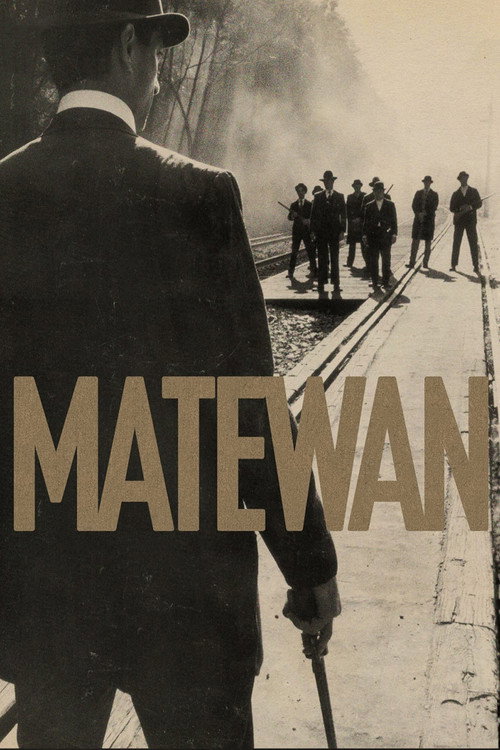
Matewan1987
John Sayles' film about coal miners organizing in 1920s West Virginia. Beautifully shot, deeply researched, and genuinely tense about what solidarity costs and what it buys.
But It's a period piece without the comfort of historical distance. The violence is real and haunting rather than cathartic.
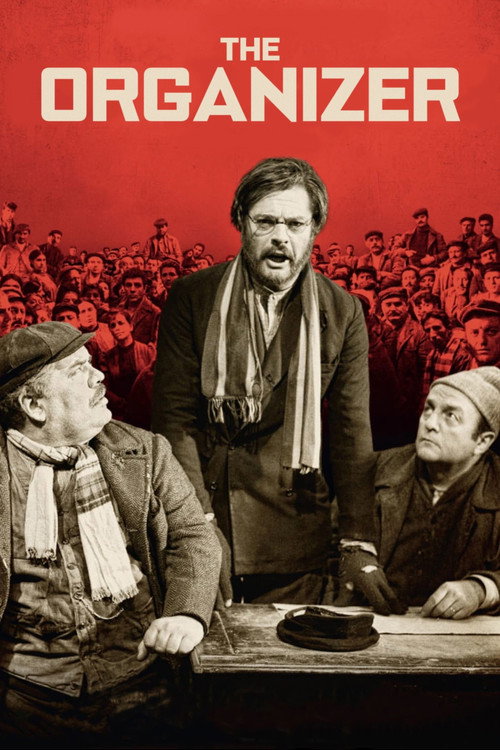
The Organizer1963
Marcello Mastroianni in an Italian film about factory workers in the 1890s. A clear influence on Loach's style—naturalistic, sympathetic to all sides, interested in how ideas spread among ordinary people.
But Dubbed, black and white, and the class analysis is more complex than you might expect. Some find it frustratingly even-handed.
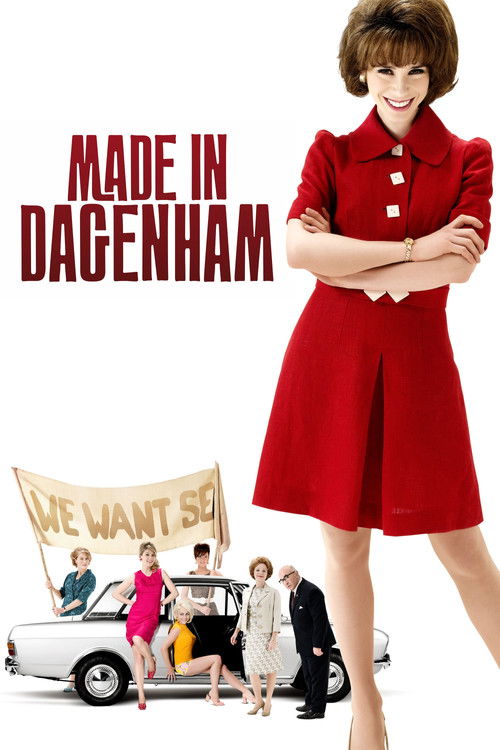
Made in Dagenham2010
Sally Hawkins leading a group of female car workers striking for equal pay in 1960s England. Spirited and funny in a way Bread and Roses isn't, but with the same love for people who refuse to accept less than they deserve.
But It leans toward uplift and crowd-pleasing. The film wants you to feel good, which can feel like a compromise with the messiness of real struggle.
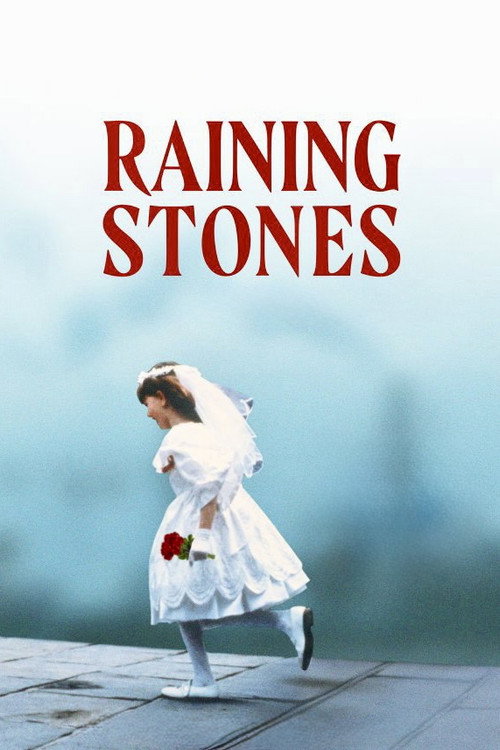
Raining Stones1993
Another Ken Loach film, about a working father in Manchester trying to keep his daughter's dignity intact. If you loved Bread and Roses, Loach's other work has the same texture and moral weight.
But It's quieter and smaller in scale. There's no organizing, no climactic moment—just the long daily grind of making ends meet without breaking.
La Haine1995
Both are portraits of excluded people in a specific place, made by directors with a real conviction that their lives matter. Both use formal rigor to say: this is serious.
Mathieu Kassovitz's black-and-white film about three young men in a Paris banlieue over 24 hours. It has the same formal precision and political anger as Loach, the same belief that cinema can honor lives the world ignores. Shot like a poem written with a fist.
But It's in French, shot in black and white, and deliberately fragmented. The politics are implicit rather than spelled out. Some find that distance unbearable.

People
Cast
 Pilar PadillaMaya
 Adrien BrodySam Shapiro
 Jack McGeeBert
- Monica RivasSimona
- Frankie DavilaLuis
 Lillian HurstAnna
- Maria OrellanaBerta
- Melody GarrettCynthia
 Elpidia CarrilloRosa
 George LópezPerez
- Rosa AyalaJanitor
- Mayron PayesBen
Directing
- Ken LoachDirector
- Ricardo Méndez MattaFirst Assistant Director
- Susanna LentonScript Supervisor
- Sharon SwabSecond Assistant Director
- Bradley MorrisSecond Second Assistant Director
Writing
- Paul LavertyWriter
Production
- Jeff WicklineAssistant Accountant
- Caleb DuffyAssistant Location Manager
- Quentin HallidayAssistant Location Manager
- Richard HicksCasting
- Ronnie YeskelCasting
- Steve BrooksbankCasting Associate
- Ulrich FelsbergExecutive Producer
- Janet CunninghamExtras Casting
- Ken LavetLocation Manager
- Rebecca O'BrienProducer
- Cynthia Garcia WalkerProduction Accountant
- Heidi S. PaveyProduction Coordinator
- Cathy Mickel GibsonUnit Production Manager
Recommended by
Catfish: The TV Show, Capitalism: A Love Story, Germinal, Salt of the Earth, Neruda, The Tree of Wooden Clogs, America America, Avalon, Winstanley, American Dream, A Better Life, Under the Same Moon, Born in Flames, The March, Newness, The Second Mother, The Golden Dream, Raining Stones, Nueba Yol: Por fin llegó Balbuena, The Happening, Man Push Cart, We Are Still Here, I Used to Go Here, Beloved Sisters, The Triangle Factory Fire Scandal, Cesar Chavez, Woman Without Piano, Ghost Fleet, The Marsh King's Daughter, The Circle, Copperhead, Letters from Marusia, Convoy, Kings & Queen, Saath Saath, Arohan