
Film
Arohan
A 1983 Indian drama about a farmer crushed by exploitation and systemic poverty. Slow, observational, deeply compassionate. The camera lingers on faces and rural landscapes to show how quiet suffering accumulates. For viewers who find meaning in patient, unsentimental depictions of injustice and human dignity under pressure.
If you liked this
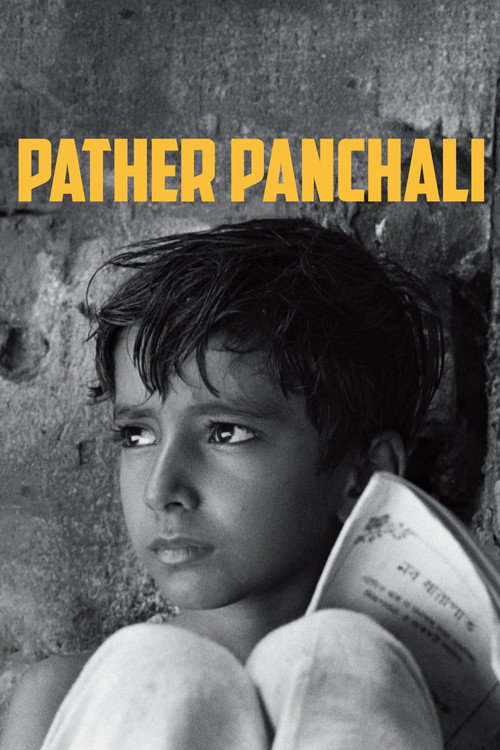
Pather Panchali1955
Satyajit Ray's masterpiece about rural poverty in Bengal, shot with the same patient eye for detail and emotional truth. If you respond to Arohan's moral clarity, this is where the lineage begins.
But At 125 minutes it moves very slowly by modern standards, and subtitles require full attention. The narrative arc is deliberate rather than dramatic.
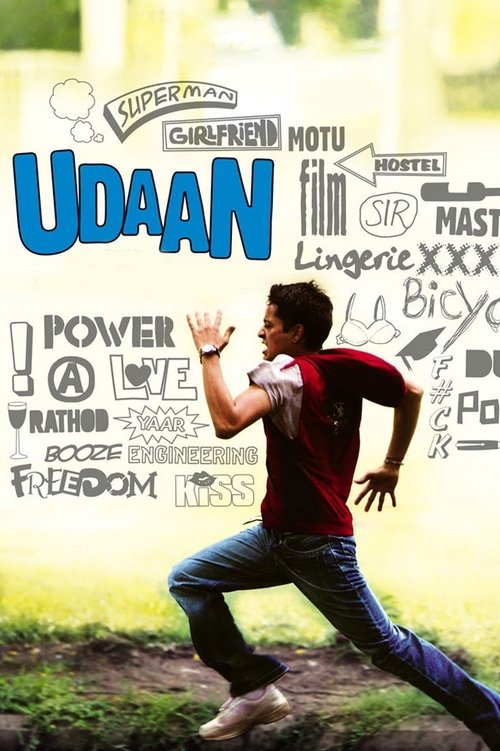
Udaan2010
A contemporary Indian film about a young man trapped by family and circumstance. Uses silence and gesture like Arohan does, letting emotional weight accumulate through observation rather than explanation.
But Bleak and introspective. There are no winners, only degrees of damage. Some viewers need more narrative momentum.
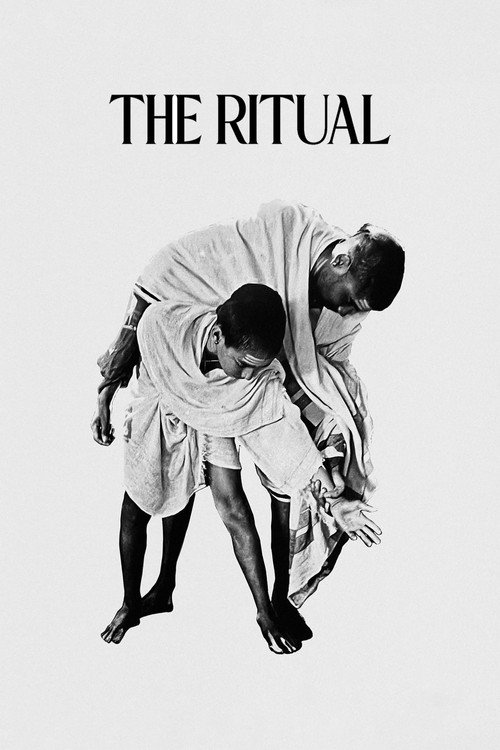
Ghatashraddha1977
Girish Kasaravalli's Kannada film about a widow in rural India confronting caste and tradition. Same era, same region's cinema, same unflinching gaze at how systems dehumanize the powerless.
But Harder to find than Arohan. Slow in a way that tests patience. Subtitles and cultural context are essential.
Not sure tonight? Get a pick in a minute, starting from Arohan
The wildcard
Something you would not have found on your own.
Come and See1985
Both use patient, unglamorous cinema to show how systems destroy ordinary people. Both distrust sentiment and easy resolution.
Elem Klimov's Soviet masterpiece about childhood destroyed by war. Not about farming or India, but the same artistic conviction: suffering is shown, not explained; the camera respects the viewer's intelligence; injustice is structural, not individual. Both films trust you to feel rather than be told what to feel.
But Harrowing and relentless in ways that make Arohan look almost gentle. This is not a film to watch for comfort. Some of the violence is directly depicted.

More like this (5)
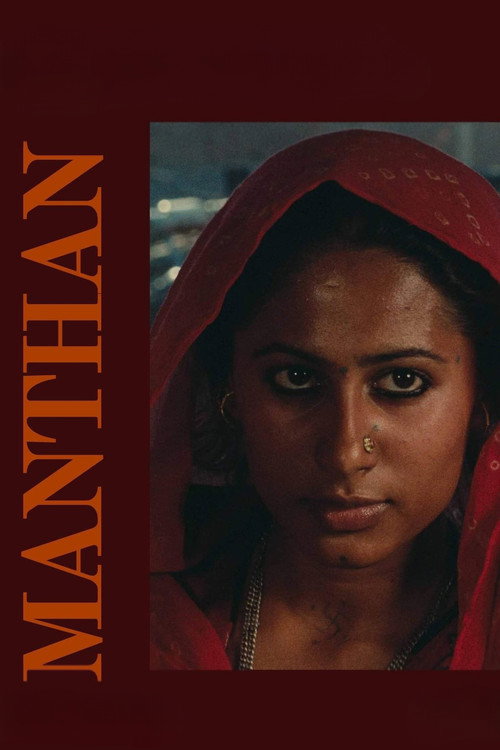
Manthan1976
Shyam Benegal's film about rural cooperatives and agricultural reform, with Om Puri (who appears in Arohan). Directly engaged with the systems that crush farmers, presented without melodrama.
But Didactic at moments. The social message sometimes overrides character, and the pacing is uneven.
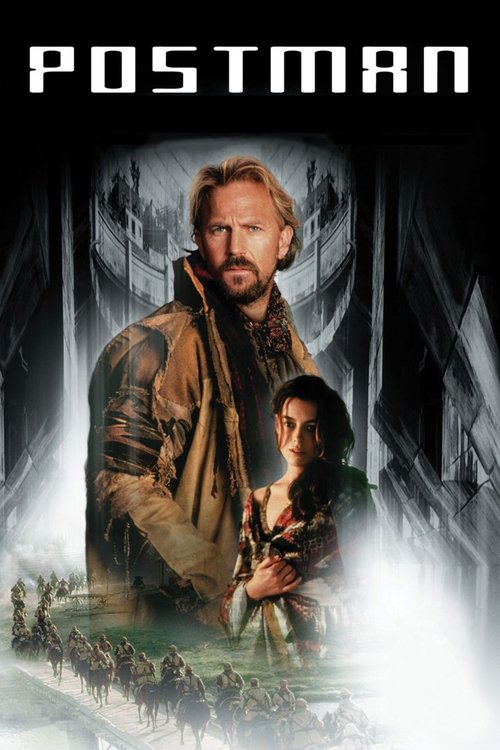
The Postman1997
Feng Xiaogang's Chinese film about a rural postman whose honest work is undermined by circumstance. Finds grace and humour in poverty without ever patronizing it, much like Arohan's approach.
But Cultural distance may make some moments feel opaque. The humour is subtle and won't land for everyone.
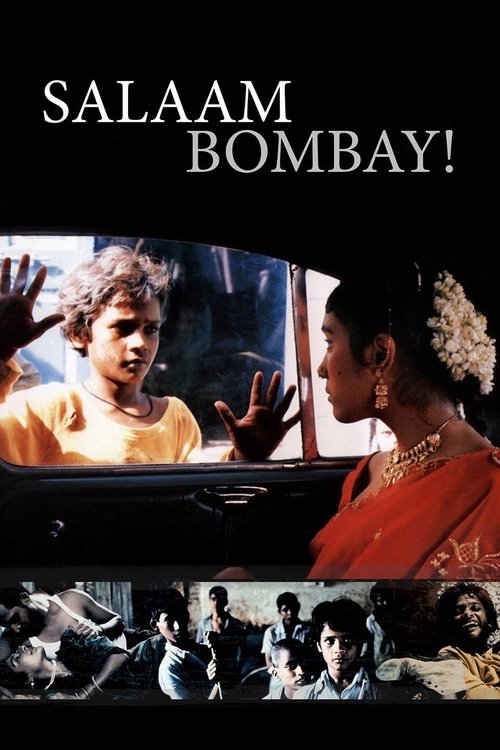
Salaam Bombay!1988
Mira Nair's portrait of street children in Mumbai—Indian, same era's sensibility, unflinching about exploitation without exploiting its subjects for the viewer's tears.
But Harder to watch than Arohan because the suffering is acute and immediate. Some scenes are genuinely difficult. It trades patient observation for urgency.
Dark Water2005
Deepa Mehta's film about widows in 1930s India. Uses the same architectural approach—showing how institutions and tradition imprison people—with a similar refusal to offer easy catharsis.
But More narrative momentum than Arohan, which some prefer but others find dilutes the impact. International production values might feel less immediate.

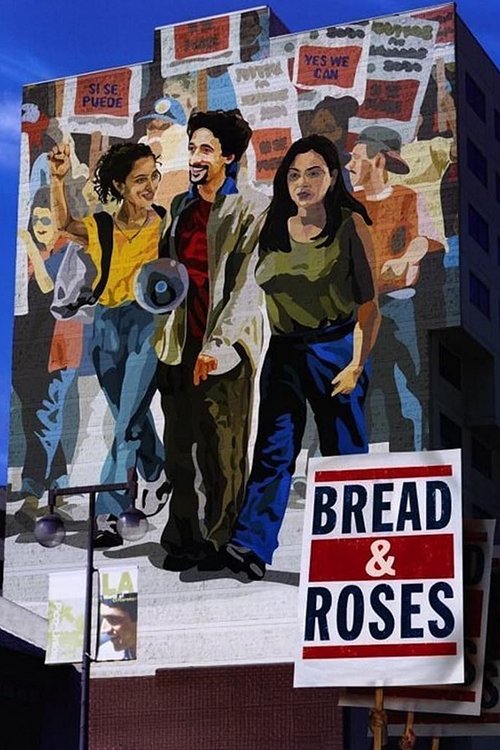
Bread and Roses2000
Both argue that systems, not individual failures, cause poverty. Both centre on the labour and resilience of ordinary people. Both distrust easy fixes.
Ken Loach's film about immigrant garment workers fighting for dignity in Los Angeles. Different continent and era, but the same structural analysis: individual goodness cannot overcome systematic exploitation. Arohan's moral vision applied to a different context.
But More polemical than Arohan—it argues rather than observes. Some viewers find Loach's didacticism heavy-handed. The narrative is clearer, which can feel less artistically ambitious.
People
Cast
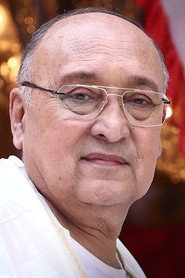 Victor BanerjeeJotdar Bibhutibhushan Ganguly
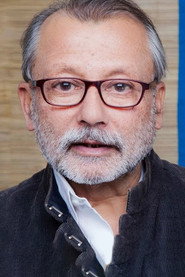 Pankaj KapurVillage Teacher
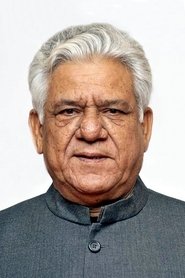 Om PuriHari Mondal
 Sreela MajumdarPanchi
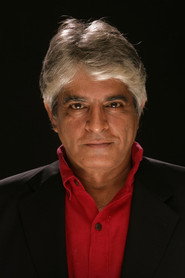 Jayant KripalaniSenior District Magistrate Jayant Kripalani
Directing
- Shyam BenegalDirector
Writing
- Shama ZaidiWriter