
Film
Pather Panchali
The first film of Ray's Apu Trilogy, shot on a shoestring in rural Bengal, follows one poor family through a slow procession of ordinary days — hunger, small joys, illness, loss. It's patient, tender, unsentimental cinema, told largely through the eyes of children. For anyone willing to let a film breathe rather than hurry.
If you liked this
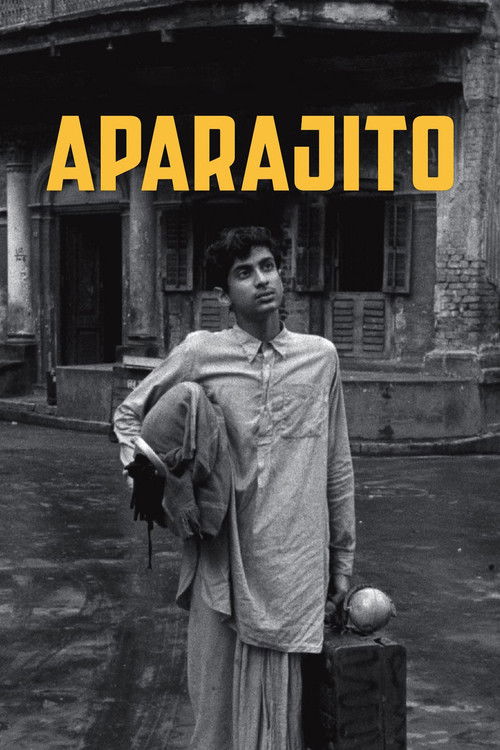
Aparajito1956
Ray's own sequel follows Apu into adolescence and the city, widening the world Pather Panchali built while keeping the same unhurried, deeply humane gaze.
But It leans further from the village into ideas about ambition and separation, which some find less immediate than the first film's intimacy.
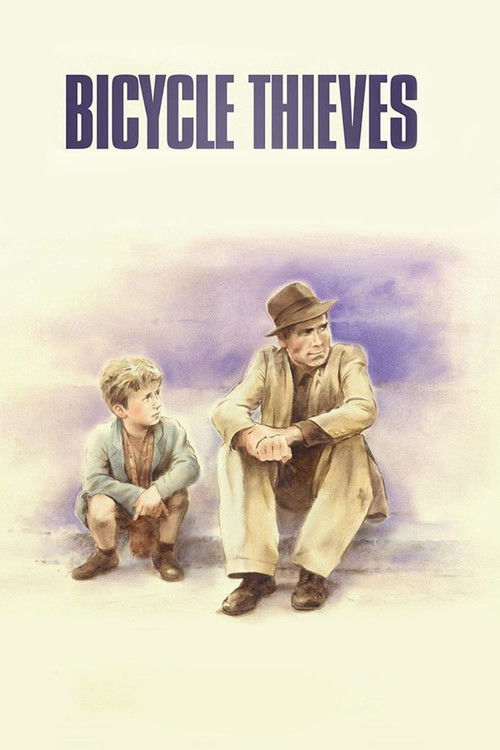
Bicycle Thieves1948
Italian neorealism's cornerstone, a father and son wandering postwar Rome in search of a stolen bicycle. Same unadorned honesty about poverty's daily indignities, same aching tenderness.
But Its ending is bleaker and more pointed than Ray's — less room to breathe, more of a gut-punch.
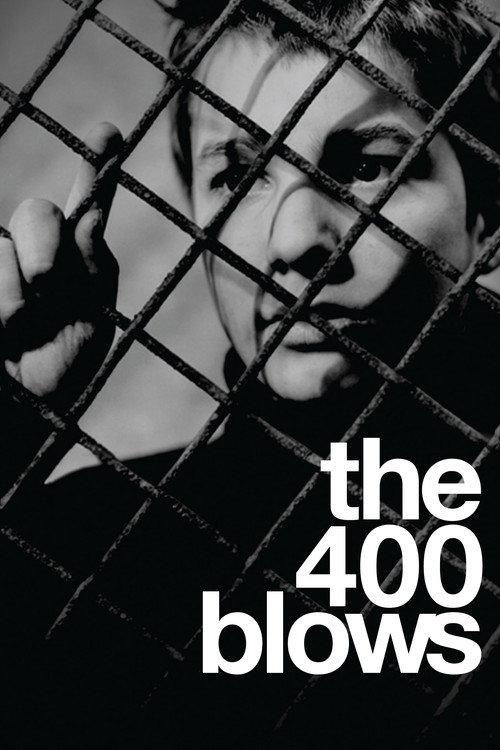
The 400 Blows1959
Truffaut's autobiographical debut watches a neglected Parisian boy drift toward delinquency with the same clear-eyed sympathy Ray gives his children. A founding text of cinema about childhood.
But Its restlessness and jump cuts feel more modern and jittery than Ray's stillness — a different rhythm entirely.
The wildcard
Something you would not have found on your own.
Grave of the Fireflies1988
Same engine as Pather Panchali — children's small joys set against a family's slow collapse — but rebuilt entirely in animation and wartime devastation instead of rural drought.
An animated Japanese film about siblings trying to survive the firebombing of their city, told with the same unflinching tenderness toward children caught in adult catastrophe.
But It is animation but not remotely gentle — one of the saddest films ever made, and deliberately so.

More like this (7)
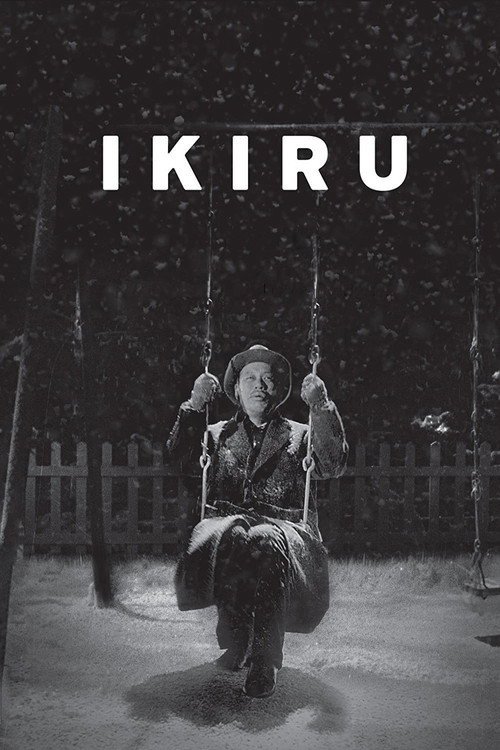
Ikiru1952
Kurosawa's quietly devastating story of a bureaucrat facing death shares Ray's patience and humanism, finding grace and meaning in small, unglamorous lives.
But It's more explicitly about mortality and moral awakening than family or childhood — a cousin in spirit, not subject.
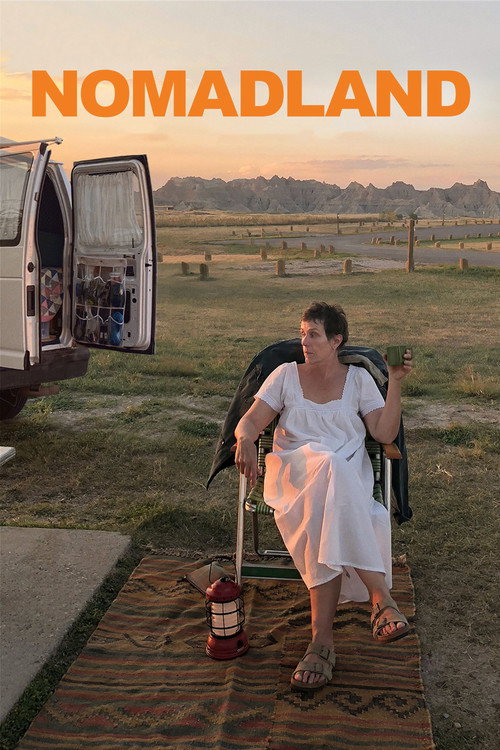
Nomadland2021
Chloé Zhao's observational drama about a woman drifting through work camps after loss carries the same dignity-in-hardship, non-judgmental eye that Ray brings to the Roy family.
But American and contemporary, with a very different visual language — wide skies and vans instead of monsoon and mud.
Moonlight2016
A poor childhood rendered in lyrical, patient images, tracking one boy's growth across years. Shares Pather Panchali's trust that small, quiet moments carry enormous weight.
But Its concerns — identity, sexuality, masculinity in Miami — are specific to a very different America.

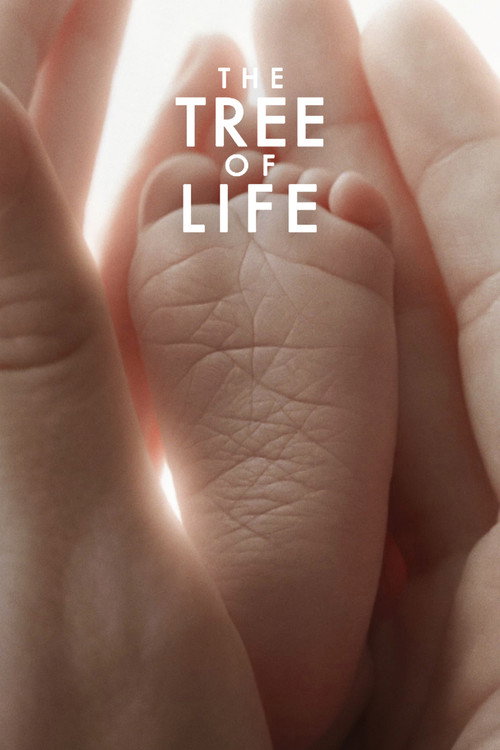
The Tree of Life2011
Malick's fractured memory-piece about a 1950s childhood shares Ray's interest in texture and sensation over plot — sunlight, dust, a mother's hands, the ache of growing up.
But Far more abstract and cosmic in ambition; some find its digressions into creation and eternity alienating.
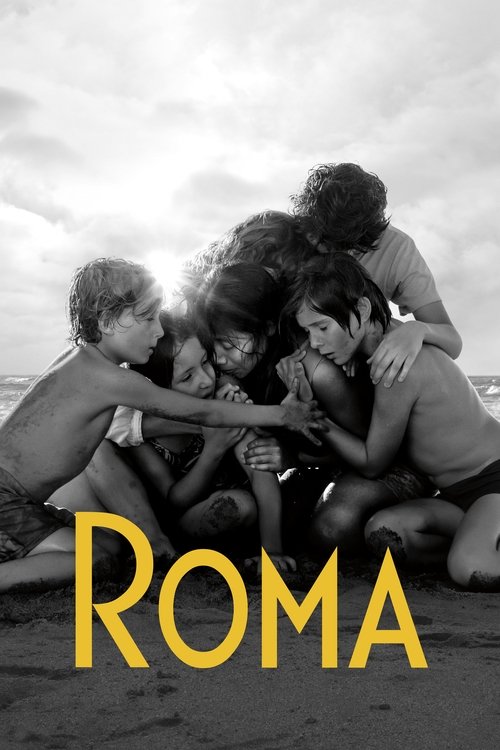
Roma2018
Cuarón's black-and-white memory film observes a household's daily rhythms with the same devotional patience Ray shows the Roys, finding vast feeling in domestic detail.
But Visually more polished and technically showy than Ray's rough, on-location naturalism — a different kind of beauty.
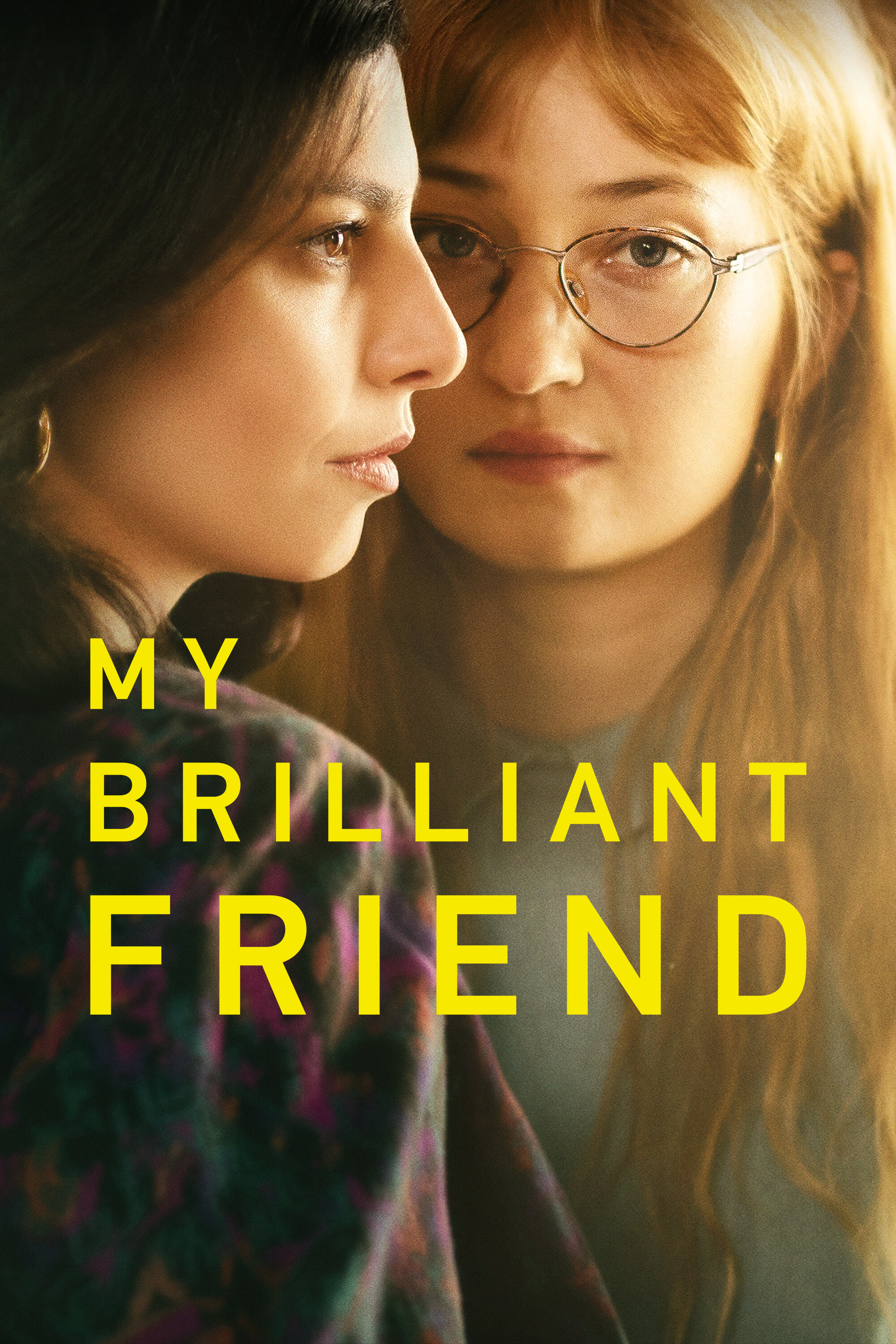
My Brilliant Friend2018
Same neorealist DNA and the same trust in a child's perspective on poverty and family, but stretched into serial television rather than a single unhurried film.
This Italian HBO/RAI series follows two girls growing up poor in postwar Naples, expanding Ray's patient, child's-eye realism across many hours instead of one afternoon.
But It's a long-form commitment across multiple seasons — the opposite of Pather Panchali's contained, single sitting.
Mother India1957no page yet
Same Indian soil and subject — a poor family's survival — but answered with maximalist Bollywood melodrama instead of Ray's austere realism, showing how differently the same wound can be told.
A landmark Bollywood epic from the same decade and country, tackling rural poverty and maternal sacrifice — but through song, spectacle, and full-throated melodrama.
But Everything Ray underplays, this shouts — musical numbers, heightened emotion, moral certainty. A total tonal opposite.
People
Cast
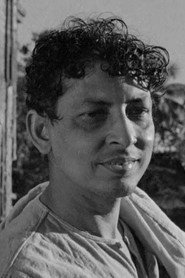 Kanu BannerjeeHarihar Roy
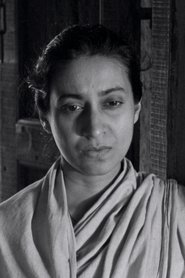 Karuna BanerjeeSarbajaya Roy
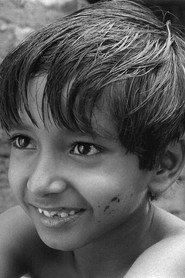 Subir BanerjeeApurba 'Apu' Roy
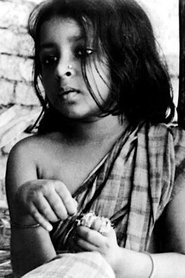 Runki BanerjeeLittle Durga Roy
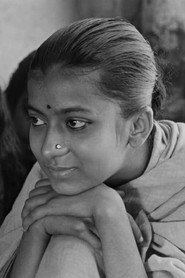 Uma DasguptaDurga Roy
- Chunibala DeviIndir Thakrun
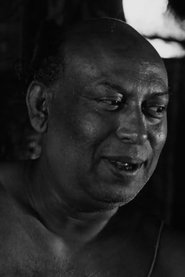 Tulsi ChakrabortyPrasanna
- Haren BanerjeeChinibas
- Binoy MukherjeeBaidyanath Majumdar
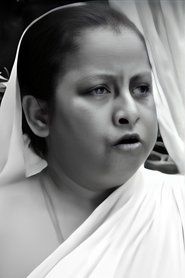 Reba DeviSeja Thakrun
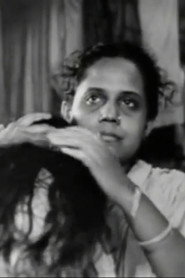 Aparna DeviNilmoni's Wife
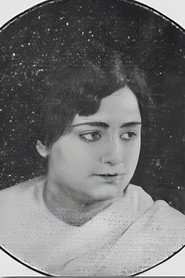 Nibhanani DeviDasi Thakurun
Directing
- Ashish BarmanAssistant Director
- Santi ChatterjeeAssistant Director
- Subir HajraAssistant Director
- Satyajit RayDirector
Writing
- Bibhutibhushan BandyopadhyayNovel
- Satyajit RayScreenplay
Production
- Bansi ChandraguptaProducer
- Satyajit RayProducer
- Anil ChoudhuryProduction Manager