
Film
The Captain from Kopenick
A 1956 German comedy about a shoemaker trapped in Kafkaesque bureaucracy who improvises a brilliant con: buying a military uniform and using it to commandeer a town hall, exposing the absurd machinery of authority through audacious impersonation. It's witty and surprisingly warm, balancing farce with genuine pathos about powerlessness and dignity.
If you liked this
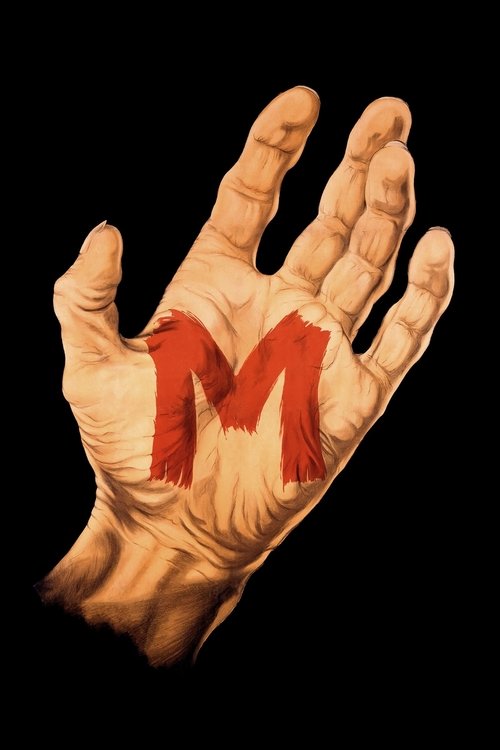
M1931
Fritz Lang's masterpiece about a child murderer hunted by both police and underworld, exploring mob justice and institutional failure with searing intelligence. The pressure-cooker atmosphere and moral complexity still feel urgent.
But The subject matter is deeply disturbing, and some scenes of police procedure will test your patience—it's a slow burn that demands concentration.
The Third Man1949
Carol Reed's Vienna-set noir about a man uncovering corruption in post-war chaos, with Orson Welles as a charming villain. The zither score, the architecture, the moral ambiguity—it's pure cinema, endlessly rewatchable.
But The plot turns on information you're given late, and some find the pacing glacial. It's also very much a film of its moment, which can feel distant now.

Singin' in the Rain1952
Gene Kelly and Donald O'Connor's anarchically joyful musical about old Hollywood, with numbers that feel like pure play. It's technically flawless and genuinely funny, never precious about its own perfection.
But If musicals feel like work rather than pleasure, nothing here will convert you. And yes, there's a love story, but it's the least interesting thing on screen.

Not sure tonight? Get a pick in a minute, starting from The Captain from Kopenick
The wildcard
Something you would not have found on your own.
The Man in the White Suit1951
Both are German-set or -made postwar comedies about an individual against an entrenched system—but where Voigt uses performance and impersonation, the scientist is crushed because he cannot compromise. Same satirical engine, opposite temperatures.
Ealing's satirical masterpiece about a scientist whose synthetic fabric never wears out—threatening the textile industry's entire economy. It's funny and intellectually sharp, skewering capitalism and labour with elegant wit. Alec Guinness is perfect.
But The satire is sometimes blunt, and the pacing can feel theatrical rather than cinematic. If you want subtlety over bright comedy, it might feel obvious.

More like this (8)
Bicycle Thieves1948
Vittorio De Sica's neorealist heartbreaker about a father and son searching Rome for a stolen bicycle—their livelihood, their dignity. It's simple, profound, and devastating in ways that linger for days.
But There's barely a plot, and it ends in a place that offers no comfort. The everyday sadness can feel relentless if you're not in the mood for it.

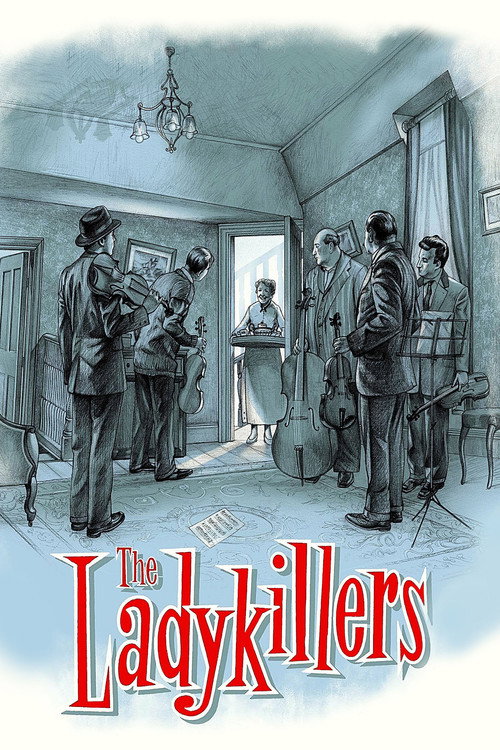
The Ladykillers1955
Ealing Studios' wickedly clever comedy about criminals posing as musicians to rob a bank, undone by a sweetly oblivious landlady. British comic timing at its absolute peak, with a script that rewards close listening.
But The humour is dry and verbal; if you need broad physical comedy or constant movement, it will feel static. Some of the gender assumptions feel very 1950s.
Pather Panchali1955
Satyajit Ray's debut about a poor Bengali family across seasons—no plot, just texture and observation and the weight of circumstance. It's heartbreaking and utterly alive, a film that taught cinema how to see.
But It's long, slow, and plotless. The poverty depicted is genuine poverty, not sanitised. It will require patience and emotional availability.

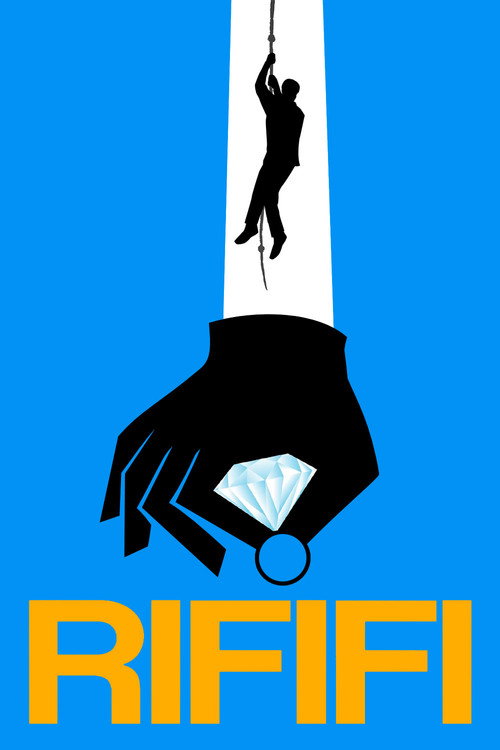
Rififi1955
Jules Dassin's stylish French heist film, famous for its twenty-minute silent robbery sequence that plays like a perfect machine. Tense, sophisticated, and visually inventive in ways that influenced everything after.
But The dialogue scenes between heists drag a bit, and the gender politics are ugly even by 1950s standards. The pacing isn't even—it peaks early.
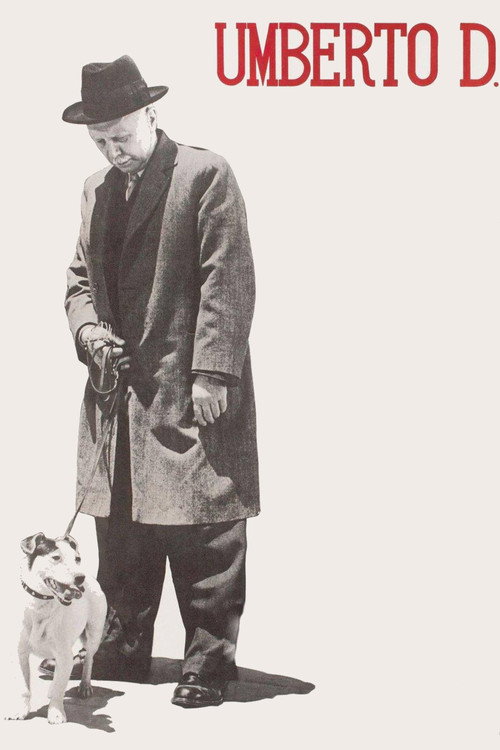
Umberto D.1952
De Sica again, this time following a pensioner and his dog through Rome as dignity crumbles. It's achingly intimate, a portrait of invisibility that strips away sentiment and just observes with terrible kindness.
But Nothing happens except slow decline. If you need narrative momentum or an arc that lifts, this will feel like drowning in real time, because that's partly the point.
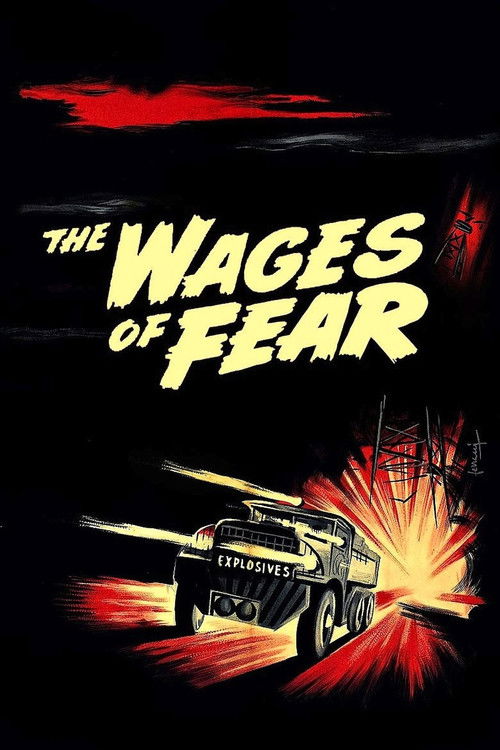
The Wages of Fear1953
Henri-Georges Clouzot's masterpiece of suspense: four men drive trucks full of nitroglycerine through South American jungle. It's procedural, tense, and so carefully constructed you can feel the sweat.
But The first half is bleak character study with no action, and some will find it self-consciously grim. It's also deeply cynical about human nature, which can feel punishing.
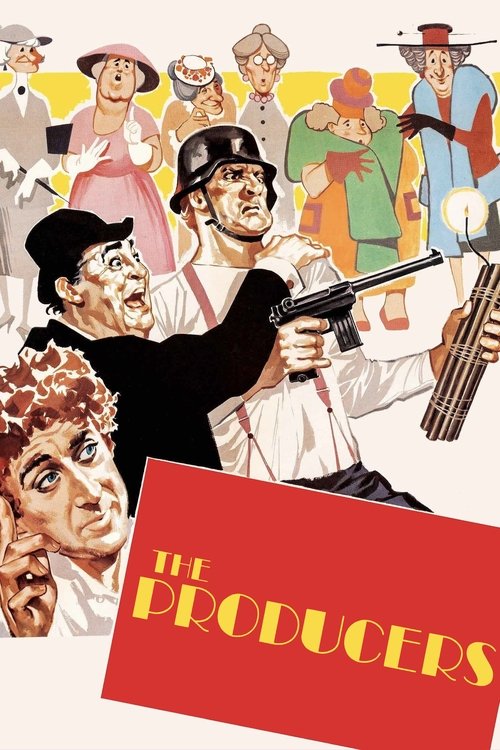
The Producers1968
Both turn on an elaborate con—dressing up as someone you're not to exploit bureaucracy and blind obedience to authority. But where the Captain is gentle and witty, Brooks is a sledgehammer. Same structure, completely different DNA.
Mel Brooks' debut about two men scheming to produce a guaranteed flop on Broadway, and accidentally creating a hit. It's obscene, anarchic, fearlessly stupid, and structured like clockwork. Zero restraint.
But The humour is broad and sometimes terrible; Brooks is uninterested in good taste. It's also very 1960s in its sensibility, which some find dated. If you need wit over noise, skip it.
Stalker1979
Both examine how power and institutional authority operate through uniforms, spaces, and ritual. But Tarkovsky strips away the humour—the zone and the Captain's town hall are both spaces where the rules suddenly apply differently, and what enters them changes. One is farce about exposure, one is a tomb of longing.
Andrei Tarkovsky's philosophical science-fiction meditation on desire, faith, and the machinery of power. A guide leads two men through a mysterious zone to a room that grants wishes. It's slow, hypnotic, visually transcendent—cinema as metaphysics.
But It's 160 minutes, shot at Tarkovsky's glacial pace, with long takes of Soviet landscapes and philosophical dialogue. If you need plot momentum or conventional beauty, you will suffer.

People
Cast
 Heinz RühmannWilhelm Voigt
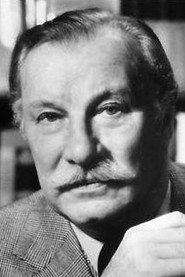 Martin HeldDr. Obermüller
 Hannelore SchrothMathilde Obermüller
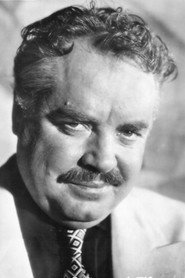 Willy A. KleinauFriedrich Hoprecht
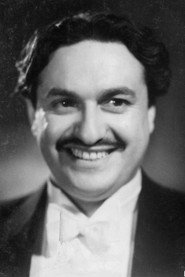 Leonard SteckelAdolph Wormser
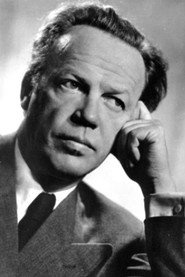 Friedrich DominZuchthausdirektor
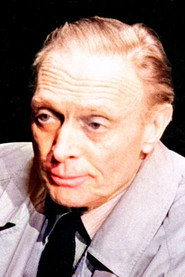 Erich SchellowCapt. von Schlettow
 Walter GillerWilly Wormser
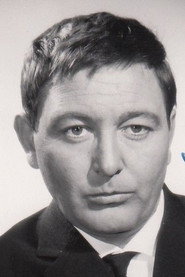 Wolfgang NeussZuchthäusler Kallenberg
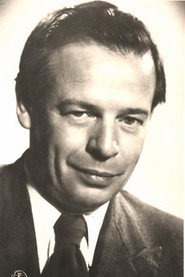 Bum KrügerSchutzmann Kilian
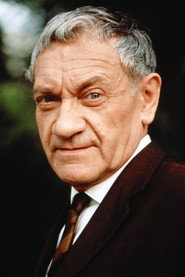 Joseph OffenbachWabschke
- Ilse FürstenbergMarie Hoprecht, Voigts sister
Directing
- Helmut KäutnerDirector
Writing
- Carl ZuckmayerScreenplay
- Helmut KäutnerScreenplay
- Carl ZuckmayerTheatre Play
Production
- Gyula TrebitschProducer