
Film
Carnival in Flanders
- Comedy
- Light-hearted
A 1935 French masterpiece about a small Flemish town preparing for an unwelcome Spanish dignitary's visit. When the men panic and hide, the women take charge—with charm, wit, and theatrical flair—to turn potential occupation into celebration. It's a film of sparkling sophistication and subversive joy, where femininity becomes strategy and a carnival becomes resistance.
If you liked this
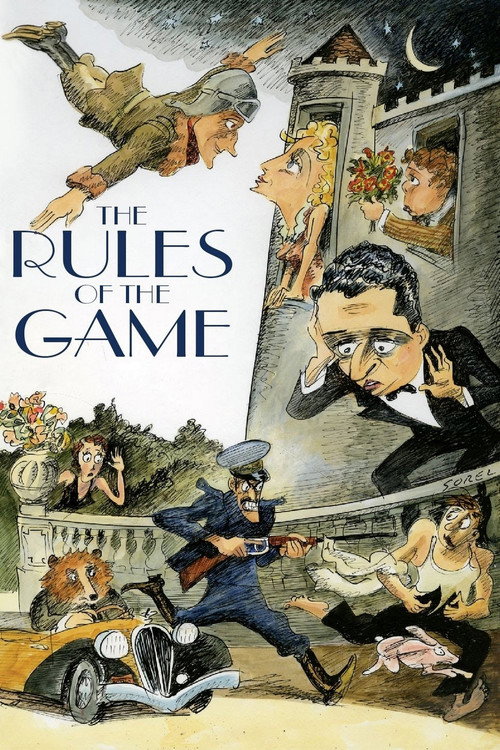
The Rules of the Game1939
Renoir's greatest work shares Carnival's gift for ensemble comedy and profound social observation. A masquerade ball becomes a mirror for French society, with the same blend of gaiety and melancholy, farce and truth.
But It's famously long and digressive. The plot meanders; the point is in the texture, not the trajectory. Some find it slow-moving.
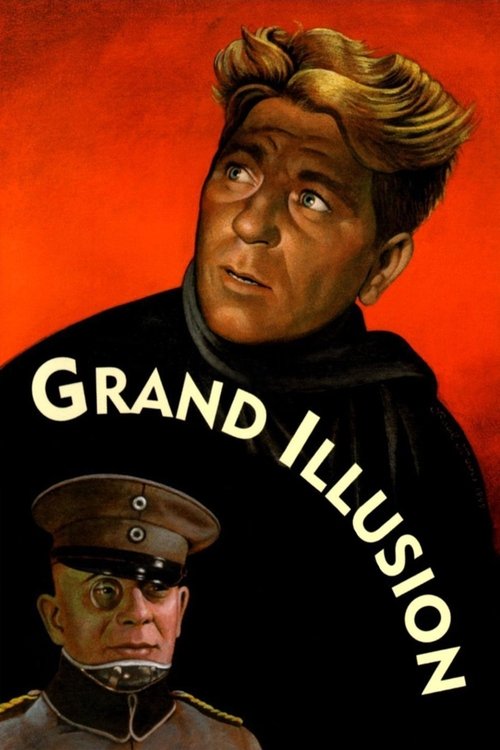
Grand Illusion1937
Another Renoir masterwork set amid conflict and performance, where dignity and human connection matter more than ideology. The same elegant handling of tension, the same faith in human nature despite everything.
But It's a war film first, and its pacing is deliberate. If you want action or clear villainy, you'll be disappointed by its melancholy restraint.
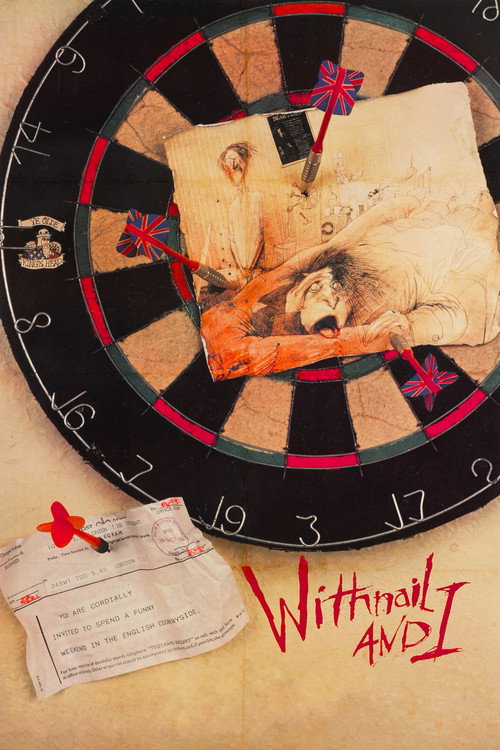
Withnail & I1987
A comedy about characters performing competence they don't possess, hiding from consequence through charm and bluster. The scheming, the desperation masquerading as sophistication—it's the same game, different century.
But It's British, rambling, and obsessed with getting drunk. The humour is dry and often aimed at the protagonists' failure, not their triumph.
Not sure tonight? Get a pick in a minute, starting from Carnival in Flanders
The wildcard
Something you would not have found on your own.
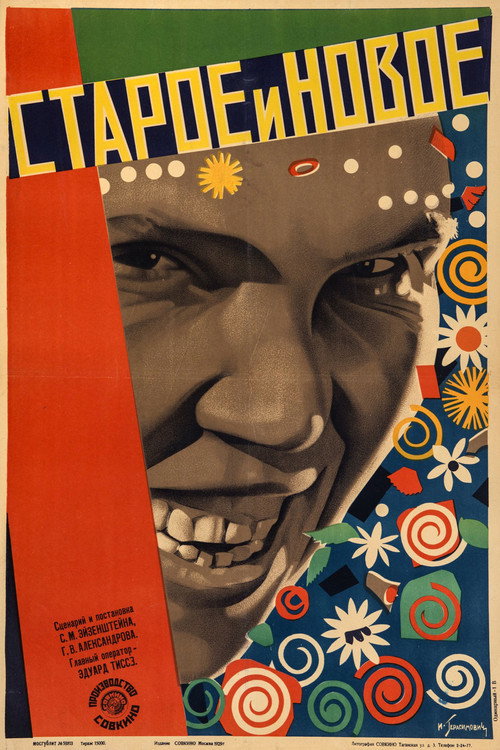
The General Line1929
Both are films about communities facing external pressure and choosing collective action over individual fear. But where Carnival is Western bourgeois comedy, Eisenstein is revolutionary manifesto. Together they show how form and ideology shape what stories a cinema can tell.
Eisenstein's Soviet film about peasants and machinery, but what matters here is his technique: montage creates meaning, rhythm carries emotion, the image speaks before dialogue. Watch Carnival again after this and see how it moves.
But It's avant-garde and ideological. Silent film grammar feels alien now; the montage aesthetic demands an active, patient viewer. The politics are explicit and didactic.
More like this (7)
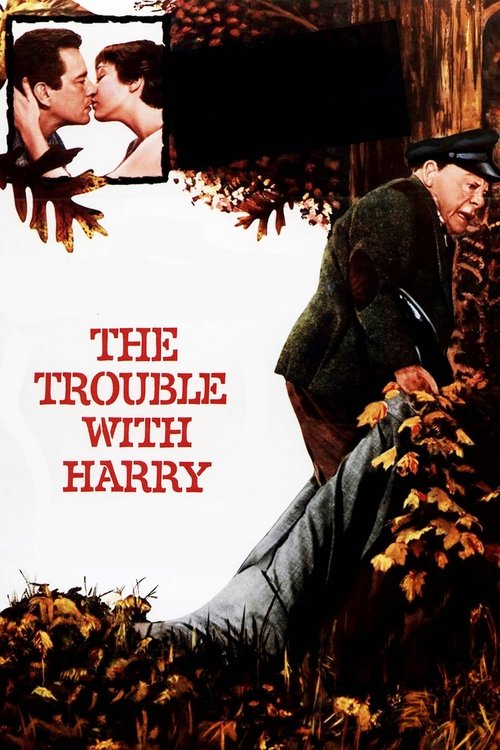
The Trouble with Harry1955
Hitchcock's only out-and-out comedy, where a small town's women solve problems through pragmatism and clear thinking while the men fret. The tonal control—balancing murder with whimsy—is masterful.
But As a Hitchcock film it completely lacks suspense or darkness. Some find the cuteness cloying; others want a real mystery underneath.
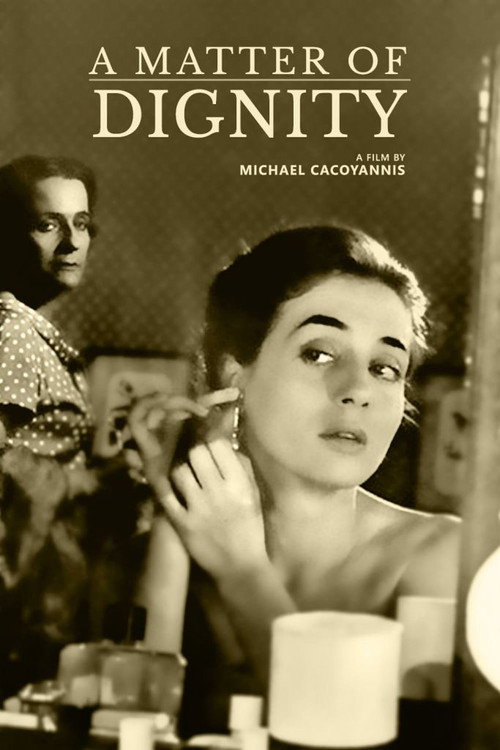
A Matter of Dignity1958
A Greek film about a widow navigating society through intelligence and performance, where femininity is weaponized as strategy. Similar in its portrait of women's agency within constrained circumstances.
But It's formally austere compared to Carnival's exuberance. The tone is dry and the emotional register cooler, which some find less engaging.
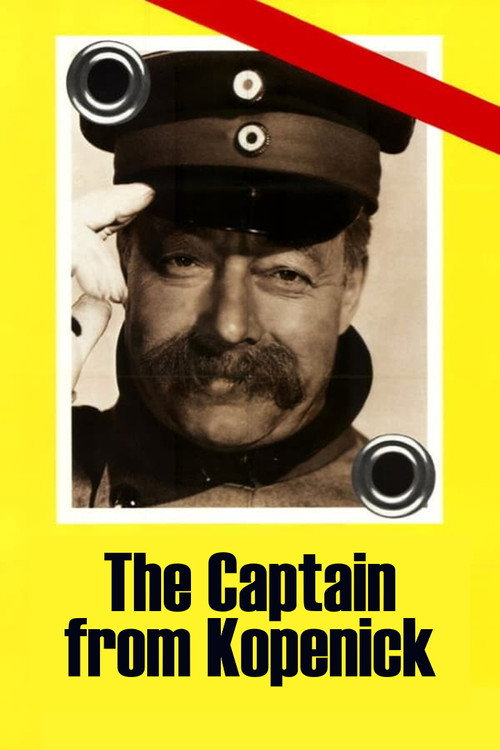
The Captain from Kopenick1956
German comedy-drama about an outsider using costume and performance to outsmart authority. The same delight in subversion through theatre, the same examination of how societies fall for pageantry.
But It's more overtly satirical and less charming. The story is built on deception in ways that feel darker and less playful than Carnival.
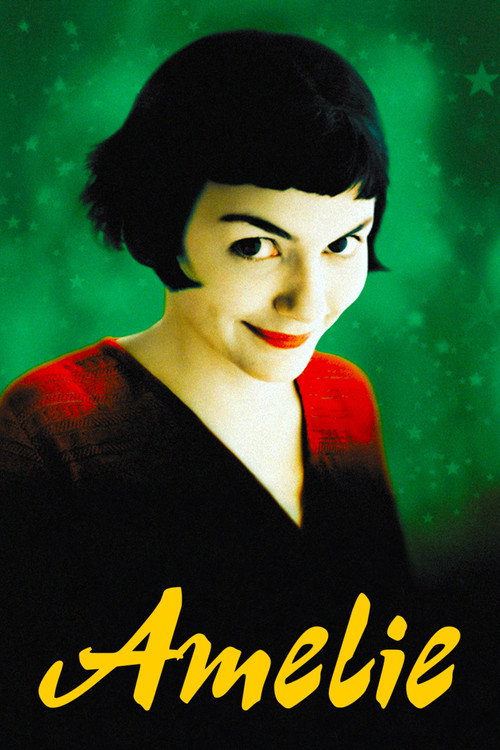
Amélie2001
A love letter to Paris and small-town magic, full of theatrical invention and feminine ingenuity. The same sense of the everyday world as stage, the same joy in small rebellions.
But It's whimsical to the point of artificiality for some viewers. The fantasy element and the quirk can feel overwrought or precious.
Singin' in the Rain1952
Pure cinema joy, where performance and reality collide. The film is constantly aware it's a film; everyone's playing a part. That reflexive, joyful theatricality runs through both.
But It's pure entertainment with no pretence at depth. If you want substance or complexity, the surface pleasures might feel thin.

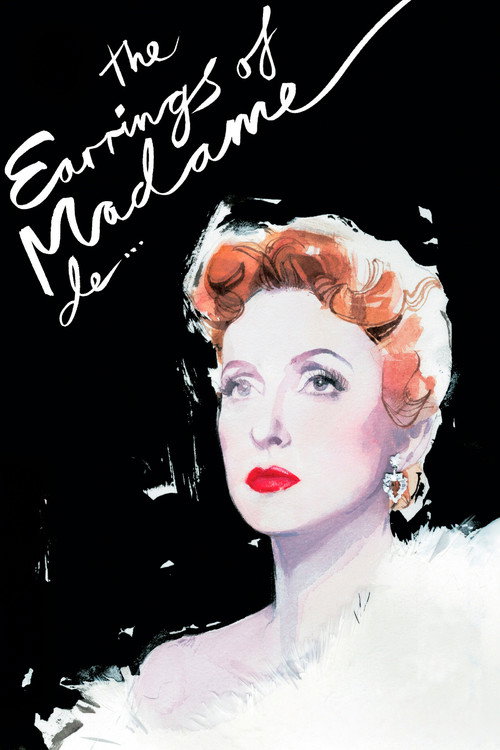
The Earrings of Madame de...1953
French cinema at its peak: a woman's agency expressed through objects and performance, set in a world of elaborate social rituals. The same elegance, the same understanding of how women navigate constraint.
But It's slow, intricate, and demands attention. The moral ambiguity and the tragic trajectory might feel less satisfying than Carnival's victory.
The Leopard1963
Both films give you a community in crisis responding through spectacle and ceremony. Both feature a ball as the key scene. But where Carnival's women triumph through scheming, Visconti's aristocrats are trapped by their own codes. The wildcard here is tonal: the same structure, opposite emotional outcome.
Visconti's masterpiece about an aristocratic family navigating social collapse through grace and adaptation. A ball becomes the centrepiece—spectacle as survival strategy. The same understanding of how ritual holds society together.
But It's three hours, operatic, and concerned with decay and loss. Where Carnival celebrates resistance, Leopard mourns the inevitable end of an order. The mood is elegiac, not joyful.

People
Cast
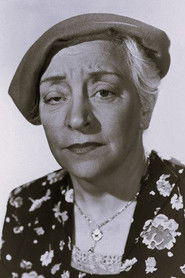 Françoise RosayMadame Burgomaster
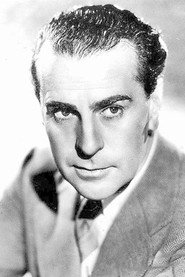 Jean MuratThe Duke of Olivares
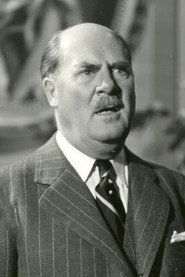 André AlermeThe Burgomaster
- Lyne CleversThe Fishmonger
 Micheline CheirelSiska
- Maryse WendlingThe Baker
- Ginette GaubertThe Innkeeper
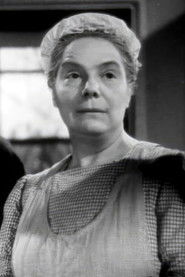 Marguerite DucouretThe Brewer
 Louis JouvetThe Priest
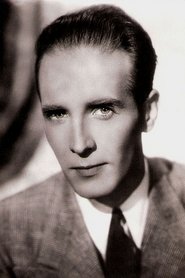 Bernard LancretJulien Breughel
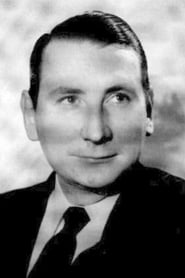 Alfred AdamThe Butcher
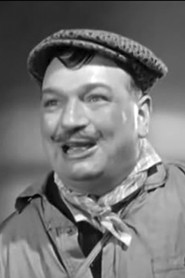 Pierre LabryThe Innkeeper
Directing
- Charles BarroisAssistant Director
- Marcel CarnéAssistant Director
- Jacques FeyderDirector
Writing
- Bernard ZimmerDialogue
- Charles SpaakNovel
- Robert A. StemmleScreenplay
Production
- Pierre GuerlaisProduction Director