
Film
Grand Illusion
Jean Renoir's meditation on the codes gentlemen keep even as their world ends. Set in WWI POW camps, it's less about escape than about a vanishing aristocracy that French and German officers cling to across enemy lines. Elegant, humane, quietly devastating rather than thrilling — a war film almost without violence, made as fascism rose.
If you liked this
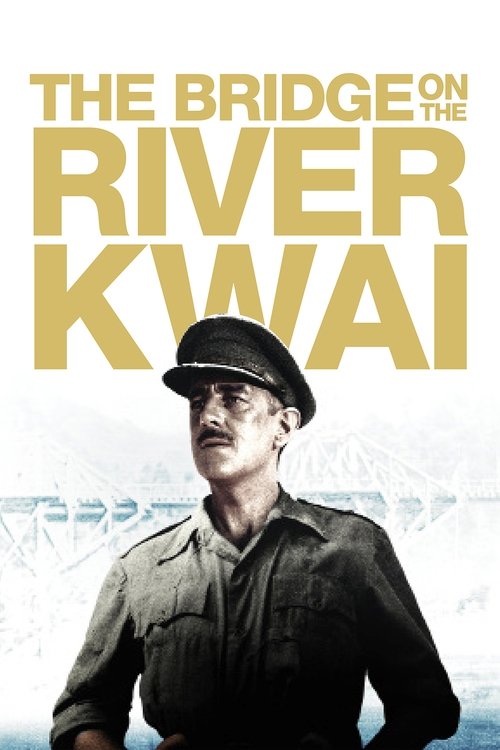
The Bridge on the River Kwai1957
Another prisoner-of-war drama built on codes of honour, where a British officer's professional pride becomes both his dignity and his undoing. Same fascination with what men owe their captors and themselves.
But Grander and more action-driven, with a jungle climax that trades Renoir's restraint for spectacle and irony.
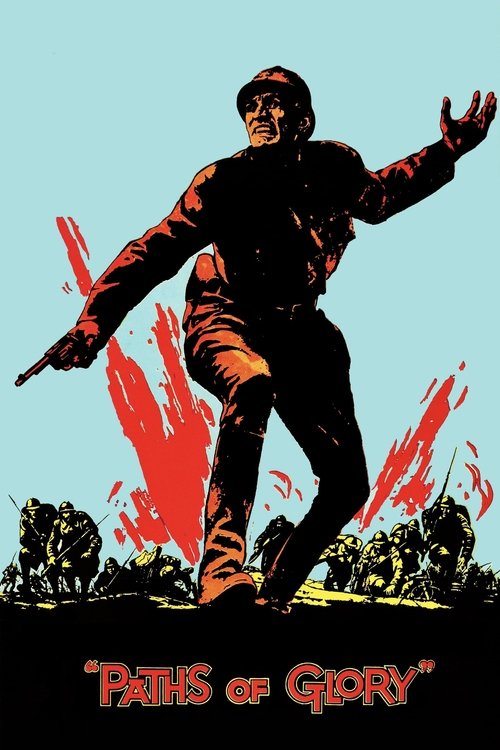
Paths of Glory1957
Kubrick's furious WWI drama shows the class system Grand Illusion treats gently being used to condemn ordinary soldiers to death for officers' vanity. Bitter, precise, unforgettable filmmaking.
But Angrier and colder than Renoir's film — there's no warmth here, only outrage.
Joyeux Noel2005no page yet
A dramatization of the real WWI Christmas truce, where enemy soldiers share songs and drinks before returning to killing each other. Same ache: humanity persisting briefly inside a machine built to erase it.
But Sentimental in places, and its multiple national perspectives can feel a little schematic.
The wildcard
Something you would not have found on your own.
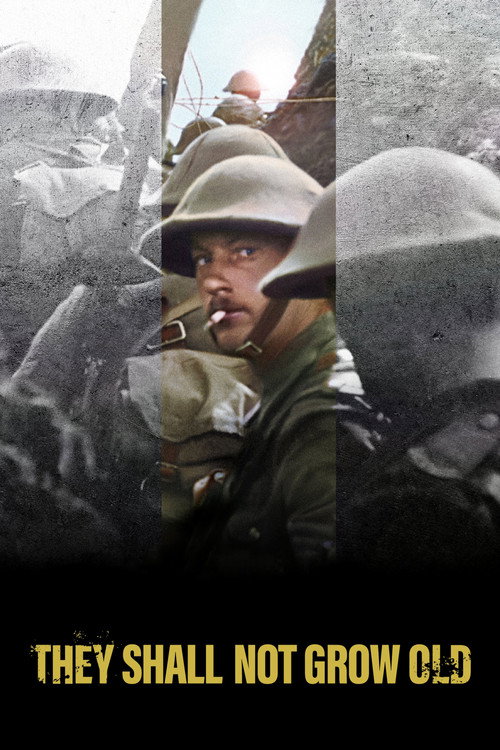
They Shall Not Grow Old2018
Grand Illusion's civility exists because its officers are insulated from the trenches; this film puts you back in them, showing exactly what the illusion was protecting everyone from.
Peter Jackson restored and colourised real WWI combat footage, syncing lip-read dialogue so the soldiers speak for themselves. It's the unfiltered ground truth beneath every gentlemanly conversation in Renoir's officers' quarters.
But No narrative, no characters to follow — just relentless, unglamorous documentary footage of the war Renoir mostly keeps off-screen.
More like this (8)
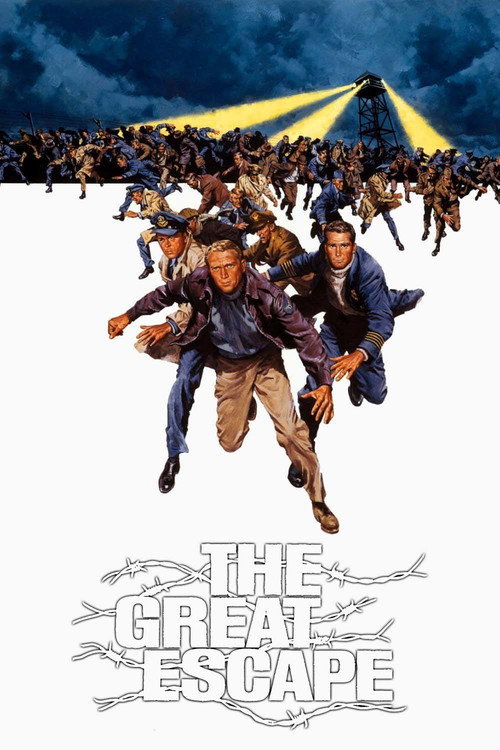
The Great Escape1963
The definitive escape movie, all camaraderie, tunnels and cheek, made by men who'd actually served. If Grand Illusion is escape as elegy, this is escape as thrilling, funny adventure.
But Broad and heroic in an American register — the moral shading of Renoir's officers is mostly absent.
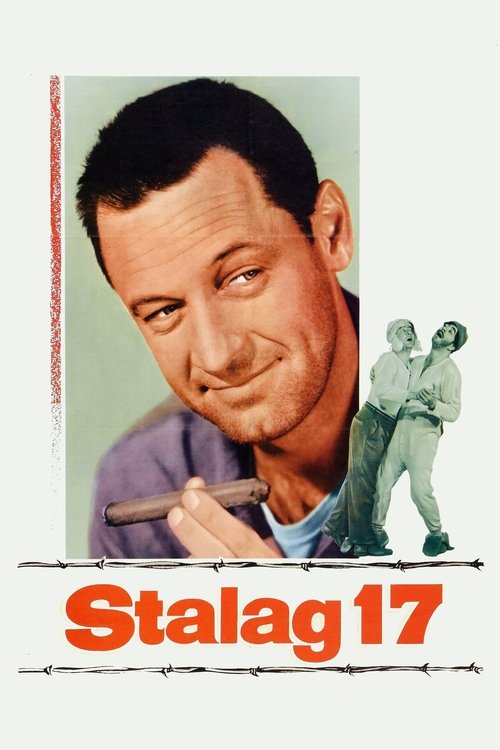
Stalag 171953
Billy Wilder's POW camp drama mixes suspicion, comedy and menace inside barracks life, with a cynical schemer standing in stark contrast to Renoir's gentleman officers. Sharper, funnier, more paranoid.
But Its wisecracking energy and thriller plotting are a world away from Renoir's melancholy pacing.
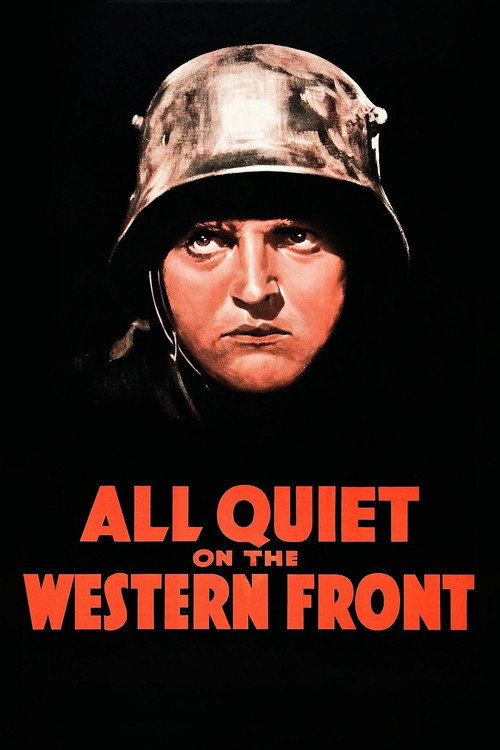
All Quiet on the Western Front1930
Made just seven years before Grand Illusion, this is the trench-level counterpart — young German soldiers ground down by a war that promised glory and delivered mud. Essential and devastating.
But Rougher and more brutal, with none of Renoir's aristocratic wit to soften the horror.
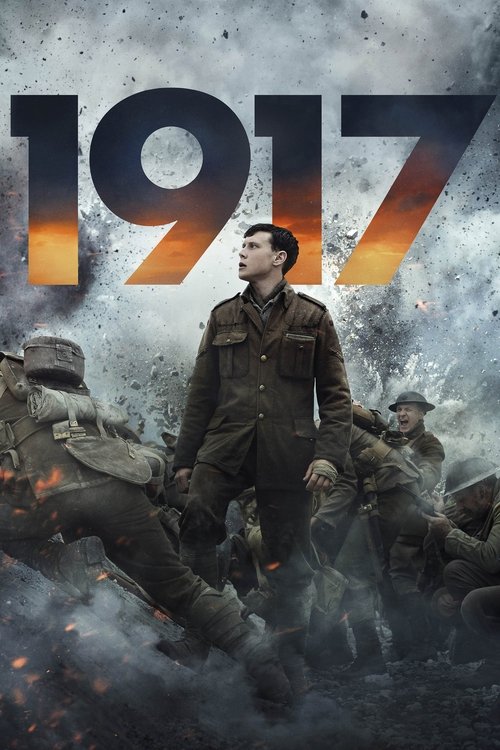
19172019
A visually audacious, real-time WWI mission film that makes the war's chaos and dread viscerally present, in a way Renoir's talky camps never attempt. A fine companion for the war Grand Illusion keeps offscreen.
But It's a technical showpiece first, characters second — the opposite of Renoir's dialogue-driven intimacy.
The Colditz Story1955no page yet
A brisk, very British account of real escape attempts from a supposedly escape-proof German fortress, with the same stiff-upper-lip class comedy simmering beneath the tension.
But Slighter and more procedural than Renoir's film — it's interested in mechanics, not mourning.
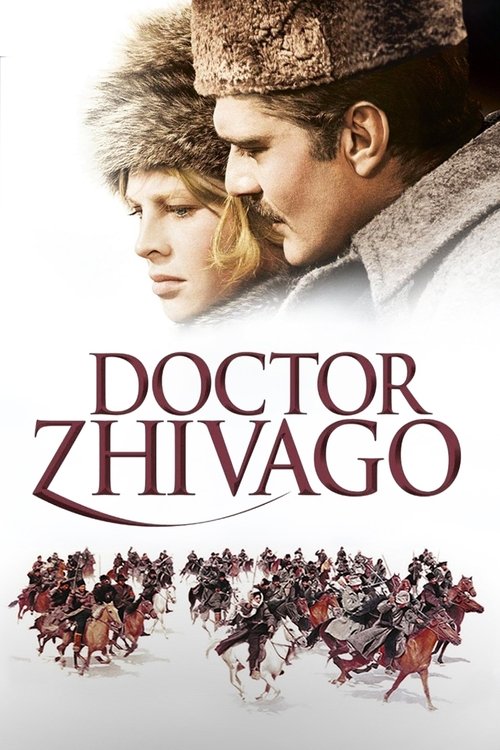
Doctor Zhivago1965
A sweeping epic about a vanishing aristocracy swept away by a war and revolution it never saw coming — the class collapse Renoir sketches quietly, this one paints across a continent.
But Three hours of lush romantic epic is a very different commitment to Renoir's tight, talky 114 minutes.
Hogan's Heroes1965no page yet
Both hinge on courtly, almost fond relationships between captors and captives; Hogan's Heroes takes that same dynamic and drains it of tragedy, revealing how close Renoir's tenderness sits to farce.
An American sitcom set in a German POW camp where Allied prisoners run rings around a bumbling commandant — the same premise as Renoir's film, played entirely for laughs rather than elegy.
But Broad, laugh-tracked 60s TV comedy with zero interest in the moral weight Renoir takes seriously — some find the tonal gap in poor taste.
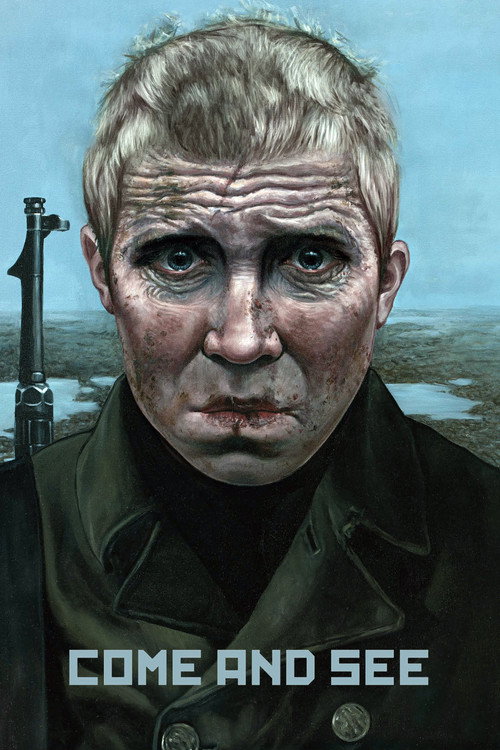
Come and See1985
Renoir mourns a code of gentlemanly warfare already dying in 1914; this film shows the world that replaced it, once illusion and honour are both gone entirely.
A Belarusian film following a boy through the atrocities of Nazi occupation, unflinching and nightmarish, with almost no relief. It shows what war becomes once every code of honour has been abandoned.
But Genuinely harrowing, one of the most disturbing war films ever made — not a comfortable or gentle watch.
People
Cast
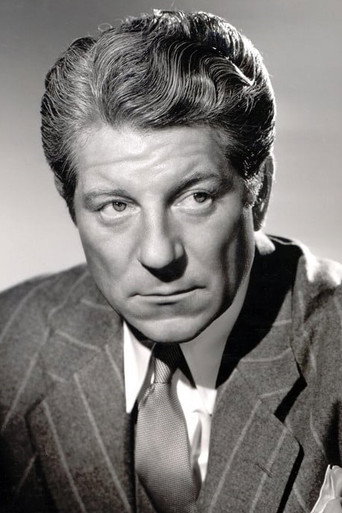 Jean GabinLieutenant Maréchal
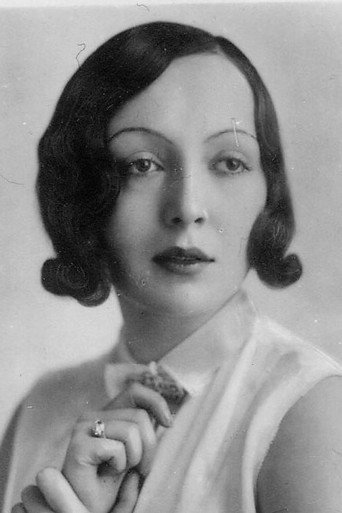 Dita ParloElsa
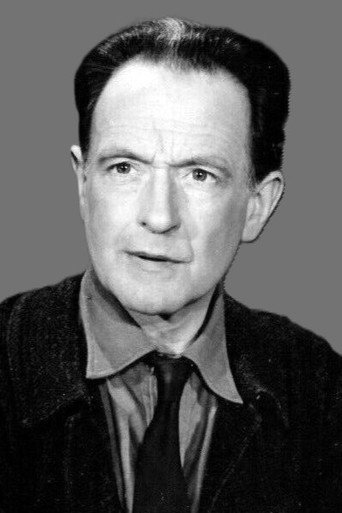 Pierre FresnayCaptain de Boëldieu
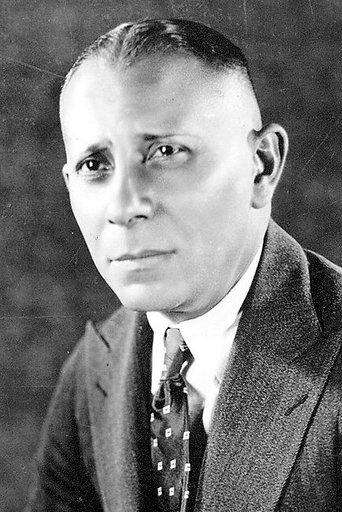 Erich von StroheimCaptain von Rauffenstein
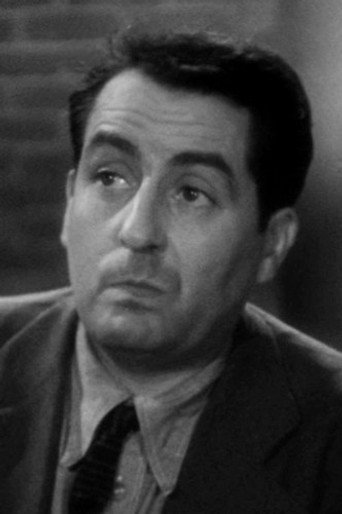 Julien CaretteCartier, the Vaudeville Performer
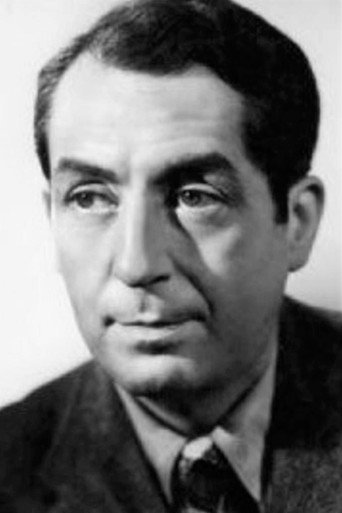 Georges PécletOfficer
- Werner FlorianSergeant Arthur
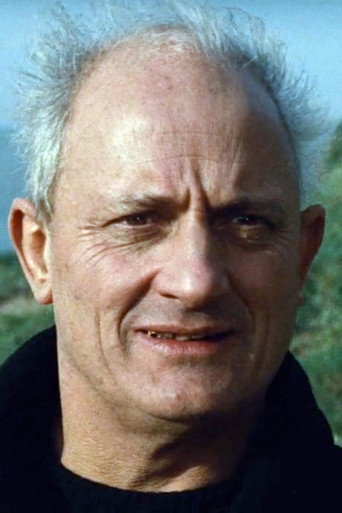 Jean DastéTeacher
- Sylvain ItkineLieutenant Demolder
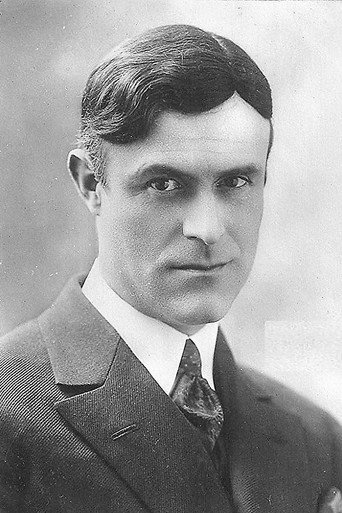 Gaston ModotEngineer
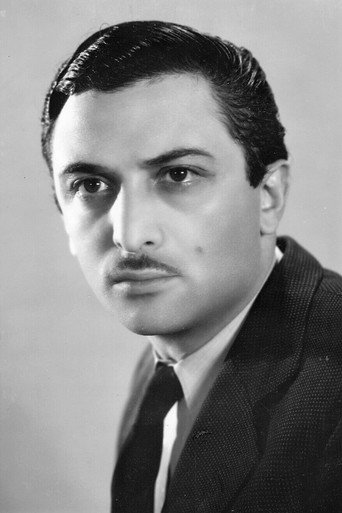 Marcel DalioLieutenant Rosenthal
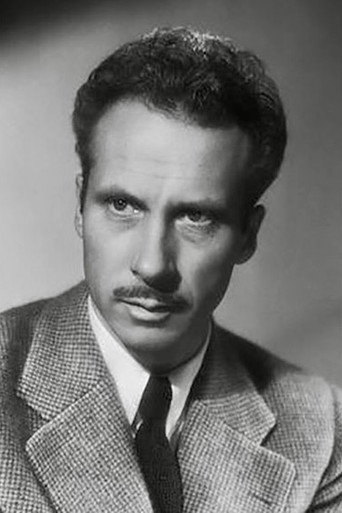 Jacques BeckerBritish Officer (uncredited)
Directing
- Jean RenoirDirector
- Jacques BeckerFirst Assistant Director
- Françoise GiroudScript Supervisor
- Robert RipsSecond Assistant Director
Writing
- Charles SpaakWriter
- Jean RenoirWriter
Production
- Pierre BlondyGeneral Manager
- Maurice BarnathanLocation Manager
- Albert PinkovitchProducer
- Frank RollmerProducer
- Raymond BlondyProduction Manager
Recommended by
A Man Escaped, Casablanca, Big Deal on Madonna Street, All Quiet on the Western Front, The Bridge on the River Kwai, Stalag 17, The Rules of the Game, Oh! What a Lovely War, Letters from Iwo Jima, The Big Parade, Breaker Morant