
Film
All Quiet on the Western Front
Other titles called All Quiet on the Western Front: the 1930 film, the 2022 film.
- War drama
- Very dark
A 1979 American TV film adaptation of Remarque's anti-war classic, following a German schoolboy's disillusionment as he discovers that patriotic ideals shatter against the mechanical horror of trench warfare. Intimate and unflinching, it watches a young man lose his innocence and his faith in the adults who sent him to die. Essential viewing for anyone who needs reminding what war actually costs.
Should you watch it?
Watch it if you want a war story told through ordinary young men's loss of innocence, with long patient scenes of camaraderie and dread rather than set-piece battles, and you don't mind a 1979 TV-movie look.
Skip it if you want a fast, action-driven war film; this one moves slowly through barracks life and trench waiting, and its 150-minute length asks for real patience.
What it asks of you: Settle in for a long, unhurried watch that lingers on quiet moments between men, then lets the grim weight build steadily rather than arriving in sudden bursts.
Not sure? Find tonight's pick in a minute.
If you liked this
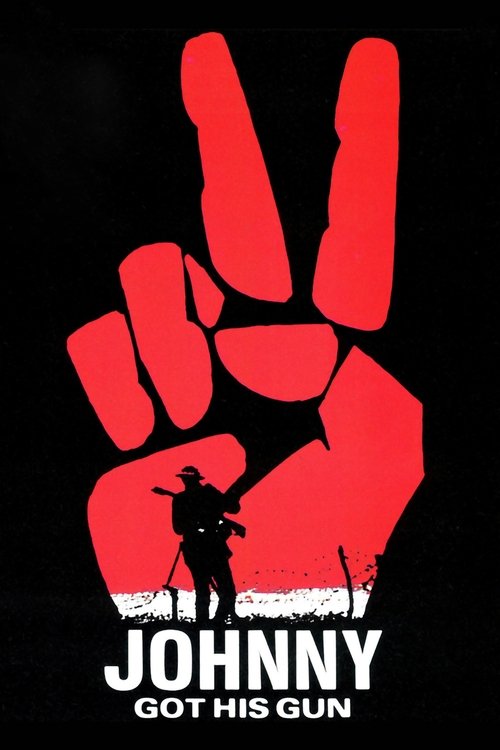
Johnny Got His Gun1971
A more radical anti-war statement: a soldier so catastrophically wounded he becomes trapped in his own body, conscious but completely paralyzed. Dalton Trumbo's direction is audacious, the moral argument is shattering, and the final scene will haunt you.
But Visually experimental in ways that can feel dated or alienating. The middle section is deliberately, punishingly bleak. Not a comfortable watch.
Come and See1985
A Soviet film that follows a boy conscripted into WWII, watching his soul erode through acts of witnessed brutality. More visceral and modern than *All Quiet*, it does what anti-war cinema should: make war feel obscene and unforgivable.
But Extremely graphic violence and assault. The film is deliberately hard to sit through—that's the point, but it's still punishing. Not recommended if you're already fragile.

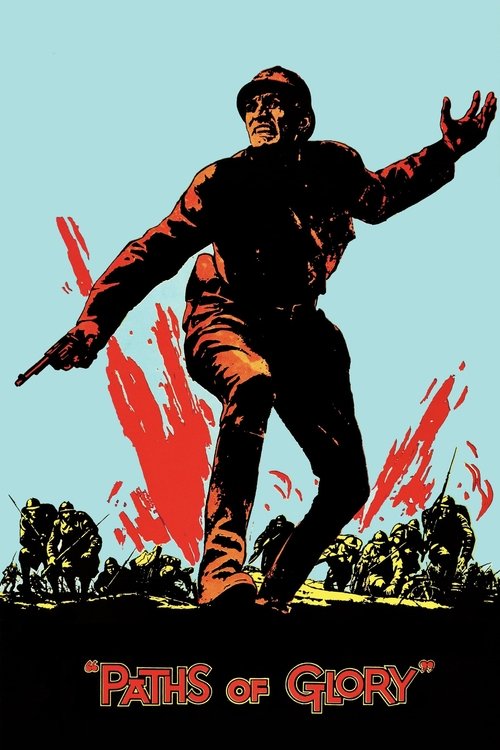
Paths of Glory1957
Kubrick's WWI masterpiece about the absurdity of military hierarchy, focusing on soldiers ordered to take an impossible position, then scapegoated when they fail. A perfect companion to *All Quiet*: same war, different angle on how soldiers get destroyed.
But The ending is brief but devastating in a way some find too neat. The first half is procedural and can feel slow if you're not locked in.
Not sure tonight? Get a pick in a minute, starting from All Quiet on the Western Front
The wildcard
Something you would not have found on your own.
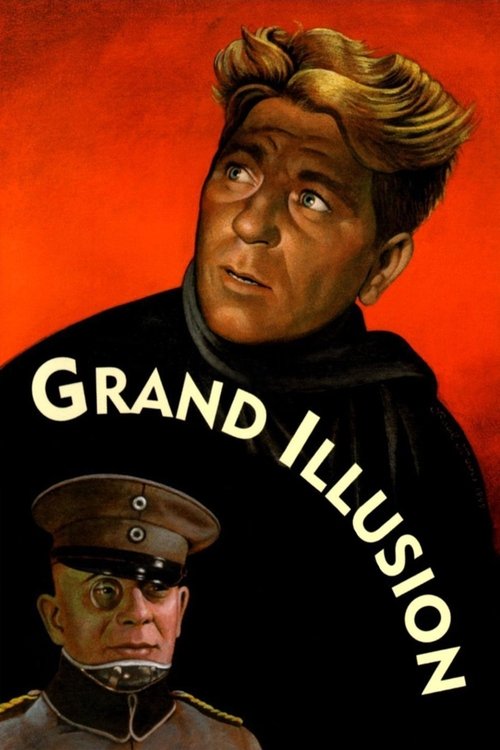
Grand Illusion1937
Both center on the individual consciousness of soldiers and the realization that the people they're fighting aren't enemies—they're just people. Both argue that war's real crime is what it does to the potential for human connection.
Renoir's masterpiece about French and German prisoners of war, finding unexpected humanity and brotherhood in a POW camp. If *All Quiet* shows the frontline, this shows what happens when the machinery of war pauses—and it's almost more moving because of that pause.
But Not a combat film. Some expect action and find only conversation and quiet moments. Very long, and the subtitles demand active watching. Pre-war French cinema pacing is different from modern film.
More like this (7)
Gallipoli1981
Peter Weir tracks two young Australian runners toward the disastrous Gallipoli campaign of WWI. It captures the same youthful idealism and the same brutal reckoning, with extraordinary cinematography and genuine emotional weight.
But The final twenty minutes are almost unbearable—by design. If you need catharsis rather than devastation, this won't provide it.
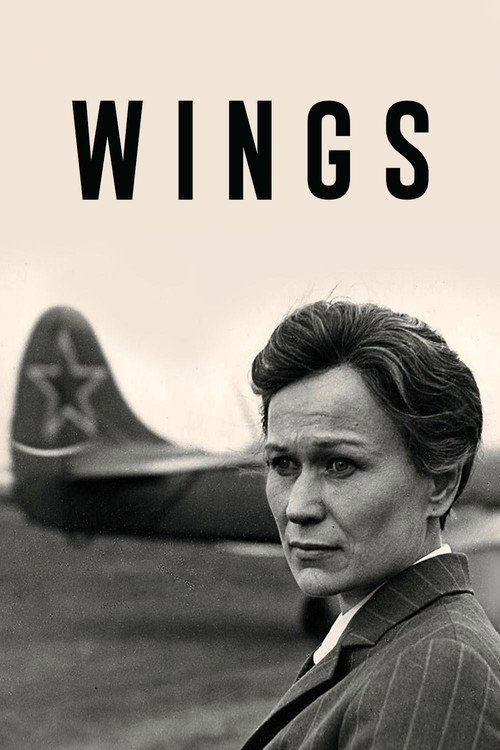
Wings1966
A Soviet film about a former pilot haunted by memories of aerial combat and the friends she lost. Formally inventive, lyrical even when dealing with trauma. A study of how war damage persists long after the fighting stops.
But Deliberately dreamlike and non-linear. If you need straightforward narrative, this will frustrate you. Subtitled, which requires attention.
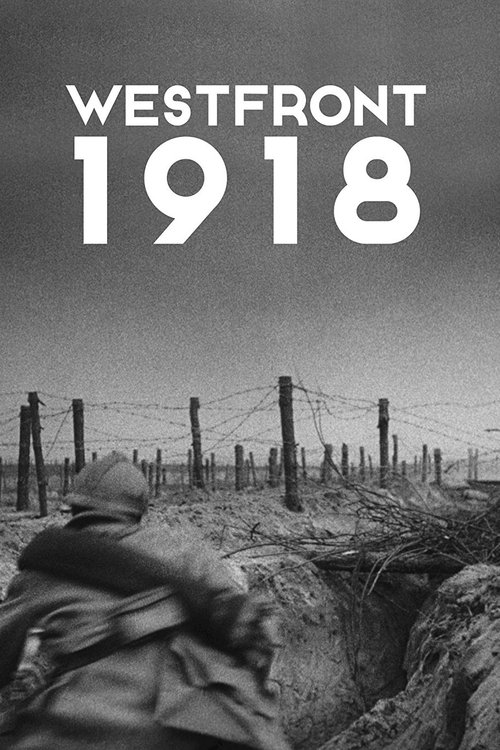
Westfront 19181930
G.W. Pabst's 1930 film predates *All Quiet* and covers similar ground with stark, almost documentary-like realism. German infantrymen in the final year of WWI, no heroics, just the grinding daily hell. A historical artifact and a great film.
But Silent-era pacing and German Expressionist staging can feel mannered. The image quality varies depending on the print. Not as immediately accessible as later adaptations.
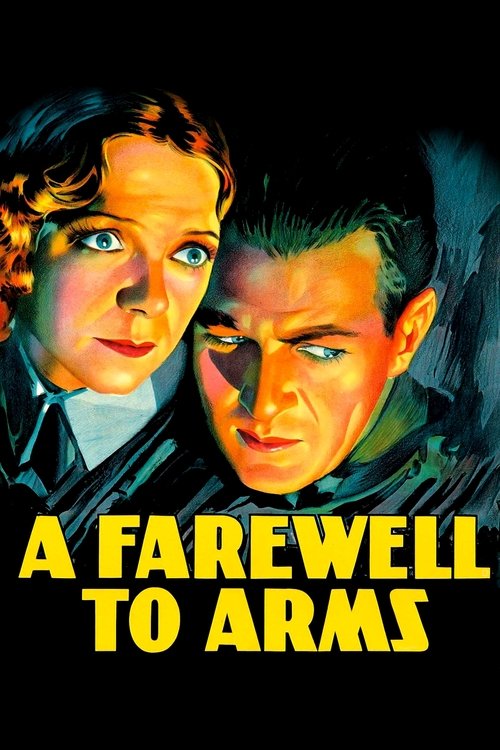
A Farewell to Arms1932
Borzage's Hemingway adaptation focuses on an American ambulance driver and a British nurse during WWI—love as a counterweight to the war's meaninglessness. Surprisingly tender without being sentimental. A different emotional register, same truthfulness.
But The romantic plot might feel like a distraction if you're looking for pure anti-war statement. The technical quality is very early-1930s.
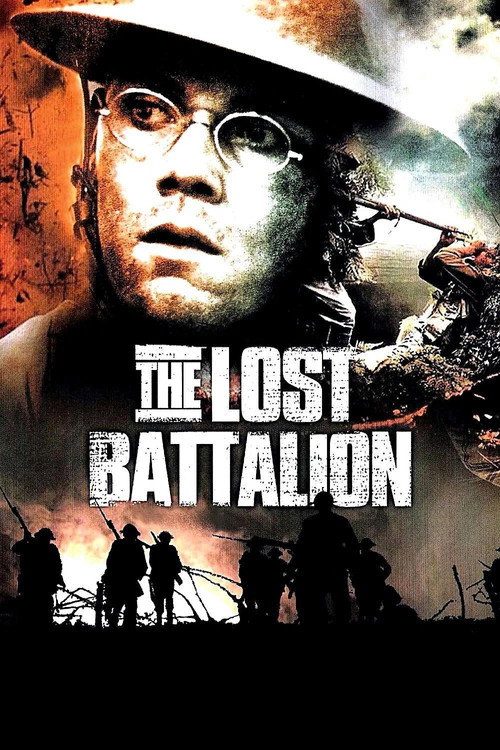
The Lost Battalion2001
A TV movie about an American unit cut off and surrounded in the Meuse-Argonne offensive of 1918. Tight, focused, with strong ensemble acting. Captures the claustrophobia and confusion of combat with real skill.
But Straightforward in approach—not formally adventurous. Some viewers find TV-movie acting less convincing than theatrical film acting. Lower budget shows in places.
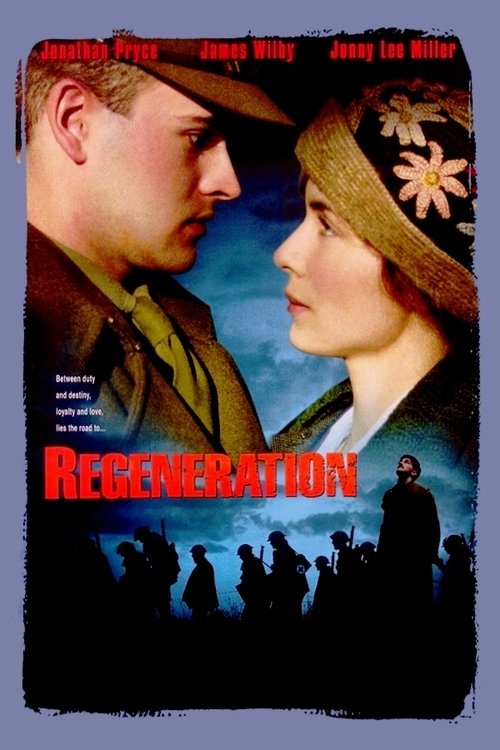
Regeneration1997
Pat Barker's novel adapted: shell-shocked soldiers in a Scottish hospital confronting trauma and the question of whether returning to the front is healing or complicity. Quietly devastating, with Jonny Lee Miller and Stuart Bunce excellent.
But Slower and more introspective than battle scenes would suggest. The psychology matters more than plot, which some find undramatic. Visually quite grey and austere.
A Prophet2009
Same story shape: the initiation into a closed system that runs on violence and hierarchy, the loss of individual conscience as a survival mechanism, the realization that the institution was always designed to break you. *All Quiet* is about war's dehumanization; *A Prophet* is about how any total institution does the same work.
Jacques Audiard's brutal prison film about a young man entering the system and learning to survive by becoming a predator. Not war, but structurally identical to *All Quiet*: a naive youth entering an institution, learning that the rules of normal life don't apply, becoming hardened or destroyed by a system that has no interest in his humanity.
But A film about prison, not war—if you want historical engagement with WWI, this will feel like a swerve. French film, subtitled. Some sexual violence. Very dark.

People
Cast
 Richard ThomasPaul Bäumer
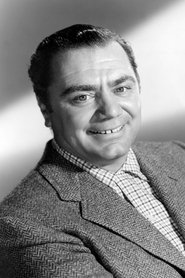 Ernest BorgnineStanislaus Katczinsky
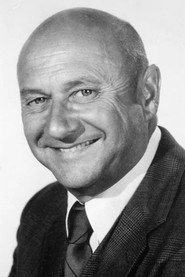 Donald PleasenceKantorek
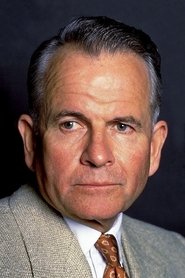 Ian HolmHimmelstoss
 Patricia NealPaul's Mother
 Paul Mark ElliottJosef Behm
 David BradleyAlbert Kropp
- Matthew EvansFriedrich Muller
- George WinterFranz Kemmerich
 Dominic JephcottPeter Leer
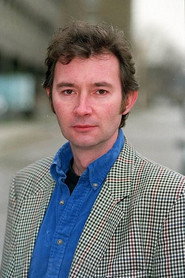 Mark DrewryTjaden
- Colin MayesWesthus
Directing
- Delbert MannDirector
Writing
- Erich Maria RemarqueNovel
- Paul MonashScreenplay
Production
- Irene LambCasting
- Martin StargerExecutive Producer
- Norman RosemontProducer
Recommended by
Cross of Iron, Joyeux Noel, Memphis Belle, Regeneration, Aces High, The Young Lions, Danger UXB