
Film
All Quiet on the Western Front
Lewis Milestone's adaptation of Erich Maria Remarque's novel is the granddaddy of anti-war cinema, made just twelve years after the armistice by people who'd lived it. Silent-era theatrical instincts collide with early sound technology to eerie effect — long static shots of trench horror, sudden bursts of gunfire. It's slow by modern standards but its bluntness about the death of idealism still lands like a gut-punch.
If you liked this
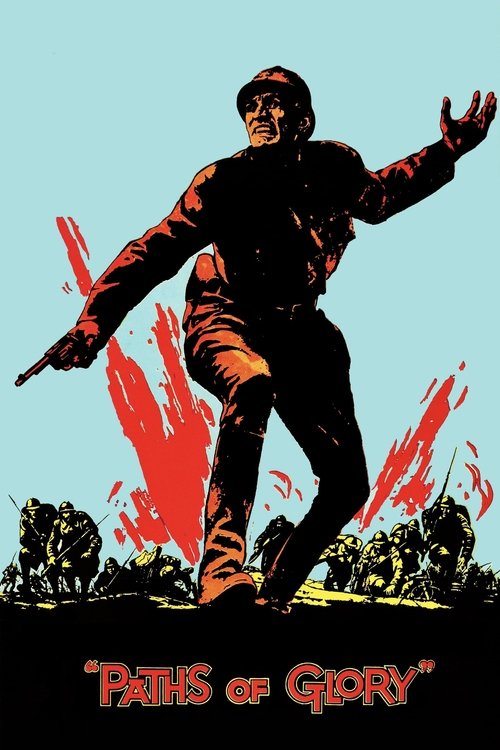
Paths of Glory1957
Kubrick's fury at military hypocrisy is the direct descendant of Remarque's disgust — same war, same trenches, but now aimed squarely at the officers who send boys to die for nothing.
But Cold, procedural, and relentlessly bleak — there's no comfort offered anywhere in it.
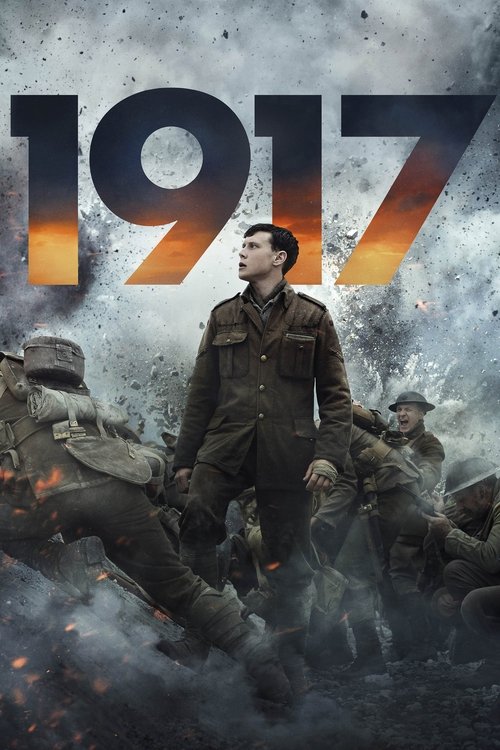
19172019
A technical marvel that drags you through the trenches in what feels like real time, using immersive spectacle to achieve the same dread All Quiet built with stillness and silence.
But The one-shot gimmick can feel like the point of the film rather than a means to an end.
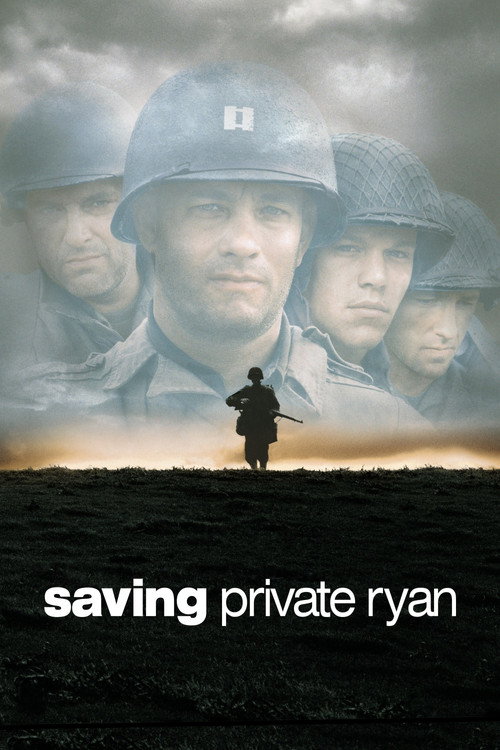
Saving Private Ryan1998
Spielberg's opening twenty minutes redefined how visceral war on screen could be — the logical modern extension of what Milestone was reaching for with 1930s technology.
But Its sentimentality in the back half sits oddly against the brutal realism of its opening.
The wildcard
Something you would not have found on your own.
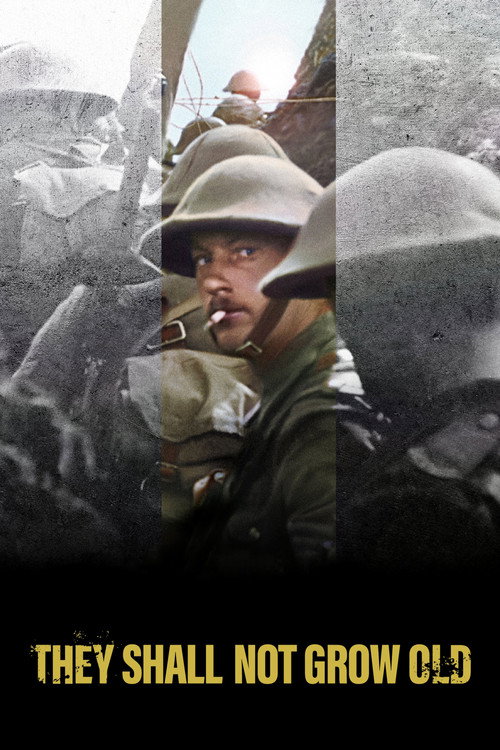
They Shall Not Grow Old2018
Same conflict, same generation of boys, but where Milestone had to dramatize the horror, Jackson gives you the actual faces and voices it happened to — fiction's grandfather meeting the raw material it was drawn from.
Peter Jackson took real, ropey WWI archive footage, restored and colourised it, and matched it to soldiers' own recorded voices — the exact same war, but suddenly undeniably real.
But No plot, no characters to follow — it's an immersive collage, not a story, and some find that distancing.
More like this (8)
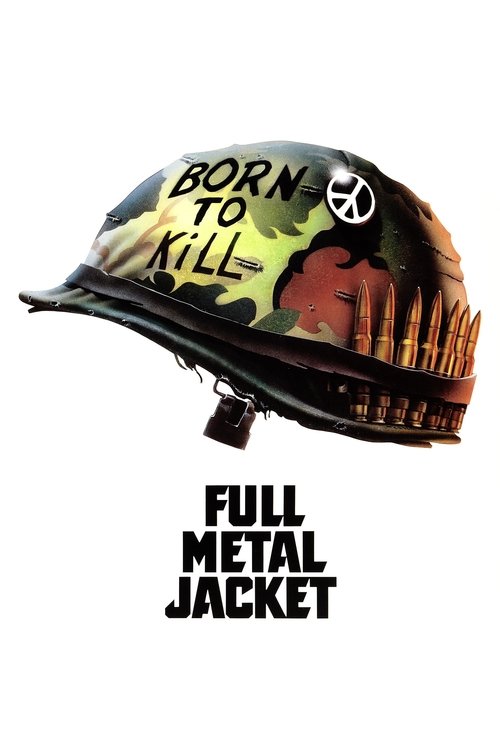
Full Metal Jacket1987
Kubrick again, tracking the same arc — boys stripped of humanity by training, then by combat — but with the blackest possible humour riding shotgun.
But The tonal whiplash between satire and horror isn't for everyone, and the two halves barely speak to each other.
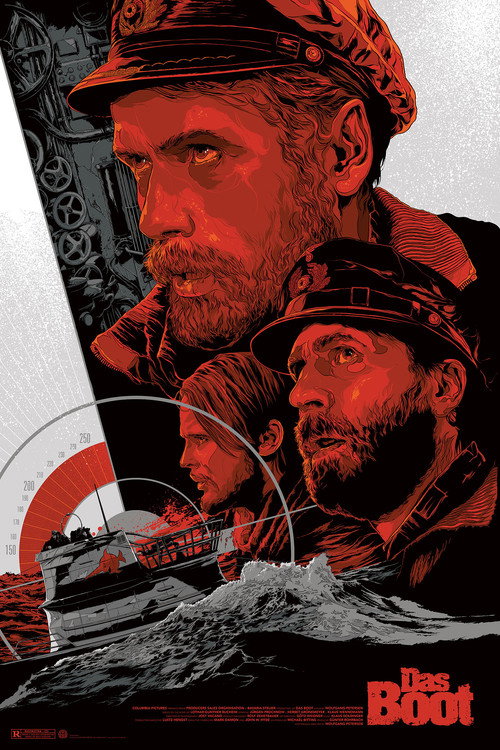
Das Boot1981
German soldiers again, this time trapped in a U-boat — claustrophobia standing in for the trench, patriotism curdling into pure survival instinct.
But Long, submerged, and almost unbearably tense — not a comfortable watch in any sense.
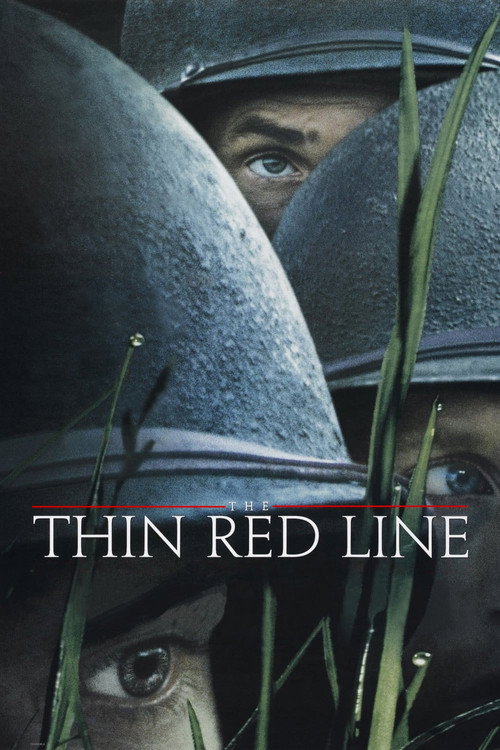
The Thin Red Line1998
Malick turns the war film into something closer to poetry, all whispered voiceover and nature imagery, asking the same questions about meaning and slaughter.
But Meandering and philosophical to a fault — plenty find it beautiful but inert.
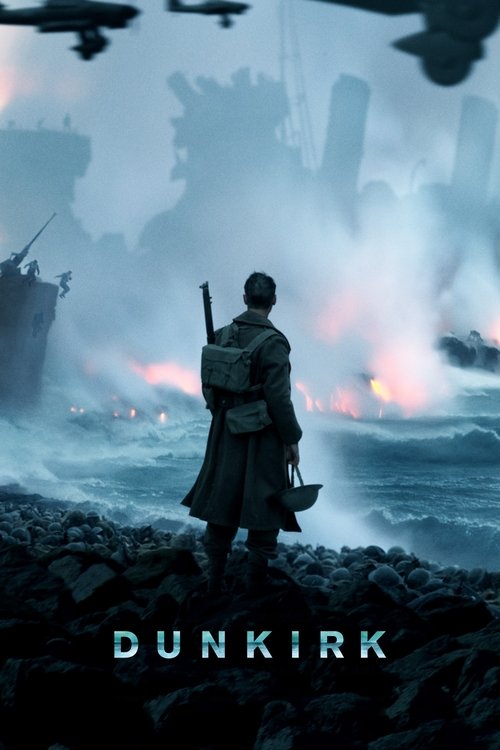
Dunkirk2017
Nolan strips out speeches and politics entirely, leaving only the mechanics of survival — a lean, terrifying companion piece on how war reduces men to instinct.
But Minimal dialogue and fractured chronology make it a chillier, more distancing experience.
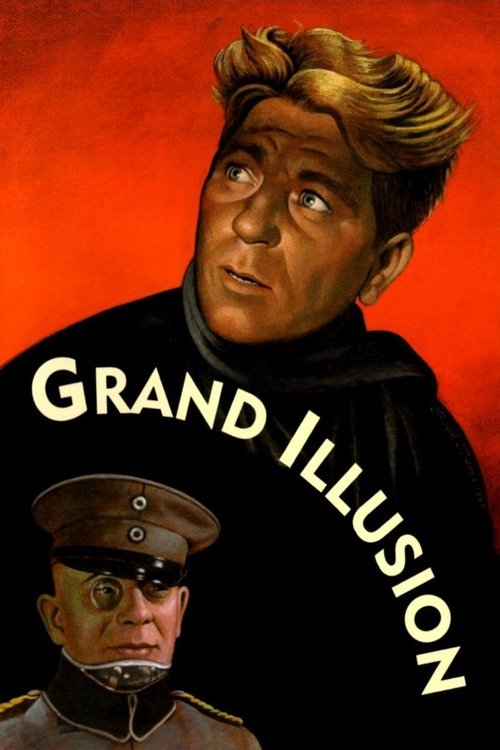
Grand Illusion1937
Renoir's prison-camp drama, made only a few years after All Quiet, shares its conviction that soldiers on both sides have more in common with each other than with their generals.
But Gentle and talky where you might expect combat — this is a drawing-room war film, not a trench one.
Gallipoli1981
Peter Weir's account of Australian troops thrown at the Dardanelles builds the same slow dread toward a doomed, senseless final charge.
But The pace is deliberate and the politics simplified — it's more elegy than analysis.

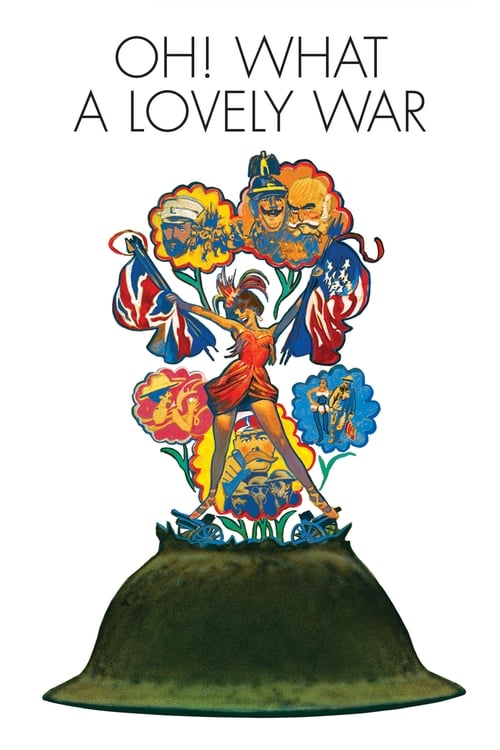
Oh! What a Lovely War1969
Same target — the machinery of patriotism grinding up idealistic young men — but swapped from tragic realism into music-hall absurdity, proving the argument can land just as hard through mockery as through grief.
A British musical that stages the entire First World War as a seaside pier show, with jaunty songs undercutting scenes of mass slaughter — satire as a weapon rather than solemnity.
But The theatrical artifice and constant singing will feel jarring if you want your anti-war statements delivered straight.
Unsere Mütter, unsere Väter2013no page yet
It's the German perspective again, a generation later, asking whether anything Paul Bäumer's cohort learned actually stuck — the sequel All Quiet never got to write.
A German miniseries following five friends through WWII, tracking exactly the same trajectory as Remarque's novel — belief curdling into horror — but from the generation that grew up on his warning and ignored it.
But Three-plus hours across episodes, subtitled, and unflinching about complicity as well as suffering.
People
Cast
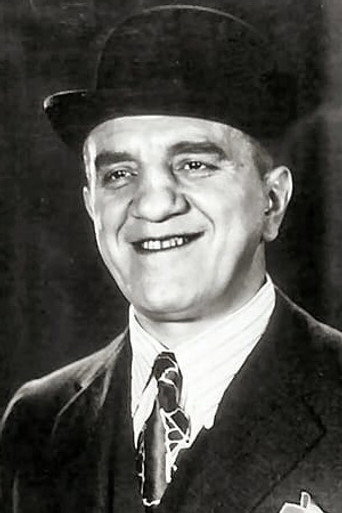 Louis WolheimStanislaus 'Kat' Katczinsky
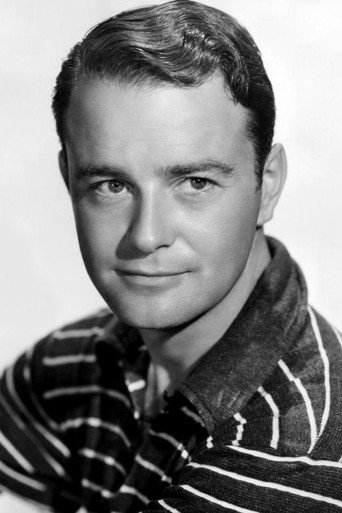 Lew AyresPaul Bäumer
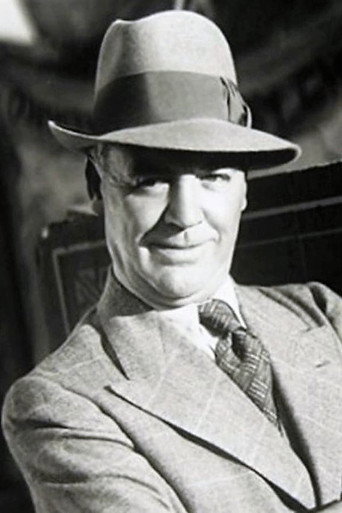 John WrayHimmelstoss
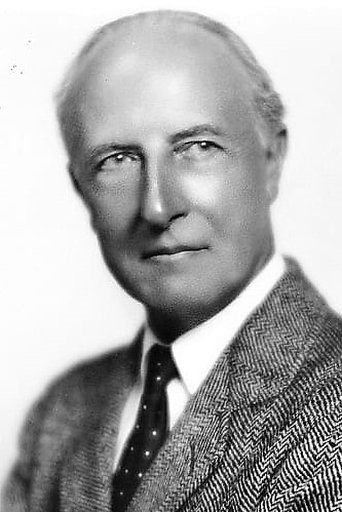 Arnold LucyKantorek
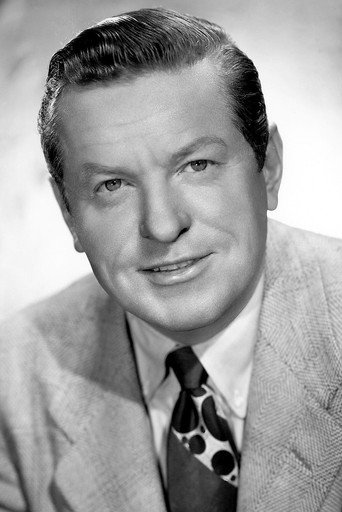 Ben AlexanderFranz Kemmerich
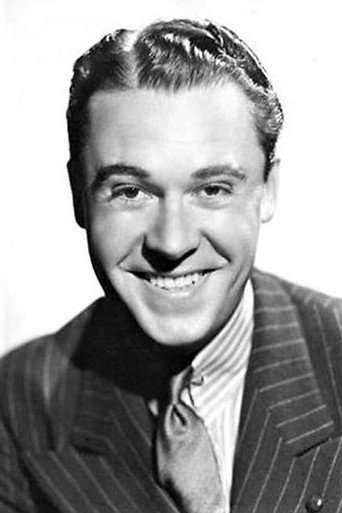 Scott KolkLeer
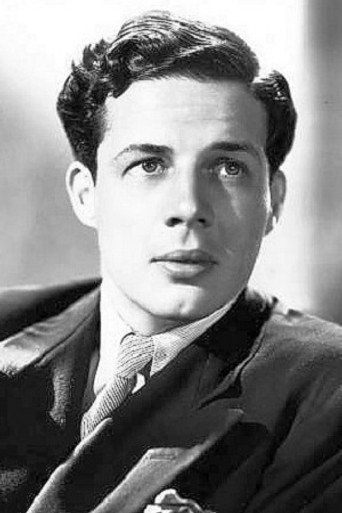 Owen Davis Jr.Peter
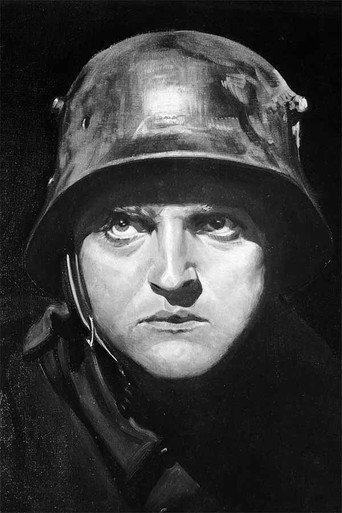 Walter RogersBehn
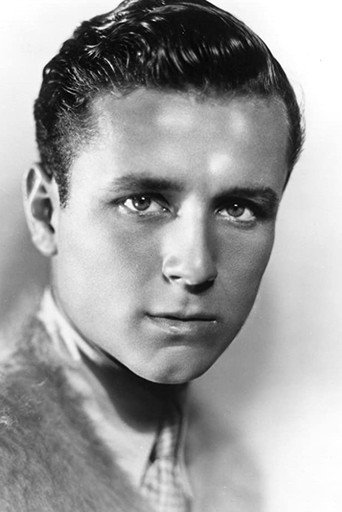 William BakewellAlbert Kropp
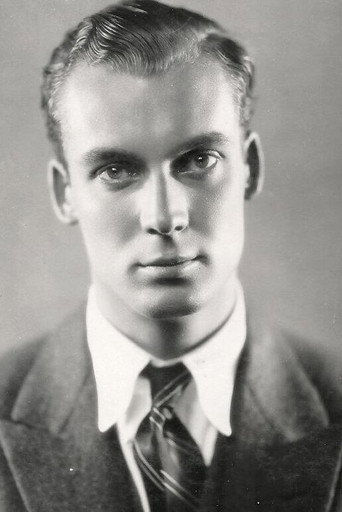 Russell GleasonMueller
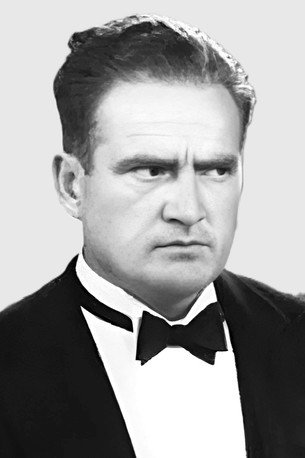 Richard AlexanderWesthus
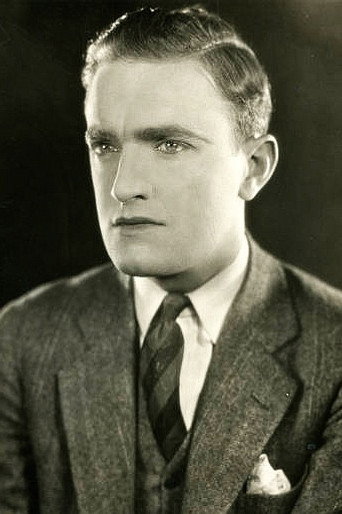 Harold GoodwinDetering
Directing
- Nate WattAssistant Director
- Lewis MilestoneDirector
Writing
- Del AndrewsAdaptation
- Maxwell AndersonAdaptation
- Erich Maria RemarqueNovel
- George AbbottScreenplay
- C. Gardner SullivanStory Supervisor
Production
- Carl LaemmleProducer
- Carl Laemmle Jr.Producer
Recommended by
Saving Private Ryan, Starship Troopers, Battleship Potemkin, The Life and Death of Colonel Blimp, Grand Illusion, Korengal, Paths of Glory, The Human Condition I: No Greater Love, From Here to Eternity, Wings, Gallipoli, The Big Parade, We Were Soldiers, Land of Mine