
Film
Journey's End
Other titles called Journey's End: the 2017 film.
- War drama
- Very dark
A 1930 stage adaptation set in a WWI trench just before a major assault. Colin Clive plays a captain drowning in whisky and command, dreading his sweetheart's brother's arrival as his replacement. Claustrophobic, psychologically acute, and unflinching about what fear does to men under impossible pressure. Essential if you want to see how cinema portrayed the war's moral cost before Hollywood softened it.
Should you watch it?
Watch it if you care more about men talking under strain in one cramped dugout than about battle action, and you can sit with stage-born dialogue that builds like a slow tightening.
Skip it if you need the trenches on screen, since it mostly happens in one dugout, and its talky early sound filming can feel stagey and creaky.
What it asks of you: Patience first: across 116 minutes it builds slowly in cramped rooms, where silences and pauses carry as much weight as the dialogue.
Not sure? Find tonight's pick in a minute.
If you liked this
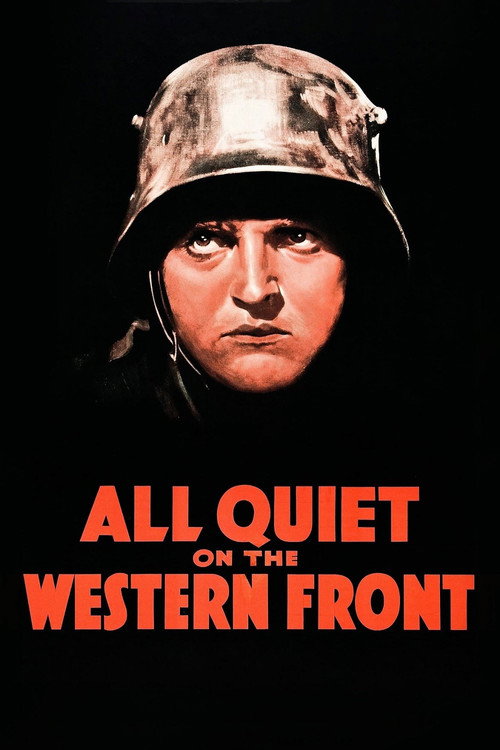
All Quiet on the Western Front1930
The definitive silent-era WWI film: German soldiers dying in mud and wire, shot with such brutal clarity that it became controversial. Watches like a document of waste. Extraordinary.
But Relentlessly grim with almost no plot or character arc—it's an experience of attrition, not a story. Silent film pacing tests patience now.
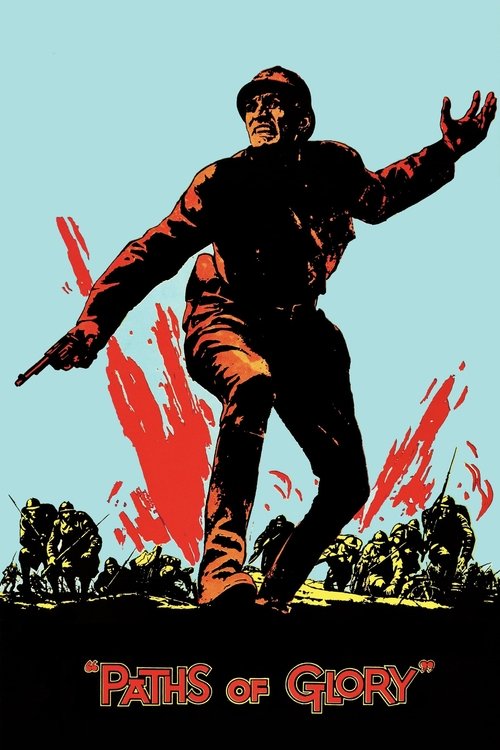
Paths of Glory1957
Kubrick's furious indictment of military hierarchy: soldiers court-martialed for failing an impossible order. Shares Journey's End's trapped-men psychology but widens the lens to systemic cruelty. Essential.
But The execution sequence is genuinely difficult to watch. Some find the emotional temperature cold for its own sake.
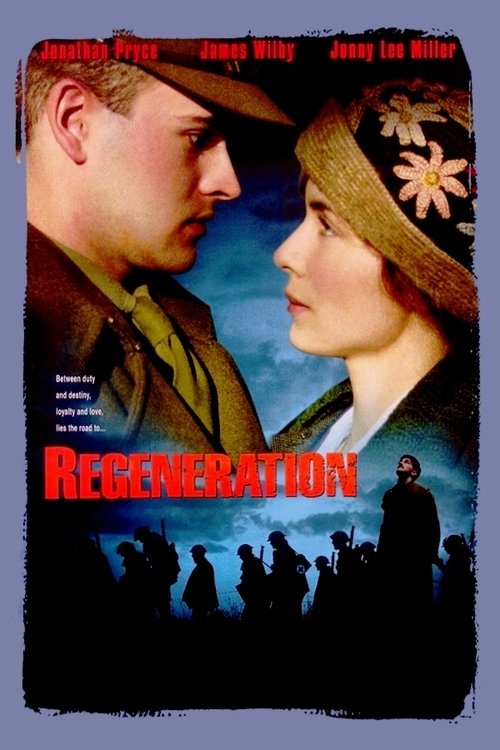
Regeneration1997
British officers in a psychiatric hospital, shell-shocked and breaking. Like Journey's End in how it treats psychological collapse as the real wound of war—but it goes deeper into trauma and recovery.
But Slower and more literary than you might expect. Some scenes of self-harm will upset you.
Not sure tonight? Get a pick in a minute, starting from Journey's End
The wildcard
Something you would not have found on your own.
The Remains of the Day1993
Both examine men whose hierarchies and duty bind them into self-destruction. Stanhope drinks to manage the unbearable; Stevens swallows emotion and regret. Both are studies of paralysis masquerading as responsibility.
Anthony Hopkins as an English butler haunted by the cost of obedience and restraint. It's not about war, but it's about a man whose emotional paralysis and misdirected loyalty mirror Captain Stanhope's trapped state. Devastating in its quietness.
But A period drama about repression that asks nothing dramatic of plot. If you need action or clear emotional payoff, you will find it glacial and frustrating.

More like this (6)
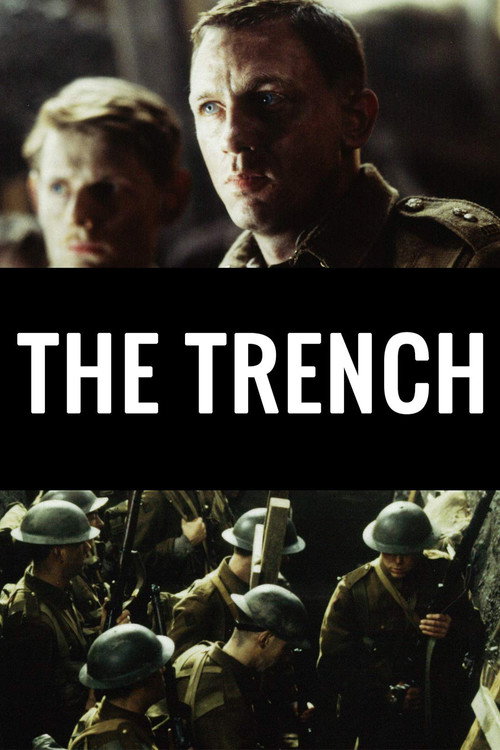
The Trench1999
A British unit in a trench on the eve of the Somme. Handheld and immediate, it captures the same claustrophobia and dread, with good performances from young actors. Often overlooked.
But More straightforward than Journey's End—it doesn't dig as deep into character psychology or moral contradiction.
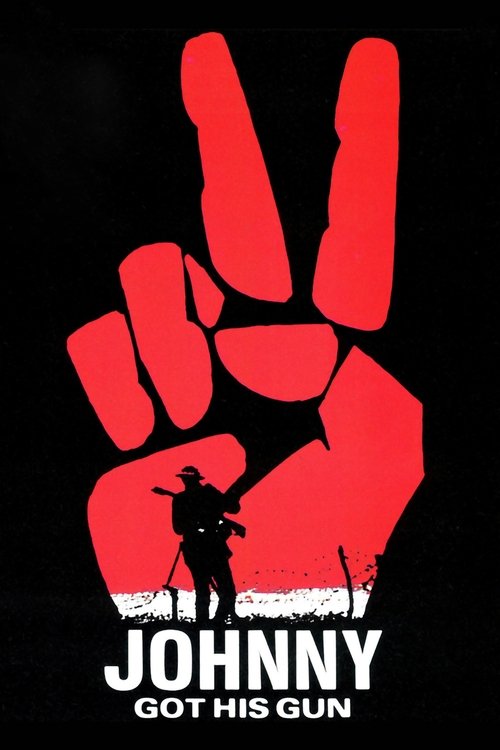
Johnny Got His Gun1971
A soldier, paralysed and blind but conscious, trapped in his own body. Dalton Trumbo's only directorial film: surreal, angry, uncompromising about war's actual cost. Unforgettable and strange.
But Deliberately difficult to watch and deeply depressing. The surrealism will alienate viewers wanting realism.
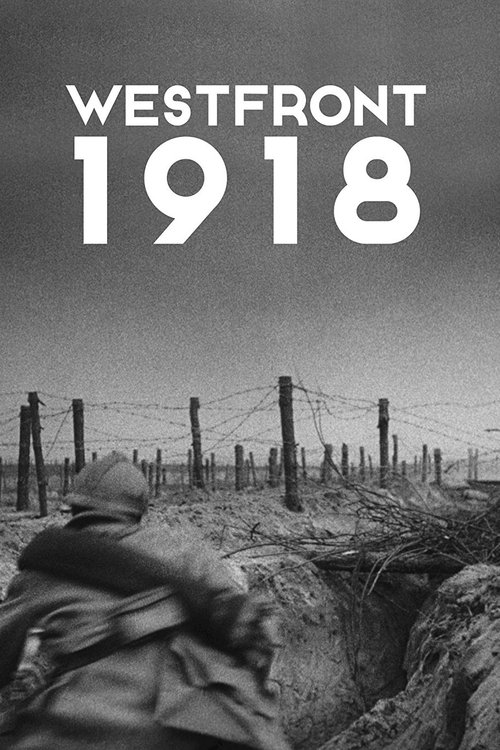
Westfront 19181930
German soldiers' experiences in the trenches, made the same year as Journey's End. Another stage adaptation that captures the waiting, the camaraderie, the slow erosion of hope and nerve.
But Less character-focused than Journey's End. Very slow by any era's standards, and the print quality can be rough.
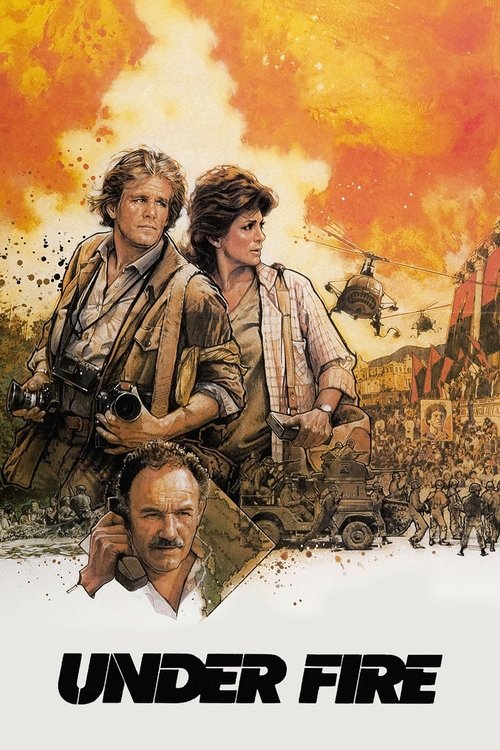
Under Fire1983
War photographers in Nicaragua, but structurally it mirrors Journey's End: men waiting for something inevitable, fear masquerading as duty, the cost of witnessing. Tense and humane.
But Takes a while to build. Some find the political angle preachy rather than organic to the story.
Come and See1985
A Soviet film about a boy soldier in WWII. Faces the same psychological and moral terrain as Journey's End but with even more devastating clarity. One of cinema's most powerful antiwar statements.
But Horrifyingly graphic and will traumatise you if you let it. Not for a casual evening, and not for viewers sensitive to violence against children.

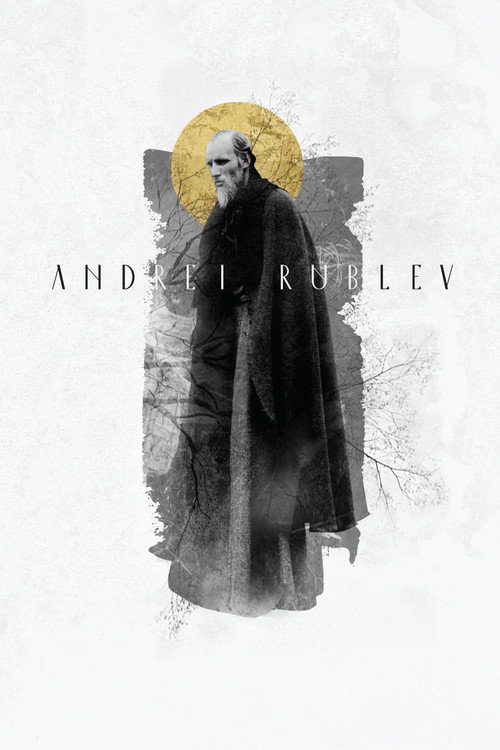
Andrei Rublev1966
Both are about men navigating impossible systems—one military, one religious-political—where survival means compromise and silence. Both suggest that moral endurance under pressure may be the only human victory available. Both are adamant about the weight of that price.
Tarkovsky's epic about a medieval Russian icon painter under a brutal Khan. Black and white, long takes, spiritually searching. Depicts creative men struggling under oppressive order, their art as the only resistance. Hypnotic and overwhelming.
But Three hours, little plot, no spectacle in the modern sense. Demands patience and will frustrate anyone wanting narrative momentum. Requires a quiet brain and a clear evening.
People
Cast
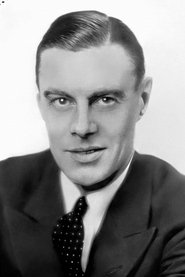 Colin CliveDenis Stanhope
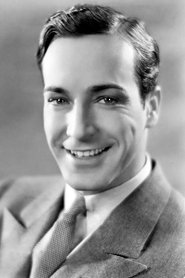 David MannersJames Raleigh
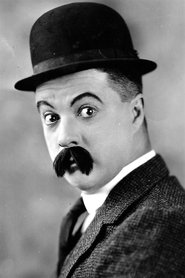 Billy BevanTrotter
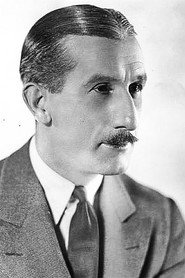 Charles K. GerrardMason
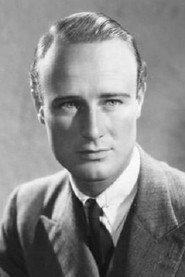 Anthony BushellHibbert
- Ian MaclarenOsborne "Uncle"
- Tom WhiteleySergeant Major
Directing
- James WhaleDirector
Writing
- R.C. SherriffTheatre Play
- Gareth GundreyWriter
- Joseph Moncure MarchWriter
Production
- George PearsonSupervising Producer