
Film
Johnny Got His Gun
- War drama
- Very dark
A young WWI soldier, completely paralyzed and unable to communicate after a devastating artillery wound, exists in darkness—awake, aware, remembering. It's a relentless descent into one man's consciousness, and filmmaking as an act of witnessing suffering. Powerful, uncompromising, deeply hard to watch.
Should you watch it?
Watch it if you love anti-war films built on interior memory and sharp, angry imagery rather than battlefield action, and you don't mind a story that refuses to let you look away.
Skip it if you want a conventional war picture with movement and clear plot beats, since much of this unfolds in a hospital bed and drifts through flashbacks and fevered reverie.
What it asks of you: Patience for a slow, mostly static film of just under two hours, where the mood is heavy and the images do the arguing while the protagonist barely moves.
Not sure? Find tonight's pick in a minute.
If you liked this
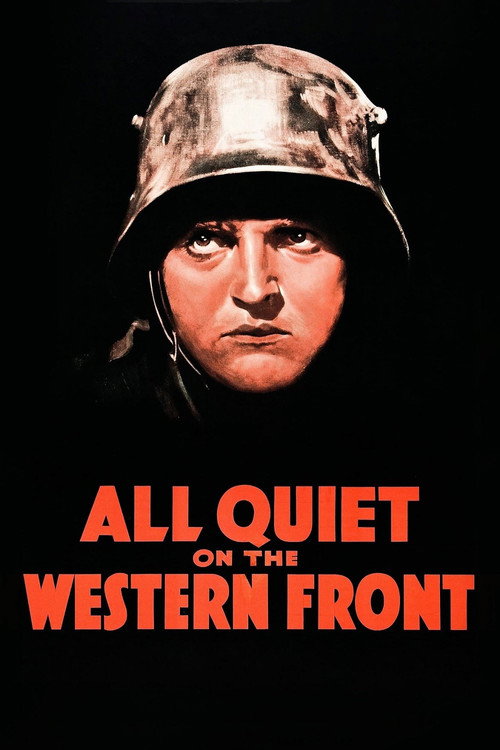
All Quiet on the Western Front1930
The definitive anti-war statement about the trenches. Rawer than you'd expect from its age, with a moral clarity that cuts deeper than rhetoric. Essential.
But The 1930 version can feel slow; the 2022 remake is modern but also very long. Neither is designed for comfort.
The Best Years of Our Lives1946
Three soldiers return home; one has lost his hands. How cinema handles disability, grief, and the impossible task of moving forward. Beautiful and angry at once.
But It's a Hollywood film from 1946, so it wraps some things in sentiment. Still—the ambition and unflinching core are real.

Come and See1985
A Soviet film about a boy in WWII. The most honest depiction of war's effect on the human soul ever filmed. It goes places most cinema won't follow.
But It's graphically brutal and emotionally annihilating. Not metaphorically—actually. You will feel damaged by it.

Not sure tonight? Get a pick in a minute, starting from Johnny Got His Gun
The wildcard
Something you would not have found on your own.
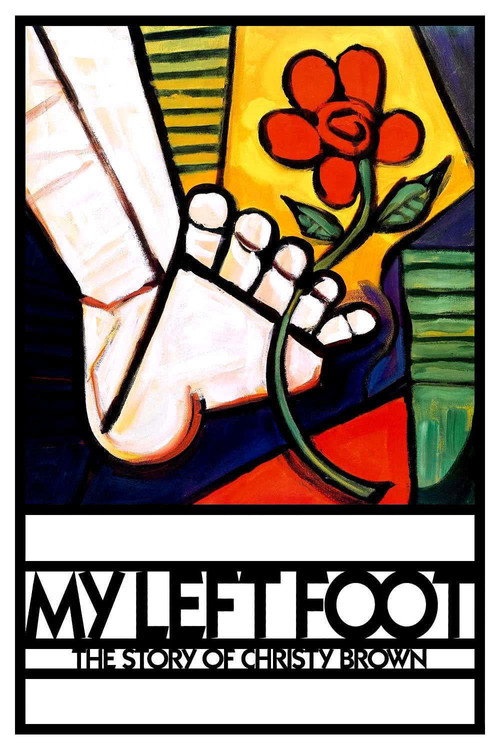
My Left Foot: The Story of Christy Brown1989
Both explore consciousness locked in an untouchable body. Where *Johnny* asks 'what is life if you can't act?', this answers it: everything, because the mind remains sovereign.
Christy Brown, painter and writer, paralyzed except for one foot. Daniel Day-Lewis is unforgettable. But the film is about will and art and refusal to disappear—joyful in a way that never cheapens the struggle.
But It's uplifting, which some find dishonest when applied to disability. Also a biopic, so familiar emotional beats, even beautifully done.
More like this (7)
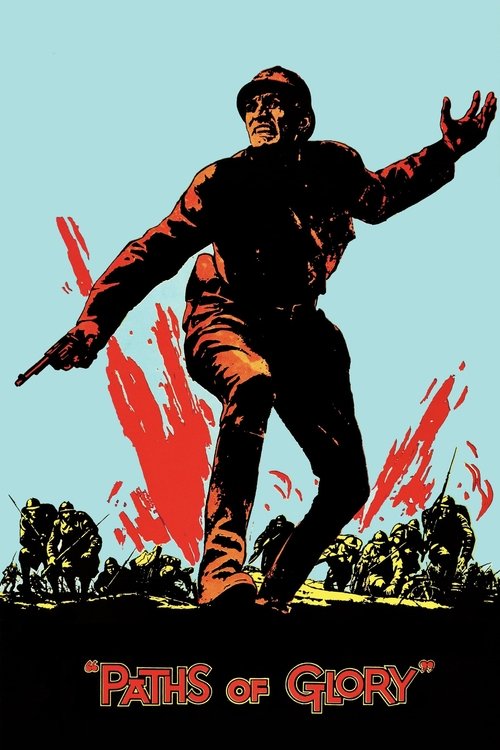
Paths of Glory1957
Kubrick's WWI court-martial drama. Sharp, urgent, morally furious. About how institutions sacrifice individuals for nothing. Every scene counts.
But The pacing is relentless; there's no rest. It's also a film about execution, so the ending is exactly what the title promises.
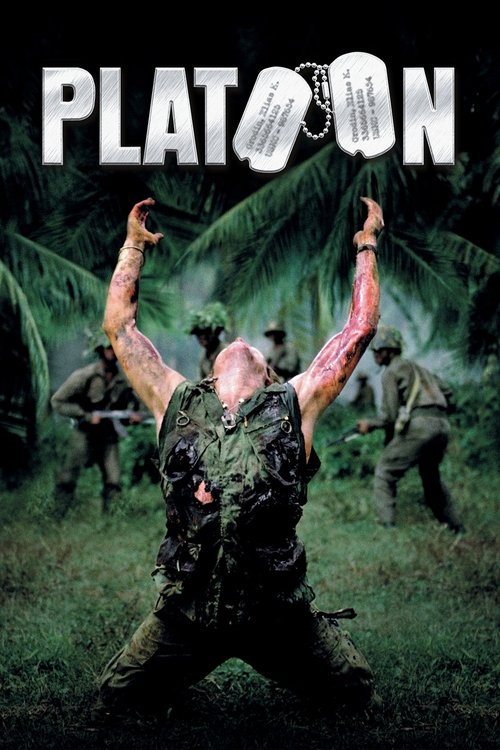
Platoon1986
Vietnam through the eyes of a young soldier finding his conscience. Immediate and sensory. Oliver Stone at his best—angry, human, never preachy.
But It's become a cultural shorthand for 'war film,' which makes it feel familiar even if you haven't seen it. The impact is real but not surprising.
Requiem for a Dream2000
A descent into addiction shown through four people's spiraling consciousness. The filmmaking mirrors the subject—fractured, relentless, overwhelming. Extraordinarily ambitious.
But It's brutally manipulative and exhausting. By design. The final hour is meant to destroy you; some people resent being worked on that hard.

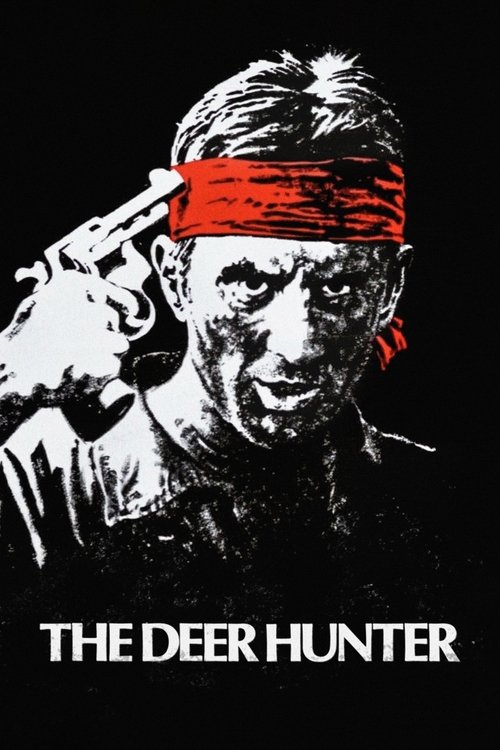
The Deer Hunter1978
Three steelworkers and Vietnam. Long, unhurried, it trusts you to sit with ordinary people before war shatters them. Quietly devastating.
But Three and a half hours, with scenes that feel like they meander. The famous Russian roulette sequence makes some viewers feel the film is exploitative.
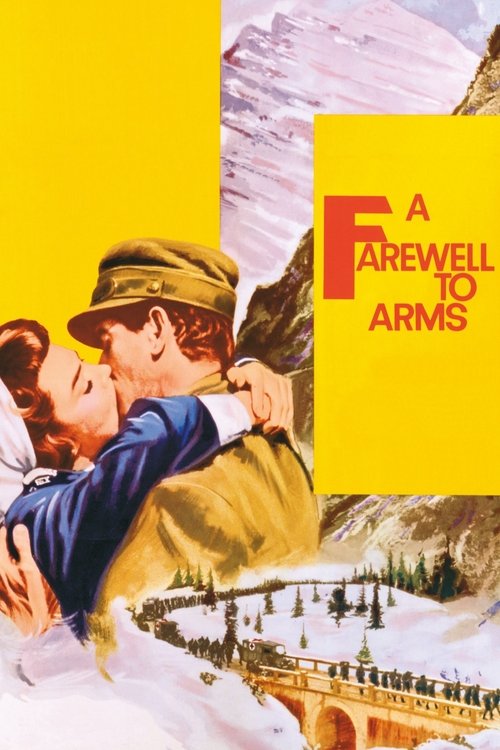
A Farewell to Arms1957
Hemingway's WWI love story, filmed in VistaVision. Visually stunning, and the romance-against-war frame cuts against the brutality rather than softening it.
But It's a romance first, a war film second. If you're expecting *All Quiet*, the genre shift may feel like evasion.
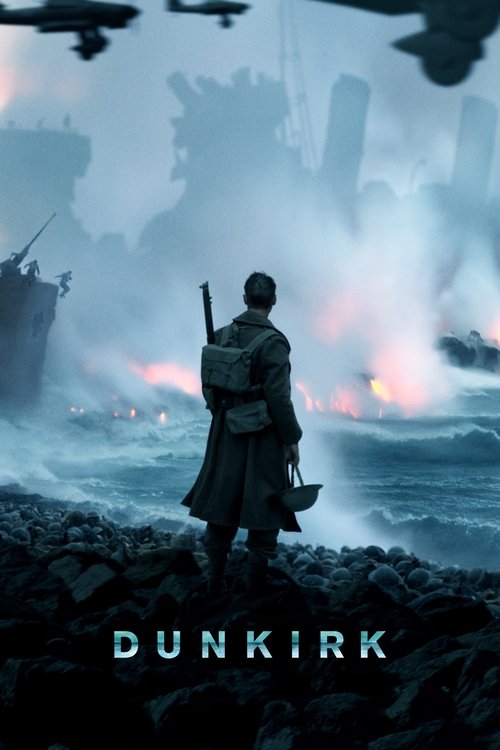
Dunkirk2017
Nolan's WWII survival film. Three timelines, minimal dialogue, maximum pressure. Technique in service of panic and endurance.
But It's action-first, character-light. Also very loud. The formal experiment works, but if you want inner life, look elsewhere.
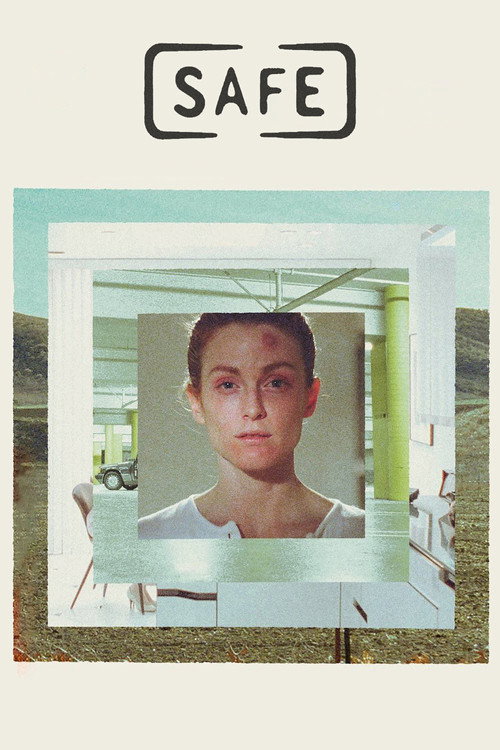
Safe1995
Another film about consciousness being slowly erased from the inside. But here it's ambiguous—is it real or psychosomatic?—and it strips away everything except the body's refusal. *Johnny* is about memory; *Safe* is about the body as enemy.
Haynes's body-horror masterpiece about a woman developing environmental illness, slowly disappearing into isolation. Quiet, precise, genuinely strange. She becomes a kind of ghost while alive.
But It's deliberately cold and won't let you feel better. The final image is deliberately unbearable. Some find it more concept than humanity.
People
Cast
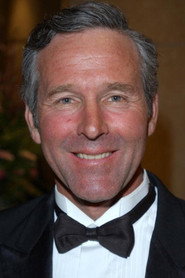 Timothy BottomsJoe Bonham
- Kathy FieldsKareen
 Marsha HuntJoe's Mother
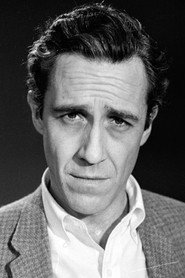 Jason RobardsJoe's Father
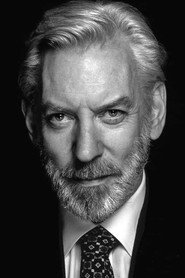 Donald SutherlandChrist
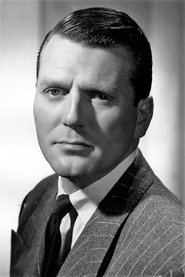 Charles McGrawMike Burkeman
- Sandy Brown WyethLucky
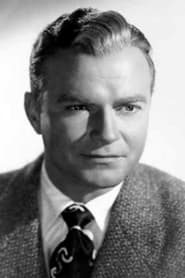 Don 'Red' BarryJody Simmons
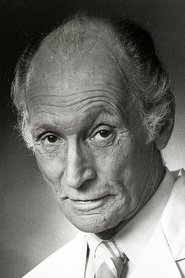 Peter BroccoAncient Prelate
- Kendell ClarkeHospital Offical
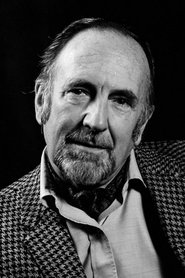 Eric ChristmasCorporal Timlon
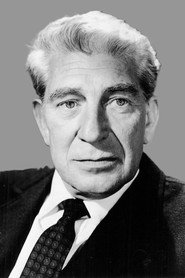 Eduard FranzCol. / Gen. Tillery
Directing
- Christopher TrumboAssistant Director
- Dalton TrumboDirector
Writing
- Dalton TrumboNovel
- Dalton TrumboScreenplay
- Luis BuñuelWriter
Production
- Christopher TrumboAssociate Producer
- Tony MonacoAssociate Producer
- Tony MonacoCasting
- Tom TryonExecutive Producer
- Bruce CampbellProducer
- Harold MichelsonProduction Designer
Recommended by
No Man's Land, Source Code, The Battle of the Somme, Wanda, The Beguiled, The Nun's Story, Journey's End, Knightriders, Born on the Fourth of July, Where Soldiers Come From, J'accuse, Cross of Iron, Joyeux Noel, Wooden Crosses, The Great War, To Hell and Back, King and Country, The Odd Angry Shot, Birdsong, Overlord, Thriller: A Cruel Picture, All Quiet on the Western Front, Westfront 1918, A Farewell to Arms, Regeneration, Life and Nothing But, Castle Keep, Hennessy, The Red Baron, Resurrection, The House of God, The Men, The Halliday Brand, The Butcher Boy, Penitentiary, The Confession, The Boys in Company C, The Trench, Journey's End, Aces High, Dawn, The Red Badge of Courage, Proof, My Boy Jack, Pizza Connection, Prisoner of War, In a Shallow Grave, The Savage State, Passchendaele, FTA, Birdy, Combat Shock, The Last Valley, Escape from Fort Bravo, Ay, Carmela!, The Execution of Private Slovik, Sleeping Dogs, Breakthrough, Shenandoah, The Road Back, Blood of the Executioner, The Student Nurses, Suppose They Gave a War and Nobody Came?, The Four Horsemen of the Apocalypse, The Long Day's Dying, The Best Little Girl in the World, The Horsemen, From Hell to Victory, The Dollmaker, If These Walls Could Talk, The Charge of the Light Brigade