
Film
Escape from Fort Bravo
A 1953 Western built on a genuine moral knot: a Union captain must choose between duty and humanity when a Confederate officer's lover helps her man escape. It's tense, elegantly shot in VistaVision, and genuinely interested in the human costs of divided loyalty. For fans of Westerns that think before they shoot.
If you liked this
Johnny Guitar1954
Austrian director Nicholas Ray makes a Western so visually strange and psychologically acute it feels like a fever dream. The power dynamics crackle; the landscape feels like a character's mood.
But It's slow, deliberately artificial, and the plot takes a backseat to atmosphere and moral ambiguity in ways that test patience.

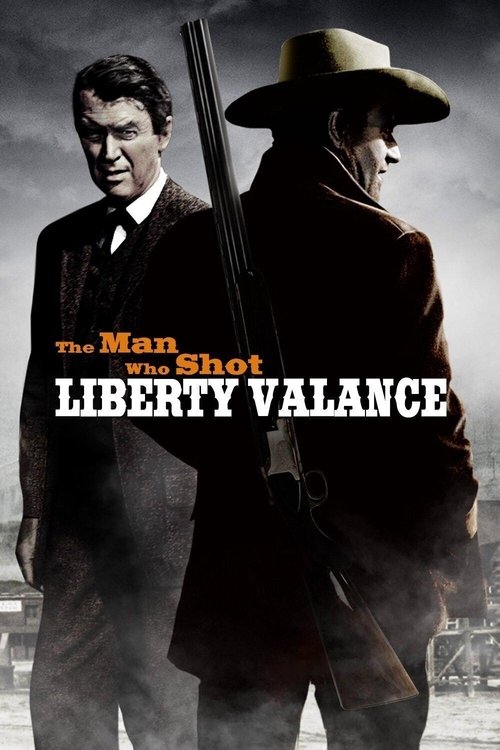
The Man Who Shot Liberty Valance1962
Ford's meditation on myth versus truth, duty versus conscience, wrapped in a Western about a lawyer, a senator, and the lie that built a legend. Heartbreaking and wise.
But It's a talky reflection on aging rather than an action picture, and some find the black-and-white cinematography feels like a step backward from Ford's earlier work.
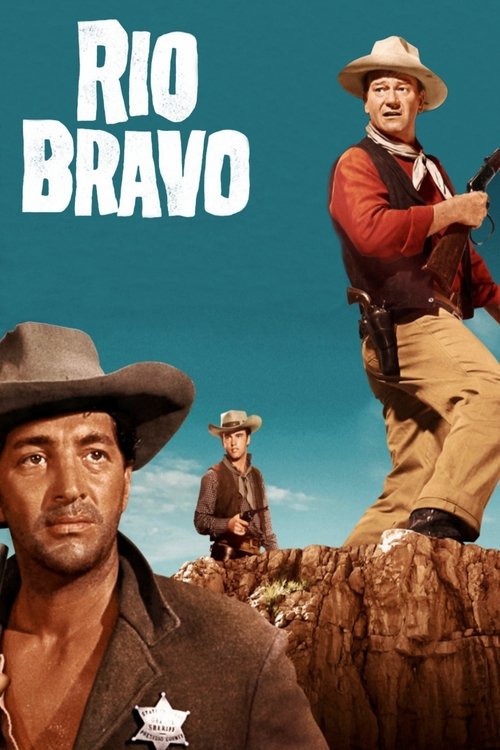
Rio Bravo1959
Hawks' masterpiece about men under siege—less interested in gunplay than in how people actually behave when trapped together. A model of character-driven tension that feels alive on every frame.
But It's nearly two hours and three minutes of waiting. If you need plot momentum, this will feel glacial.
Not sure tonight? Get a pick in a minute, starting from Escape from Fort Bravo
The wildcard
Something you would not have found on your own.
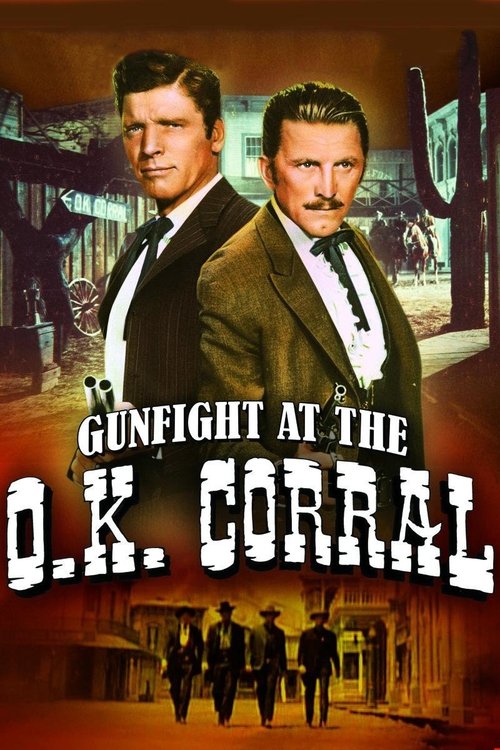
Gunfight at the O.K. Corral1957
Both hinge on the tension between personal loyalty and military duty, and both ask whether doing the right thing always means following orders. Both films linger on the human cost of choosing.
Sturges' film doesn't restage the legendary gunfight—it spends its runtime exploring the intimacy and friction between Wyatt Earp and Doc Holliday. A buddy picture disguised as a Western, genuinely moving in its portrait of male companionship under pressure.
But If you're expecting a climactic shootout to earn the buildup, you'll feel cheated. The emotional payoff is internal, not external.
More like this (8)
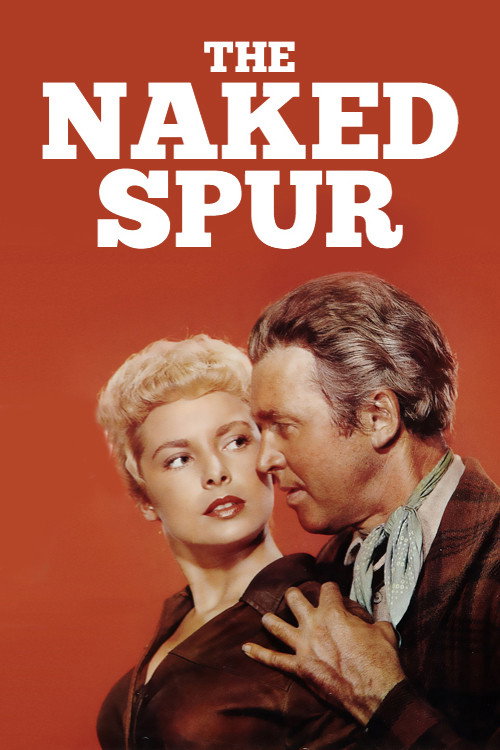
The Naked Spur1953
Mann and Stewart reunite for a lean, morally murky Western where everyone is compromised. A bounty hunter, a drifter, and a woman complicate a simple job into something genuinely dangerous.
But The psychological intensity can feel claustrophobic, and the resolution won't satisfy anyone who needs clear moral victory.
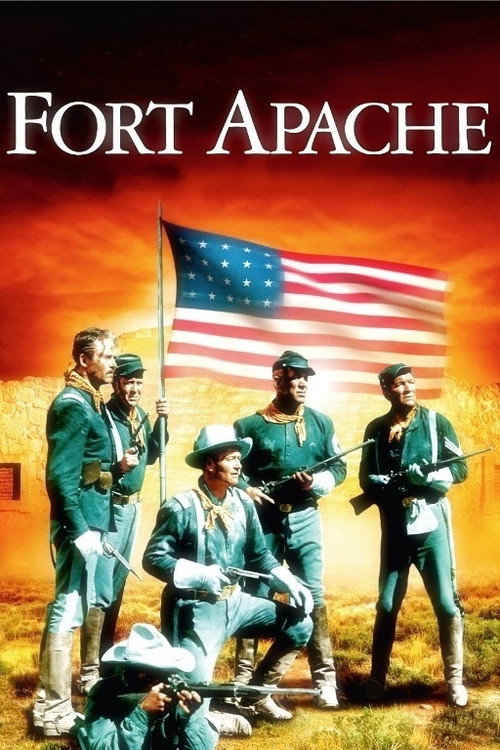
Fort Apache1948
Ford's three cavalry films begin here—a story about honor, duty, and the gap between myth and butchery. Henry Fonda as a rigid commander is unforgettable and unsettling.
But It's very much a Ford film, which means it's patient to the point of indulgence and some plot elements feel dated.
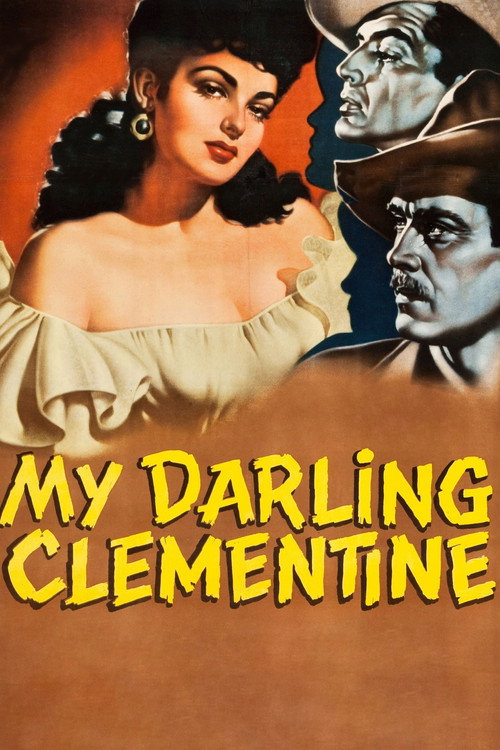
My Darling Clementine1946
Ford's Tombstone story is a meditation on civilization and violence, not a shoot-out movie. Beautifully shot, morally complex, with Wyatt Earp as an unlikely poet.
But The pacing is unhurried and the tone is elegiac rather than thrilling. Not a film that caters to modern attention spans.
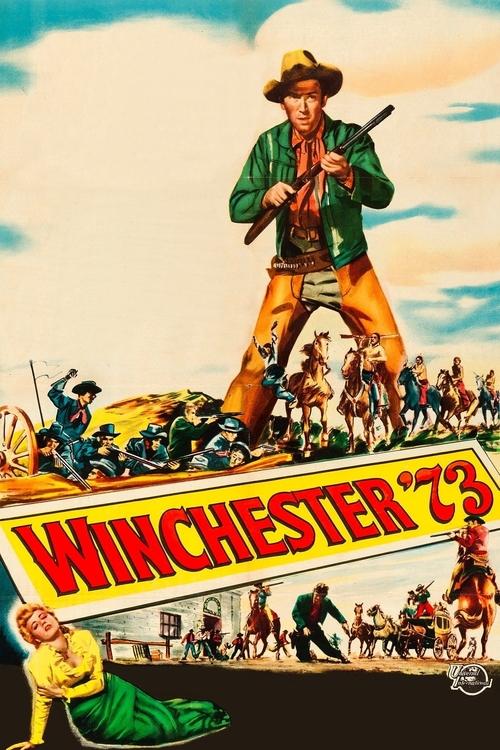
Winchester '731950
Mann's episodic masterpiece traces a rifle through the hands of righteous and wrong men alike. It's a deceptively simple structure that deepens the more you watch.
But It's structured as a series of vignettes rather than a unified plot, which can feel scattered on a first viewing.
The Ballad of Little Jo1993
A woman passes as a man in the Old West to survive—a true story told with unsentimental precision and genuine affection for its protagonist's ingenuity and loneliness.
But It's quiet and revisionist, and the politics of gender and passing can overshadow story momentum for some viewers.

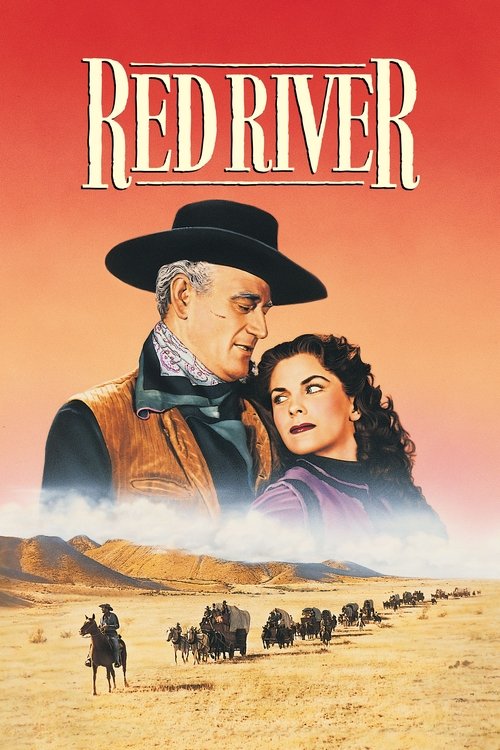
Red River1948
Hawks' epic cattle drive becomes a psychological portrait of obsession and the tyranny of a father figure. The final confrontation between Wayne and Clift still stings.
But It's long, and the opening sequence of frontier violence hasn't aged well in how it treats Native Americans.
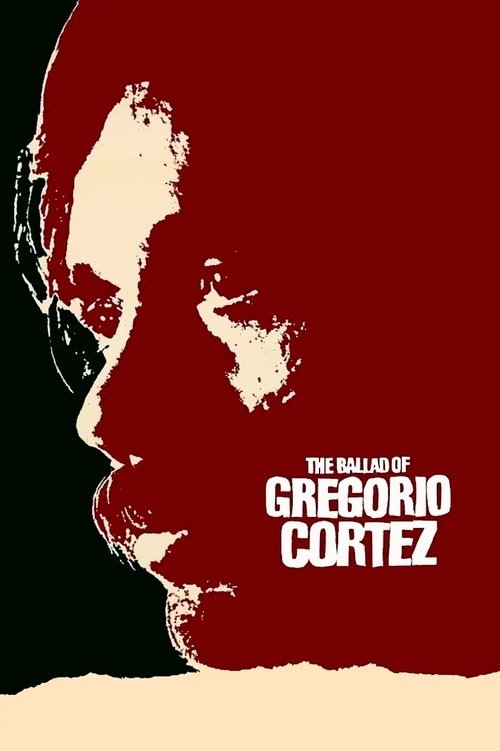
The Ballad of Gregorio Cortez1983
Like Escape from Fort Bravo, it centers on a captor—ranger or officer—who develops complicated empathy for the person they're hunting. Both resist the simple hero-villain binary. Both are about men trapped by circumstance and duty.
A Chicano fugitive becomes a folk hero in this methodical, unglamorous pursuit across the Texas border. Edward James Olmos is magnetic; Robert Young as the ranger tracking him has a genuine respect for his quarry. Shot with documentary clarity—you feel the dust, the fatigue, the impossible choices.
But It's deliberate and looks deliberately made-for-television. There's no score to manipulate your feelings, no big moments. It asks you to pay attention.
Johnny Got His Gun1971
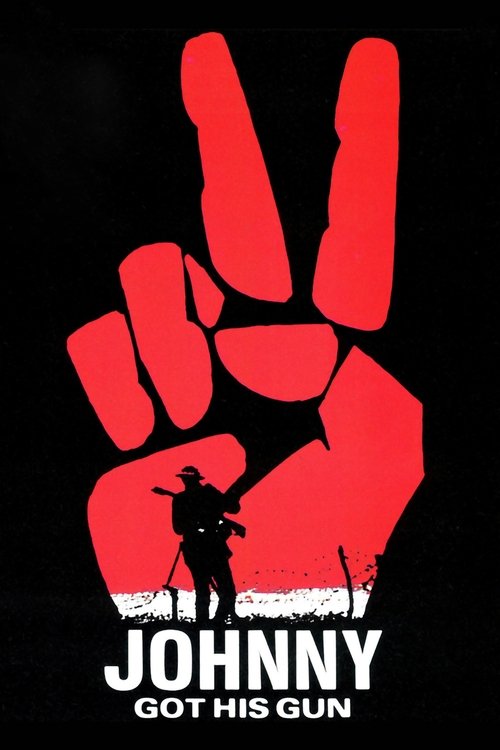
Both explore the collision between military duty and personal humanity, and both suggest that loyalty to an institution can cost you your soul. Escape from Fort Bravo is gentler, but Trumbo's film asks the same question about whether orders absolve you of moral responsibility.
Dalton Trumbo adapted and directed his own anti-war novel: a soldier completely paralyzed, unable to speak or move, trapped in his own mind after World War I. It's visually inventive, nightmarish, and ferociously human about the machinery of war chewing up men.
But It's graphic, bleak, and deliberately difficult. Not a film designed to console or entertain. Watching it is an act of endurance.
People
Cast
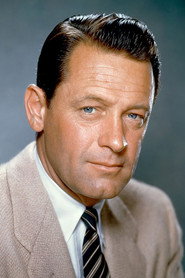 William HoldenCaptain Roper
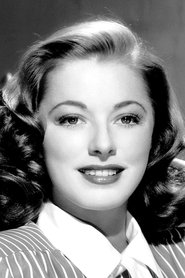 Eleanor ParkerCarla Forester
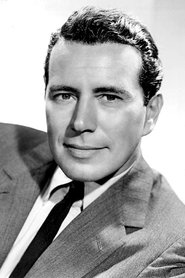 John ForsytheCaptain Marsh
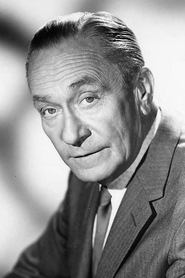 William DemarestCampbell
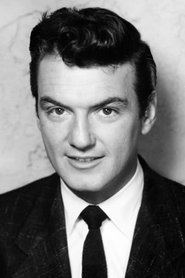 William CampbellCabot Young
 Polly BergenAlice Owens
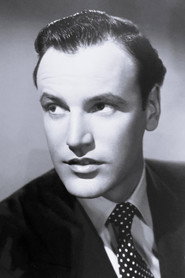 Richard AndersonLieutenant Beecher
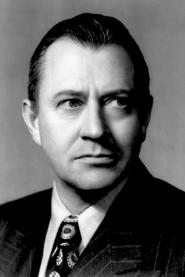 Carl Benton ReidColonel Owens
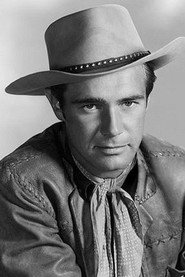 John LuptonBailey
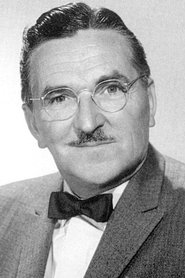 Howard McNearWatson (uncredited)
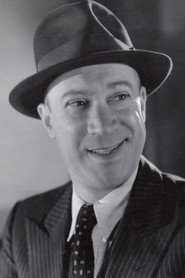 William NewellSymore (uncredited)
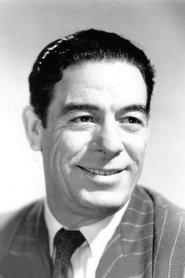 Glenn StrangeSergeant Compton (uncredited)
Directing
- Arvid GriffenAssistant Director
- John SturgesDirector
- Carl RoupSecond Assistant Director
Writing
- Frank FentonScreenplay
- Michael PateStory
- Phillip RockStory
Production
- Nicholas NayfackProducer