
Film
Comanche Station
Randolph Scott's lean 1960 Western trades spectacle for moral ambiguity. A man ransoms a captive woman from the Comanche, then must outwit three fortune hunters who want the reward. Budd Boetticher directs with spare, intelligent economy: long silences, dusty landscapes, characters measuring each other. For viewers who prize character and tension over action set pieces.
Should you watch it?
Watch it if you like lean, spare Westerns where a few characters circle each other in wide open country and the tension comes from who can be trusted, not from big set pieces.
Skip it if you want constant action or lavish spectacle, since this is a brief 74-minute film built on quiet riding and sparse dialogue between a handful of people.
What it asks of you: Patience for slow stretches of open-country travel and unspoken tension, then a compact run where the characters' choices come quickly.
Not sure? Find tonight's pick in a minute.
If you liked this
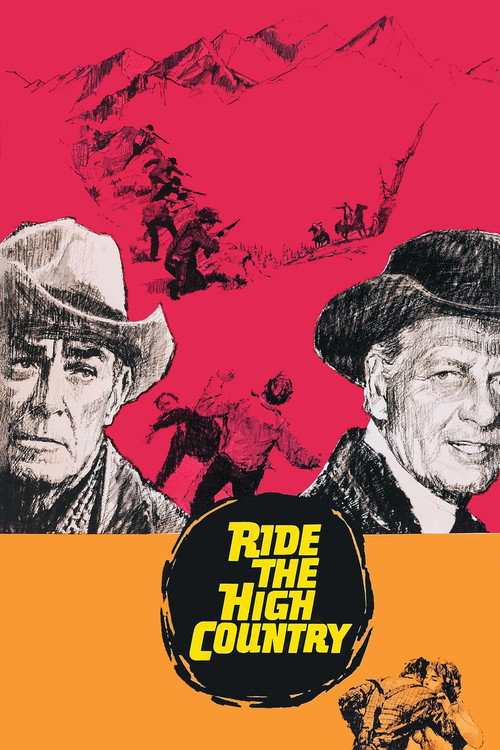
Ride the High Country1962
Boetticher's collaborator Joel McCrea trades on aging authority in this valedictory Western about retired lawmen confronting mortality and principle. Elegant, reflective, built on the quiet charisma of men past their prime.
But Deliberately paced and philosophical rather than thrilling. The action sequences are sparse and the philosophical weight may feel slow to genre-action fans.
The Ballad of Little Jo1993
Maggie Greenwald's revisionist Western about a woman passing as a man to survive the frontier. Examines survival, identity, and the stories we tell about the West with wit and genuine care for its protagonist.
But Low budget and deliberately subdued aesthetic. Won't satisfy anyone wanting conventional Western heroics or lush cinematography.

Johnny Guitar1954
Nicholas Ray's strange, operatic Western reverses every convention: Joan Crawford rules a saloon, Sterling Hayden is passive and melancholic, the climax is between two women. Moral certainty dissolves into atmosphere and obsession.
But Bizarre gender dynamics and tonal dissonance may read as camp rather than thrilling. The plotting is secondary to mood and character psychology.

Not sure tonight? Get a pick in a minute, starting from Comanche Station
The wildcard
Something you would not have found on your own.
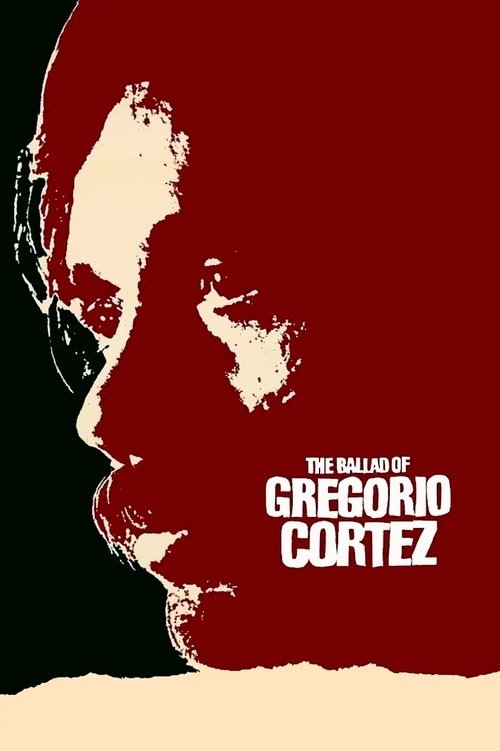
The Ballad of Gregorio Cortez1983
Both films use the pursuit narrative to explore the gap between law and morality, and both protagonists must outwit systems rigged against them. Scott and Olmos embody different registers of alienation: one is the outsider accepted by the system, the other hunted by it.
Edward James Olmos gives a career-defining performance as a Mexican ranch hand hunted across Texas after a shooting. Robert M. Young's film refuses the Western's typical moral certainties: the law is not justice, borders are instruments of power. Shot in Spanish and English, it's a revisionist Western that doesn't announce itself as one.
But Deliberately unglamorous and grounded in historical injustice rather than adventure fantasy. The pace is deliberate, the violence sparse, and the outcome fore-known—emphasis is on dignity under persecution, not heroic escape.
More like this (8)
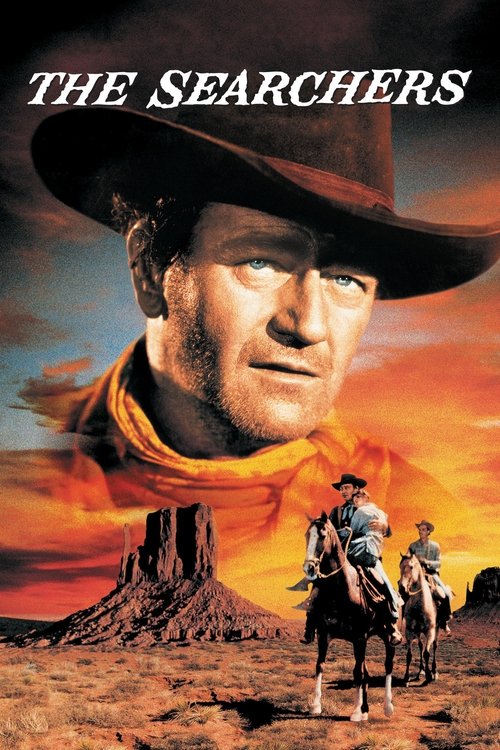
The Searchers1956
Ford's masterpiece about a man searching for a captive woman, haunted by racism and obsession. John Wayne gives the performance of his life as a man whose moral authority crumbles under scrutiny. Visually gorgeous and thematically devastating.
But Nearly three hours, and the racial politics—while complex—center a white man's moral journey. Some find the pacing glacial and the treatment of Indigenous characters troubling despite Ford's complexity.
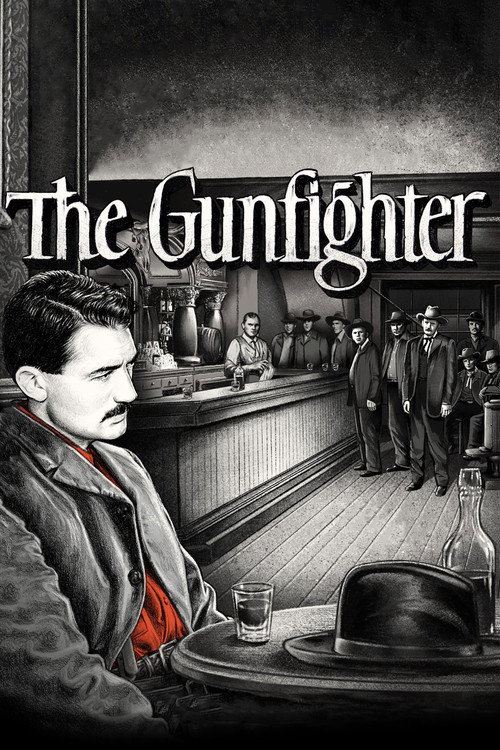
The Gunfighter1950
Gregory Peck as an aging gunslinger trying to retire, undone by his reputation and the men who want to kill him. Henry King's film is a chamber piece: one room, escalating dread, the tyranny of legend.
But Confined and talk-heavy for a Western. The action is minimal and the claustrophobic atmosphere may frustrate viewers wanting open frontier drama.
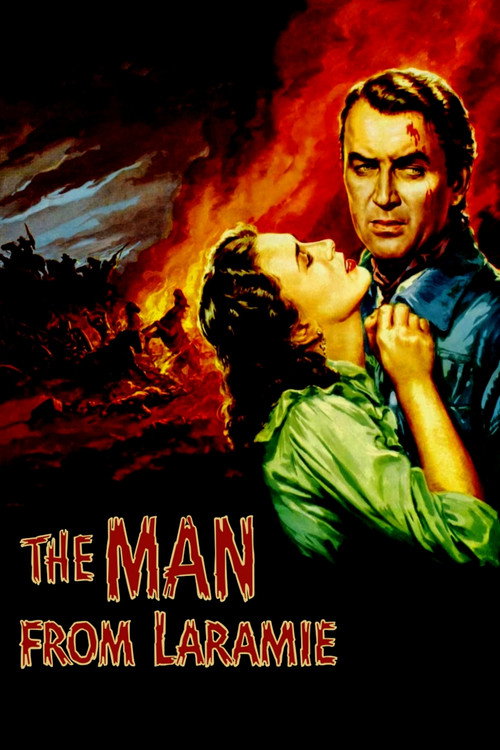
The Man from Laramie1955
Anthony Mann's Technicolor Western makes the landscape a character: a man searches the desert for his brother's killer and finds a family destroying itself over inheritance and pride. Morality is murky; violence is consequential.
But The emotional core is domestic conflict rather than external adventure. James Stewart plays against his typical persona in ways some find uncomfortable.
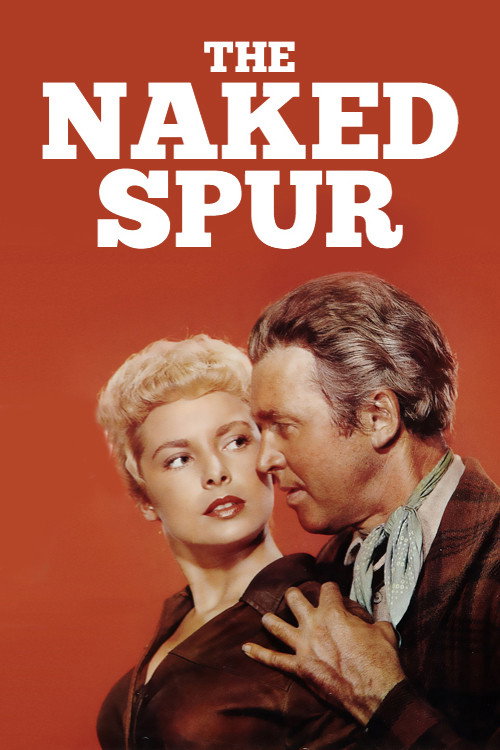
The Naked Spur1953
Mann and Stewart again, this time pursuing a fugitive into the mountains. The bounty hunter, the woman, the other trappers—each wants something different. Paranoia and greed corrode the group from within.
But Confined cast and setting. The psychological tension is more important than action, which may feel repetitive to viewers wanting traditional Western thrills.
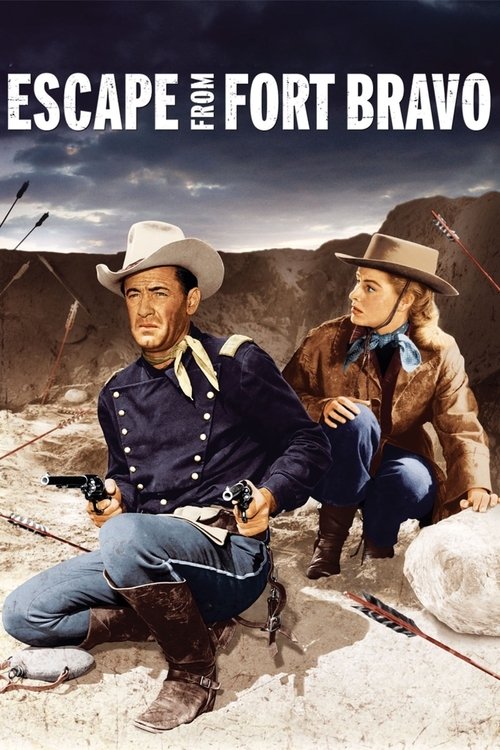
Escape from Fort Bravo1953
John Sturges directs a garrison Western where duty and honor collide. William Holden and Eleanor Parker spar and desire each other across the rules that bind them. Smart, tense, surprisingly moving about the cost of principle.
But The romantic subplot is central rather than ornamental, and its resolution may feel saccharine to hardened viewers. Garrison drama won't satisfy those wanting frontier adventure.
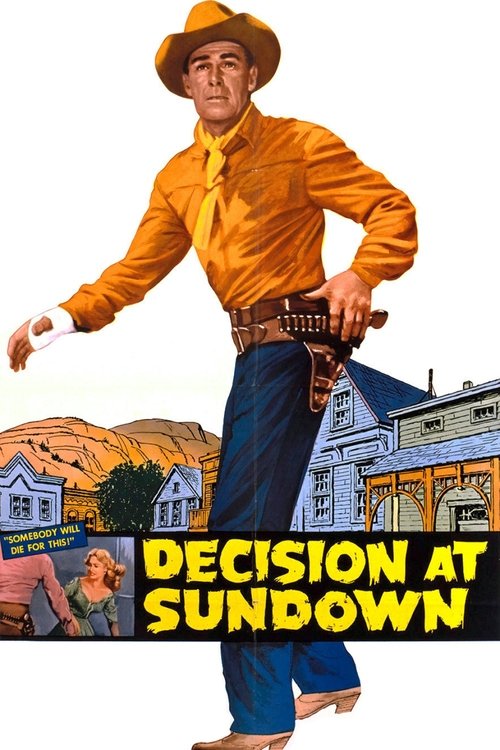
Decision at Sundown1957
Boetticher's own meditation on vengeance as poison. Randolph Scott returns to a town to kill the man who wronged him, only to discover the moral truth is far more complicated. Economical, intelligent, about the lies we tell ourselves.
But Revenge narrative subverted and deflated rather than satisfied. The emotional payoff is philosophical rather than cathartic, which will disappoint viewers wanting traditional justice.
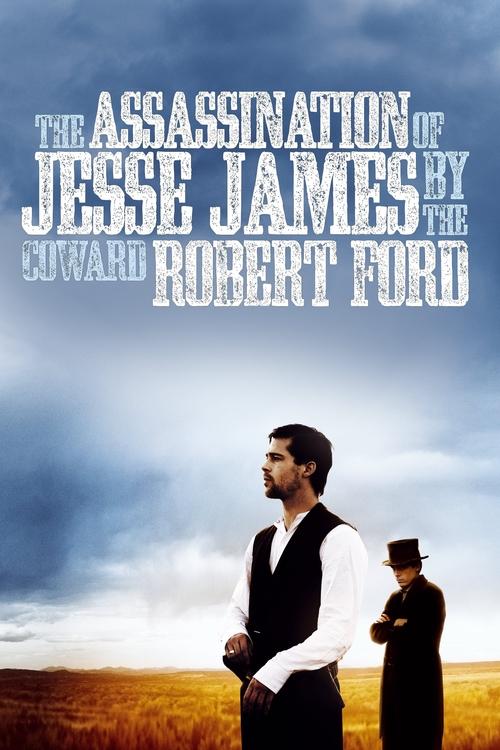
The Assassination of Jesse James by the Coward Robert Ford2007
Where Comanche Station quietly undermines the hero's certainty through economic, efficient storytelling, Dominik luxuriates in moral rot—but both films see reputation and legend as traps rather than achievements. Both understand that the West is a place where men destroy themselves.
Andrew Dominik's meditation on fame, betrayal, and the stories we construct about heroism. Brad Pitt and Casey Affleck circle each other with mounting dread. Roger Deakins' cinematography treats the frontier as a place of moral rot beneath romantic myth. Hypnotic and unsettling.
But Three hours of mounting paranoia and claustrophobia. Plotless in conventional terms, driven by psychology and aesthetic mood rather than Western-genre momentum. Some find it pretentious; others find it unbearably bleak.
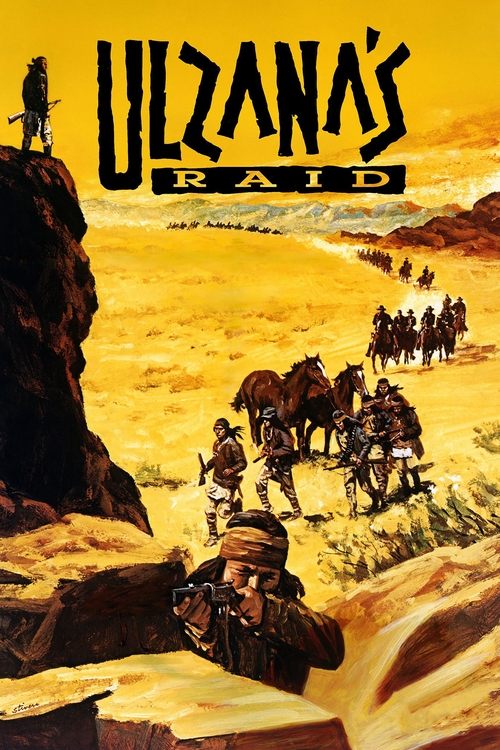
Ulzana's Raid1972
Both films center on a white protagonist forced to reckon with the Comanche as fully human—neither threatening nor romantic, simply present and reasonable. Both understand that survival and rescue are more complicated than the premise suggests. The ransom economy in Comanche Station finds its dark mirror in Ulzana's Raid's calculation of lives and duty.
Robert Aldrich's desert Western about an Apache war chief and a cavalry officer locked in mutual understanding and opposed duty. Burt Lancaster and Bruce Davison navigate impossible choices. Relentlessly intelligent about the futility of frontier conflict, the uselessness of victory, the humanity of the enemy.
But Brutal and bleak, with no cathartic resolution or moral comfort. Violence is consequence rather than spectacle. The sympathetic portrayal of Apache resistance will alienate those expecting traditional cavalry-and-Indians mythology.
People
Cast
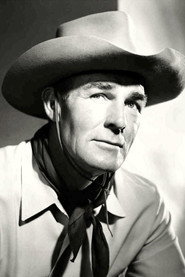 Randolph ScottJefferson Cody
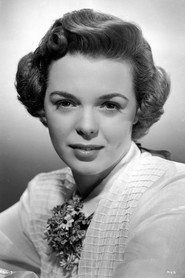 Nancy GatesMrs. Lowe
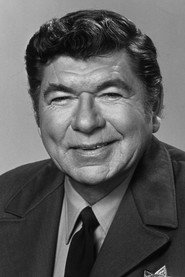 Claude AkinsBen Lane
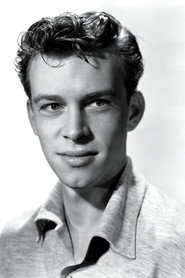 Skip HomeierFrank
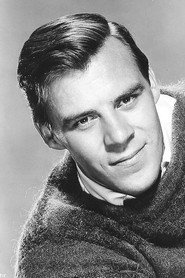 Richard RustDobie
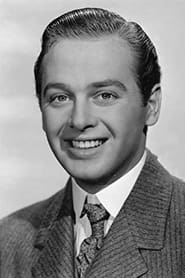 Rand BrooksStation Man
- Dyke JohnsonMr. Lowe
- Foster HoodComanche Lance Bearer (uncredited)
- Joe MolinaComanche Chief (uncredited)
- Vincent St. CyrWarrior (uncredited)
- P. HollandLowe Boy (uncredited)
Directing
- Sam NelsonAssistant Director
- Budd BoetticherDirector
Writing
- Burt KennedyScreenplay
Production
- Harry Joe BrownExecutive Producer
- Budd BoetticherProducer
- Randolph ScottProducer
Recommended by
Ride Lonesome, The Tall T, Devil's Doorway, In a Valley of Violence, The Savage, Westbound, The Missing, 7 Men from Now, Buchanan Rides Alone