
Film
Westbound
A lean Civil War-era Western where Randolph Scott shepherds Union gold through hostile Colorado territory. It's brisk, purposeful filmmaking—69 minutes of real stakes, no fat. For fans of Westerns that treat conflict as a practical problem rather than operatic spectacle.
If you liked this
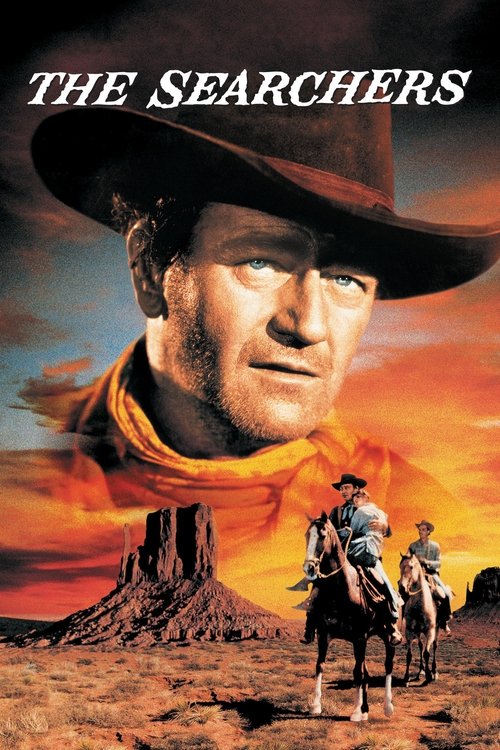
The Searchers1956
John Ford's masterpiece redefines the Western as moral inquiry. Scott's taut pragmatism here shares DNA with the best Ford Westerns—men solving problems through will and cunning rather than mythmaking.
But It's three hours and moves at its own pace. The landscape matters more than plot efficiency, which can feel glacial if you want action.
Johnny Guitar1954
A Western so strange and committed it rewires the genre. Like Westbound, it's short, lean, and obsessed with a single objective pursued through hostile territory without apology.
But Joan Crawford chewing scenery and gender politics that won't sit still. It's deliberately weird in ways that can feel more dated than straightforward.

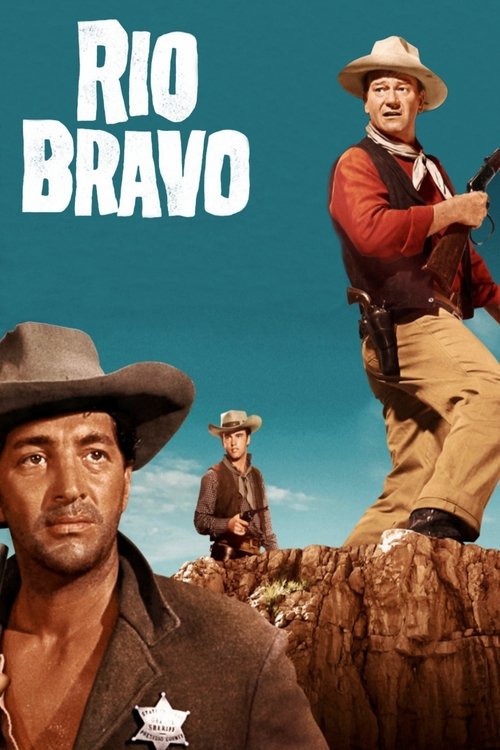
Rio Bravo1959
Hawks' masterpiece—a siege Western where holding a position matters more than movement. Scott and Wayne share a philosophy: competence and loyalty under pressure, no speeches needed.
But It's 141 minutes and half of it is hanging around. If you want momentum, Westbound delivers it faster.
Not sure tonight? Get a pick in a minute, starting from Westbound
The wildcard
Something you would not have found on your own.
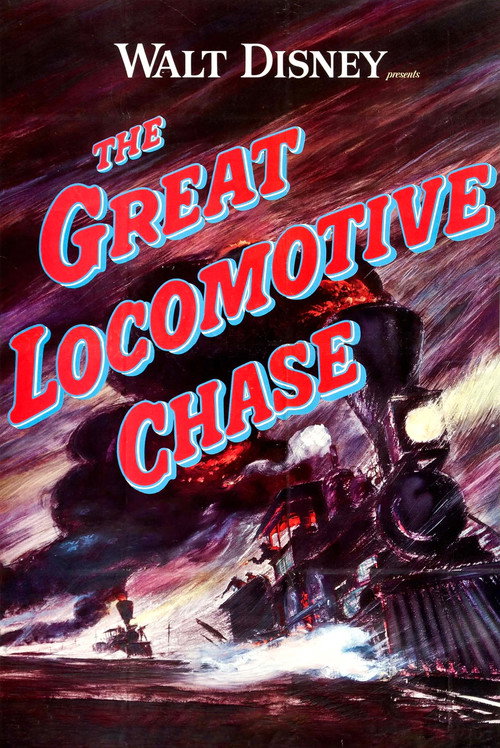
The Great Locomotive Chase1956
Both are films about moving a precious commodity through enemy territory under extreme time pressure. The structure is identical: obstacle, solution, new obstacle, repeat. But one discovers cinema itself in the process.
Keaton's silent masterpiece inverted: a Union spy and a Confederate soldier race a stolen locomotive through Georgia. It's a chase film—the purest expression of Scott's mission here—but with the visual poetry and mechanical ingenuity Keaton brought to everything.
But It's from 1926. The pacing and acting register as archaic unless you love silent film grammar. No synchronized dialogue means you read everything from gesture and composition.
More like this (8)
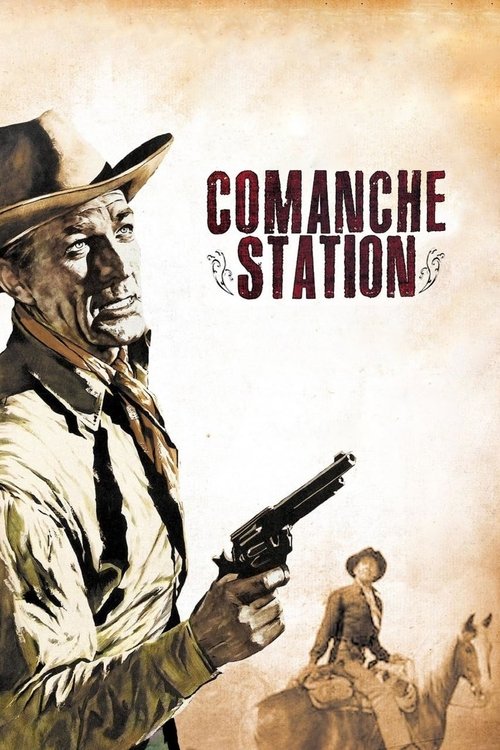
Comanche Station1960
Budd Boetticher and Scott again, making Westerns of surgical precision. A man crosses dangerous land for a single objective. The minimalism and efficiency are everything.
But It's almost austere. There's no romance subplot, no comic relief—just problem and solution.
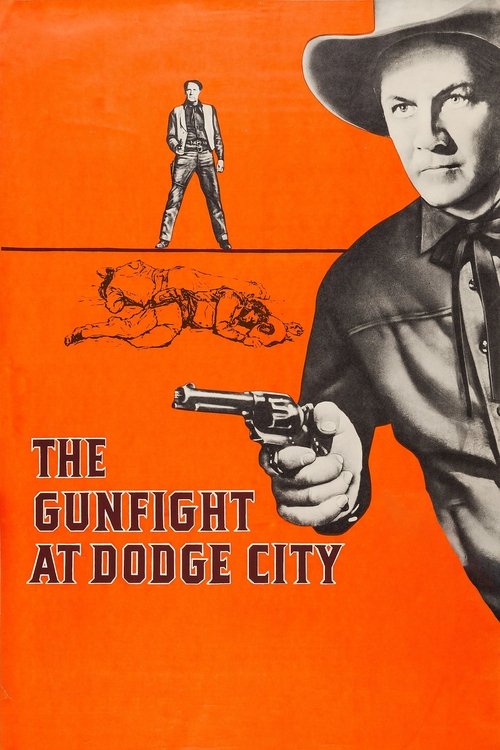
The Gunfight at Dodge City1959
Scott in the same year, with the same lean intensity. Another short Western about a man moving through a landscape toward a fixed goal, with danger at every step.
But It doesn't reinvent anything. If you've seen several Scott Westerns, this one feels familiar in structure and tone.
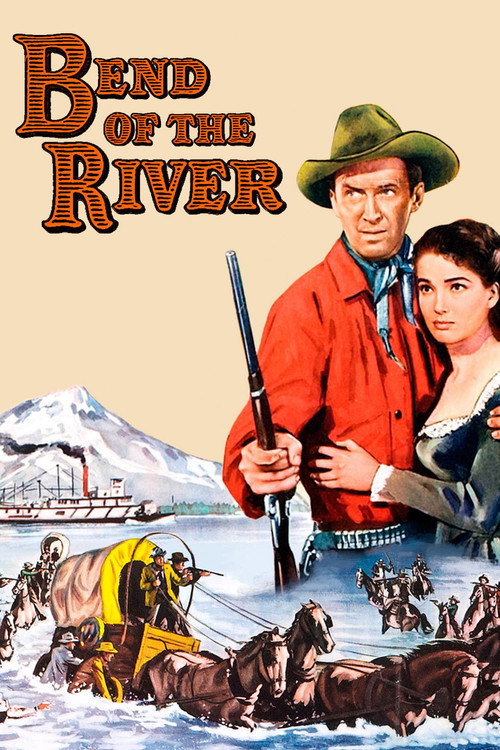
Bend of the River1952
James Stewart leading a wagon train through Oregon territory, beset by moral compromise and betrayal. Scott's competence here echoes Stewart's pragmatic survival instinct in that film.
But It's sentimental in places. The moral weight is front-loaded, which can feel heavy-handed compared to Westbound's economy.
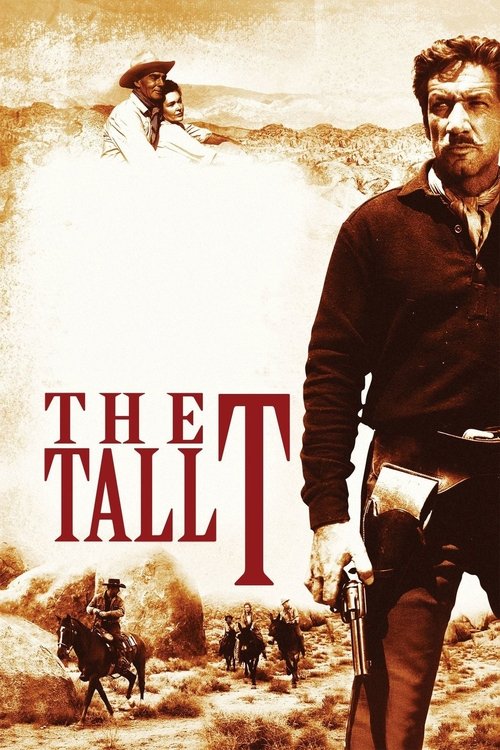
The Tall T1957
Another Boetticher-Scott collaboration: a man outnumbered in hostile territory, thinking his way through danger. The dialogue is sharp and the stakes feel real.
But The pacing is meditative. It's a chess game, not a sprint—which means it demands patience.
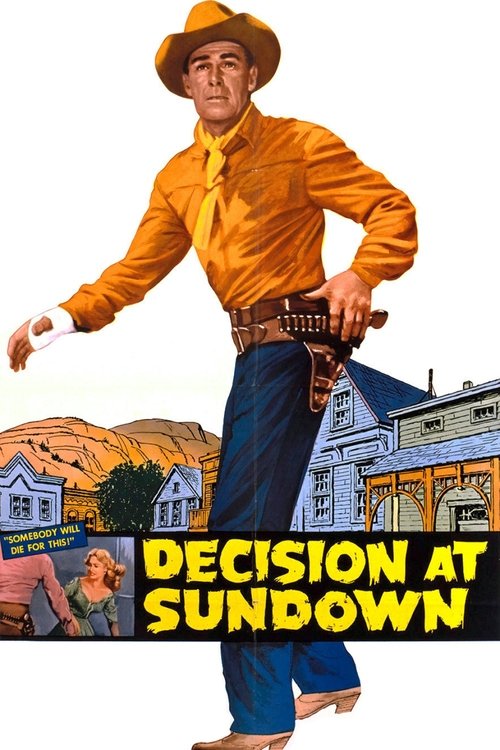
Decision at Sundown1957
Scott plays a man with a single-minded purpose in a hostile town. Boetticher again; the moral clarity and psychological tension are exactly the film's engine.
But It's psychologically dark in ways that undercut traditional Western heroism. That might feel less fun than you want.
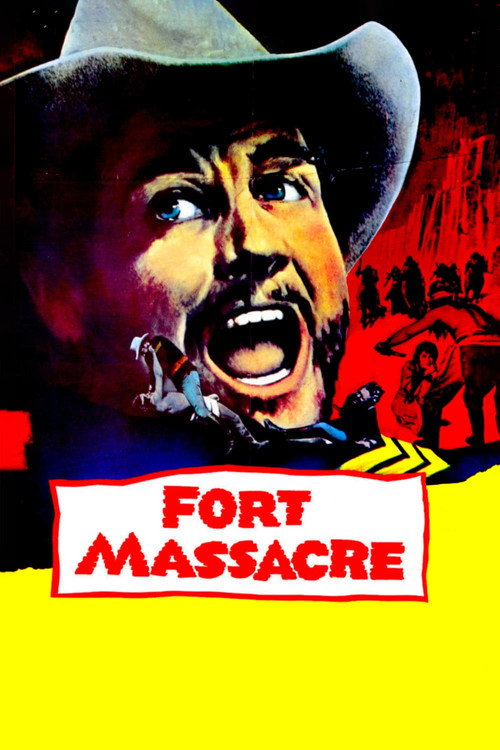
Fort Massacre1958
Joel McCrea in a similar crucible—a man holding a position against overwhelming odds, making hard choices. The same DNA as Westbound, with excellent supporting work from Forrest Tucker.
But The second half slides into conventional action beats. The intelligence of the setup matters more than the payoff.
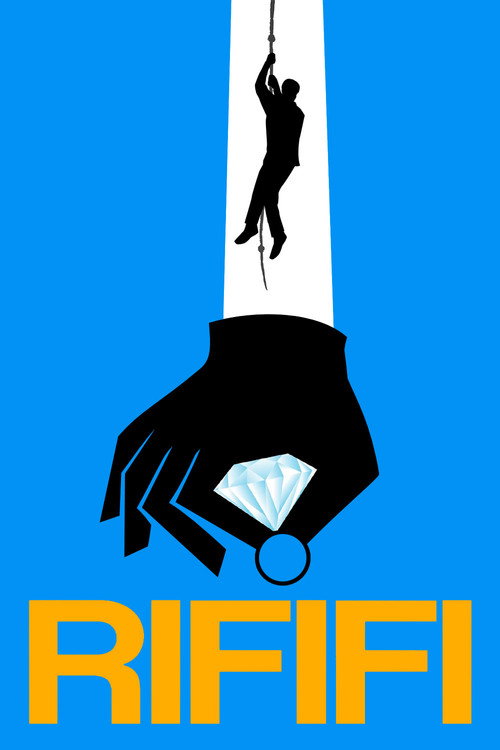
Rififi1955
Both are about moving something valuable through dangerous territory without being caught. Both trust the audience to understand implication instead of explaining emotion. Both believe competence is beautiful.
A French heist film where men move through a hostile landscape executing a plan with surgical precision. It has zero Westerns DNA but the same DNA as Westbound—competent men solving a practical problem with cunning and silence.
But There's a famous sequence of twenty minutes with no dialogue. It's hypnotic if you trust it, tedious if you don't. The world is harsh and the men are professional—nobody stops to feel things.
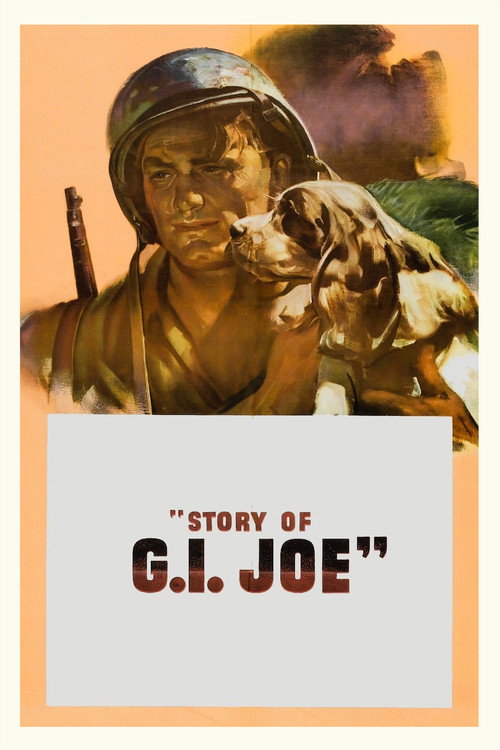
Story of G.I. Joe1945
Identical plot architecture: move valuables from point A to B while avoiding armed opposition. But one is myth-making and one is testimony. Westbound treats danger as adventure; Monte Cassino knows better. Same engine, opposite register.
An Italian neorealist film about partisans moving supplies through occupied territory during WWII. Shot on location with non-actors, it has the same lean pragmatism as Westbound—a mission, obstacles, solution. No score, no sentiment, just necessity.
But It's in Italian with subtitles, visibly made on no budget, and its moral weight is exhausting. This is not entertainment in the way Westbound is. It's documentary-like despair.
People
Cast
 Randolph ScottCapt. John Hayes
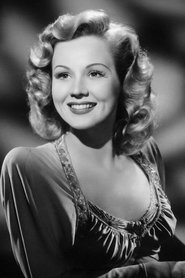 Virginia MayoNorma Putnam
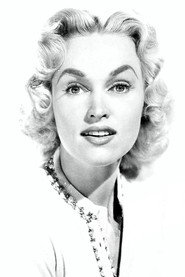 Karen SteeleJeanie Miller
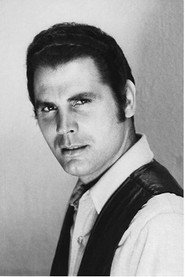 Michael DanteRod Miller
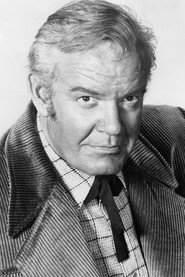 Andrew DugganClay Putnam
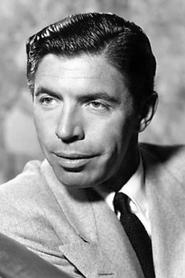 Michael PateMace
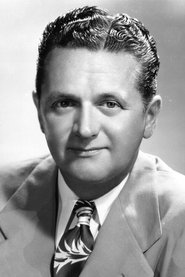 Wally BrownStubby
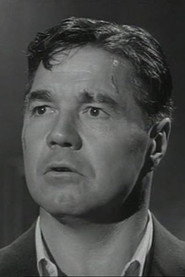 John DaheimRuss
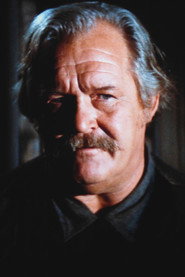 Walter BarnesWillis - Stage Depot Cook
- Walter BaconTownsman (uncredited)
- Jimmie BoothCowhand (uncredited)
- May BossStage Passenger (uncredited)
Directing
- William KissellAssistant Director
- Budd BoetticherDirector
- Lee FredericScript Supervisor
- Victor VallejoSecond Assistant Director
Writing
- Berne GilerScreenplay
- Albert S. Le VinoStory
- Berne GilerStory
Production
- Henry BlankeProducer