
Film
The Great Locomotive Chase
A taut 1956 Civil War adventure about Union soldiers who steal a locomotive deep in Confederate territory, only to be pursued by a determined conductor. It's a chase film before chase films were common—lean, physical, and propelled by genuine historical events. For viewers who love practical ingenuity and period authenticity over spectacle.
If you liked this
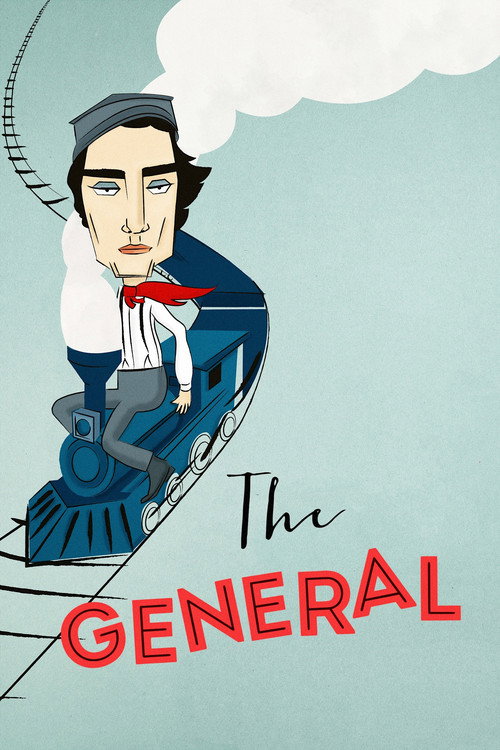
The General1926
Buster Keaton's masterpiece: a man chasing a stolen train through impossible stunts and gags. Silent but hypnotic, it shares The Great Locomotive Chase's obsession with locomotives as characters and obstacles.
But No dialogue means you're reading titles and inferring emotion. The pacing is glacial by modern standards, and slapstick isn't everyone's language.
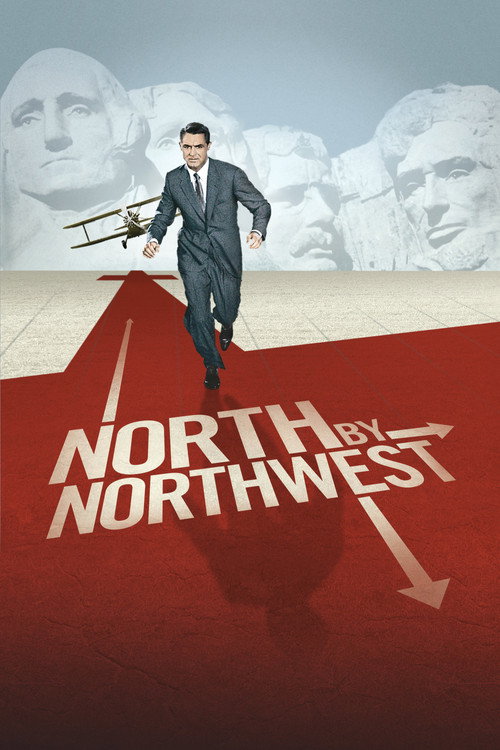
North by Northwest1959
Hitchcock's blueprint for the chase film: ordinary man swept into espionage, pursued across America with wit and precision. Same era, same DNA, infinitely polished.
But It's so culturally dominant that watching it now feels like watching a parody. The gender politics sting a bit.
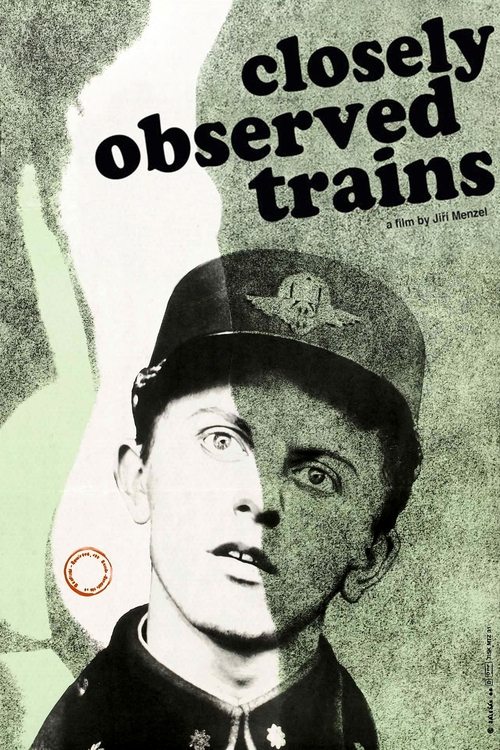
Closely Watched Trains1966
A young railway worker dreams of sabotaging a Nazi supply train. Czech New Wave meets wartime intrigue: tender, funny, and suspenseful without being loud about it.
But It's slow and meditative where you might expect adrenaline. The humour is oblique and the eroticism gets real.
Not sure tonight? Get a pick in a minute, starting from The Great Locomotive Chase
The wildcard
Something you would not have found on your own.
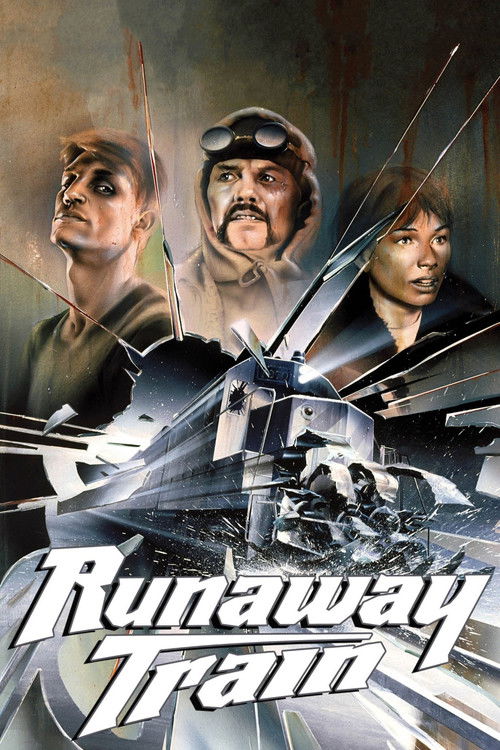
Runaway Train1985
Both films are propelled entirely by a locomotive in motion—it's not a location they pass through, it's the engine of the plot. The landscape becomes an antagonist.
A convict and a railway worker on a derailed locomotive careening through Alaska. It's a pursuit film turned into a catastrophe, with genuine danger and existential dread underneath the action. Jon Voight gives the performance of his life.
But It's aggressively bleak and violent in ways that feel dated and crude. The second half abandons the chase for philosophical monologue, and not everyone will follow it there.
More like this (8)
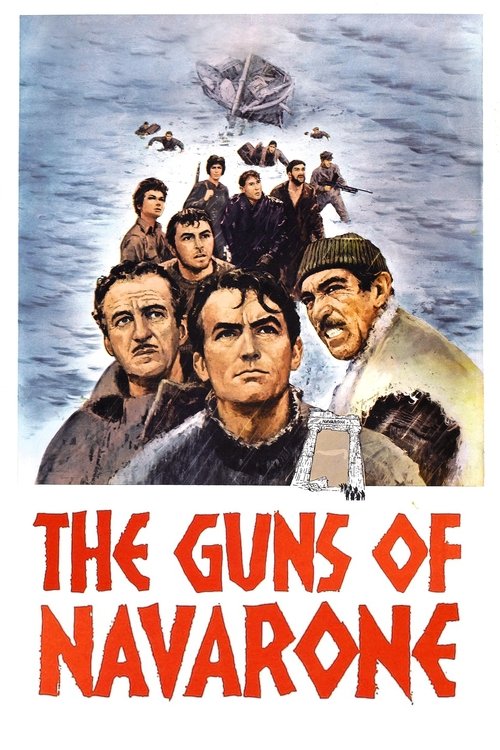
The Guns of Navarone1961
A commando team must infiltrate an island fortress to destroy German guns. Old-school military planning meets genuine tension, with a cast of character actors you believe implicitly.
But The mission-briefing exposition is leaden. Long stretches depend on dialogue and male camaraderie rather than action.
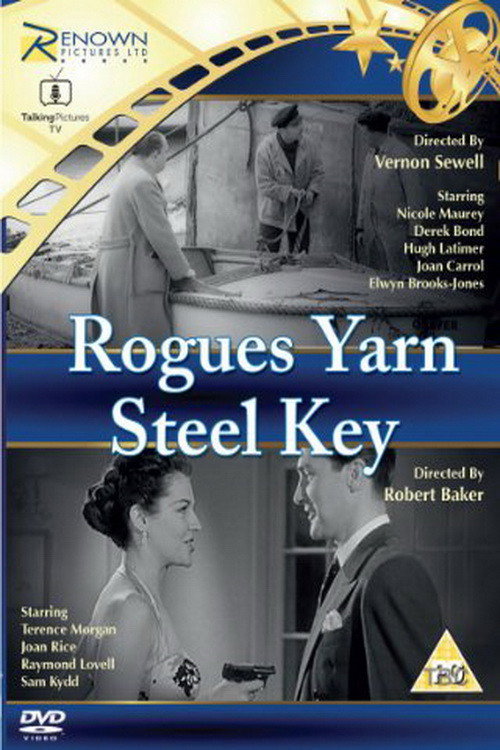
Rogue's Yarn1957
A straightforward Korean War adventure about soldiers navigating impossible odds. No pretension, no irony—just men doing their job and hoping to survive it.
But It's utterly conventional. If you want complexity or moral ambiguity, you won't find it here.
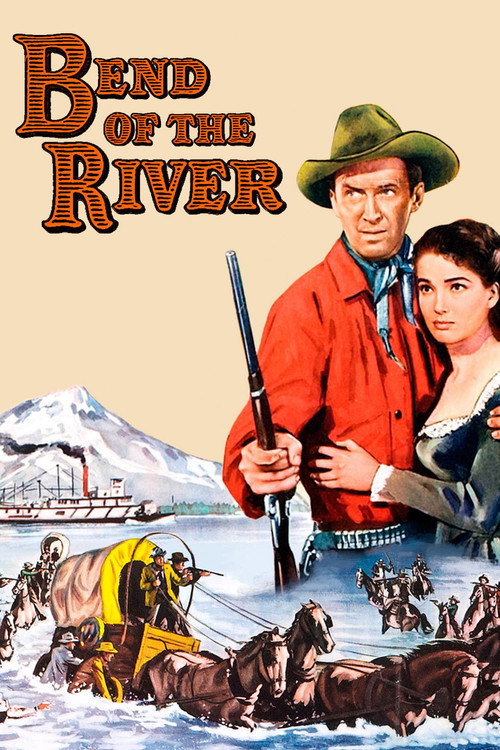
Bend of the River1952
James Stewart in a Western about settlers, integrity, and survival. It has the same practical problem-solving and ensemble camaraderie that animates The Great Locomotive Chase.
But The gender roles are rigid and uncomfortable. It's a James Stewart picture, which means philosophical digressions compete with action.
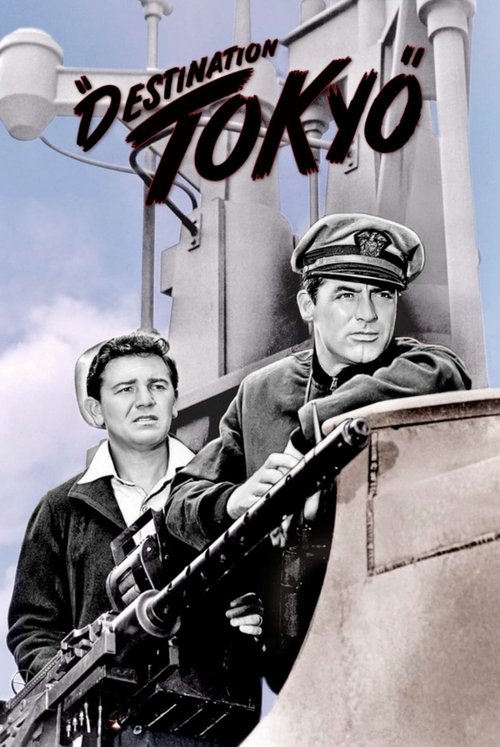
Destination Tokyo1943
A submarine crew must infiltrate Japanese territory on a dangerous mission. Claustrophobic, paranoid, with real attention to procedure and the psychology of men under pressure.
But It's anti-Japanese propaganda from 1943—blunt, dehumanizing, and impossible to watch now without wincing. Also shapeless and talky.
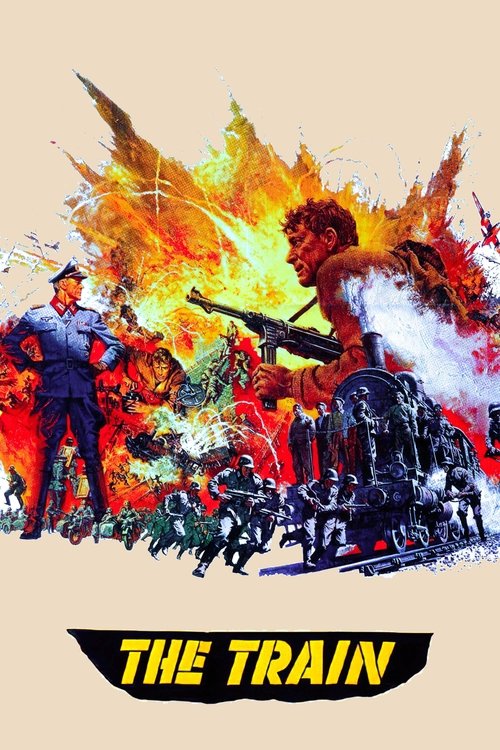
The Train1964
Burt Lancaster as a French Resistance fighter battling a German colonel over a train full of art. Real stunts, real stakes, and a finale you won't forget.
But The politics are muddled and the romance subplot grinds things to a halt. At 140 minutes, it's too long for what it does.
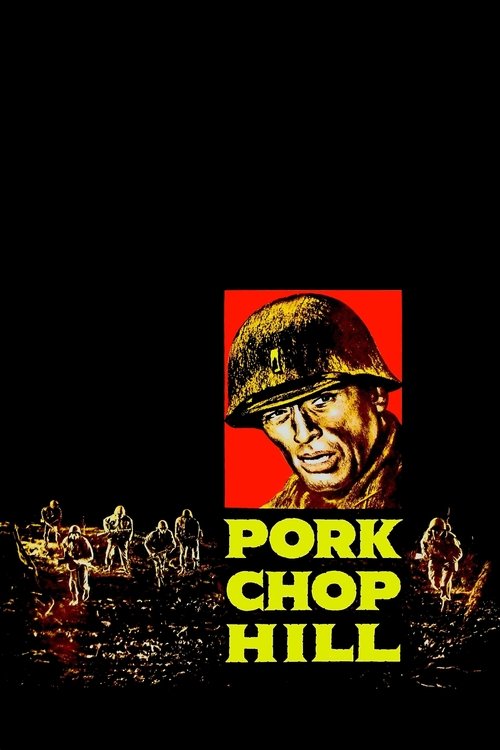
Pork Chop Hill1959
Korean War infantry defending an insignificant hill. Unglamorous, brutal, focused on the small human decisions that keep men alive. Gregory Peck at his most grounded.
But It's bleak and repetitive—the whole point is that the fighting goes nowhere. The nihilism can feel heavy-handed and exhausting.
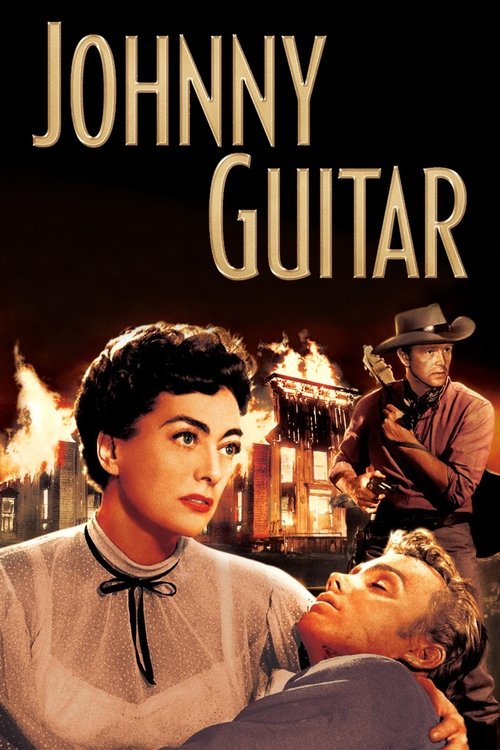
Johnny Guitar1954
Both films are historical-adjacent war stories told as action-adventure, but their emotional truth lies in loyalty and impossible choices between men. Both are really about honor in a corrupt system.
Nicholas Ray's Western about a saloon owner and a mysterious gunslinger. It's not a chase, but it has the same inverted gender dynamics and moral ambiguity wrapped in action-film language. Absolutely hypnotic and strange.
But The Western codes are inverted to the point of abstraction. If you're expecting a traditional narrative, you'll be lost and frustrated.
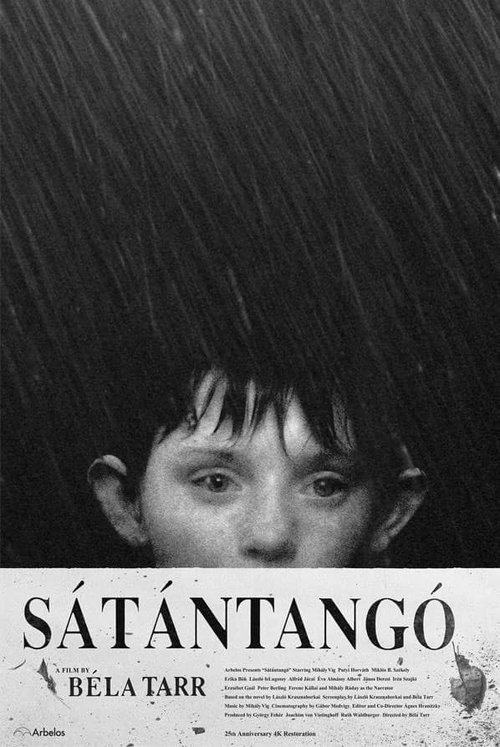
Satantango1994
Both are ensemble narratives about men bound by a mission, each carrying secrets. Both move through landscape (Tarr's spiritual, the Chase's literal) toward an inevitable, ambiguous reckoning. Both trust the audience to sit with complexity.
Béla Tarr's seven-hour Hungarian masterpiece about con men and an isolated village. It has nothing to do with locomotives, but it shares The Great Locomotive Chase's fascination with small groups of men pursuing objectives through hostile territory, and the moral toll of deception and desperation.
But It's in Hungarian with no subtitles, shot in black-and-white, structured as a series of long static takes. It's not entertainment in any conventional sense. Watching it is work.
People
Cast
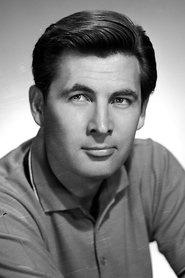 Fess ParkerJames J. Andrews
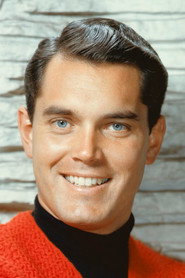 Jeffrey HunterWilliam A. Fuller
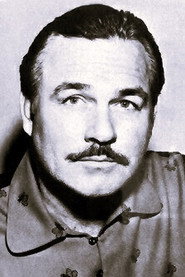 Jeff YorkWilliam Campbell
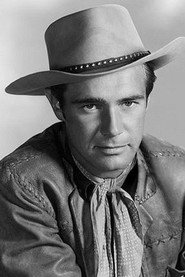 John LuptonWilliam Pittenger
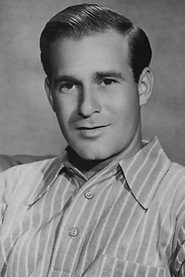 Eddie FirestoneRobert Buffum
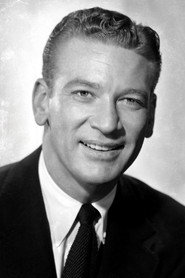 Kenneth TobeyAnthony Murphy
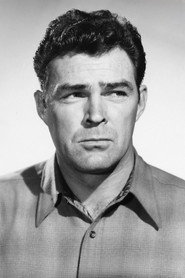 Don MegowanMarion A. Ross
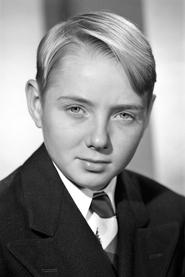 Claude Jarman Jr.Jacob Parrott
 Harry Carey Jr.William Bensinger
 Leonard P. GeerJ.A. Wilson
- George RobothamWilliam Knight
 Stan JonesWilson Brown
Directing
- Francis D. LyonDirector
Writing
- Lawrence Edward WatkinWriter
Production
- Walt DisneyExecutive Producer
- Lawrence Edward WatkinProducer
Recommended by
Breakheart Pass, The Hurricane Express, Westbound, Emil and the Detectives