
Film
Closely Watched Trains
A Czechoslovak gem about a lovesick railway apprentice in occupied Prague, stumbling through wartime with more interest in losing his virginity than Nazi patrols. It's tender, funny, and suddenly grave—a film that lets you laugh at human smallness before reminding you why it matters. For anyone who loves character-driven cinema with real stakes hiding under everyday absurdity.
Should you watch it?
Watch it if you like comedy that finds its laughs in awkward silences and gentle embarrassment, where the wartime backdrop hums quietly and never takes over the frame.
Skip it if you want a brisk story with clear stakes, since this drifts through loosely connected episodes and its sex-focused comedy can feel thin for long stretches.
What it asks of you: Roughly ninety-three minutes with long unhurried stretches of silence and glances; you'll need to sit with small gestures and let the mood accumulate rather than wait for big moments.
Not sure? Find tonight's pick in a minute.
If you liked this
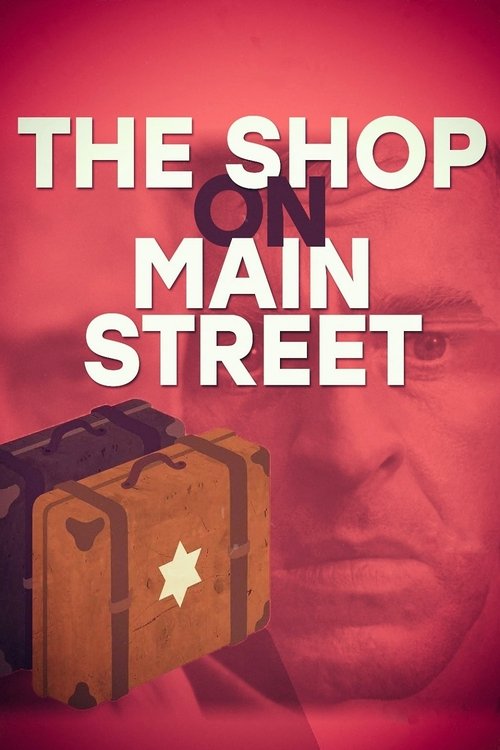
The Shop on Main Street1965
Another brilliant Czechoslovak New Wave film about ordinary people caught between personal desire and historical horror. It has the same bittersweet wisdom and mordant humour about how history slots into real lives.
But Slower and more melancholic than Closely Watched Trains, with less overt comedy to lighten the weight of its ending.
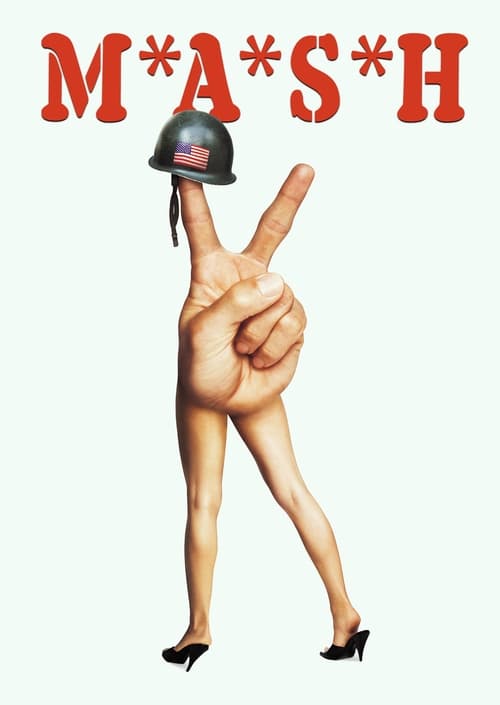
M*A*S*H1970
Altman's masterpiece uses a war setting as canvas for a film really about chaos, survival, and people finding levity in darkness. The same blend of antic comedy and genuine peril, with characters who matter despite their flaws.
But It's louder and more formally experimental than Closely Watched Trains, and the comedy can feel anarchic rather than intimate.
Come and See1985
A devastating Soviet film about a teenage partisan during the Nazi invasion. It shares the idea of an innocent learning brutal truths through war, but renders every detail with pitiless clarity.
But This is harrowing—not a film you enjoy so much as survive. Nothing here is funny, and nothing cushions the horror.

Not sure tonight? Get a pick in a minute, starting from Closely Watched Trains
The wildcard
Something you would not have found on your own.
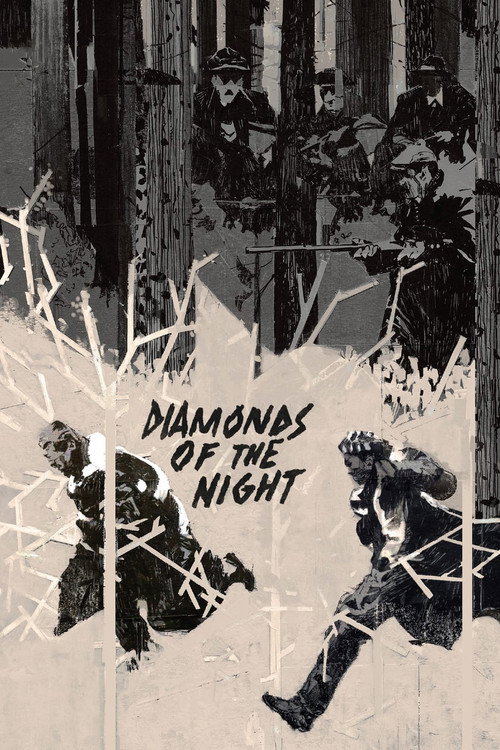
Diamonds of the Night1964
Both are Czech New Wave films about young men navigating desire and survival during wartime; both use landscape and gesture to convey what words cannot.
Two Jewish boys escape a transport train and wander the Czech landscape. It's a work of stunning visual poetry that finds beauty in terror. Like Closely Watched Trains, it's a Czech New Wave masterpiece about youth, desire, and history colliding.
But More experimental and dreamlike than narrative; long stretches have no dialogue, and the experience is disorienting rather than comforting.
More like this (8)
The Third Man1949
Post-war Vienna, moral ambiguity, characters who want something they can't have, and the feeling that history has turned everything slippery and strange. Reed's direction crackles with the same darkly comic energy.
But It's grander and more concerned with geopolitics than Closely Watched Trains, and less interested in the textures of ordinary life.

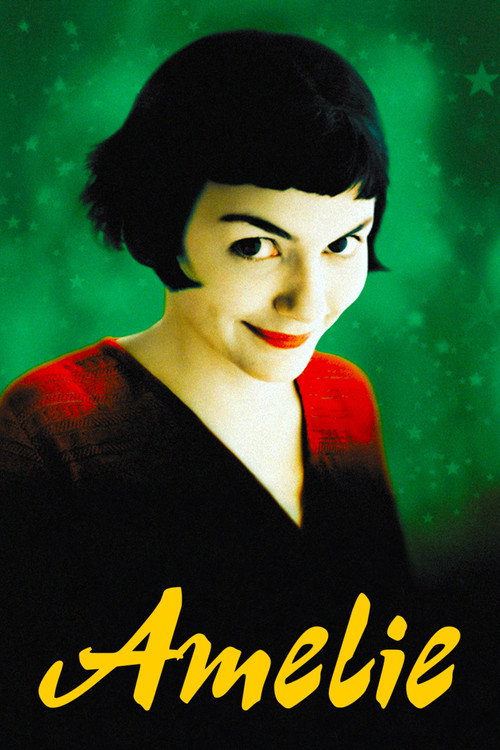
Amélie2001
A film about a young person navigating desire, solitude, and connection in a world that feels slightly unreal. It shares Closely Watched Trains' belief that small gestures and quiet people matter.
But It's whimsical where Closely Watched Trains is grounded, and entirely free of the weight that history brings to the Czech film.
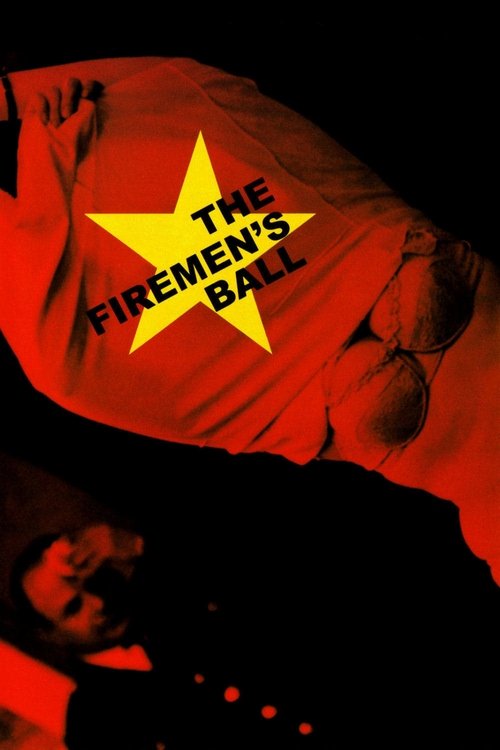
The Firemen's Ball1967
Miloš Forman's satire of small-town social ritual is Czech New Wave absurdism at its peak. Like Closely Watched Trains, it finds comedy in the gap between what people want and what life lets them have.
But More overtly farcical and less emotionally grounded; it's interested in systems more than individuals.
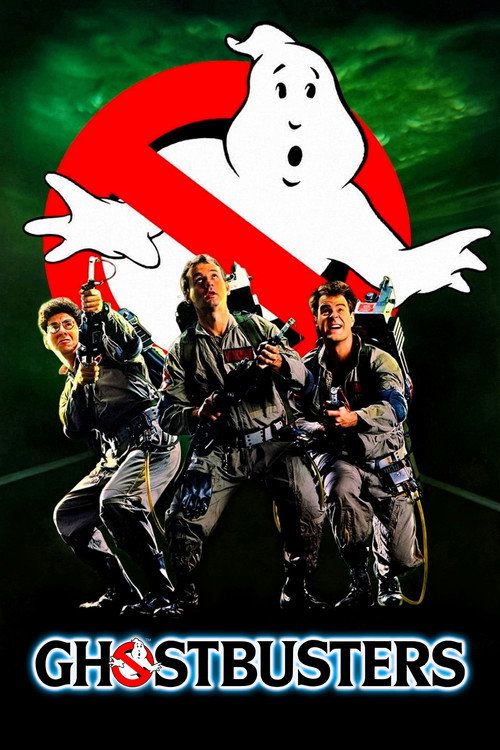
Ghostbusters1984
A film about bumbling, likeable men trying to get through the day while strange forces threaten. It has the same mixture of comedy, action, and genuine affection for its confused protagonists.
But Entirely weightless and contemporary, with no historical dimension or emotional gravity whatsoever.
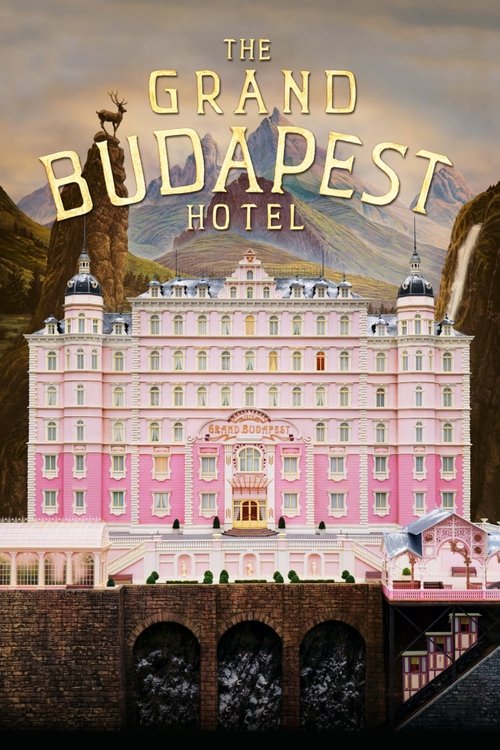
The Grand Budapest Hotel2014
Wes Anderson's pastiche of early-20th-century Europe uses war and history as backdrop for a love story between two men. It captures something of Closely Watched Trains' bittersweet tone and visual elegance.
But Self-consciously stylized to the point of artificiality; it keeps you at a distance rather than drawing you into lived experience.
Singin' in the Rain1952
A film about desire, performance, and people trying to become who they want to be. It has warmth and humour and the same faith that small human moments matter even amid chaos.
But A Hollywood musical from another world entirely; nothing about its tone or register connects to the Czech film.

A Prophet2009
Both chart a boy becoming a man through circumstances beyond his control, and both suggest that small acts of connection matter most when the world is closing in.
A shattering portrait of a young man's initiation into a brutal world. Like Closely Watched Trains, it traces a character's loss of innocence with unflinching honesty and unexpected tenderness.
But French prison drama set in the present day—entirely contemporary and violent in ways that Closely Watched Trains sidesteps. Its tone is much darker, without the comic relief.

Pather Panchali1955
Both see childhood and adolescence as a kind of performance, and both find profound beauty in the textures of daily life even as larger forces press down on their characters.
Ray's Bengali masterpiece about a poor family and their eldest son discovering the world. It shares Closely Watched Trains' eye for ordinary life made luminous, its belief that small joys matter even in hardship.
But A three-hour Indian film from 1955 with subtitles and no plot in the conventional sense—just time passing, seasons changing, small losses accumulating.

People
Cast
 Václav NeckářTrainee Milos Hrma
- Jitka ScoffinConducteress Masa
- Vladimír ValentaStationmaster Max
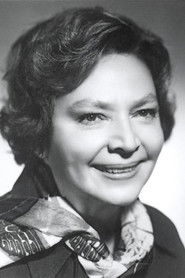 Libuše HavelkováMax's wife
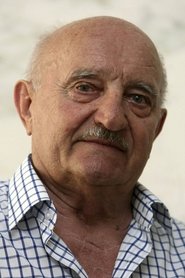 Josef SomrTrain dispatcher Hubicka
- Alois VachekNovak
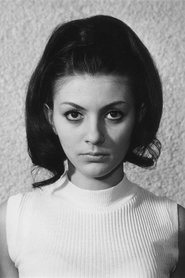 Jitka ZelenohorskáZdenka
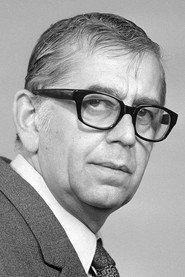 Vlastimil BrodskýCounselor Zednicek
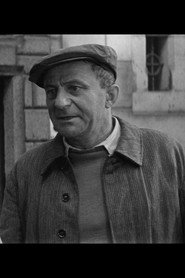 Ferdinand KrůtaMasa's Uncle Noneman
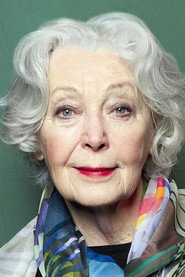 Květa FialováThe countess
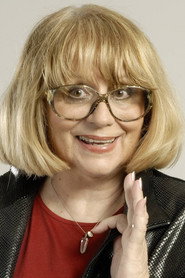 Naďa UrbánkováVictoria Freie
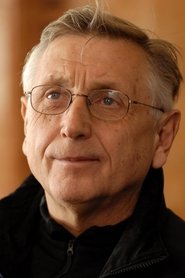 Jiří MenzelDr. Brabec
Directing
- Jiří MenzelDirector
- Bohumil KoubaFirst Assistant Director
- Jana NovotnáScript Supervisor
Writing
- Ladislav FikarCreative Producer
- Bohumil HrabalNovel
- Bohumil HrabalScreenplay
- Jiří MenzelScreenplay
Production
- Ctibor JeřábekAssistant Production Manager
- Bohumil ŠmídaExecutive Producer
- Zdeněk OvesProduction Manager
- Jaroslav VágnerUnit Manager
- Otakar JiříčekUnit Manager
Recommended by
Mephisto, The Firemen's Ball, Sunshine, The Last Stage, The Counterfeiters, Three Colors: White, Loves of a Blonde, Kamchatka, A Woman in Berlin, Narrow Margin, Newsfront, The Shop on Main Street, Diamonds of the Night, Ten Days That Shook the World, Man Is Not a Bird, Death of a Bureaucrat, The Night of the Generals, Hotel Berlin, Intimate Lighting, The Confession, The Fifth Seal, Days of Glory, The Good Soldier Švejk, The Captive Heart, Black Peter, Ay, Carmela!, The Tamarind Seed, Ballad of a Soldier, The Boat Is Full, The War Lord, Passenger, The Cow, Interrogation, The Great Locomotive Chase, The Round-Up, The Young Guard, The Buccaneer