
Film
The Round-Up
A Hungarian masterpiece set in the aftermath of the 1848 revolution, following the brutal interrogation and imprisonment of suspected insurgents. Austere and unflinching, it's a chamber drama of crushing moral weight—how desperation, loyalty, and fear warp ordinary men into instruments of state violence. For anyone who wants cinema that examines power without flinching.
Should you watch it?
Watch it if you are drawn to films where the camera does the arguing, with long, sweeping takes and power shown through choreography rather than speeches.
Skip it if you need a story that moves forward, since this is cold and deliberate, with little dialogue and a formal distance that can feel like homework, even at ninety-one minutes.
What it asks of you: Patience, mostly: long unbroken takes that hold on groups moving across open plains and bare rooms, with the dread building in silence rather than through events.
Not sure? Find tonight's pick in a minute.
If you liked this
Come and See1985
Elem Klimov's Soviet nightmare about a boy conscripted into WWII is similarly unsparing in its refusal to look away from what war does to the human spirit. Bleak, urgent, unforgettable.
But It is genuinely one of the most harrowing films ever made. The suffering is relentless and the ending will sit with you for weeks.

The Battle of Algiers1966
Made the same year, Pontecorvo's docudrama about urban warfare and state repression uses similar stark black-and-white filmmaking to examine interrogation, torture, and the cost of occupation. Essential viewing.
But The pacing is deliberately cold and procedural rather than dramatic. Some find the didactic approach alienating rather than moving.

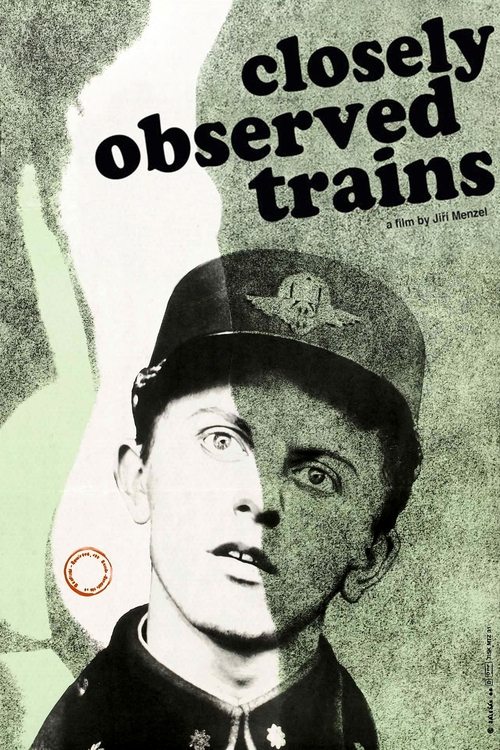
Closely Watched Trains1966
Another '66 Eastern European gem—Jiří Menzel's Czech film about railway workers under Nazi occupation finds dark comedy and humanity amid systemic oppression. A perfect double feature with The Round-Up.
But The tone pivots between tragicomedy and genuine tragedy in ways that take adjustment. It's lighter than The Round-Up but no less morally serious.
Not sure tonight? Get a pick in a minute, starting from The Round-Up
The wildcard
Something you would not have found on your own.
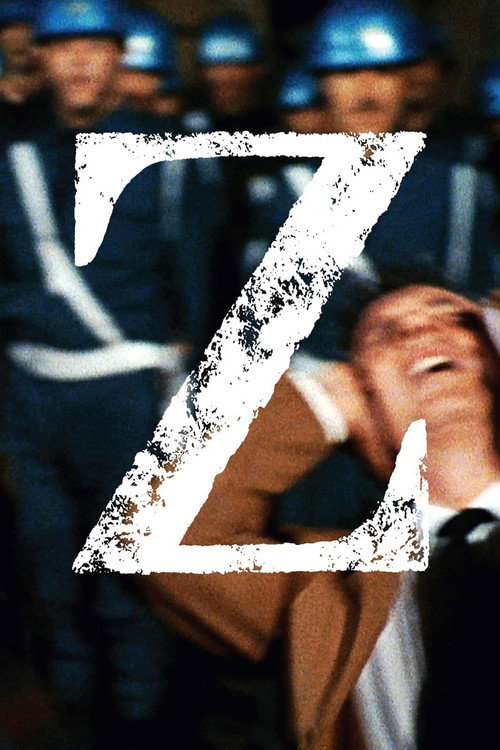
Z1969
Both explore how the state manufactures enemies through interrogation and roundups; The Round-Up is the ice, Z is the fire—same machinery, opposite registers.
Costa-Gavras's political thriller about surveillance, interrogation, and state machinery uses rapid cutting and visceral filmmaking to make The Round-Up's moral questions explosive and kinetic. Same DNA, completely different temperature.
But It's a genre exercise—thriller logic, not philosophical weight. If you love The Round-Up for its austere slowness, this kinetic approach might feel like a betrayal.
More like this (7)
The Seventh Seal1957
Bergman's medieval interrogation of faith and death shares The Round-Up's philosophical gravity and its refusal to offer easy answers. Haunting, formally perfect, and deeply strange.
But The symbolism is heavy and the pace glacial. If you need plot momentum rather than metaphysical wrestling, this will feel like watching paint dry.

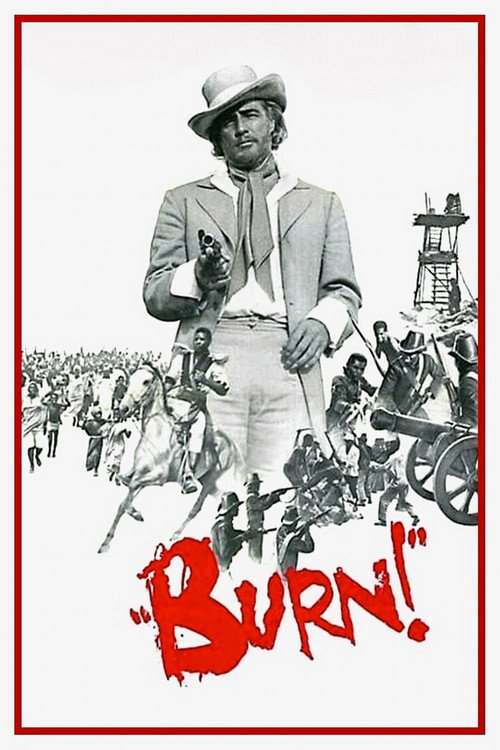
Burn!1969
Gillo Pontecorvo again—his portrait of revolution, betrayal, and colonial violence in the Caribbean uses interrogation and moral ambiguity much as The Round-Up does. Fierce and intelligent.
But It's a long film about ideology that doesn't pretend to have simple answers. The politics can feel abstract if you're not engaged by the premise.
A Prophet2009
Jacques Audiard's prison drama about a young man learning survival and manipulation inside captures the same claustrophobic moral decay. Contemporary but thematically linked—power, complicity, survival.
But The violence is brutal and graphic. It's also very long and deliberately paced, which some find slow.

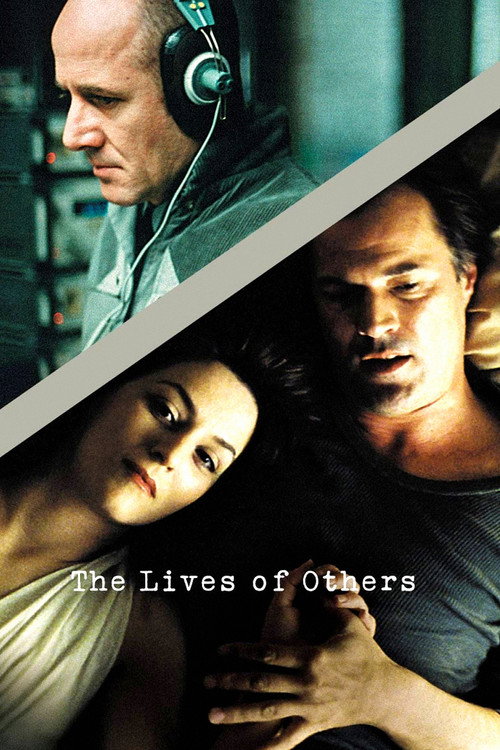
The Lives of Others2006
Set in East German surveillance state, it explores complicity and moral awakening among men caught in state machinery. Excellent thriller that shares The Round-Up's interest in how systems corrupt.
But It's more conventional as narrative. Some find it manipulative after the cold perfection of films like The Round-Up.
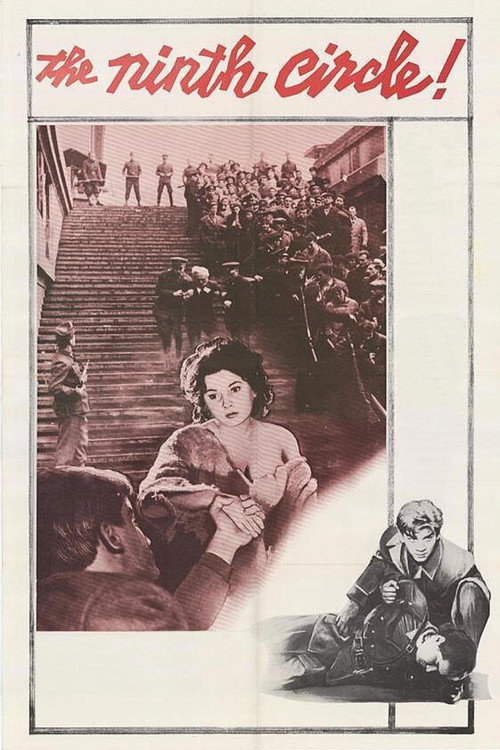
The Ninth Circle1960
French-Yugoslav co-production about imprisoned resisters. Similar historical moment, similar unflinching examination of what happens when the state decides you are expendable.
But Less formally inventive than The Round-Up and harder to find. The print quality varies wildly depending on source.
Memories of Murder2003
Both are about interrogation systems and what they reveal about power; where The Round-Up asks whether the accused can survive, Memories of Murder asks whether investigators can stay human.
Bong Joon-ho's serial killer procedural set during South Korean martial law uses interrogation as its central obsession—but here it's about detective work, not ideology. Funny, horrifying, deeply intelligent about how power corrupts investigation itself.
But It's a genre film, not a philosophical essay. The tone swings wildly from dark comedy to brutality. Some sequences are genuinely disturbing.

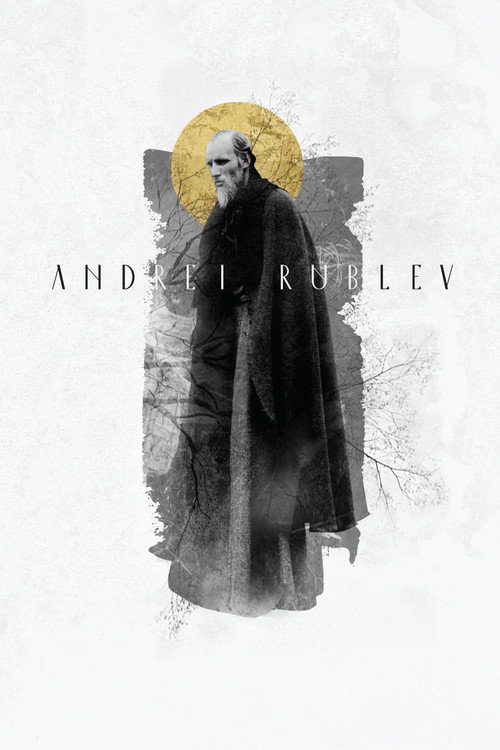
Andrei Rublev1966
Both use austere black-and-white cinematography and long takes to create moral weight; both ask what it means to maintain integrity under state violence; both trust silence more than dialogue.
Tarkovsky's three-hour meditation on art, faith, and suffering during Mongol occupation of Russia. Another 1966 film, equally uncompromising, using long takes and metaphysical weight to examine survival under oppression.
But It is extremely long, deliberately slow, and primarily interested in philosophical texture rather than narrative. The final sequence is in color after hours of black-and-white; it's weird and can feel pretentious.
People
Cast
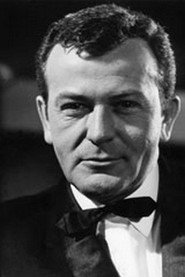
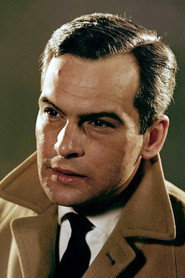 Zoltán LatinovitsVeszelka Imre
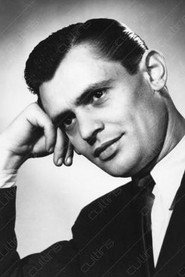 János GörbeGajdor János
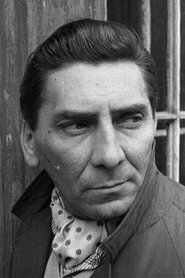 Tibor Molnárid. Kabai
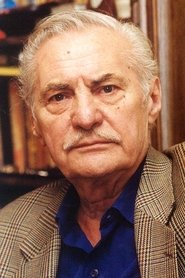 Gábor AgárdyTorma
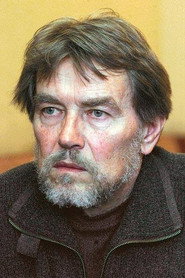 András KozákIfj. Kabai
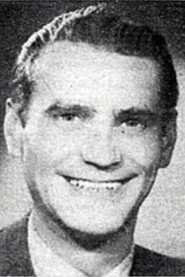 Béla BarsiFoglár
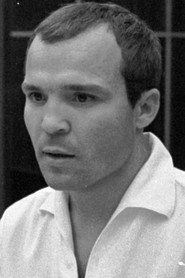 József MadarasMagyardolmányos
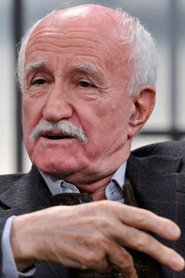 János KoltaiVarjú Béla
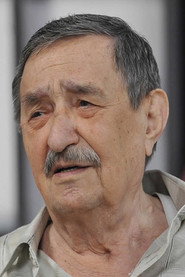 István AvarVallató I
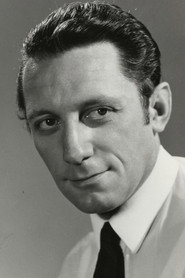 Lajos ŐzeVallató II
Directing
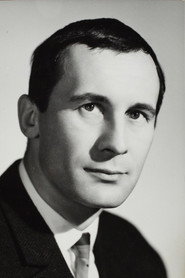
- Miklós JancsóDirector
Writing
- Luca KarallScript Editor
- Gyula HernádiWriter