
Film
Z
Costa-Gavras dresses a howl of political rage as a breathless procedural: a leftist politician is killed at a rally, and the investigation that follows peels back layer after layer of military and police complicity. It moves like a thriller, cuts like a razor, and ends with a gut-punch of an epilogue. For anyone who wants their outrage set to a killer rhythm section.
If you liked this
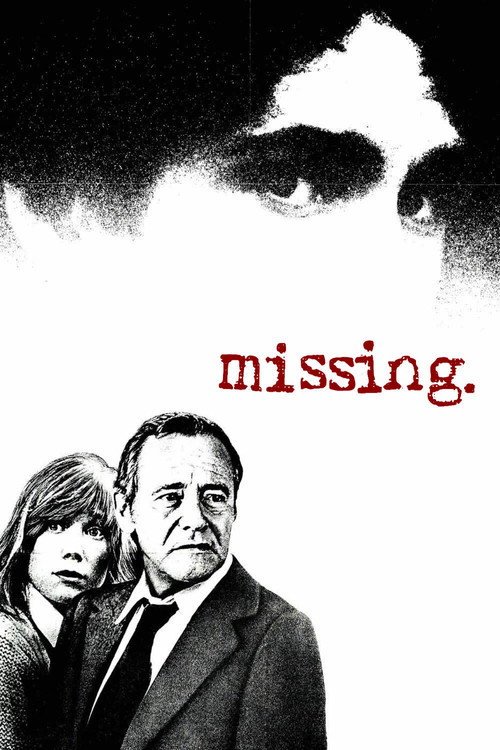
Missing1982
Costa-Gavras again, this time with Jack Lemmon as a father searching for his son who's vanished under a US-backed junta. Same fury, same clarity, aimed at a real Chilean-adjacent story.
But It's slower and more grief-driven than Z — a father's search rather than a courtroom sprint.
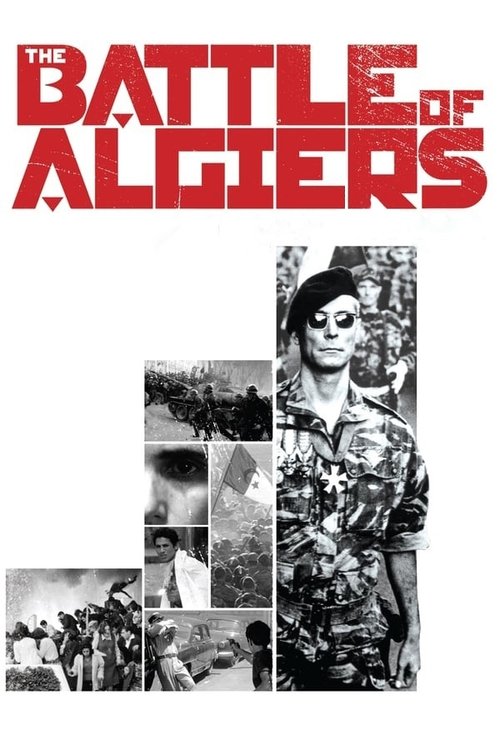
The Battle of Algiers1966
The other great docudrama of political violence from this era, shot with the same grainy, handheld urgency, no score wasted on sentiment, just the machinery of occupation and resistance grinding forward.
But Structurally looser than Z, with no single protagonist to hang onto — it's more mosaic than thriller.
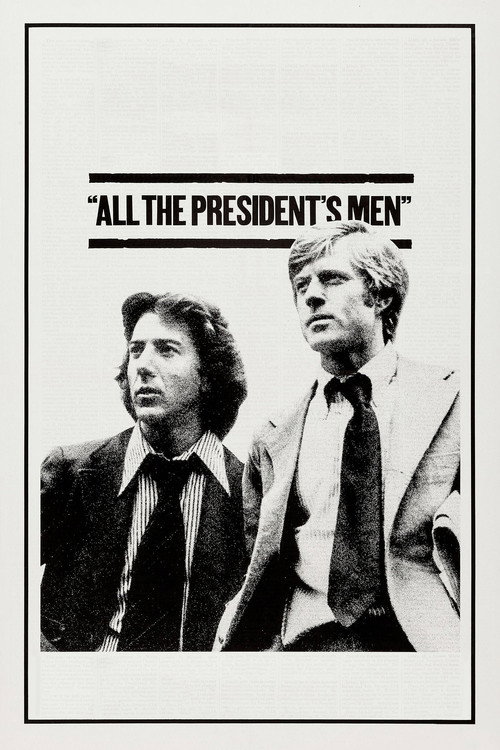
All the President's Men1976
Swap the murdered activist for a break-in and the magistrate for two reporters, and you've got the same engine: patient, procedural digging that slowly exposes rot at the top.
But Talkier and drier — phone calls and index cards rather than Z's street violence and chase energy.
The wildcard
Something you would not have found on your own.
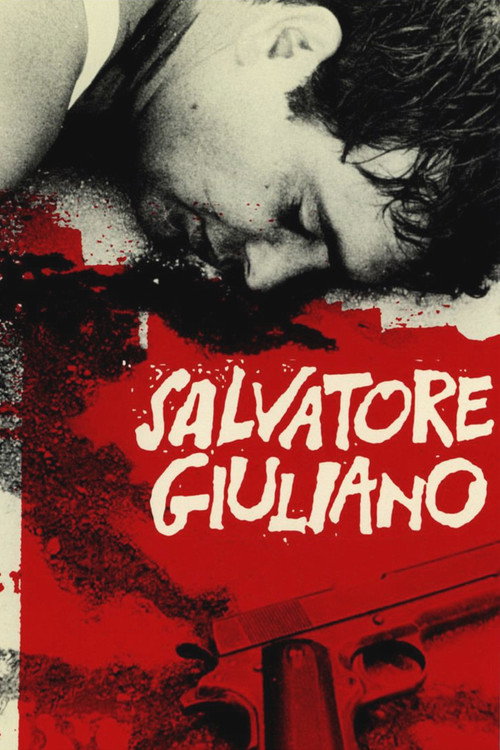
Salvatore Giuliano1962
Costa-Gavras openly drew on Rosi's method of building a political killing out of fragmented, contradictory testimony rather than linear narrative — this is the blueprint Z refined into a thriller.
Francesco Rosi's fractured, non-chronological docudrama about a real Sicilian bandit's death did this technique first — piecing together a political killing through fragments, testimony, and official lies.
But No forward momentum or thriller pacing; it's deliberately disorienting, jumping through time to mirror the confusion of the cover-up.
More like this (8)
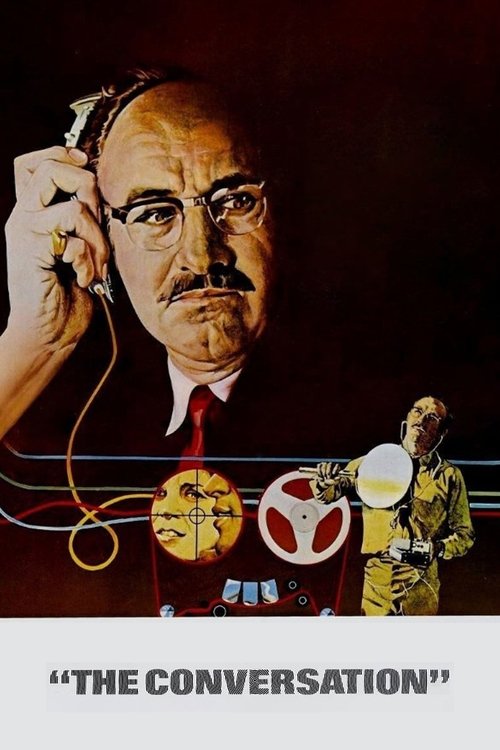
The Conversation1974
Coppola's paranoid chamber piece shares Z's suspicion of institutions and surveillance, but turns the camera inward on one man's guilt rather than a nation's cover-up.
But Much quieter and more interior — this is a character study, not a thriller with momentum.
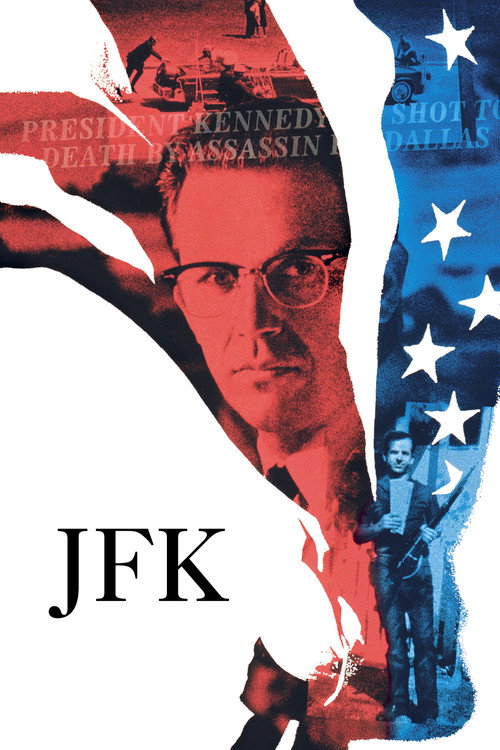
JFK1991
Stone takes Z's conspiracy-thriller DNA and inflates it to operatic, everything-connects scale, chasing the same question: what happens when the state investigates itself?
But Three hours of dense, overlapping testimony — exhilarating if you're in, exhausting if you're not.
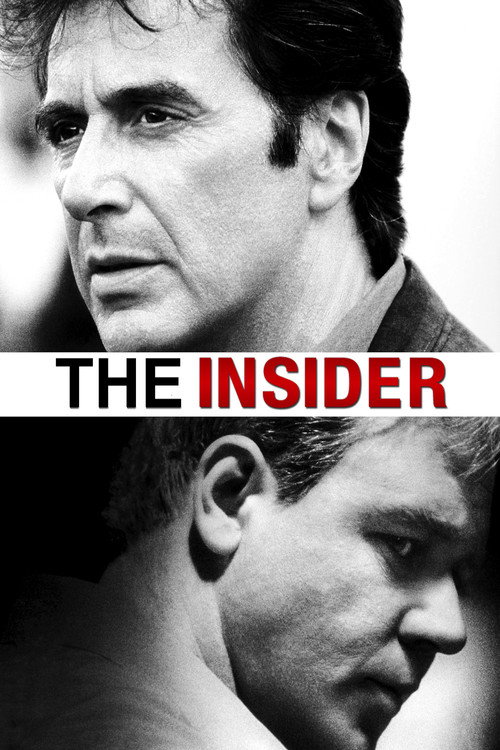
The Insider1999
A whistleblower thriller about institutions closing ranks against one man telling the truth, with the same slow-building dread and unglamorous heroism as Z's magistrate.
But Corporate boardrooms instead of soldiers and street violence — a much cooler, more clinical temperature.
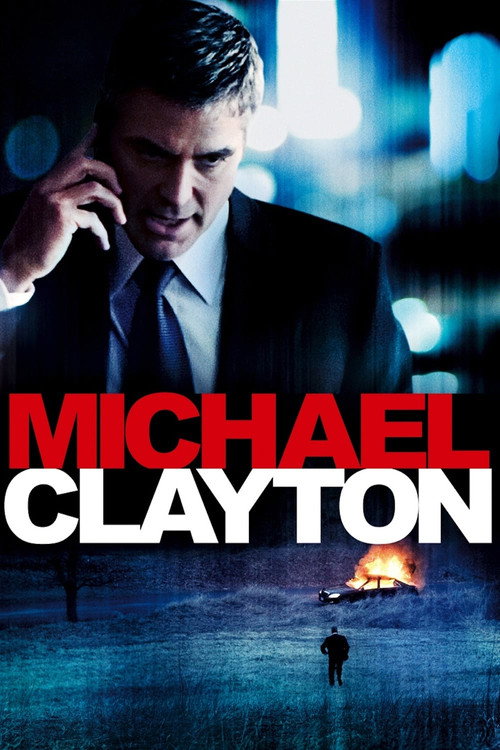
Michael Clayton2007
A conspiracy thriller where the villain is a system rather than a person, and the hero's weapon is persistence and disgust rather than a gun.
But Corporate legal intrigue lacks the visceral, street-level violence that gives Z its charge.
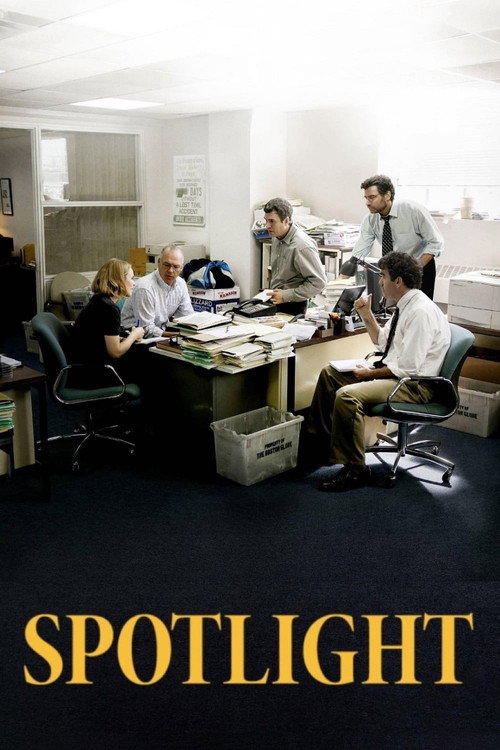
Spotlight2015
Investigative rigor as moral urgency — a newsroom uncovering institutional cover-up piece by piece, sharing Z's faith that dogged process can actually expose the truth.
But Deliberately unshowy and procedural; if you loved Z's kinetic edits and chases, this will feel restrained.
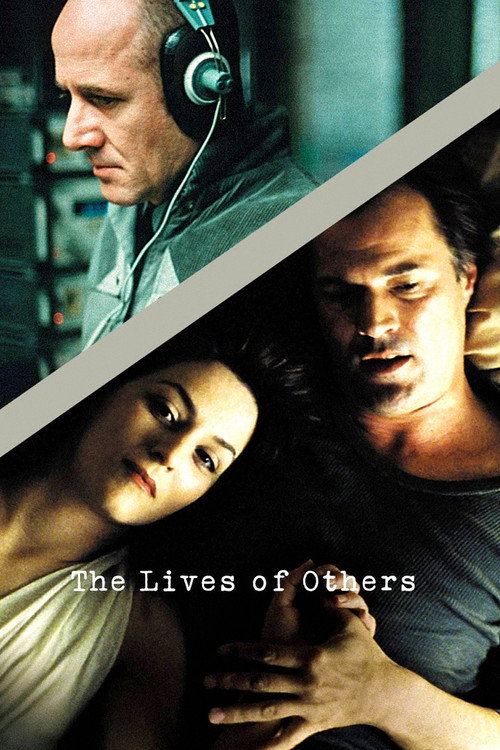
The Lives of Others2006
A quieter, more melancholic cousin — East German surveillance state instead of Greek junta, but the same interest in how ordinary people get crushed or redeemed by the machine.
But Slow-burn and intimate rather than propulsive; this is about one man's conscience, not mass unrest.
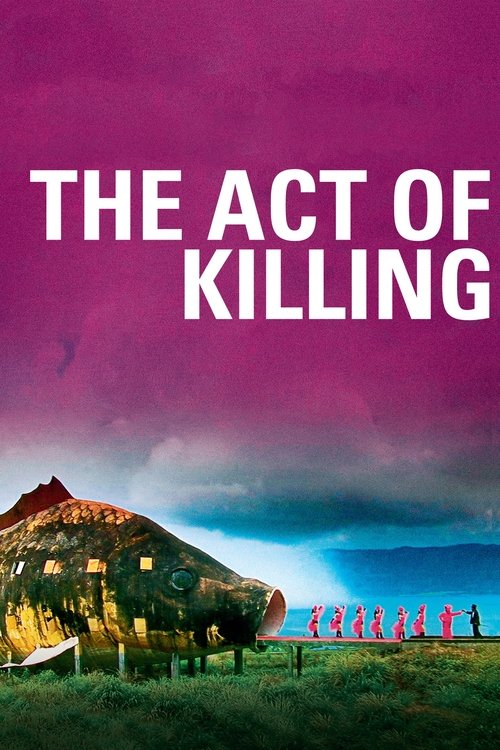
The Act of Killing2012
Both interrogate a state's ability to erase accountability for political murder — Z fictionalizes the cover-up, this documentary shows you men who never had to cover anything up at all.
A documentary in which real perpetrators of Indonesia's 1965 massacres reenact their killings, sometimes proudly, exposing the same impunity Z dramatizes but with the horror of it being unstaged.
But Genuinely disturbing and morally vertiginous — there's no fictional distance to hide behind, and it offers no catharsis.
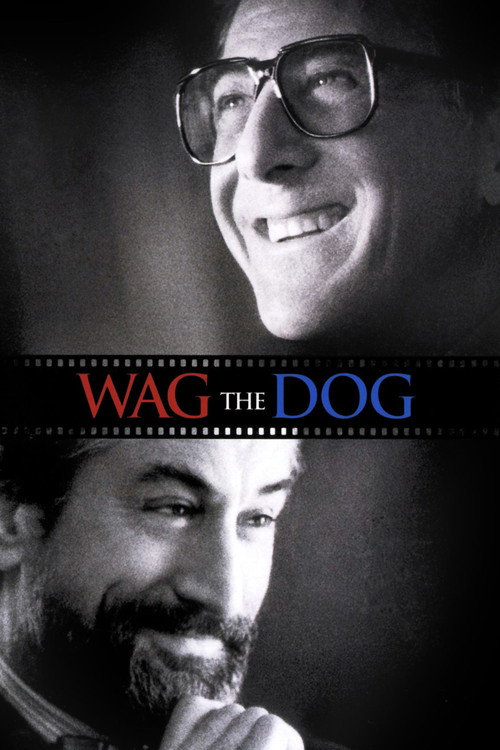
Wag the Dog1997
Same structural idea, inverted register: instead of a government's lies being torn apart by a magistrate, we watch, almost admiringly, as the lies get built in the first place.
The same machinery Z exposes — a state manufacturing a story to bury an inconvenient truth — rebuilt as a razor-sharp satire, with spin doctors instead of soldiers.
But Broad comic tone and cynical wink where Z is deadly serious; some will find the jokiness glib given the subject.
People
Cast
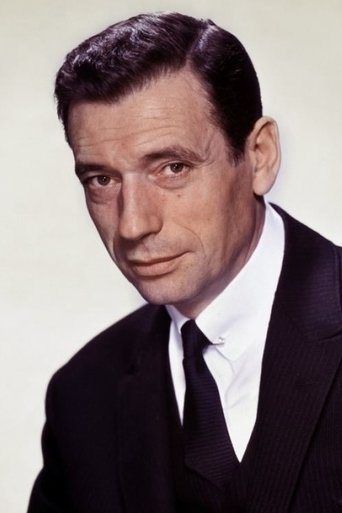
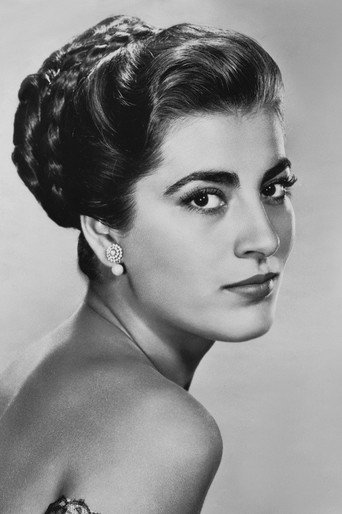 Irene PapasHélène
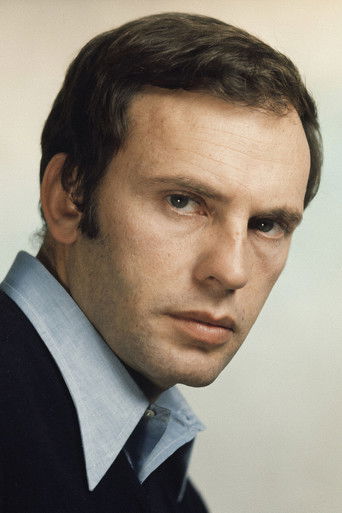 Jean-Louis TrintignantExamining Magistrate
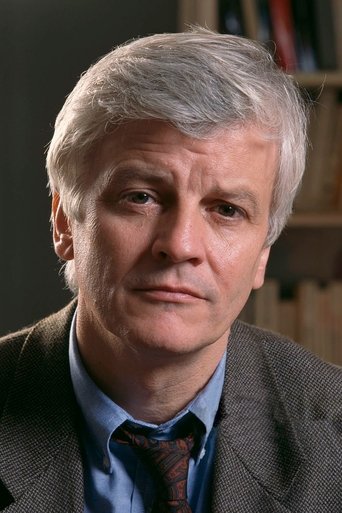 Jacques PerrinPhotojournalist
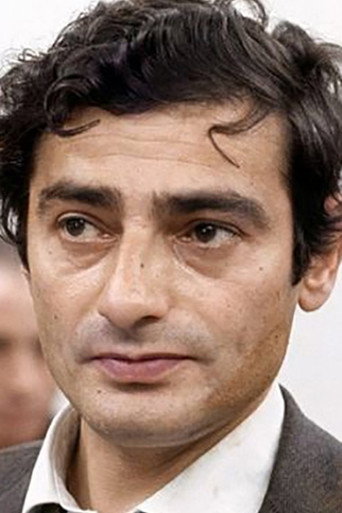 Charles DennerManuel
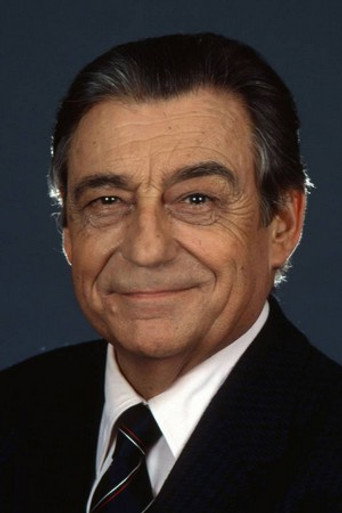 François PérierPublic Prosecutor
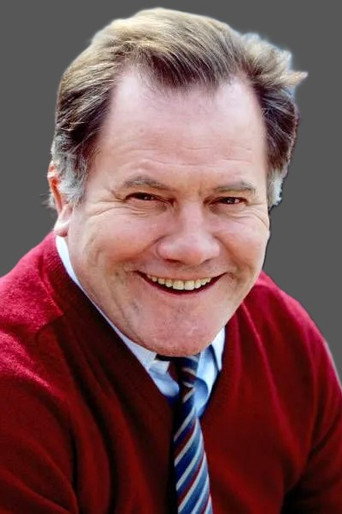 Bernard FressonMatt
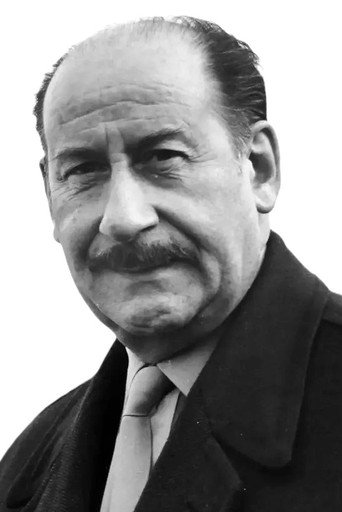 Pierre DuxGendarmerie General Missou
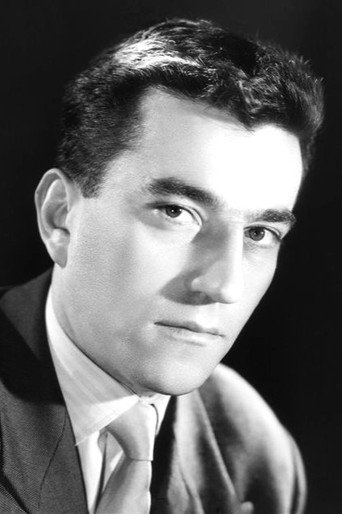 Georges GéretNick
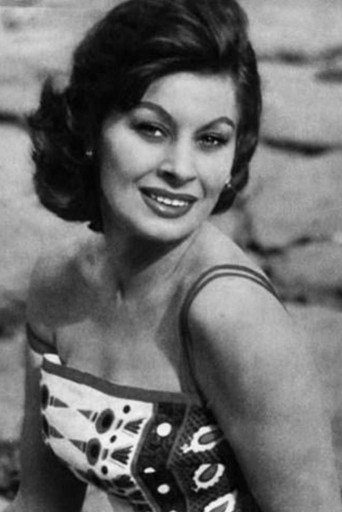 Magali NoëlNick's Sister
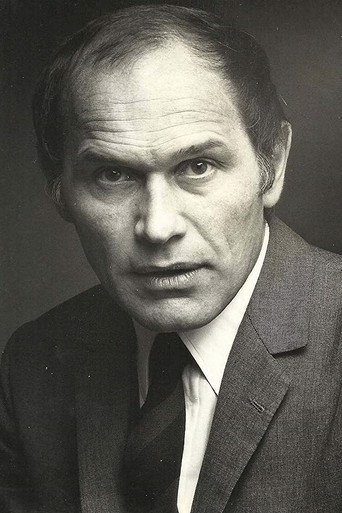 Marcel BozzuffiVago
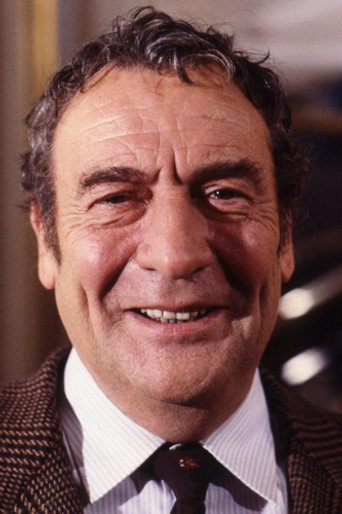 Julien GuiomarGendarmerie Colonel
Directing
- Ghaouti BendedoucheAssistant Director
- Philippe MonnierAssistant Director
- Costa-GavrasDirector
- Annie MaurelScript Supervisor
Writing
- Vasilis VasilikosNovel
- Costa-GavrasWriter
- Jorge SemprúnWriter
Production
- Eric SchlumbergerAssociate Producer
- Philippe d'ArgilaAssociate Producer
- Ahmed RachediProducer
- Jacques PerrinProducer
- Hubert MérialProduction Manager
Recommended by
The Battle of Algiers, Under Fire, The Report, Missing, Primary, Mr. Smith Goes to Washington, Salvatore Giuliano