
Film
Conquest of the Planet of the Apes
The fourth Planet of the Apes film is a direct, fiery allegory about oppression and uprising. Caesar, a genius chimp, organises enslaved apes to reclaim their freedom. It's raw and earnest sci-fi with a point to make, made during a real moment of social upheaval. Perfect for fans of subtext with teeth.
Should you watch it?
Watch it if you enjoy sci-fi that uses a pulpy premise to chew on power, oppression and who gets to be called human, with a rousing, almost stage-like sense of protest.
Skip it if you want slick modern effects or a fast-moving plot, since this is a brisk but talky 1970s picture with dated sets, stagey dialogue and a fairly blunt message.
What it asks of you: It runs a short eighty-eight minutes and rewards patience with its moral arguments, asking you to accept some creaky staging while it builds toward a loud, heated climax.
Not sure? Find tonight's pick in a minute.
If you liked this
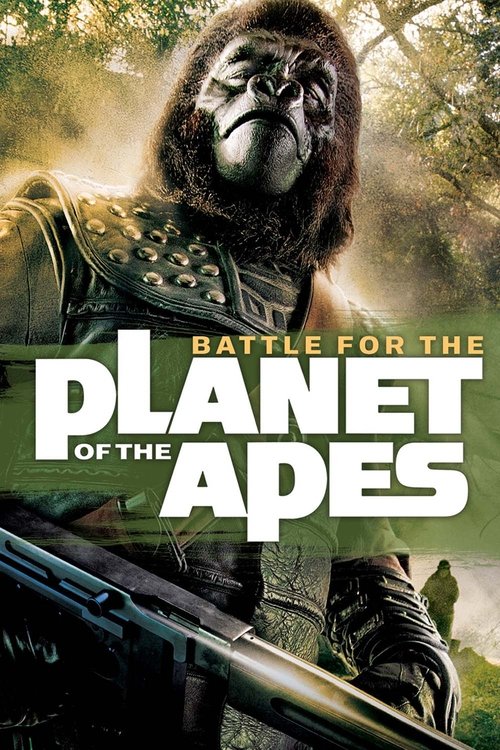
Battle for the Planet of the Apes1973
The direct sequel that escalates everything. Caesar faces the fallout of his revolution and must navigate war, leadership and genocide. Completes the arc begun here with real stakes and unexpected nuance.
But The budget is visibly tighter and the plotting gets muddier. Some of the late-film reveals feel rushed, and the ending divides viewers sharply.
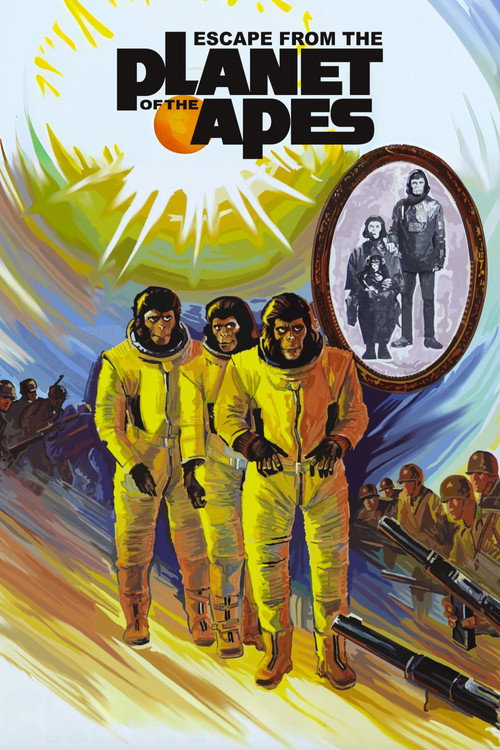
Escape from the Planet of the Apes1971
Watch this prequel to understand what Caesar's parents endured. It inverts the formula—three apes try to hide in human society—and finds unexpected pathos in their doomed attempt at peace before the revolution.
But It's slower and more melancholy than the action-heavy entries. The film takes genuine pleasure in tragically ironic twists that some find overwrought.
Planet of the Apes1968
The original that started it all. A lean, clever sci-fi thriller with a perfect twist and Charlton Heston at his most likeable. It works as pure adventure and as sharp satire about status, power and who gets to be believed.
But The ape makeup, however impressive for 1968, reads as dated now. The pacing is deliberate rather than propulsive, and some will find the romance subplot thin.

Not sure tonight? Get a pick in a minute, starting from Conquest of the Planet of the Apes
The wildcard
Something you would not have found on your own.
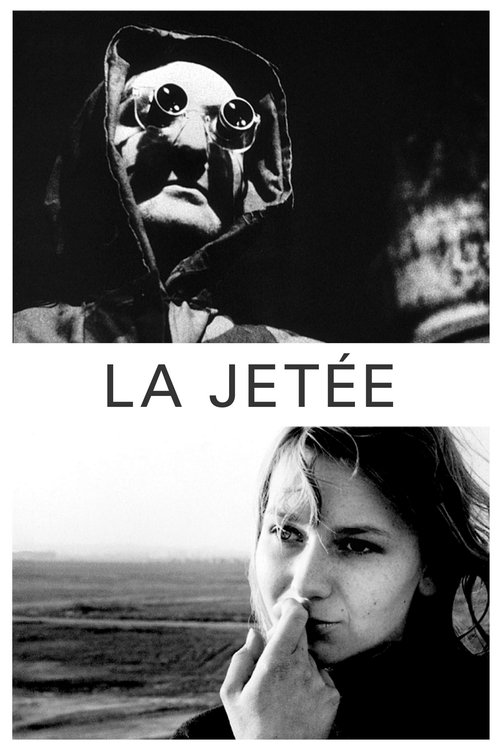
La Jetée1962
Both are sci-fi structured around a prisoner unable to escape predetermined fate—one temporal, one social. Both use repetition and constraint as their emotional engine.
A science fiction story told almost entirely in still photographs. It's about memory, loss, and being trapped by your own past—exactly what Caesar is. Haunting, experimental, and somehow more moving than conventional narrative. Changes how you think about time and cinema.
But It's 28 minutes and a poem, not a plot. If you need characters to speak and scenes to move, or you're not patient with formal experimentation, you'll find it inaccessible.
More like this (8)
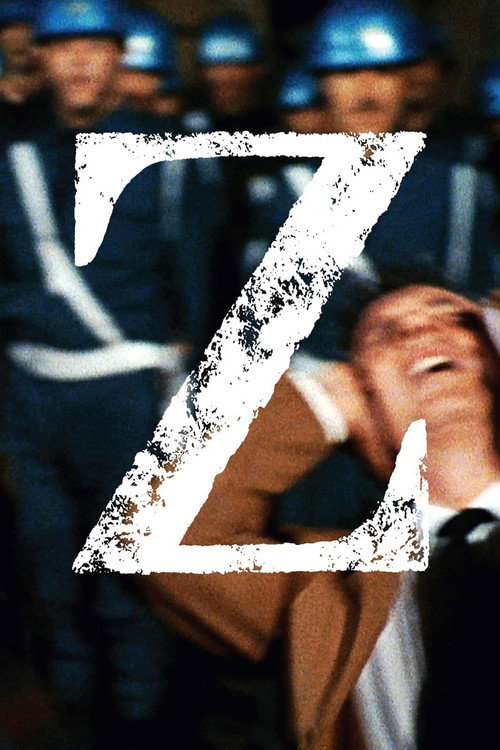
Z1969
A masterpiece of political thriller craft. A assassination, an investigation, and the systematic cover-up that follows. It's urgent, brilliantly edited and shows you how art can document state violence in real time, which is what Conquest attempts.
But It's in French with subtitles. The procedural unfolds without much action, and if you're not engaged by pure cinematic storytelling, it can feel slow.
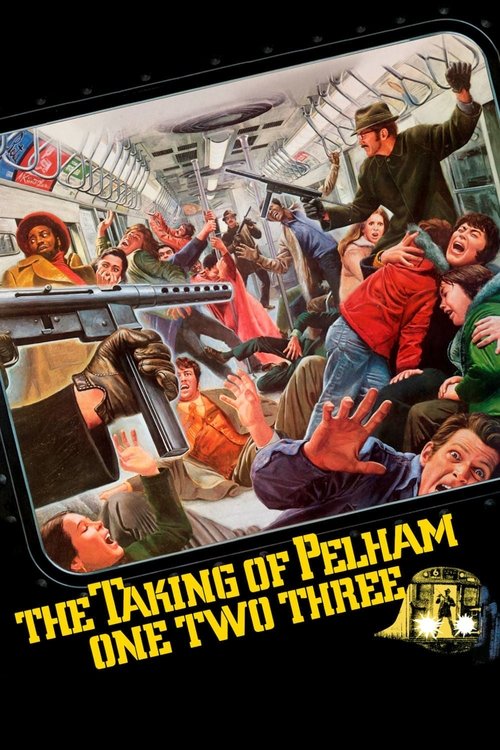
The Taking of Pelham One Two Three1974
A heist thriller about ordinary people committing an extraordinary crime. Like Conquest, it's built on smart plotting, genuine tension, and a cynical view of systems and authority. Also features the same moral ambiguity about protagonists.
But It's a procedural, not spectacle. The villain is charismatic but the film never quite answers whether we should root for him, which frustrates some viewers.
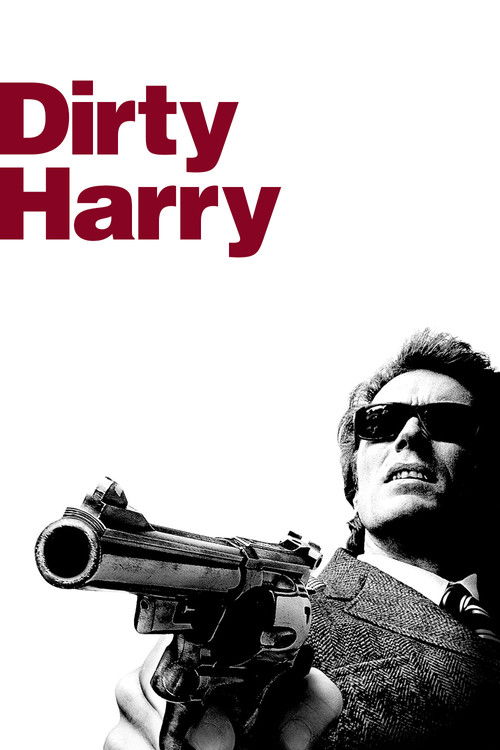
Dirty Harry1971
Raw, violent, morally messy cop thriller that asks uncomfortable questions about justice and power. Clint Eastwood's Callahan bends the law but the film won't let you feel good about it. Made at the same moment as Conquest, with similar anxieties.
But It's been invoked by people with terrible politics ever since. The misogyny is casual and period-typical. If you find the film endorses its violence, it's unwatchable.
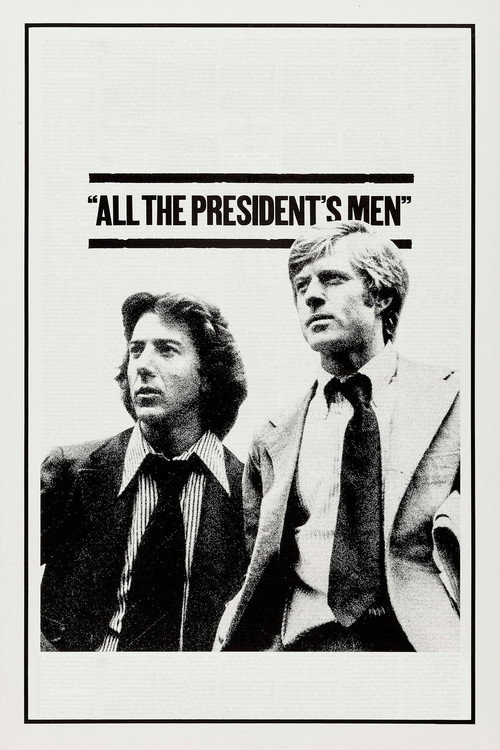
All the President's Men1976
Two journalists pursue a true story of systematic cover-up and abuse of power. It's a masterclass in tension made from talking and typing. The slow revelation that the system itself is broken mirrors Conquest's view of institutions.
But Nothing explosive happens on screen. It's two men in offices following leads. If you need plot momentum and action beats, this will feel glacial.
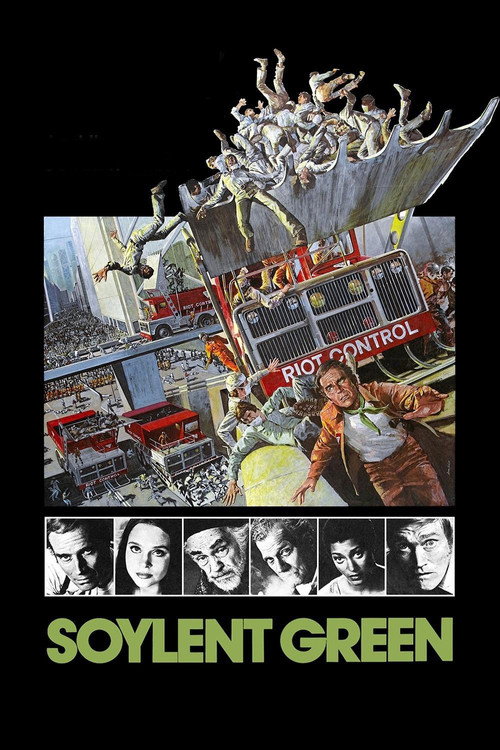
Soylent Green1973
Another dystopia about systems crushing ordinary life, with a detective story threading through. It shares Conquest's view that the future will be hellish unless we act now. Charlton Heston again, but angrier and more sympathetic.
But The worldbuilding is sometimes unclear and the plot hinges on revelations that older viewers knew coming. The satire can feel heavy-handed compared to the subtler original Apes.
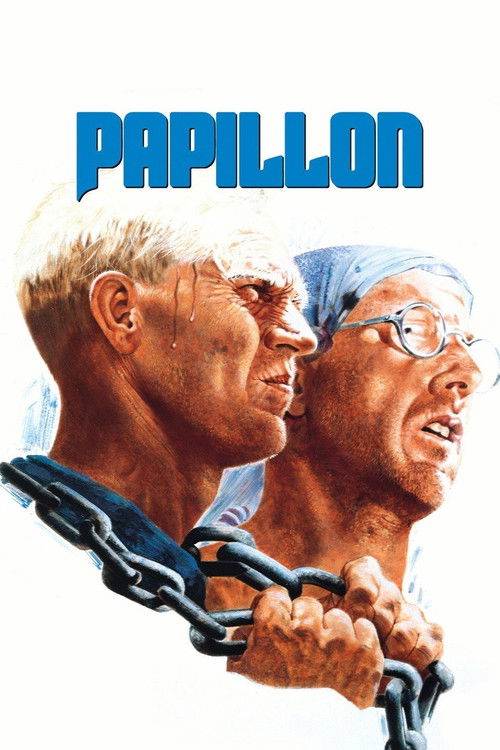
Papillon1973
Steve Reeves' quest for freedom from an impossible system. Like Conquest, it's about an individual refusing to be owned and finding allies in shared oppression. Beautifully shot and genuinely moving about dignity under cruelty.
But The pacing is glacial for a prison escape film. It's long and meditative, and the repeated cycles of capture and escape can feel repetitive rather than thematically resonant.
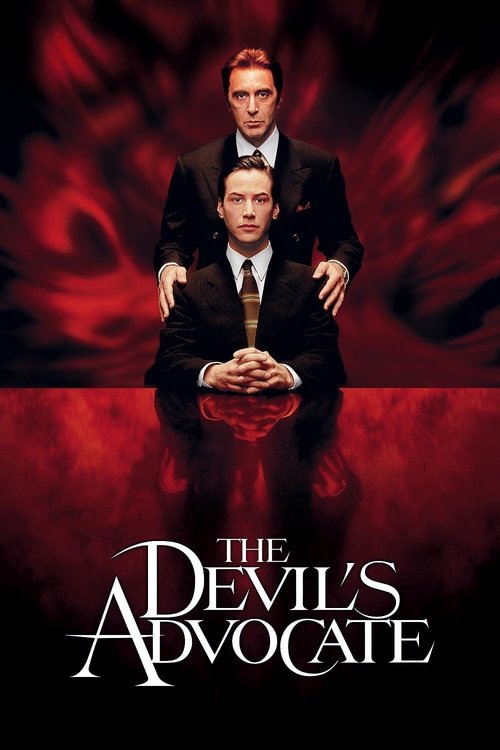
The Devil's Advocate1997
Conquest shows a character refusing complicity and choosing revolution. Devil's Advocate shows a character choosing complicity and losing his soul. They're moral inversions of the same temptation.
Keanu Reeves as a lawyer seduced into evil by a charming system. It's a Faustian tale about complicity dressed as a thriller. Al Pacino's villain is intoxicating—the inverse of Caesar. It asks: what if the revolution was wrong and the system was actually correct?
But It's cynical to the point of nihilism. The third act takes a turn into the supernatural that betrays the realism. Modern audiences find it overwrought and its politics murky and unsettling.
Come and See1985
Conquest ends with Caesar discovering he has become the thing he fought against. Come and See is that realization stretched across two hours. Both ask whether liberation purchased with violence is freedom at all.
A Soviet film about a boy conscripted into war in 1943. It's unflinching about what violence does to the human spirit. Like Conquest, it's about an innocent forced to become a killer, but it never celebrates this. Brutal and essential cinema about the cost of freedom through bloodshed.
But It's harrowing and ugly. Not uplifting, not affirming. The violence isn't spectacle and the child actor's trauma feels real because it probably was. This is a film that hurts to watch.

People
Cast
 Roddy McDowallCaesar
 Don MurrayBreck
 Ricardo MontalbanArmando
 Hari RhodesMacDonald
 Severn DardenKolp
 Lou WagnerBusboy
 Natalie TrundyLisa
 John RandolphCommission Chairman
- Asa MaynorMrs. Riley
- Joyce HaberZelda
 H.M. WynantHoskyns
 David ChowAldo
Directing
- David 'Buck' HallAssistant Director
- J. Lee ThompsonDirector
- Jack StubbsSecond Assistant Director
Writing
- Pierre BoulleCharacters
- Paul DehnScreenplay
Production
- Frank Capra, Jr.Associate Producer
- Arthur P. JacobsProducer
- William EckhardtUnit Production Manager
Recommended by
Zulu Dawn, Rise of the Planet of the Apes, Beneath the Planet of the Apes, Escape from the Planet of the Apes, Kingdom of the Planet of the Apes, Battle for the Planet of the Apes, Return to the Planet of the Apes