
Film
Battle for the Planet of the Apes
The final chapter of the original Planet of the Apes saga, where Caesar's fragile ape-human peace fractures under pressure from within and below. It's a surprisingly thoughtful action film about coexistence, fear, and how civilizations collapse—less pulpy than you'd expect, more elegiac. For fans who've followed the series and anyone curious how 1970s sci-fi tackled political allegory without winking.
Should you watch it?
Watch it if you want a late-series sci-fi fable about how fear and power corrupt a fragile peace, told briskly enough that the moralising never fully overstays its welcome.
Skip it if you expect the wonder of the early films, since this one leans on talk and modest set-piece action rather than spectacle.
What it asks of you: It runs a brisk ninety-three minutes but lingers in long stretches of political argument, moving at a deliberate, almost stagey pace.
Not sure? Find tonight's pick in a minute.
If you liked this
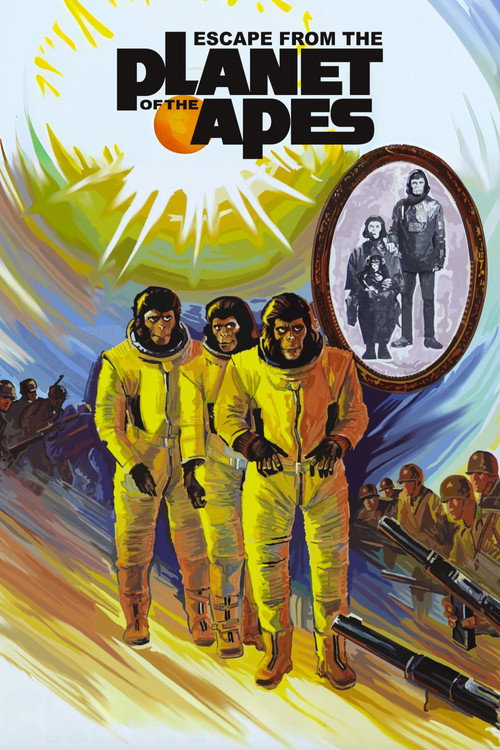
Escape from the Planet of the Apes1971
The third film and the series' emotional peak: time-travel paradox, genuine pathos, and the moment everything shifts toward tragedy. A perfect counterweight if you've only seen the later entries.
But Lighter in tone than Battle, with more comedy than you might want from your apocalypse. The social commentary gets broader and less nuanced.
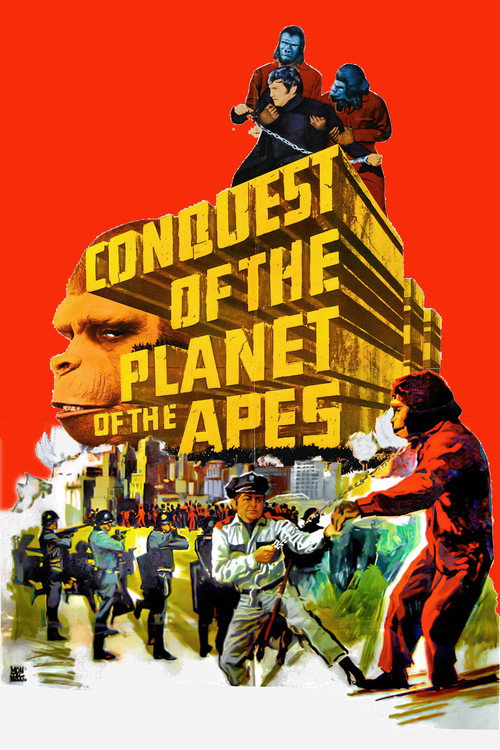
Conquest of the Planet of the Apes1972
The direct prequel that shows Caesar's rise and the ape rebellion. Lean, angry, genuinely revolutionary in its politics. Roddy McDowall at his most fiery, and it sets up everything Battle inherits.
But Shot on a budget so tight it becomes claustrophobic. The action is functional rather than spectacular, and some of the staging feels thin.
Planet of the Apes1968
The original, still unmatched for ideas: a perfect twist, genuine social satire, and a vision of a post-human world that still stings. Start here if you want the full context for why Battle matters.
But The makeup looks dated, and the pacing is deliberate in a way that asks patience. If you want thrills, this is slower than you expect.

Not sure tonight? Get a pick in a minute, starting from Battle for the Planet of the Apes
The wildcard
Something you would not have found on your own.
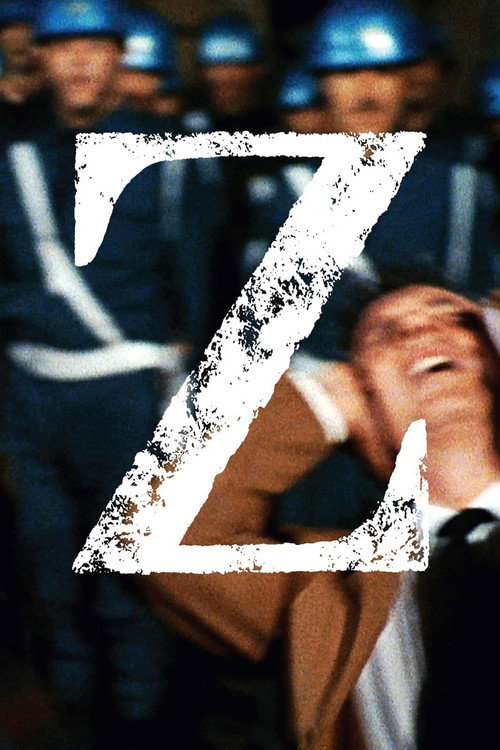
Z1969
Both are about how fear of the other becomes a tool for those in power; how societies justify atrocity as self-defense. One is science fiction, one is barely displaced reality—same moral question, different dressing.
A political thriller about the assassination of a reformist politician and the state's machinery of denial and cover-up. It's Battle's DNA—fear driving violence, institutions protecting themselves—but in a real-world 1960s Greece, giving the abstraction teeth.
But French-Algerian production with subtitles, and the political context (the Greek junta) feels distant now. It's a procedural, so if you need narrative momentum and payoff, it can feel static and circular.
More like this (8)
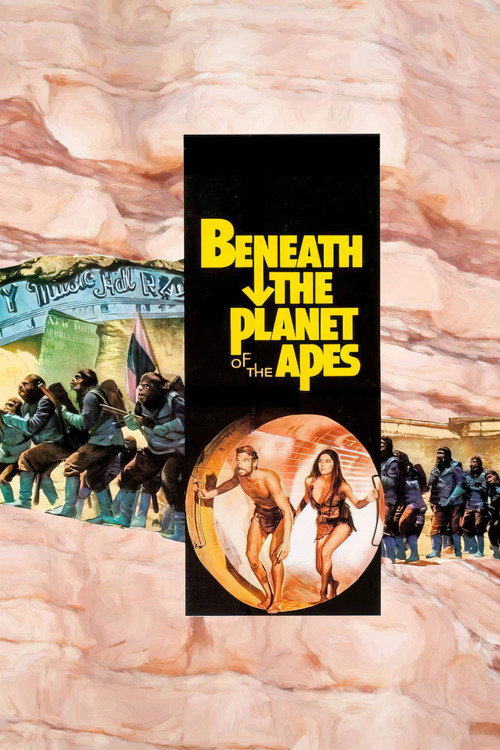
Beneath the Planet of the Apes1970
The weirdest entry in the series: underground mutants, nuclear doomsday cults, and genuine body horror. It's pulpy and strange in ways that make later films look conservative by comparison.
But Narratively confused and often tedious. The tone whipsaws between deadly serious and camp, usually by accident. It exists mainly to set up what comes after.
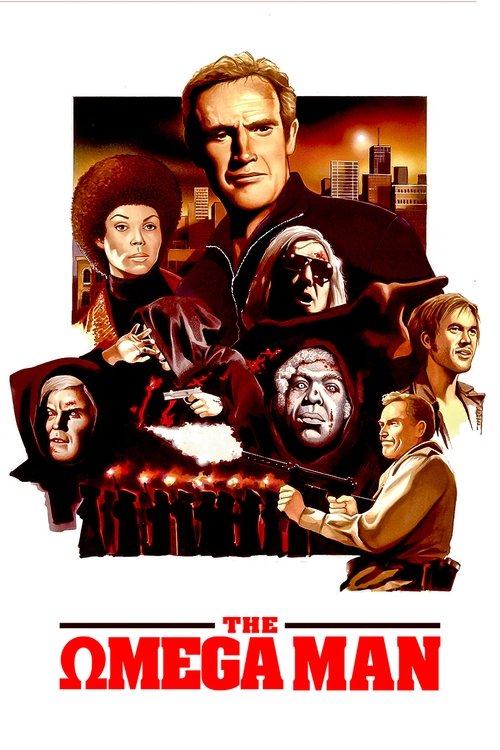
The Omega Man1971
Charlton Heston as the last man on Earth, alone except for mutants who hunt him. A post-apocalyptic character study that shares Battle's interest in the psychology of isolated survivors and fractured communities.
But It's uneven in tone, lurching between action and philosophical monologue. The science-fiction setup is less important than the lonely-man story, which won't work for everyone.
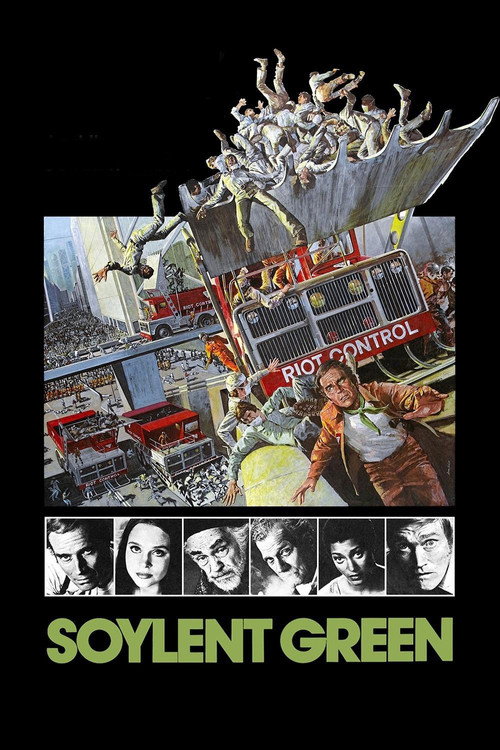
Soylent Green1973
Also from 1973, also about the collapse of human civilization and what we'll do to survive. Bleak, methodical, with a detective-story engine driving you through ecological nightmare.
But Slow-burn mystery that withholds its famous twist until the end. If you need constant action or clear heroes, the glacial pacing will frustrate you.
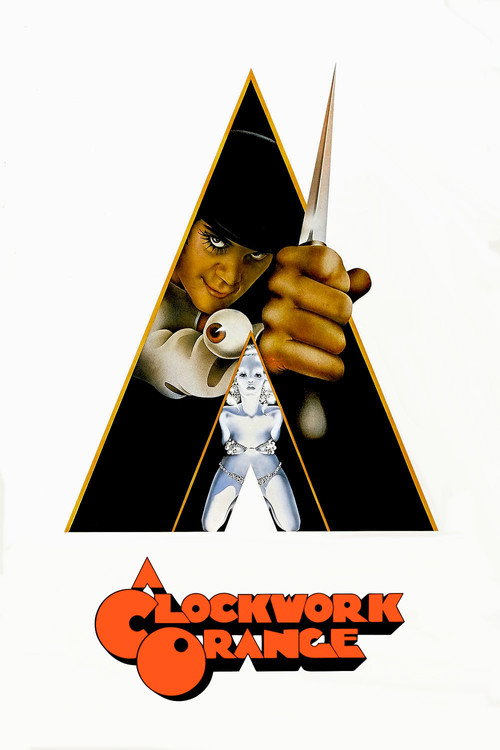
A Clockwork Orange1971
Another 1970s dystopia wrestling with how society enforces order and what happens when it breaks down. Visually audacious and genuinely disturbing in ways that make you uncomfortable in your seat.
But Aggressively stylized and nihilistic. The violence is explicit and not cathartic, and the film's ironic distance from its own brutality alienates many viewers.
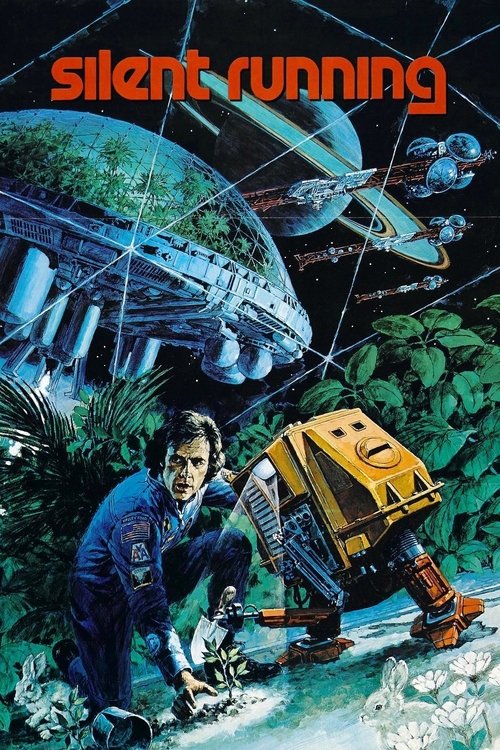
Silent Running1972
A quiet, haunting film about a man alone on a space station protecting the last plant life in existence. Like Battle, it's small-scaled and focused on the emotional logic of a society at the brink.
But Very slow and built on science-fiction concepts that feel dated now. If you need dialogue and human drama, long stretches of near-silence will feel like nothing happening.
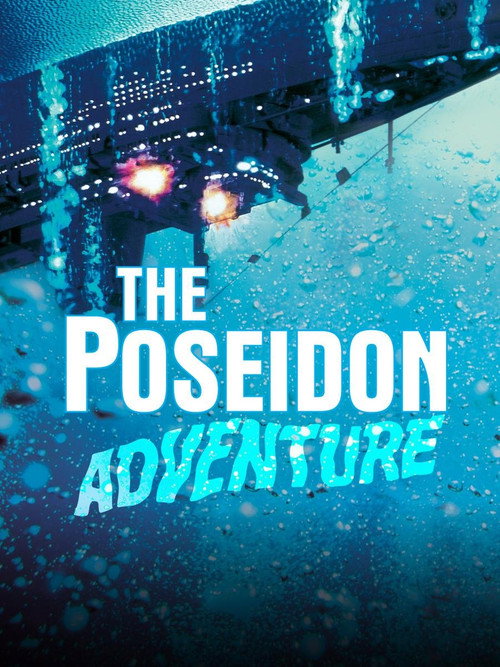
The Poseidon Adventure1972
A disaster film with genuine emotional stakes: survivors forced to navigate a destroyed world, make terrible choices, watch people die. The ensemble structure means constant variety and high stakes throughout.
But Episodic and sometimes manipulative. The characters are sketched rather than developed, and some deaths feel unearned. It's exciting rather than moving.
Stalker1979
Both films about what happens when a society fragments around a promised salvation. In Battle it's coexistence; in Stalker it's a room. Both are about how the promise matters more than the actual thing, and how that gap destroys everyone.
Andrei Tarkovsky's science-fiction meditation on desire, power, and the impossibility of utopia. A guide and two men walk through a mysterious zone toward a room that grants wishes—or so the myth goes. Hypnotic and devastating.
But Soviet filmmaking from the 1970s: deliberately paced, long takes, philosophical rather than plot-driven. Watching it requires surrender, not entertainment. If you want action, this will feel like punishment.

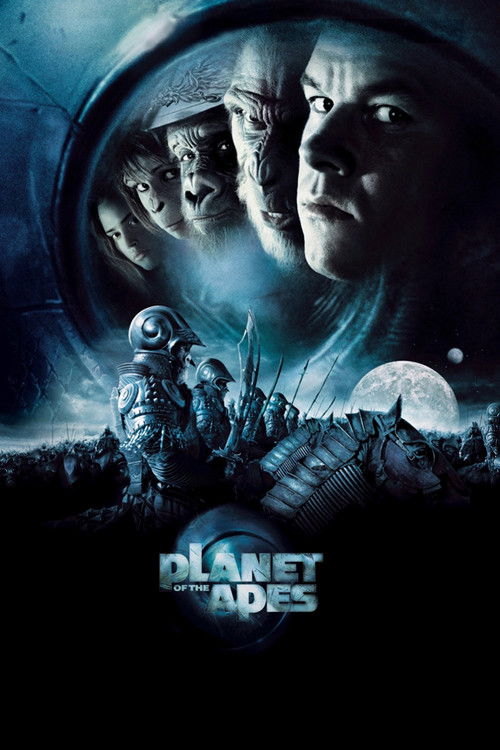
Planet of the Apes2001
The only recommendation that's actually another version of the same story—but inverted. Where Battle is about the death of revolution and the cost of survival, Burton's version is about the chaos of reinvention and the impossibility of escaping cycles. Same DNA, opposite moral.
Tim Burton's wild remake: lush, twisted visuals, genuine weirdness, and an ending that upends the entire franchise's mythology. Paul Giamatti as an ape general stealing every scene. Pure Burton baroque.
But Derided on release and mostly forgotten, and with reason: the script is thin, the action is poorly shot, and the finale divides audiences. It's a beautiful disaster that prioritizes style over sense.
People
Cast
 Roddy McDowallCaesar
 Natalie TrundyLisa
 Austin StokerMacDonald
 Severn DardenKolp
 Claude AkinsAldo
 Paul WilliamsVirgil
 Richard EasthamMutant
 Lew AyresMandemus
- Bobby PorterCornelius II
 Noah KeenTeacher
 France NuyenAlma
 Paul StevensMendez
Directing
- Ric RondellAssistant Director
- J. Lee ThompsonDirector
- Barry SternSecond Assistant Director
Writing
- Pierre BoulleCharacters
- John William CorringtonScreenplay
- Joyce Hooper CorringtonScreenplay
- Paul DehnStory
Production
- Frank Capra, Jr.Associate Producer
- Ross BrownCasting
- Arthur P. JacobsProducer
- Michael S. GlickUnit Production Manager
Recommended by
Beneath the Planet of the Apes, Escape from the Planet of the Apes, Conquest of the Planet of the Apes, Return to the Planet of the Apes