
Film
The Poseidon Adventure
- Action
- Survival thriller
- Relentless
The Poseidon Adventure is the grandparent of all disaster films—a 1972 spectacle where an ocean liner capsizes and a desperate ensemble claws toward survival through flooded corridors and collapsing infrastructure. It's built for maximum tension and human drama, with Gene Hackman and Ernest Borgnine anchoring a cast that feels genuinely imperiled. Irresistible if you love old-fashioned blockbuster craft and the particular terror of being trapped with gravity working against you.
Should you watch it?
Watch it if you enjoy old-fashioned disaster spectacle driven by a squabbling, mismatched group of strangers, where the heart matters as much as the capsized hull.
Skip it if the characterisation is broad and the sentiment comes thick, and the 1970s effects and pacing can feel creaky next to modern blockbusters.
What it asks of you: Expect a patient first act of introductions before the water arrives, then a long, tense climb through upturned rooms where every hatch and corridor feels like a fresh gamble.
Not sure? Find tonight's pick in a minute.
If you liked this
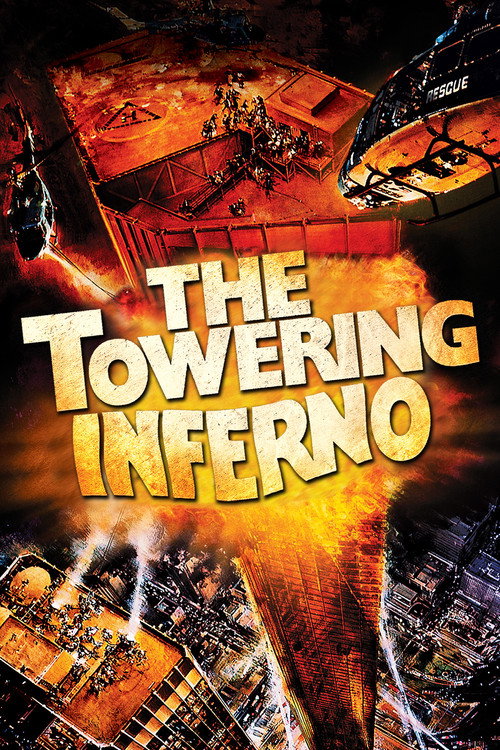
The Towering Inferno1974
The spiritual successor to Poseidon, with Steve McQueen and Paul Newman navigating a skyscraper inferno. Same formula—trapped people, escalating peril, star power—but refined and even more assured in its execution.
But The novelty of the disaster genre wore off quickly after these films saturated the market, so it can feel a bit quaint and formulaic now.
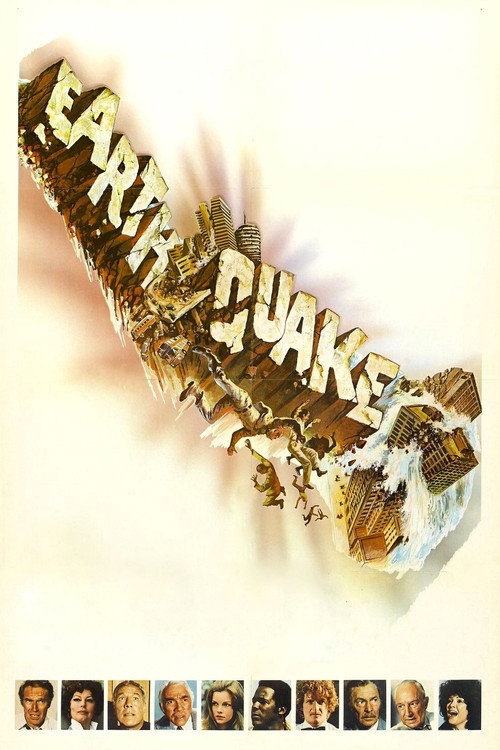
Earthquake1974
Charlton Heston, George Kennedy, and Ava Gardner survive Los Angeles's destruction. It has the same ensemble-in-crisis DNA, the same commitment to practical destruction, and Sensurround technology that made audiences feel the ground shake.
But The character development is paper-thin, and the script leans heavily on soap-opera melodrama between the shaking stops.
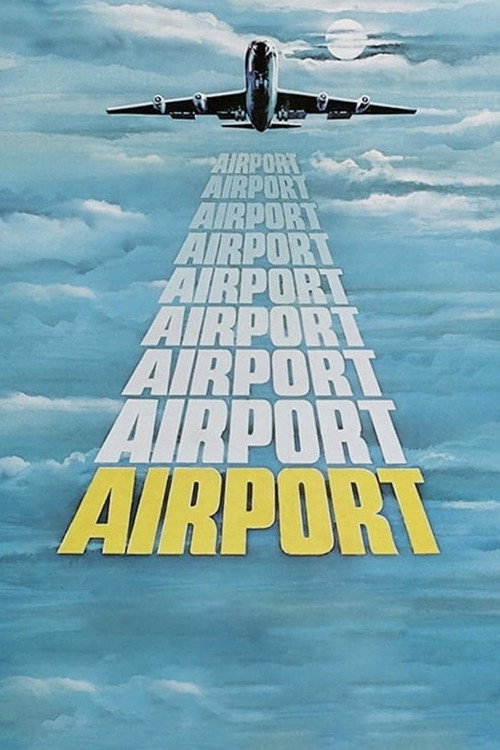
Airport1970
The disaster cycle started here. Burt Lancaster, Dean Martin, and a sprawling cast navigate a bomb aboard an airliner. It's the template: high stakes, ensemble desperation, and actual craft in the filmmaking.
But It's leisurely by modern standards, with long stretches of bureaucratic drama that test patience before the crisis hits.
Not sure tonight? Get a pick in a minute, starting from The Poseidon Adventure
The wildcard
Something you would not have found on your own.
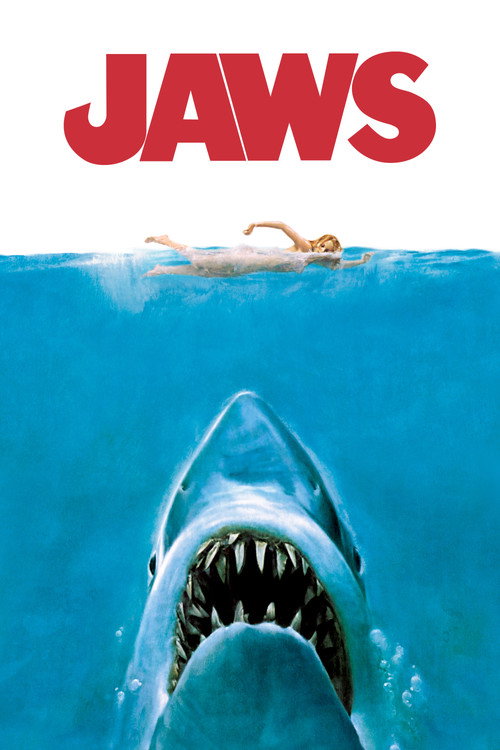
Jaws1975
Both films understand that the deepest terror isn't explosions or special effects—it's being trapped by an indifferent force, and the social hierarchies that collapse when survival becomes the only currency.
Spielberg's masterpiece isn't just the father of the modern blockbuster—it's also a disaster film where the catastrophe is alive and thinking. Like Poseidon, it's about ordinary people (a police chief, a shark hunter, a scientist) forced into impossible conditions, but with the added dread that you cannot negotiate with the sea.
But If you're expecting nonstop action, the pacing will frustrate you. Spielberg spends most of the film building dread, not delivering shocks.
More like this (6)
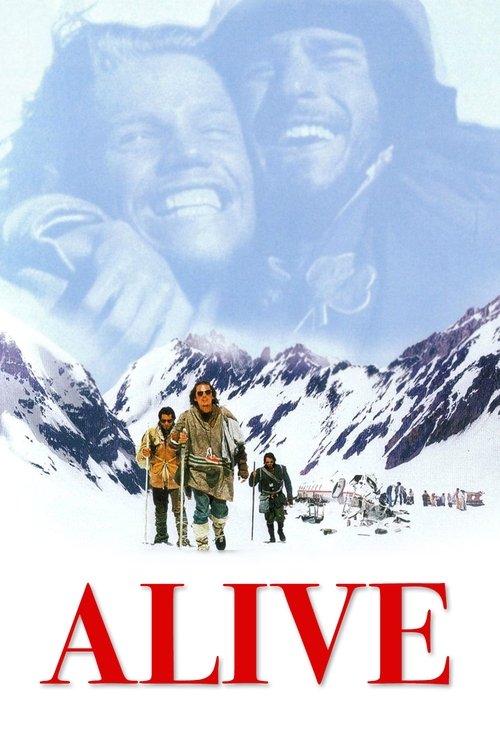
Alive1993
A true-story survival film with Ethan Hawke and Josh Hamilton trapped in the Andes after a plane crash. It has the Poseidon formula—impossible odds, group dynamics under pressure—grounded in real horror and real choices.
But The spiritual and moral weight it carries can feel heavy-handed, and the ending is a foregone conclusion from the opening.
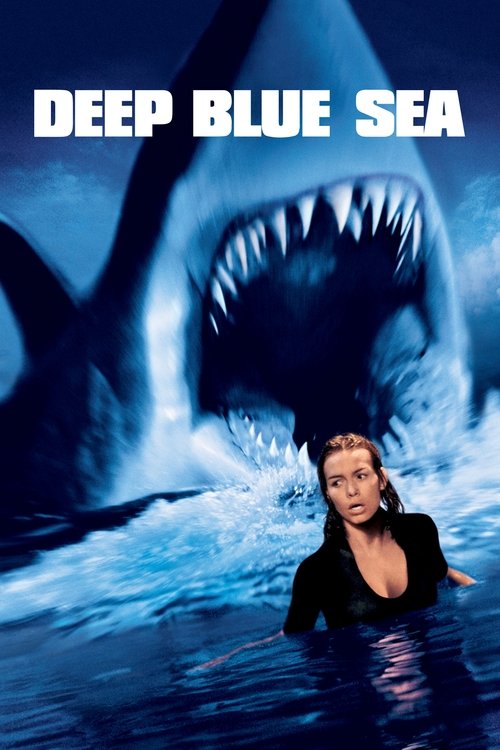
Deep Blue Sea1999
Genetically enhanced sharks trap a research team underwater. It's Poseidon in miniature—claustrophobic, relentless, and genuinely tense despite the B-movie premise. Samuel L. Jackson and LL Cool J elevate the material.
But The CGI has aged awkwardly, and the script knows exactly how silly it is, which undercuts the terror occasionally.
The Morning After1986
Jeff Bridges and Michelle Pfeiffer trapped in a noir nightmare of escalating danger. It has Poseidon's sense of ordinary people in extraordinary peril, with more psychological complexity and atmosphere.
But It's a slow burn that prioritizes mood over action, which can feel deflating if you want spectacle.

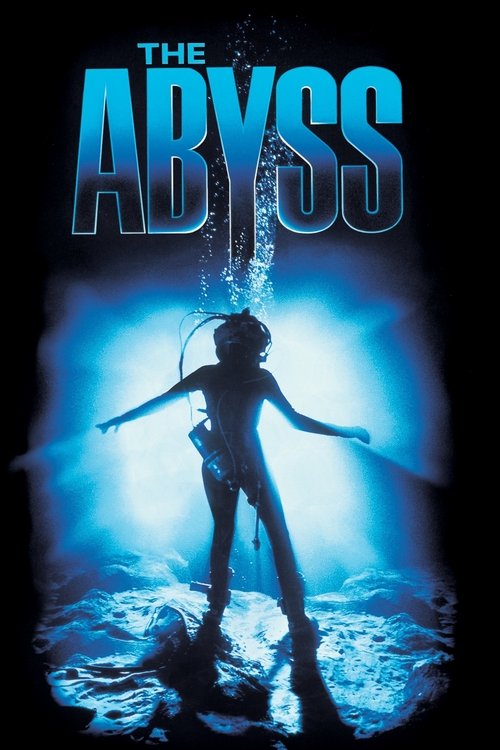
The Abyss1989
James Cameron's deep-sea thriller traps an oil-rig crew in an underwater facility during a crisis. It has Poseidon's ensemble-survival core with sci-fi mystery and genuinely transcendent moments of wonder amid the terror.
But The final act pivots into something philosophical and alien that not everyone will buy, and it's a major time commitment at nearly three hours.
La Bête Humaine1938
Both films believe that disaster—whether physical or social—reveals who people truly are. Poseidon uses capsizing; Renoir uses desire and jealousy to overturn the human order.
Renoir's masterpiece—a French poetic drama set mostly on a train, where a group of ordinary people collide and fracture under pressure. It has Poseidon's ensemble in-crisis structure, but replaces spectacle with human psychology and moral corruption. Gorgeously made and hypnotic.
But It's slow, in French, and entirely character-driven with no explosions or rescues. If you need plot momentum, this will feel static.

Come and See1985
Both films use group survival as a lens to examine who people become under extreme duress, but Come and See asks whether survival is worth the cost to your humanity, where Poseidon just wants you out alive.
Elem Klimov's brutally honest Soviet war film about a boy caught in the chaos of WWII. It's Poseidon's survival-through-chaos engine transplanted into real atrocity, with the same ensemble-fractured-by-catastrophe logic but operating at the level of historical horror and moral annihilation.
But This is bleak to the point of unbearable. It's not a thriller—it's a penance. Many viewers find it genuinely traumatizing, not entertaining.

People
Cast
 Gene HackmanReverend Scott
 Ernest BorgnineMike Rogo
 Stella StevensLinda Rogo
 Shelley WintersBelle Rosen
 Jack AlbertsonManny Rosen
 Red ButtonsJames Martin
 Roddy McDowallAcres
 Carol LynleyNonnie Parry
 Pamela Sue MartinSusan Shelby
 Eric SheaRobin Shelby
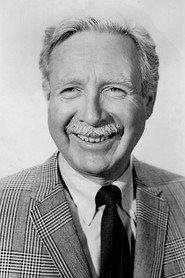 Arthur O'ConnellJohn, the Chaplain
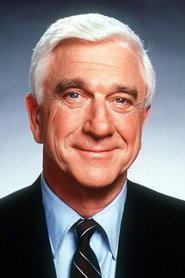 Leslie NielsenCaptain Harrison
Directing
- Norman A. CookAssistant Director
- Ronald NeameDirector
- Teresa BrachettoScript Supervisor
- Donald WhiteSecond Assistant Director
- Les WarnerSecond Assistant Director
- Irwin AllenSecond Unit Director
Writing
- Paul GallicoNovel
- Stirling SilliphantScreenplay
- Wendell MayesScreenplay
Production
- Jack BaurCasting
- Irwin AllenProducer
- Sidney MarshallProducer
- Steve BroidyProducer
- Albert GailProduction Assistant
- Art VolpertProduction Coordinator
- John CampbellPublicist
- Hal HermanUnit Production Manager
Recommended by
The Core, Von Ryan's Express, Zero Hour!, A Night to Remember, The Holiday, Grand Hotel, The Bounty, The Big Chill, Smile, Greenland, Mahogany, City Slickers, Mame, Dante's Peak, Meteor, State and Main, Mars Attacks!, Dinner at Eight, Airport, Titanic II, World Trade Center, The Towering Inferno, The Lost World: Jurassic Park, Waterworld, Sweet Charity, Miracle Mile, Only Angels Have Wings, The Night Before, Bewitched, Rollercoaster, Cocoon, The Wild Geese, The High and the Mighty, My Life in Ruins, A Wedding, Original Cast Album: Company, Orca, Hail, Caesar!, Kursk, Fukushima 50, The Sunshine Boys, Grumpy Old Men, Ghost Ship, The Cassandra Crossing, The Night That Panicked America, Blast from the Past, Outward Bound, Valley of the Dolls, Broadway Danny Rose, Panic in Year Zero!, Touched by an Angel, The Finest Hours, Love, American Style, What Dreams May Come, Heart and Souls, Deep Rising, The War Wagon, Berkeley Square, Tales of Manhattan, 1941, The Great Outdoors, Force 10 from Navarone, The Money Pit, Sanctum, Volcano, Daylight, Earthquake, Land of the Giants, Speed 2: Cruise Control, Ice Station Zebra, Punchline, Scrooged, The Marrying Kind, The Last Voyage, S.O.S. Titanic, It's Always Fair Weather, Scenes from the Class Struggle in Beverly Hills, Venom, The Hot Box, All of Me, Poseidon, Unstoppable, Skyjacked, Turbulence, Return of the Secaucus Seven, Damnation Alley, The Swarm, Carry On Camping, Masada, When Time Ran Out..., Krakatoa, East of Java, New Year's Eve, Mixed Nuts, City on Fire, The Deep, Heartburn, The Survivor, Made For Each Other, Oceans of Fire, The Island, King Kong, Bad Grandmas, It Happened One Christmas, Into the Storm, Breakheart Pass, The Goodbye Girl, Operation Petticoat, Cocoon: The Return, Resurrection, The Year Without a Santa Claus, Chalet, Roar, Doctors' Wives, DeepStar Six, Jennifer: A Woman’s Story, The Concorde... Airport '79, The Hindenburg, The Pleasure Seekers, The Wave, Myra Breckinridge, The Burning Train, Follow That Camel, Deluge, Shirley, Red Dust, Day of the Animals, I'll Cry Tomorrow, Grizzly, The Night My Number Came Up, Inseminoid, Sands of the Kalahari, Escape to Athena, Tarantulas: The Deadly Cargo, Bug, The Flight of the Phoenix, Panic on the 5:22, The Inglorious Bastards, Into the Blue, Tunnel, Kaala Patthar, The Hurricane Express, Ark II, Chapter Two, Seven Waves Away, Morning Departure, Bye Bye Baby, Eating Out, Frankie and Johnny, Roseland, Pushpaka Vimana, California Suite, Kotch, Bells Are Ringing, Around the World in 80 Days, Submersion of Japan, A Little Night Music, The Harlem Globetrotters on Gilligan's Island, The Desperate Ones, 40 Days and 40 Nights, McHale's Navy, Airport 1975, Avalanche, The Love Boat, Night Train, Battle for the Planet of the Apes, The V.I.P.s, Are You Being Served? The Movie, Showboat, Virus, Kiss Me, Stupid, Show Boat, Jules Verne's Rocket to the Moon, Two-Minute Warning, Thunderbird 6, Land of the Lost, Ebbie, Christmas Eve, Die Hard 2, Pressure, Thunderbirds, The Neptune Factor, Edge of Darkness, SOS Pacific, Bedtime Stories, First Sunday, Made in Heaven, Millennium, Thank God It's Friday, 200 Cigarettes, Planet Dinosaur, On a Clear Day You Can See Forever, Speedway, Ski Lift to Death, Chances Are, Escape from Zahrain, Kiss Me Goodbye, Tentacles, Rumor Has It..., The Last Cruise, Andaz, Two Years Before the Mast, Stranded, The Marrying Man, Eden, Prelude to a Kiss, Miracle Landing, North Sea Hijack, Island of the Fishmen, The Patsy, I'm So Excited!, The Crash of Flight 401, Winter Meeting, Sextette, The Stewardesses, Steel, Last Breath, Sentimental Journey, Baywatch, Krakatoa: The Last Days, Friday the 13th Part VIII: Jason Takes Manhattan, Ensign Pulver, Ghost Dad, A Kiss Before Christmas, Wet Gold, The Defiant Ones, Britannic, Swimsuit, That's Life!, The Day Britain Stopped, Under the Rainbow, Oh, God!, The Swinging Cheerleaders, 4 for Texas, Best Friends, The Vegas Strip War, Killdozer, Murphy's War, Improper Channels, I Escaped from Devil's Island, The Captain's Paradise, I'll Be Home for Christmas, Nurses on the Line: The Crash of Flight 7, Haunts of the Very Rich, Flood!, Atlantic, Lovesick, The Four Seasons, The Night Before, Housefull 4, Summer Wishes, Winter Dreams, Mistletoe Over Manhattan, Rescue 8, The Christmas Secret