
Film
The V.I.P.s
A Grand Hotel-style ensemble trapped by fog at Heathrow Airport, where wealthy strangers collide over one transformative night. Elizabeth Taylor and Richard Burton anchor this 1963 drama that works as both romantic melodrama and character study. It's glossy, occasionally absurd, and oddly moving—the kind of film where eavesdropping on beautiful people's crises becomes genuinely compelling.
Should you watch it?
Watch it if you enjoy old-fashioned studio melodrama where glossy surfaces hide frayed nerves, and you relish a crowd of stylish characters each carrying a private worry through one stuck evening.
Skip it if you want a tight plot or fast momentum, since it lingers over its many separate threads and its stagey airport setting can feel more talky than cinematic at over two hours.
What it asks of you: Settle in for a leisurely two hours spent drifting between several parallel stories, with patience for slow dialogue scenes and an appetite for polished, somewhat theatrical emotion.
Not sure? Find tonight's pick in a minute.
If you liked this
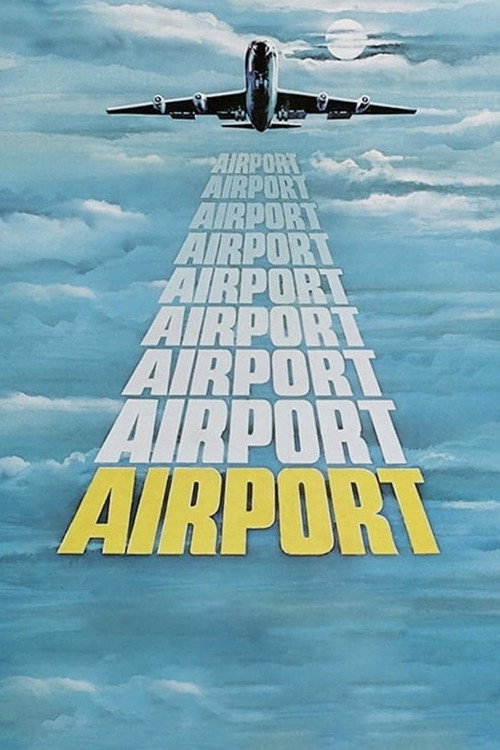
Airport1970
The spiritual successor: another ensemble disaster at a major hub, with higher stakes and a clearer plot engine. If you loved the setup here, this refines it into something taut and gripping.
But The 1970s aesthetic and pacing feel slower than modern thrillers. Some supporting characters are thinly sketched around the spectacle.
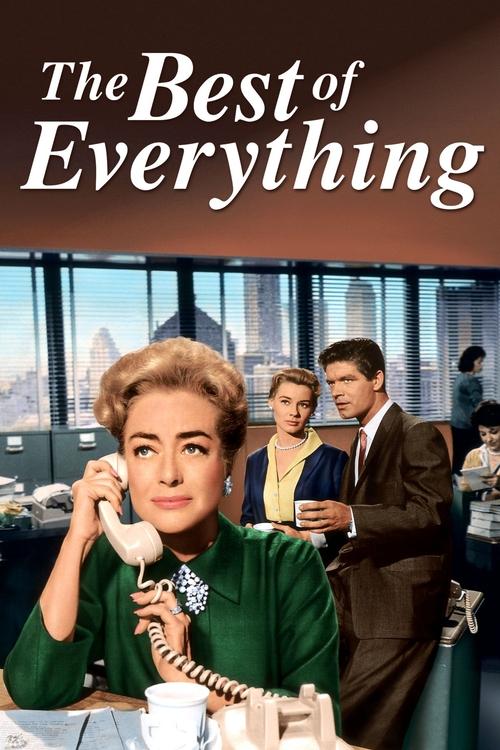
The Best of Everything1959
Similar era, similar sophistication. Four women navigate ambition, love, and compromise in Manhattan. It has that same glossy, intelligent melodrama—messy lives looked at straight on.
But Slightly dated attitudes toward women's choices, even for 1959. The tone wobbles between drama and soap opera.
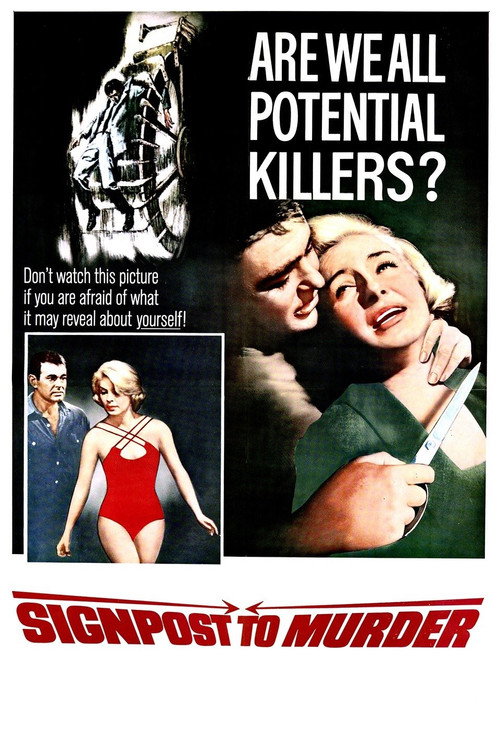
Signpost to Murder1964
Same year's energy and setting (London), same ensemble sensibility. A man claiming amnesia arrives at an estate where past relationships and secrets unravel over one night. Clever and propulsive.
But The twist feels familiar now. It's a thriller first, character study second, which some find less satisfying than the reverse.
Not sure tonight? Get a pick in a minute, starting from The V.I.P.s
The wildcard
Something you would not have found on your own.
Amarcord1973
Both films are built from ensemble moments rather than a through-line. Both suggest that proximity (to each other, to a place, to an event) forces people into honesty about who they really are.
Federico Fellini's memory-opera about a provincial Italian town during fascism—a chorus of characters revealing themselves through small moments, rituals, and sudden truths. Like The V.I.P.s, it works as both comedy and profound character study, but far more surreal and poetic.
But In Italian with subtitles. Plotless by conventional standards. Some sequences are deliberately grotesque or abstract. Demands active watching.
More like this (8)
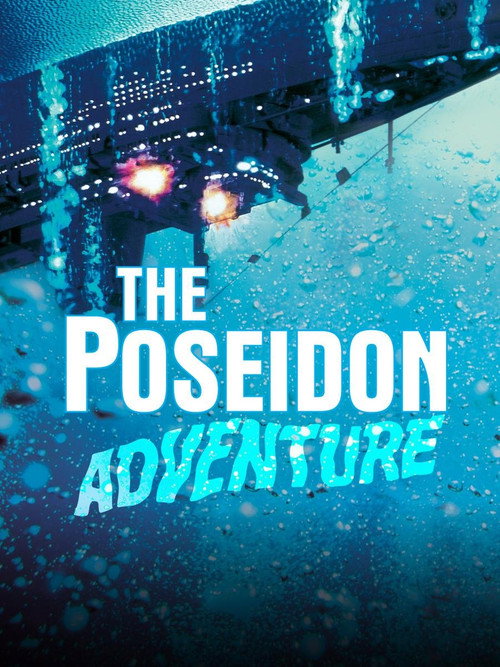
The Poseidon Adventure1972
The grandest version of this formula: a ship capsizes, an ensemble of strangers must work together to survive. Disaster spectacle married to genuine emotional stakes. Absolutely gripping.
But Very 1970s in its construction and special effects. Some characters exist only to hit plot beats, not to be human.
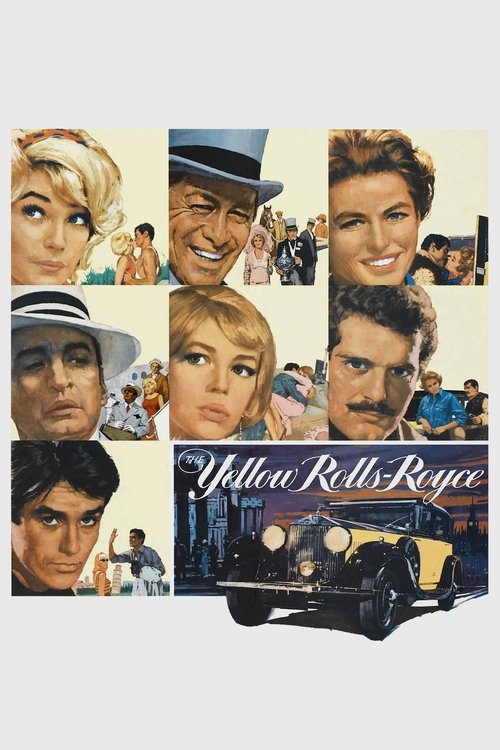
The Yellow Rolls-Royce1964
Another multi-narrative 1960s gem where one object (a car instead of an airport) connects four separate love stories. Lush, witty, and surprisingly moving about how chance shapes lives.
But Episodic structure means some stories land better than others. The glamour can feel hollow if you're not in the right mood.
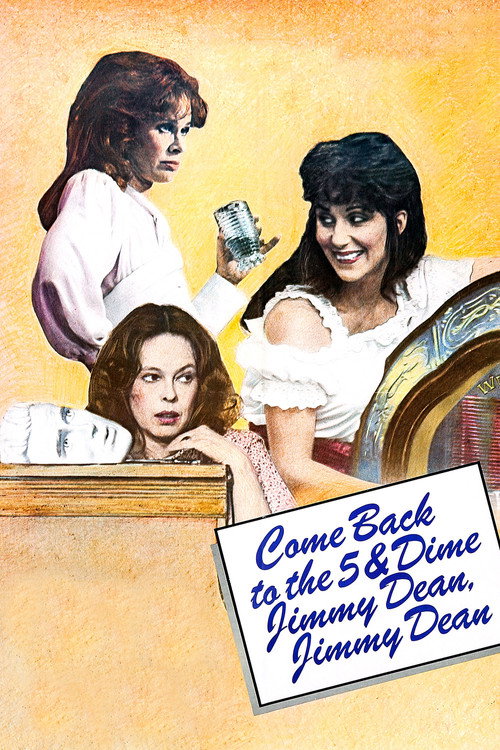
Come Back to the 5 & Dime, Jimmy Dean, Jimmy Dean1982
Robert Altman's ensemble chamber piece set in a small-town diner where secrets spill out over one afternoon. Same DNA as The V.I.P.s but more psychologically complex and daring.
But Formally experimental in ways that alienate some viewers. More interested in how people speak than in plot propulsion.
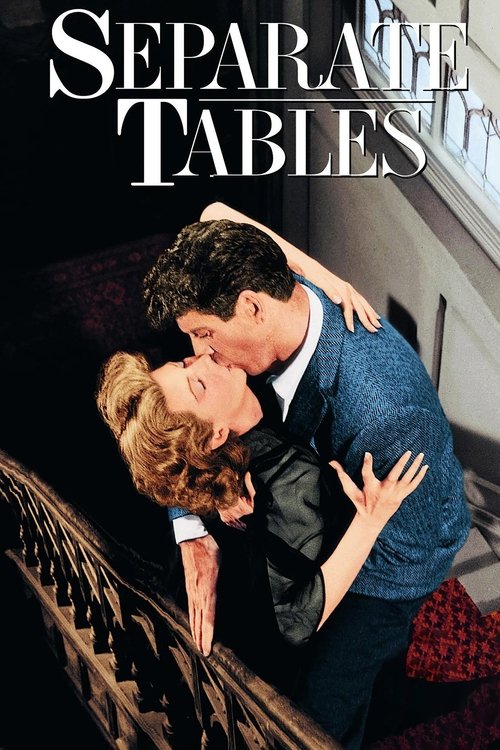
Separate Tables1958
David Lean's masterclass in restraint. A seaside hotel where guests and staff navigate shame, loneliness, and small acts of kindness. Exquisitely acted by an ensemble cast.
But Slow. Deliberately so. It's about glances and silences more than dramatic events. Requires patience.
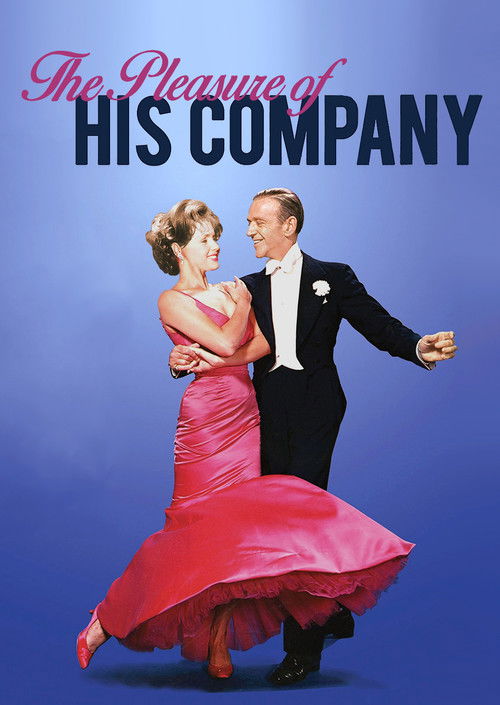
The Pleasure of His Company1961
A sophisticated comedy-drama where an ex-husband returns to charm his ex-wife on the eve of her remarriage. Witty script, elegant performances, and genuine emotional complexity underneath the banter.
But Lightweight in construction. If you need plot momentum or stakes, this will feel like an extended drawing-room conversation.
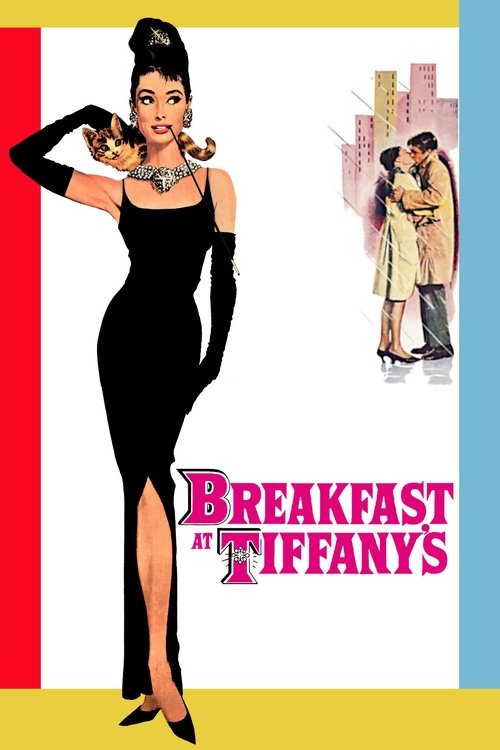
Breakfast at Tiffany's1961
Henry Mancini score, Audrey Hepburn at her most luminous, a portrait of beautiful people making beautiful mistakes. It captures that same 1960s glamour and melancholy about lives not lived.
But The Mickey Rooney subplot is cringe-inducing. The plot is gossamer-thin compared to the mood and style.
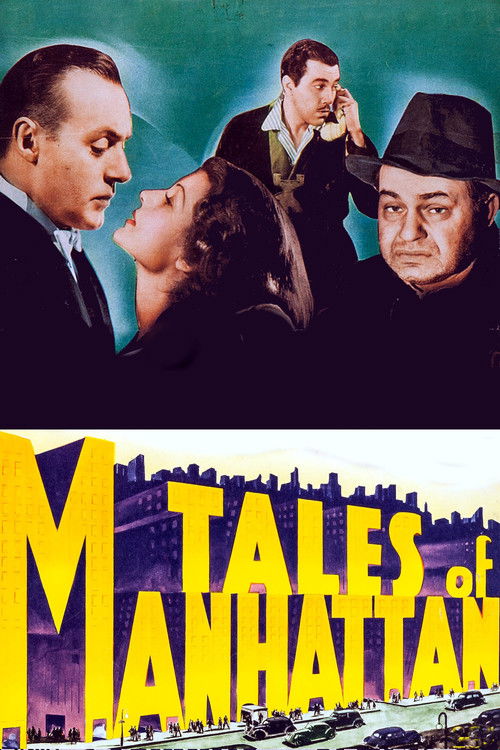
Tales of Manhattan1942
Both use a contained trigger (fog, a jacket) as permission for strangers' lives to collide and shift. Both suggest that small, random events and proximity are more determining than we'd like to believe.
A dinner jacket passes through six different hands across New York, and each hand belongs to someone facing a turning point. Made a generation earlier, it's proof this ensemble structure was already perfect—episodic but unified by destiny and texture.
But The racial attitudes are of 1942. The final segment is particularly uncomfortable. Some find the framing gimmick contrived.
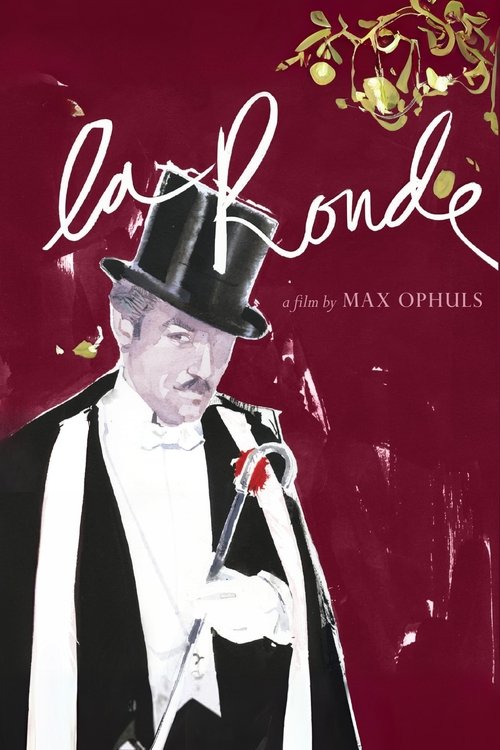
La Ronde1950
Both films understand that human behavior is cyclical and that proximity reveals character. Both use multiple narratives to argue that we're all repeating the same patterns of desire, fear, and self-deception.
Max Ophüls' Vienna-set roundelay where desire and pleasure pass from person to person in ten episodes that circle back to the start. A masterpiece of form and elegance—you watch how cinema can choreograph intimacy and fate.
But Subtitled. The episodic structure means no single arc to cling to. Some find the cynicism about human nature relentless and exhausting.
People
Cast
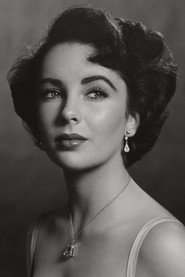 Elizabeth TaylorFrances Andros
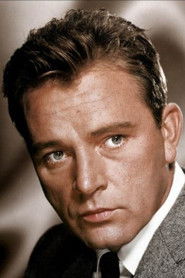 Richard BurtonPaul Andros
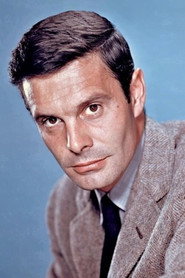 Louis JourdanMarc Champselle
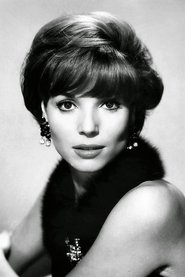 Elsa MartinelliGloria Gritti
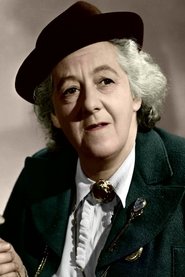 Margaret RutherfordThe Duchess of Brighton
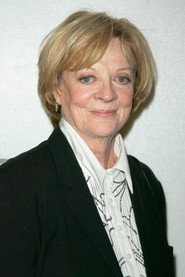 Maggie SmithMiss Mead
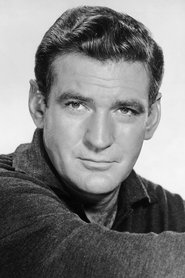 Rod TaylorLes Mangrum
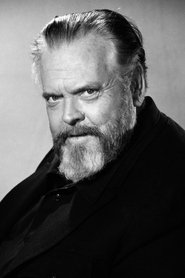 Orson WellesMax Buda
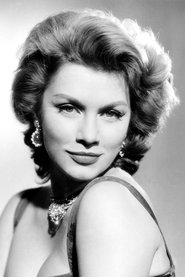 Linda ChristianMiriam Marshall
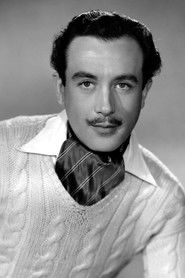 Dennis PriceCmdr. Millbank
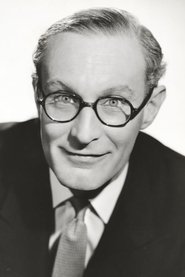 Richard WattisSanders
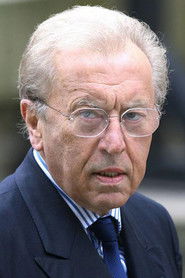 David FrostReporter
Directing
- Kip GowansAssistant Director
- Jimmy KomisarjevskyCrowd Assistant Director
- Anthony AsquithDirector
- Carl ManninSecond Assistant Director
- Peter MedakSecond Assistant Director
Writing
- Terence RattiganWriter
Production
- Roy ParkinsonAssociate Producer
- Irene HowardCasting
- Anatole de GrunwaldProducer
- Elisabeth WoodthorpeUnit Manager