
Film
Amarcord
Fellini's fond, funny elegy for the seaside town of his youth — not one story but a carousel of characters: fascists on parade, a boy chasing his tobacconist's cleavage, uncles climbing trees, funerals turning into farce. Episodic, sun-drunk, unapologetically sentimental, it remembers a lost world through a haze of nostalgia and absurdity. For anyone who prefers mood and character to plot.
Should you watch it?
Watch it if you love memory films that treat a childhood town as a crowd of lovable oddballs, where nostalgia is sharp, funny and a little melancholy rather than sentimental.
Skip it if you want a plot that drives forward; this drifts through loosely linked episodes, and its comic set pieces can feel like a parade of vignettes rather than a story.
What it asks of you: Running about two hours, it moves in loose, episodic bursts with comedy and wistfulness tangled together, so patience with drift pays off more than tracking a plot.
Not sure? Find tonight's pick in a minute.
If you liked this
Radio Days1987
Woody Allen's own nostalgic, narrator-led hometown memory piece, stuffed with eccentric relatives and radio-era fantasy — the clearest American answer to Fellini's carousel of characters and warm, wistful humor.
But Allen's whimsy can feel twee, and the episodic structure never quite builds to anything larger.
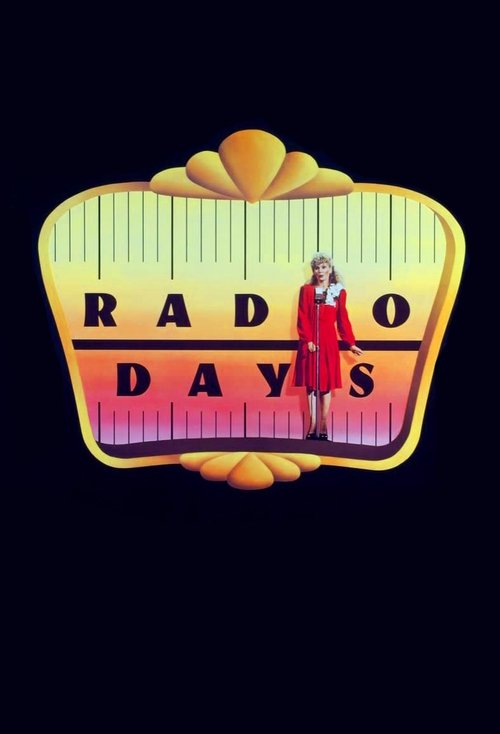
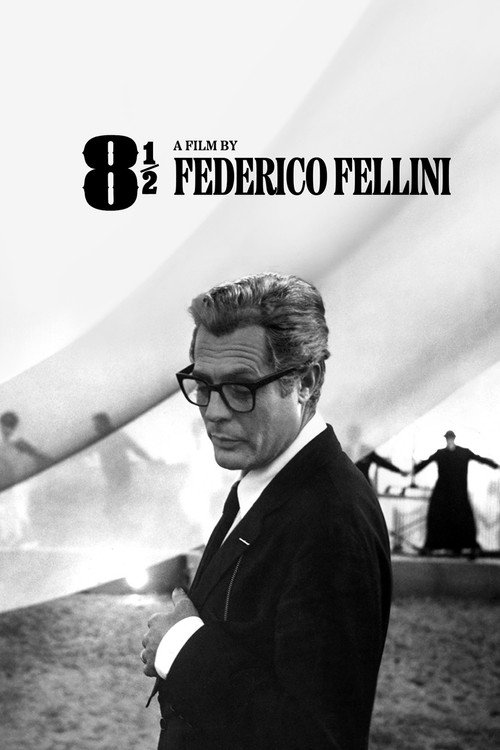
8½1963
Fellini turning the camera on himself — a director's midlife crisis rendered as circus, dream, and confession. Same visual appetite and melancholy comedy as Amarcord, aimed inward instead of at a town.
But Denser and more self-referential, less accessible if you're not already curious about filmmaking itself.
Cinema Paradiso1988
An Italian village, a boy, and a cinema that shapes his whole life — pure nostalgic tenderness with the same small-town warmth and larger-than-life supporting cast Amarcord thrives on.
But More straightforwardly sentimental and linear, missing Fellini's surreal detours and satirical edge.

Not sure tonight? Get a pick in a minute, starting from Amarcord
The wildcard
Something you would not have found on your own.
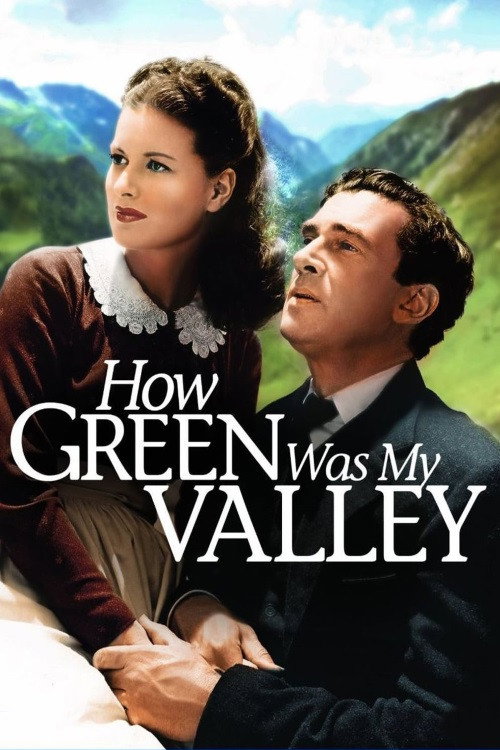
How Green Was My Valley1941
Both are adult narrators mourning a vanished town through a parade of relatives and neighbors, using episodic memory instead of plot — Ford got there thirty years earlier, in black-and-white sincerity rather than Fellini's carnival color.
A Welsh mining valley remembered by its grown son — funerals, weddings, and hard fathers rendered with the same nostalgic ache decades before Fellini made it arthouse.
But Hollywood-polished and openly sentimental, without Fellini's absurdist humor or visual playfulness.
More like this (8)
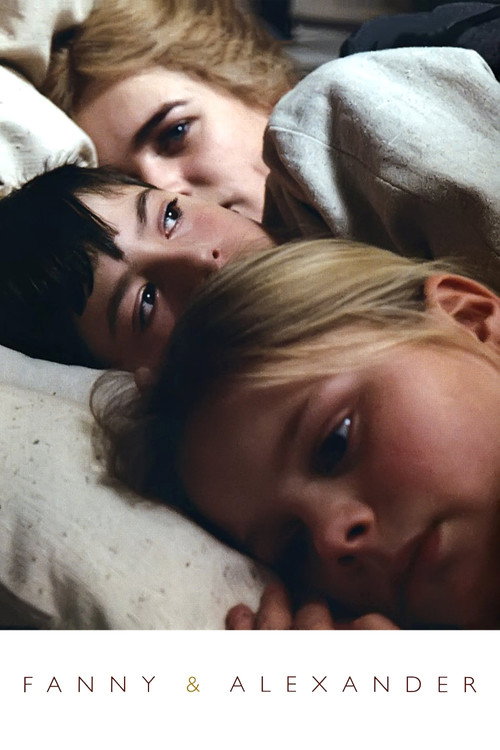
Fanny and Alexander1982
Bergman's own memory piece: a sprawling, theatrical family saga full of ghosts, feasts, and eccentrics seen through a child's eyes — as generous and strange as Amarcord, just colder underneath.
But Long, Swedish, and prone to sudden gothic turns Amarcord never risks.
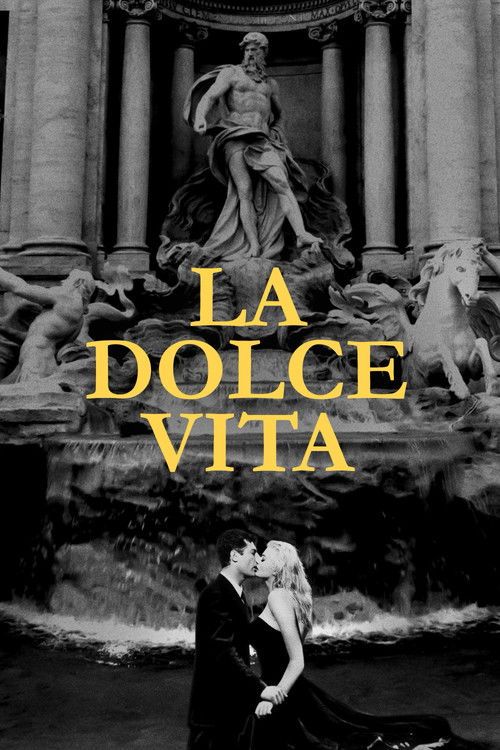
La Dolce Vita1960
Fellini again, turning his satirical eye on Roman high society rather than a hometown — same episodic structure, same appetite for absurd and hollow beauty.
But Colder and more cynical, without the affectionate glow Amarcord gives its characters.
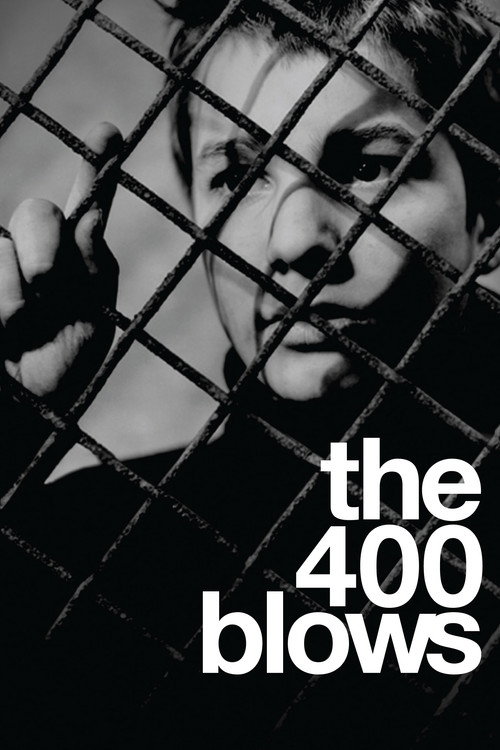
The 400 Blows1959
Truffaut's autobiographical account of a rebellious Parisian boy chafing against parents, school, and authority — the same blend of comedy, tenderness, and rueful memory, stripped of Fellini's carnival excess.
But Much quieter and sadder, with none of Amarcord's ensemble sprawl or slapstick.
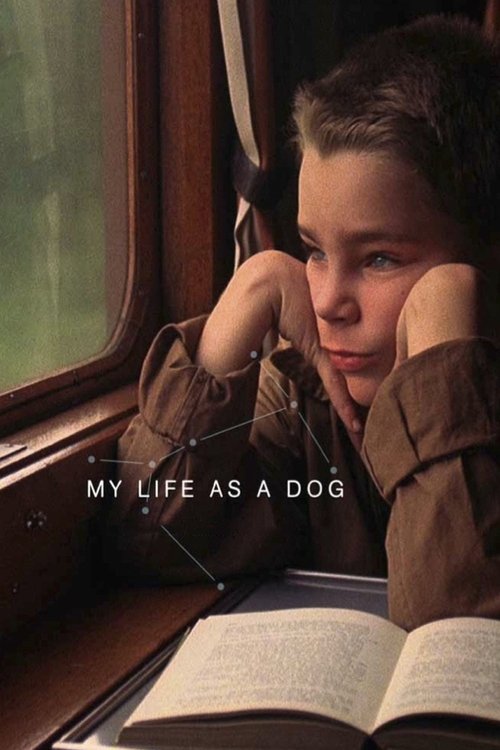
My Life as a Dog1985
A Swedish boy's summer among oddball relatives and neighbours, told with the same mix of comedy, sorrow, and matter-of-fact strangeness that makes childhood memory pieces sing.
But Smaller and more melancholy in focus — one boy's grief rather than a whole town's carnival.
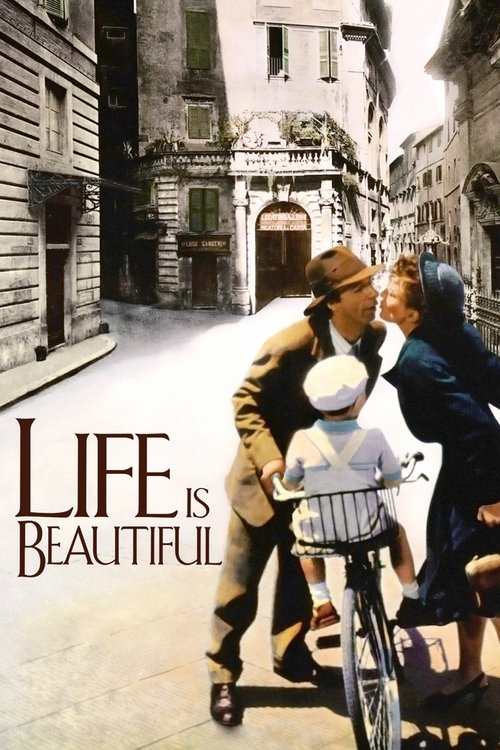
Life Is Beautiful1997
Another Italian small-town story that plays fascism for laughs before the ground opens beneath it — shares Amarcord's instinct that comedy and catastrophe can share a frame.
But Far more devastating by design; not a film for the same easy afternoon pleasure.
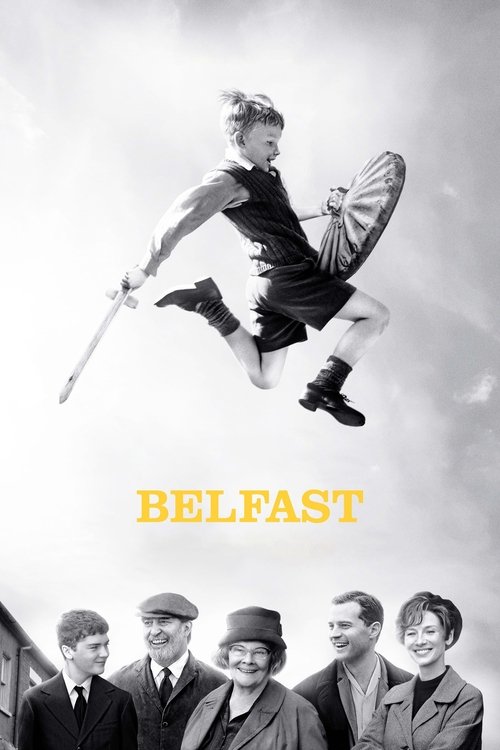
Belfast2021
Kenneth Branagh's own black-and-white childhood memoir, a street's worth of characters caught between comedy and political upheaval — the recent, gentler cousin of Fellini's approach.
But Tidier and more conventional, missing the anarchic, dreamlike edges that make Amarcord so distinctive.
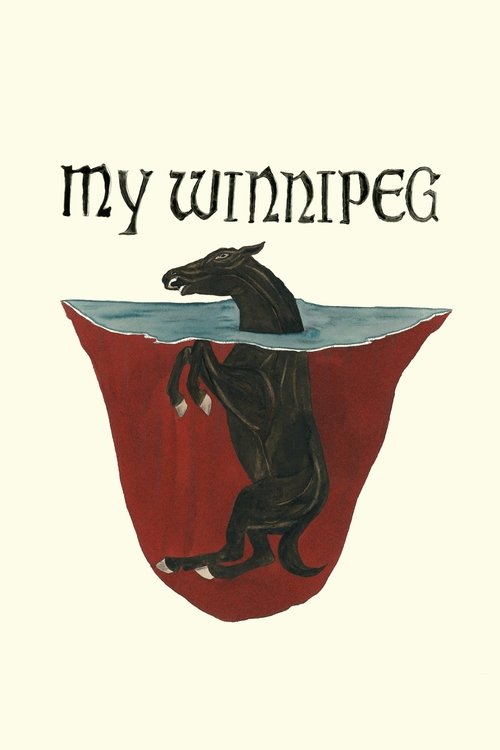
My Winnipeg2008
A direct descendant of Amarcord's method: personal history told as collective myth, fact blurred with fantasy, a filmmaker turning his own town into a character. Maddin just does it as pseudo-documentary instead of fiction.
Guy Maddin's fever-dream 'docu-fantasia' reimagines his hometown as myth, memory, and hallucination all at once, narrated with the same wry, besotted affection Fellini has for his own seaside town.
But Stranger and more experimental — half real, half invented, with no interest in a conventional story.
Porky's1981
Both mine teenage male desire and small-town characters for comedy, and both feature a boy ogling a bigger-than-life woman as a rite of passage — Amarcord remembers it as poetry, Porky's plays it as a locker-room joke.
A gang of horny teenage boys chasing girls and getting into trouble on the Florida coast — same engine as Amarcord's adolescent longing and small-town eccentrics, minus every ounce of art.
But Crude, juvenile, and proudly dumb — no melancholy or grace here, just raunchy comedy.

People
Cast
 Pupella MaggioMiranda Biondi
- Armando BranciaAurelio Biondi
 Magali NoëlGradisca
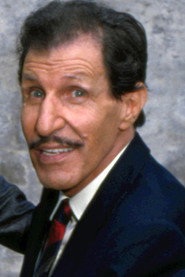 Ciccio IngrassiaTeo, Titta's Uncle
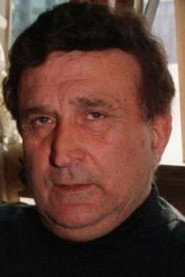 Nando OrfeiPatacca, Titta's Uncle
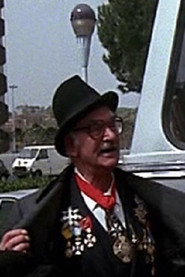 Luigi RossiLawyer
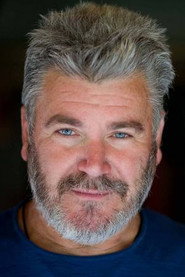 Bruno ZaninTitta Biondi
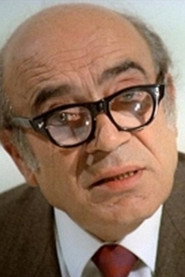 Gianfilippo CarcanoDon Baravelli
 Josiane TanzilliVolpina
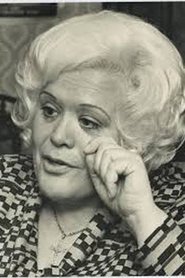 Maria Antonietta BeluzziTobacconist
- Giuseppe IanigroTitta's Grandfather
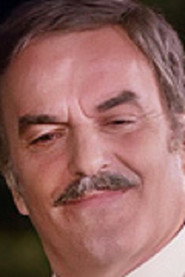 Ferruccio BrembillaFascist Leader
Directing
- Federico FelliniDirector
- Maurizio MeinFirst Assistant Director
- Norma GiaccheroScript Supervisor
- Gérald MorinSecond Assistant Director
- Liliana BettiSecond Assistant Director
- Mario GarribaSecond Assistant Director
Writing
- Federico FelliniScreenplay
- Tonino GuerraScreenplay
- Federico FelliniStory
- Tonino GuerraStory
Production
- Enzo ConsoliniAdministration
- Enzo LucariniAdministration
- Franco CristaldiProducer
- Lamberto PippiaProduction Manager
- Fernando RossiProduction Secretary
- Giuseppe Bruno BossioProduction Secretary
- Alessandro GoriProduction Supervisor
- Gilberto ScarpelliniProduction Supervisor
Recommended by
The Conformist, María la del Barrio, Cinema Paradiso, I Vitelloni, Nights of Cabiria, The Firemen's Ball, Welcome, Miracle in Milan, Radio Days, The Tin Drum, The Great Beauty, La Strada, Fanny and Alexander, Satyricon, War of the Buttons, Eternal Love, Man of Marble, Paris Blues, Lone Star, Julieta, The Color of Pomegranates, Don Quixote, Under the Same Moon, The Salt of Life, The Milk of Sorrow, Pain and Glory, Antonieta, Love in the Time of Cholera, Jaane Bhi Do Yaaro, The Whales of August, I Will Follow, A Matter of Time, The Warlords, The Overcoat, The Children Are Watching Us, Intimate Lighting, Bread and Chocolate, Rang Rasiya, The Decameron, Shaukeen, The Skin of Our Teeth, A Special Day, Natsamrat, The Two of Us, Molière, The Decameron, The V.I.P.s, Dona Flor and Her Two Husbands, Are You Being Served? The Movie, Pasión de Gavilanes, Kaos, Violette, The Hero, Mon oncle Antoine, Piccolo Grande Amore, The Secret of Santa Vittoria, Live Flesh, The Gold of Naples, Detective, Hear My Song, Roti Kapada Aur Makaan, Padayottam, The Lovers of Montparnasse, Variety Lights, The Seduction of Mimi, Christopher Strong, The Walk, 1945, El precio de la fama, The Comic Relief Utterly Utterly Rude Video Live, Malena, Pushpak Vimaan, The Best of Enemies, Gabriela, Ovosodo, Paradesi, The Milky Way