
Film
Paris Blues
A 1961 jazz romance set in Paris, where two American musicians navigate love and artistic ambition. Paul Newman and Sidney Poitier anchor a film that moves between smoky clubs and personal crossroads, capturing the allure of expatriate life and the tension between art and commitment. It's for anyone drawn to mid-century romance and jazz culture.
Should you watch it?
Watch it if you love jazz-club films where the music is the emotional argument, and you don't mind a romance that wanders between sessions and late-night talk about what art costs.
Skip it if you want tight plotting or a clear dramatic spine, since the story drifts through long performances and conversations, and its romantic tensions resolve more softly than sharply.
What it asks of you: Roughly ninety-eight minutes of unhurried, talky scenes, with several full musical numbers that stop the story cold; it rewards patience more than close plot-tracking.
Not sure? Find tonight's pick in a minute.
If you liked this
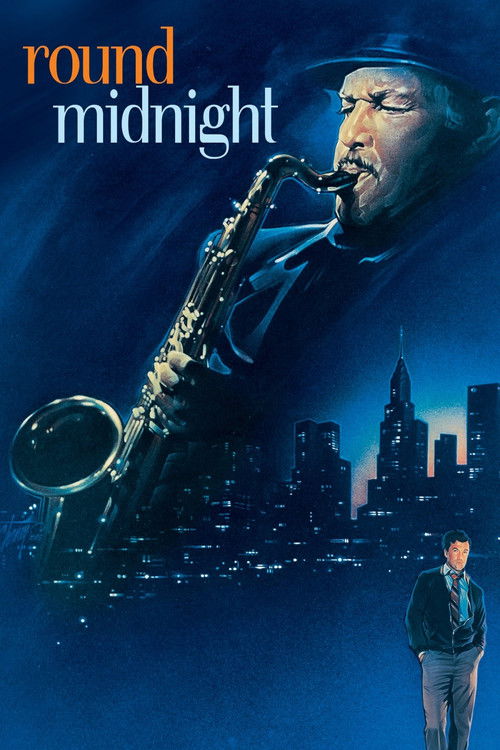
'Round Midnight1986
Dexter Gordon's only starring role as a troubled jazz musician in Paris, with Bertrand Tavernier's direction and a legendary Miles Davis score. A meditation on artistic genius, exile, and the cost of genius.
But Deliberately slow and melancholic; the plot takes a back seat to mood and the music. Demands patience and some jazz appreciation.
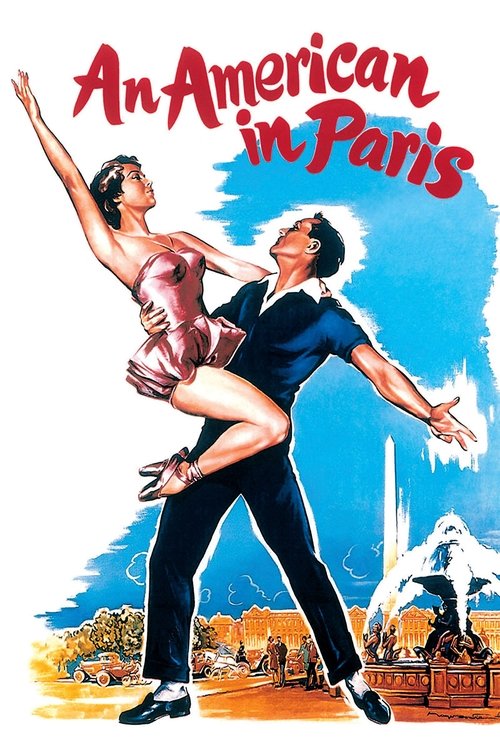
An American in Paris1951
Gene Kelly in post-war Paris, chasing art and romance with Vincente Minnelli's sumptuous direction and the Gershwin score. The spiritual predecessor to Paris Blues, but sunnier and more optimistic about love and creation.
But The extended ballet sequence can feel indulgent. Heavy on spectacle, lighter on character depth than you might want.
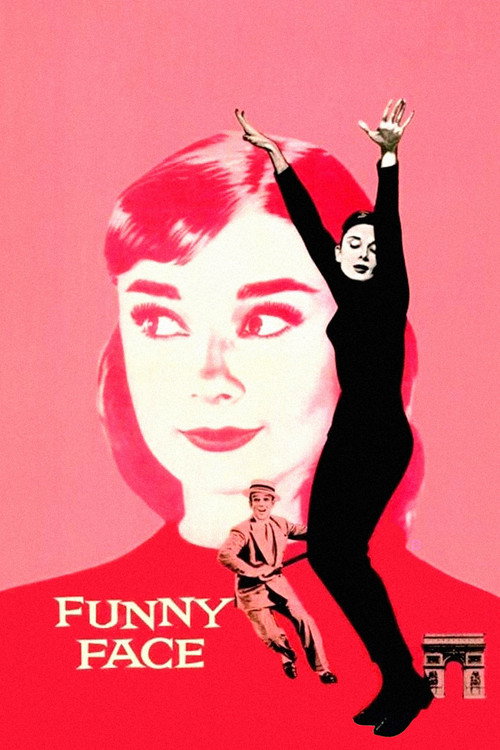
Funny Face1957
Audrey Hepburn and Fred Astaire in Paris, mixing fashion, art, and romance with effortless charm. The city itself becomes a character; the dancing is transcendent and the wit is genuine.
But Predates Paris Blues by four years and covers similar territory less seriously. If you're looking for jazz specifically, this pivots to other pleasures entirely.
Not sure tonight? Get a pick in a minute, starting from Paris Blues
The wildcard
Something you would not have found on your own.
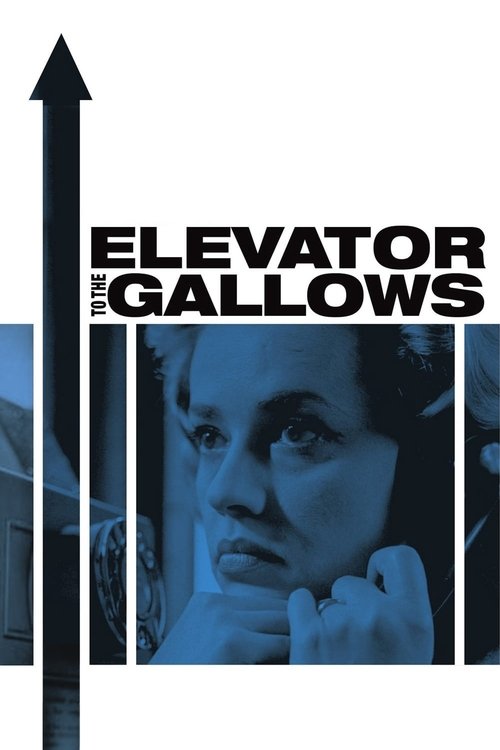
Elevator to the Gallows1958
Both use jazz as a cultural touchstone for post-war American experience abroad; Paris Blues romanticizes it, Lift to the Scaffold shows its criminal underside. Same city, opposite spiritual gravity.
Louis Malle's French film noir with Miles Davis on the soundtrack, shot in Paris at night. It shares Paris Blues' jazz foundation and expatriate mood, but replaces romance with crime and moral corruption. A visual and sonic masterpiece that feels like the shadow side of jazz culture.
But A crime film, not a romance. The plot involves murder and betrayal. Deliberately bleak, with no redemptive arc—just beautiful devastation.
More like this (8)
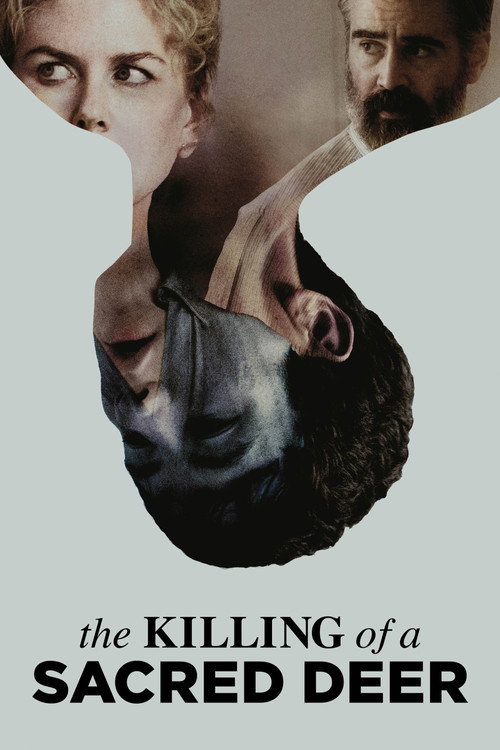
The Killing of a Sacred Deer2017
A contemporary film about an artist's double life and moral reckoning, starring Colin Farrell. While not about musicians, it shares Paris Blues' interest in talented men juggling ambition, relationships, and conscience.
But Far darker and more unsettling than a 1961 romance. The tone is dread, not wistfulness. This is watching someone's life destabilize in real time.
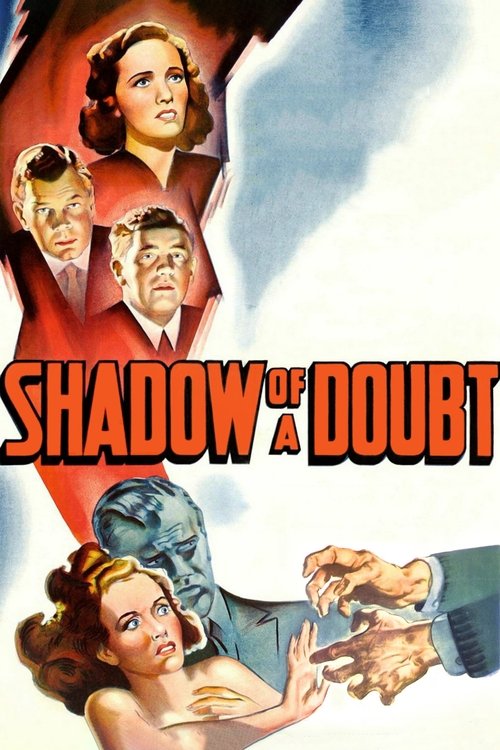
Shadow of a Doubt1943
Hitchcock's exploration of charming deceit and small-town American innocence abroad—or encountering the world. The architecture of secrets beneath attraction mirrors Paris Blues' romantic entanglements.
But A thriller, not a romance, and considerably darker. The pleasure is in suspense and irony, not music or affection.
Breakfast at Tiffany's1961
Released the same year, also anchored by a charismatic lead, also playing with American identity abroad. Audrey Hepburn and George Peppard navigate love and reinvention in Paris with style and comedy.
But Lighter and more whimsical than Paris Blues; if you want romance with weight, this leans toward decoration. The ending is divisive.

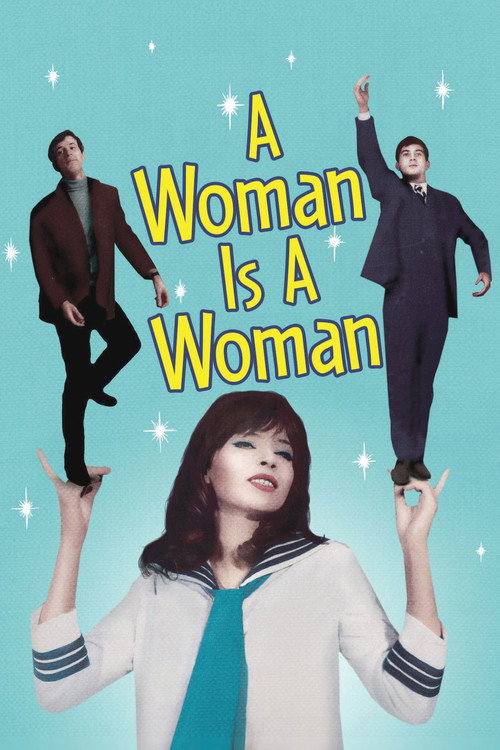
A Woman Is a Woman1961
Jean-Luc Godard's 1961 Paris film, starring Anna Karina in a playful, colorful romance. Music-driven (with Michel Legrand), it captures the same year's aesthetic but with New Wave spontaneity and formal playfulness.
But The plot is gossamer-thin and deliberately so. If you need narrative momentum and emotional stakes, Godard's experiment will feel like resistance.
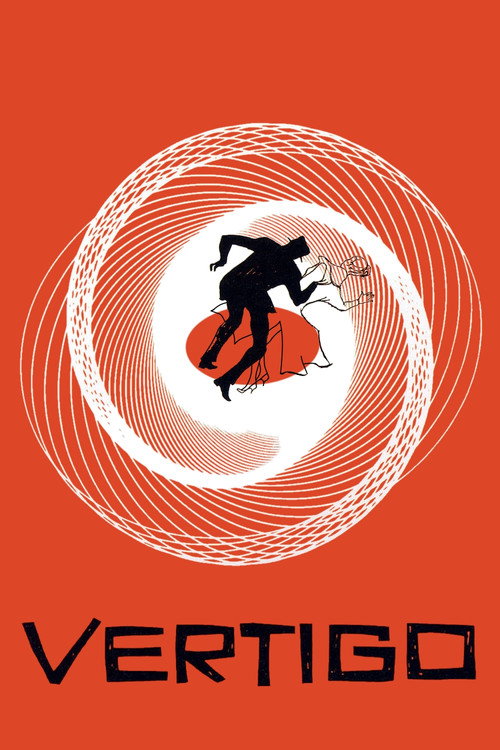
Vertigo1958
Hitchcock's obsessive romance, where a man pursues an unattainable woman through a dreamlike city. Shares the intoxicated atmosphere of Paris Blues and the tension between desire and artistic vision.
But Becomes progressively darker and more sinister. The romance is poisonous and the ending is bleak. Not comfort viewing.
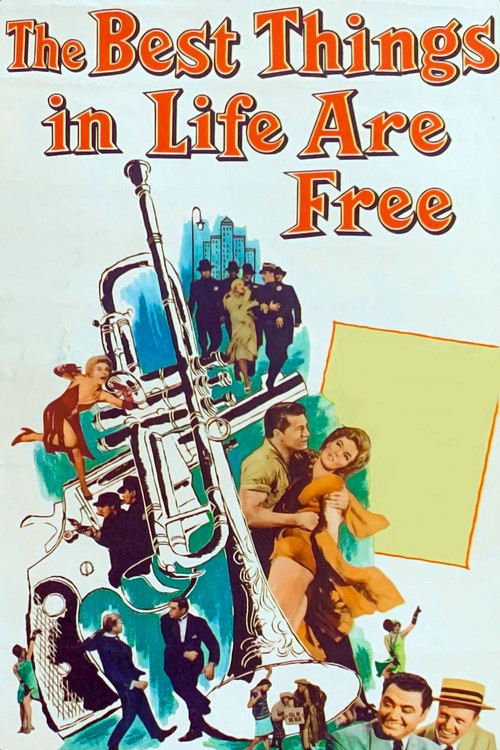
The Best Things in Life Are Free1956
A musical about composers and songwriters in the 1920s, with Harry Belafonte and an energetic approach to artistic collaboration and romance. Lighter than Paris Blues but explores similar tensions between creation and connection.
But Episodic and uneven; the plot is mostly an excuse for musical numbers. If you want character development, this sacrifices it for spectacle.
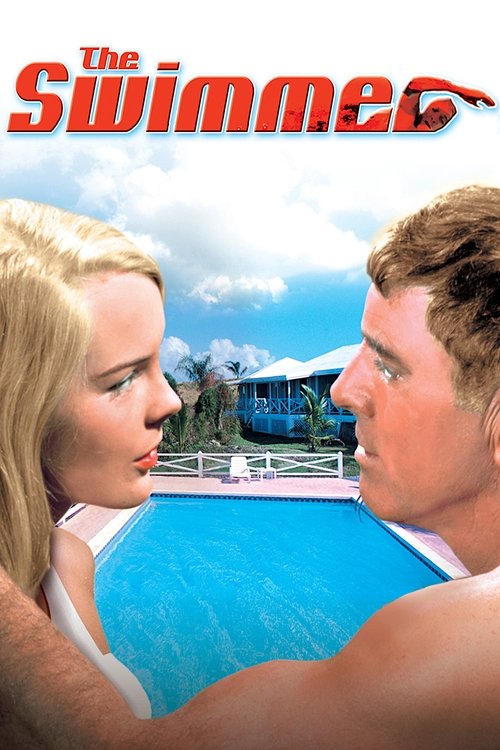
The Swimmer1968
Both hinge on a talented, attractive man's inability to choose—between art and love in Paris Blues, between illusion and reality in The Swimmer. Both show that charm and talent don't solve existential problems.
Burt Lancaster in a surreal, haunting film about a man swimming home through suburbia in a single afternoon. It shares Paris Blues' interest in middle-aged male self-deception and the gap between self-image and reality, but filters it through Kafkaesque unease instead of jazz romance.
But Deeply strange and deliberately disorienting. No plot, little dialogue. The mood is creeping dread, not charm. Some will find it pretentious rather than moving.
Amarcord1973
Both understand that the real drama isn't choice between A and B, but the texture of desire itself—how music, sex, ambition, and memory collide in a particular time and place. Paris Blues does it straight; Amarcord does it through fever dream.
Fellini's memory-film about an Italian provincial town in the 1930s, told in fragments, music, and sensual moments rather than narrative. Like Paris Blues, it's about music, romance, and the pull between artistic ambition and ordinary happiness—but it's Italian, it's surreal, and it's devastatingly funny and sad at once.
But Not one story but dozens of overlapping ones. No conventional plot. Requires patience with Fellini's associative method and doesn't resolve cleanly. Some find it self-indulgent.
People
Cast
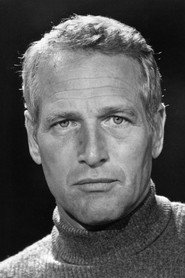 Paul NewmanRam Bowen
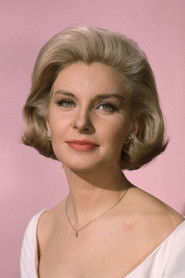 Joanne WoodwardLillian Corning
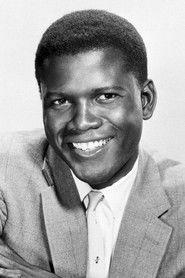 Sidney PoitierEddie Cook
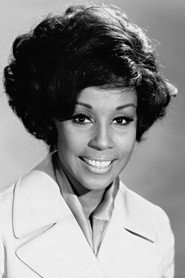 Diahann CarrollConnie Lampson
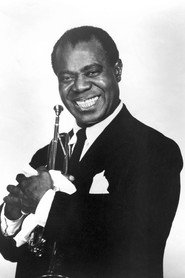 Louis ArmstrongWild Man Moore
 Barbara LaageMarie Séoul
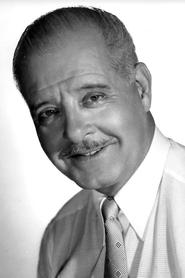 André LuguetRené Bernard
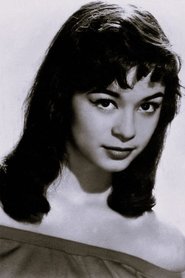 Marie VersiniNicole
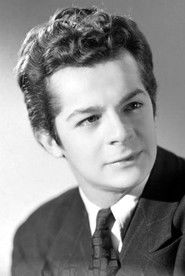 Serge ReggianiMichel 'Gypsy' Devigne
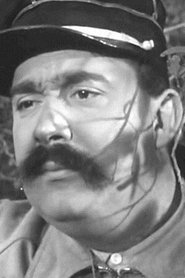 MoustacheMustachio
- Aaron BridgersPianist
- Guy PedersenBass Player
Directing
- Bernard FarrelAssistant Director
- Martin RittDirector
- Dagmar BolinScript Supervisor
- André SmaggheSecond Unit Director
Writing
- Lulla RosenfeldAdaptation
- Harold FlenderNovel
- Irene KampScreenplay
- Jack SherScreenplay
- Walter BernsteinScreenplay
Production
- Lee KatzAssociate Producer
- George GlassExecutive Producer
- Walter SeltzerExecutive Producer
- Sam ShawProducer
- Michel RittenerProduction Manager