
Film
Elevator to the Gallows
- Crime
- Crime thriller
- Drama
- Very dark
A crisp French noir about a man trapped by his own perfect crime. When a businessman murders his lover's husband to free her, a chance coincidence spirals into catastrophe. Louis Malle's debut is sleek and fatalistic, all cigarette smoke and mounting dread. Essential viewing if you love Hitchcock but want something leaner, darker, colder.
Should you watch it?
Watch it if you love moody, rain-soaked Paris noir where atmosphere, a restless camera and an improvised jazz score outweigh neat plotting, and you enjoy drifting alongside lonely characters.
Skip it if you need brisk, tightly constructed thrillers, since this one lingers in long silences and wandering night streets, and its jazz-soaked mood may feel more languid than gripping.
What it asks of you: Ninety-two minutes, but it moves at its own unhurried pace, asking you to sit with long stretches of quiet, grey-lit wandering and let the mood do the work.
Not sure? Find tonight's pick in a minute.
If you liked this
Rififi1955
A heist masterpiece about a jewel robbery gone wrong. Like Elevator, it's a perfectly-planned crime that unravels through circumstance. The silent 30-minute heist sequence is cinema at its most elegant and tense.
But It's French 1950s crime cinema—if baroque plotting and moral ambiguity aren't your thing, you'll find it frustrating rather than thrilling.

In a Lonely Place1950
Humphrey Bogart as a volatile man suspected of murder. Like Elevator, it's obsessed with how guilt and circumstance trap you, and whether appearance and reality can ever align. Raw and psychologically devastating.
But It's American noir, so warmer and more character-focused than Malle's ice-cold precision. Some find Bogart's performance too one-note.

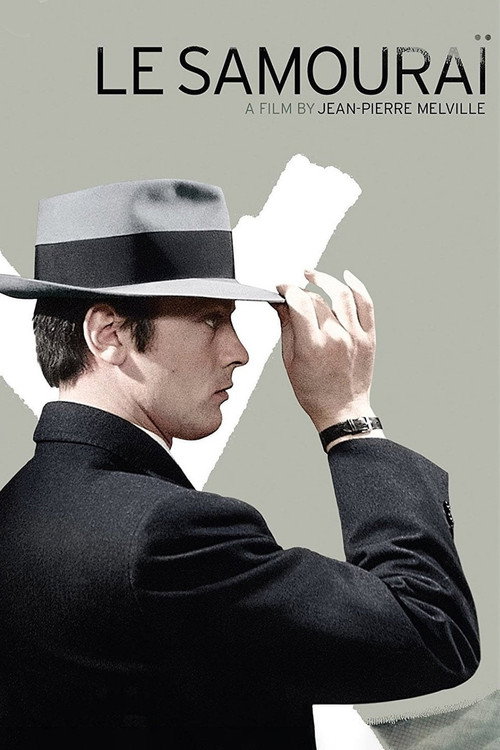
Le Samouraï1967
Alain Delon as a hitman caught between loyalty and survival after a job goes wrong. Shares Elevator's obsession with style, isolation, and the logic of crime. Hypnotic and nearly wordless.
But It's slow, abstract, and sometimes feels more like a visual poem than a plot. If you need narrative momentum, it will feel glacial.
Not sure tonight? Get a pick in a minute, starting from Elevator to the Gallows
The wildcard
Something you would not have found on your own.
Stalker1979
Both films are about the gap between intention and consequence, and how pursuing what we think we want becomes the mechanism of our undoing. One is a tight crime thriller, the other metaphysical science fiction, but they're asking the same question.
Tarkovsky's science-fiction meditation on desire, guilt, and the things we convince ourselves we want. Like Elevator, it's about a journey toward something that destroys the person undertaking it. Hypnotic, profound, and morally devastating.
But It's 163 minutes of slow cinema—not a thriller, barely a narrative. The philosophical register is so elevated it can feel airless.

More like this (8)
The Killing1956
Kubrick's racetrack heist, told in fractured chronology. Like Elevator, small choices cascade into disaster. It's about how plans meet reality and get demolished. Thrilling and formally inventive.
But The chronological jumps can feel gimmicky. Some scenes drag, and the ending punches down a bit.

The Third Man1949
Carol Reed's Vienna-set thriller about guilt, betrayal, and the fog between friends. Morally murky like Elevator, visually stunning, with Orson Welles' iconic performance. A masterpiece that rewards every viewing.
But It's more romantic and operatic than Elevator—if you want French cold clarity rather than Vienna atmosphere, this might feel indulgent.

The Asphalt Jungle1950
John Huston's heist template. A crime meticulously planned, then undone by chance and human weakness. The DNA of every heist film afterward, but the original still crackles with moral complexity.
But It's American genre filmmaking, so more conventional morally. The pacing is leisurely by modern standards.

A Prophet2009
A French prison thriller about a man who learns to survive by understanding others' games. Like Elevator, it's about being trapped by circumstance and climbing through corruption. Absolutely gripping and modern.
But It's grim and brutal in ways Elevator isn't. At nearly two-and-a-half hours, it demands patience.

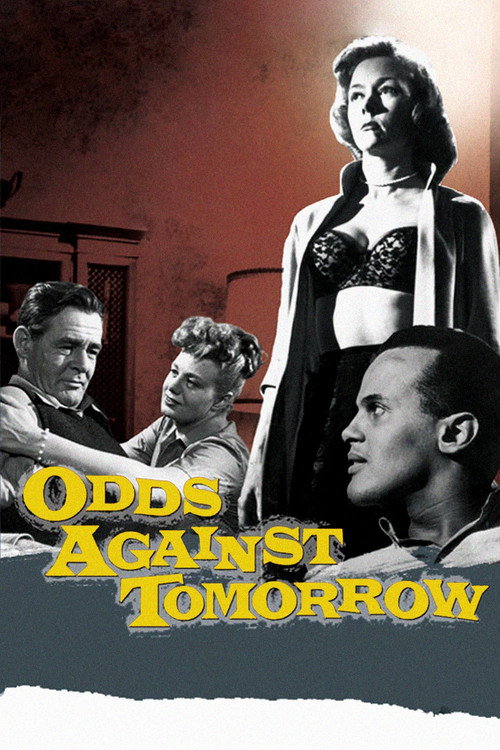
Odds Against Tomorrow1959
An American noir about a heist team undone by racism and paranoia. Made the same year after Elevator, it shares that sense of plans collapsing under the weight of human nature. Harry Belafonte and Robert Ryan are electric.
But It's American moralism—less cool, more earnest than Malle's European detachment. The racial politics, while ahead of their time, can feel didactic.
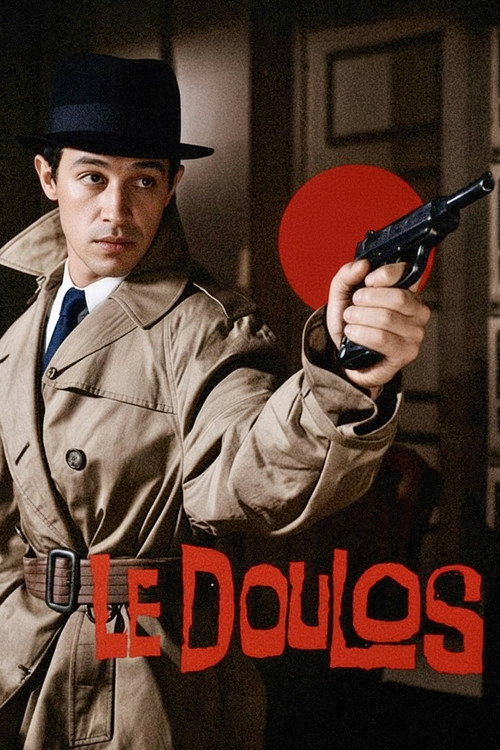
Le Doulos1962
Jean-Pierre Melville's crime drama about betrayal and double-crossing. If you loved Elevator's fatalism and style, this is Melville at peak control—every frame a statement about loyalty and deception.
But It's glacially paced and deeply French in its indifference to the audience's comfort. The plot can feel secondary to mood.
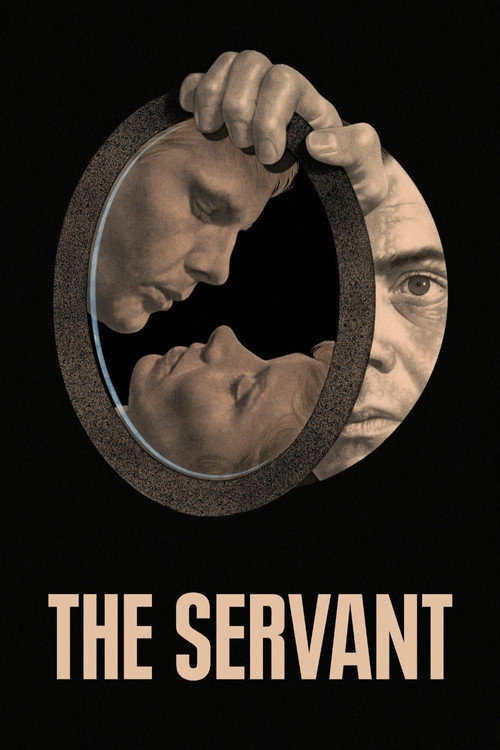
The Servant1963
Both are about men ensnared by desire and circumstance, but Losey zooms in on the microcosm where Malle pulls back. Both understand that the real crime happens in the space between people, not the crime itself.
Joseph Losey's chamber piece about a master and servant whose relationship corrodes from formality into degradation and control. Like Elevator, it's claustrophobic, morally slippery, and obsessed with how power inverts. Dirk Bogarde is magnificent.
But It's almost exclusively two men in one apartment. If you need plot momentum or a sense of stakes beyond psychological, you'll find it suffocating.
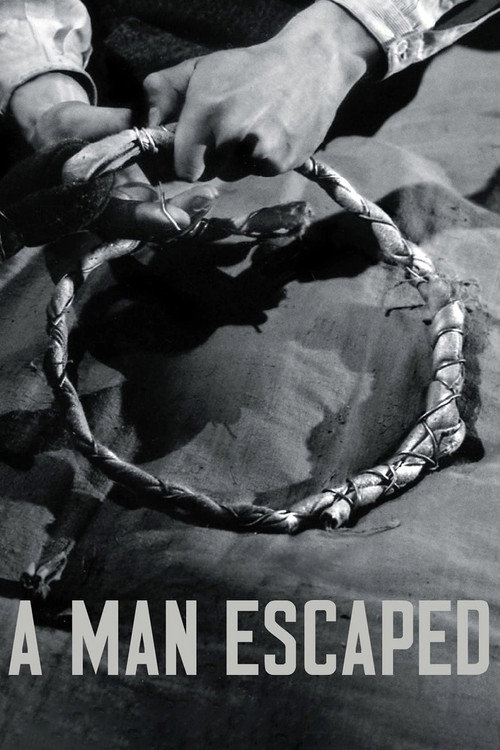
A Man Escaped1956
Both are about men in traps of their own making, but where Elevator's protagonist is destroyed by passivity and chance, Bresson's escapes through active will. Together they're two answers to the same entrapment—one says you cannot escape fate, one says grace is possible if you work for it.
Bresson's prison escape film, told with almost documentary severity. Unlike Elevator's fatalism, this is about will and grace, a man methodically constructing his freedom. Spare, spiritual, utterly transfixing—cinema distilled to its essence.
But It's austere to the point of austerity. Bresson strips away everything—music, performance, psychology—that makes most thrillers work. You have to meet it halfway.
People
Cast
 Jeanne MoreauFlorence Carala
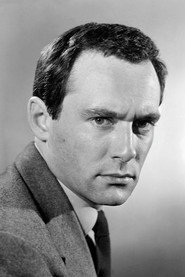 Maurice RonetJulien Tavernier
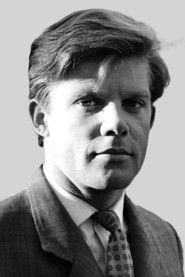 Georges PoujoulyLouis
 Yori BertinVéronique
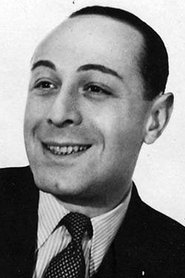 Jean WallSimon Carala
 Elga AndersenFrieda Bencker
 Sylviane AisensteinYvonne, la Fille du Bar
 Micheline BonaGeneviève
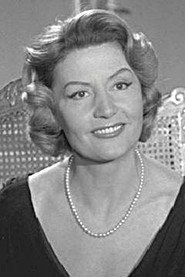 Gisèle GrandpréJacqueline Mauclair
 Jacqueline StaupAnna
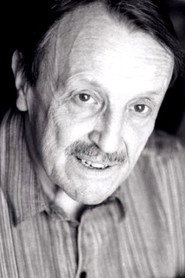 Marcel CuvelierLe Réceptionniste du Motel
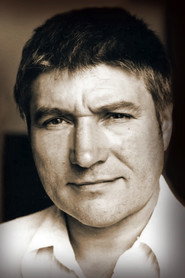 Gérard DarrieuMaurice
Directing
- Alain CavalierAssistant Director
- Louis MalleDirector
- Francine CorteggianiScript Supervisor
- François LeterrierSecond Assistant Director
Writing
- Roger NimierDialogue
- Noël CalefNovel
- Louis MalleScreenplay
- Roger NimierScreenplay
Production
- Jean ThuillierProducer
- Irénée LericheProduction Manager
- Hubert MérialUnit Production Manager
Recommended by
The Hunchback of Notre Dame, Band of Outsiders, Paris Blues, New Orleans, Othello, The Lovers, Shoot the Piano Player, Jenny Lamour, Young Man with a Horn, Too Late Blues, The Innocent, Carnegie Hall, Johnny Staccato, The Strange Case of Dr. Manning, The Miniver Story, The Fabulous Dorseys, Rogue's Gallery, À double tour, Gideon's Day, The Detectives, Sin on the Beach, Lady Killer, Tension