
Film
The Hunchback of Notre Dame
Other titles called The Hunchback of Notre Dame: the 1923 film, the 1956 film, the 1996 film.
A ravishing 1939 Gothic romance where Charles Laughton's tragic hunchback ringer guards a cathedral while the city below schemes, desires, and destroys. Visually stunning in deep black-and-white, structurally a melodrama but played with such conviction it becomes genuinely moving. For anyone who loves classic Hollywood spectacle with real emotional weight.
Should you watch it?
Watch it if you love old-Hollywood melodrama where a single performance carries the whole film, and you don't mind a story driven by obsession and sympathy for the outcast.
Skip it if you need restrained, modern pacing, or find the stagey acting and sentimental swells hard going; its 117 minutes move at a deliberate, theatrical clip.
What it asks of you: A little under two hours of unhurried build, with broad gestures, theatrical sympathies and long quiet passages that reward patience over attention.
Not sure? Find tonight's pick in a minute.
If you liked this
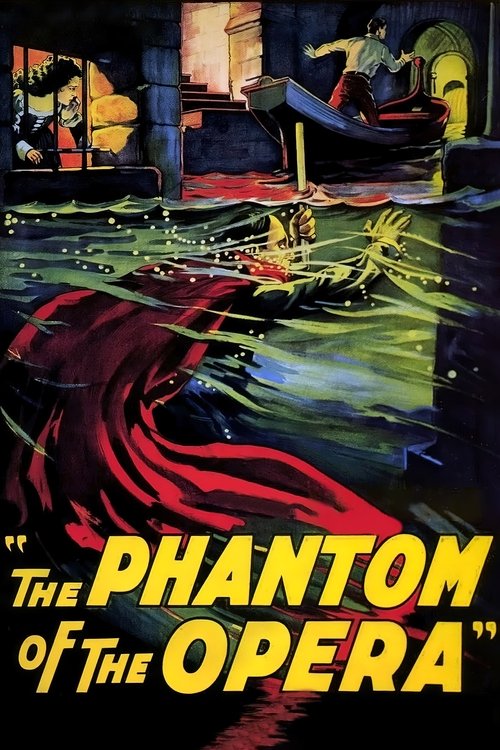
The Phantom of the Opera1925
Lon Chaney in a role of similar tragic nobility—an outsider consumed by obsession in a Gothic space. The makeup is extraordinary and the emotional core is devastatingly human.
But Silent film pacing will feel glacial if you're used to modern editing, and some of the melodrama lands differently without a score to guide your feelings.
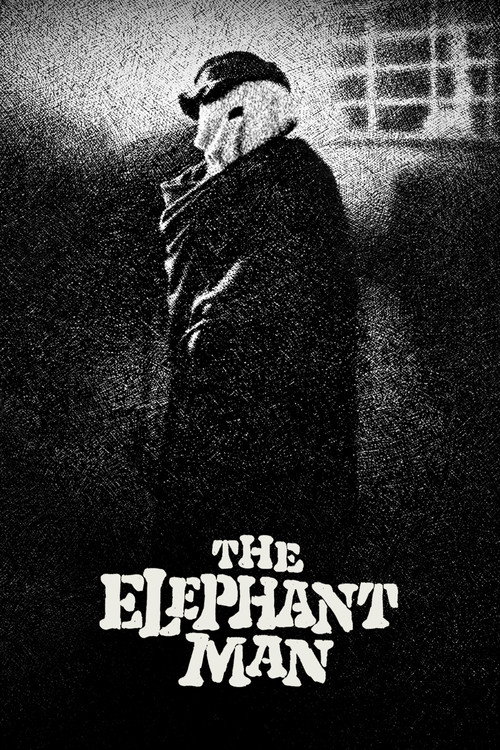
The Elephant Man1980
David Lynch's tender story of another severely disfigured man finding dignity and connection. Black-and-white cinematography and themes of beauty versus monstrosity mirror Laughton's film in surprising ways.
But Slower and more meditative than you might expect; the horror is existential rather than plot-driven, which can feel slow if you want momentum.
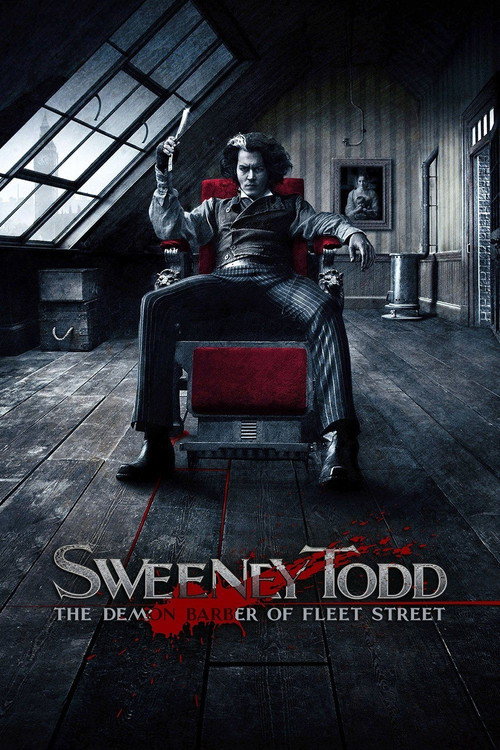
Sweeney Todd: The Demon Barber of Fleet Street2007
Dark, operatic, gorgeously shot. A man consumed by revenge and twisted desire, with a supernatural atmosphere and stunning set design that echoes the cathedral's brooding presence.
But Tim Burton's style won't appeal to everyone, and the gore might undercut the emotional stakes if you find the theatricality distracting.
Not sure tonight? Get a pick in a minute, starting from The Hunchback of Notre Dame
The wildcard
Something you would not have found on your own.
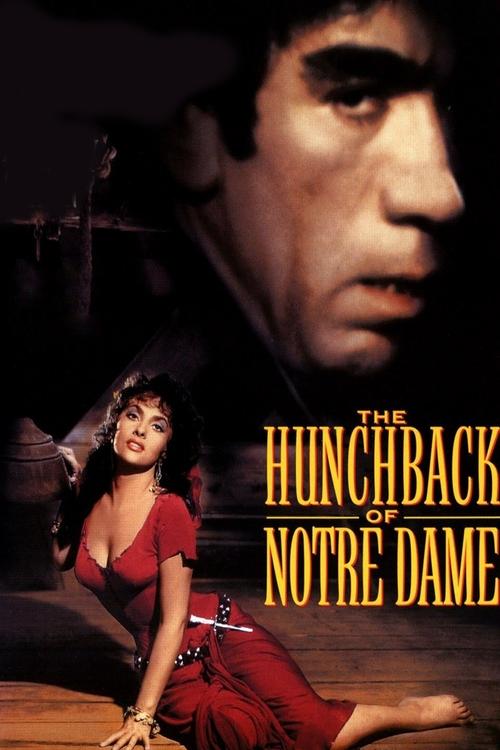
The Hunchback of Notre Dame1956
A direct literary ancestor told from a different culture's perspective, proving the same story can contain entirely different emotional truths depending on who tells it.
Anthony Quinn in the Quasimodo role, directed by Jean Delannoy—a French production that reclaims Hugo's story and leans into the romance and social critique rather than Gothic spectacle. Quinn's physicality is remarkable and the film breathes differently than the Hollywood version.
But Less visually stunning than the '39 film; the melodrama can feel dated and some viewers will find it slower and less gripping than the Laughton version.
More like this (8)
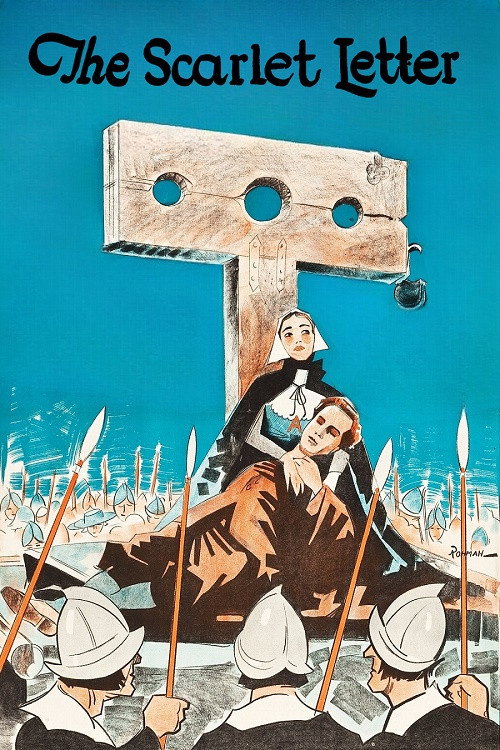
The Scarlet Letter1927
Another Lillian Gish silent about desire, judgment, and the cruelty of supposedly righteous men. The emotional performances and visual storytelling feel like a spiritual sibling to Hunchback.
But Silent film conventions require patience, and the pacing is leisurely by modern standards; plot developments happen slowly.
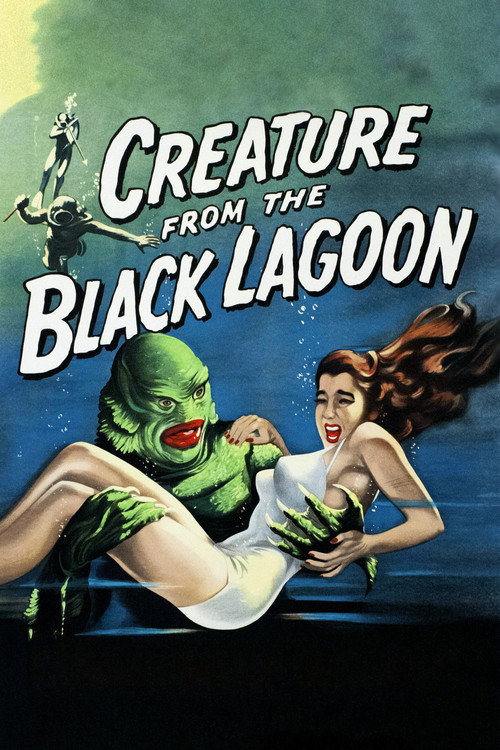
Creature from the Black Lagoon1954
A monster treated with unexpected sympathy and loneliness, drawn to beauty he can never possess. Gothic atmosphere and genuine pathos beneath the horror-picture mechanics.
But B-movie production values and some clunky dialogue; it's pulpier than Laughton's grand-scale drama, which might feel like a step down.
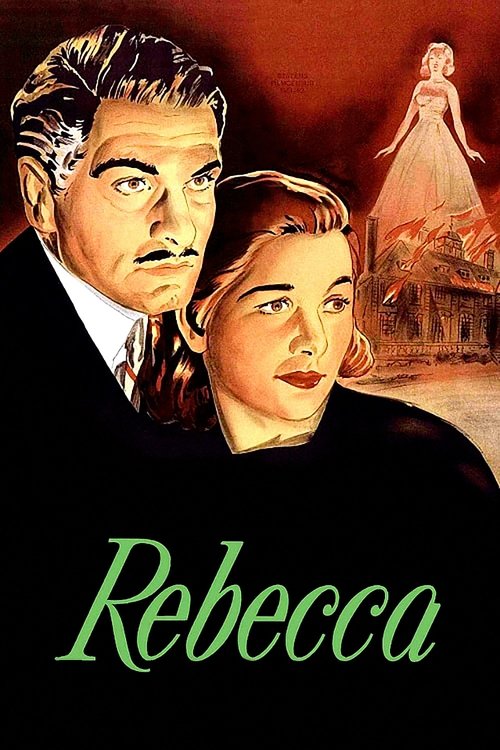
Rebecca1940
Gothic mansion instead of cathedral, but the same brooding atmosphere, obsession, and moral corruption. Hitchcock's control is immaculate and the psychological tension is relentless.
But More concerned with suspense than emotion; if you want the feeling of Laughton's vulnerable performance, this trades that for mystery and dread.
The Cabinet of Dr. Caligari1920
Expressionist masterpiece about a brilliant outsider whose gifts are exploited by those in power. Visually radical, deeply unsettling, and genuinely tragic at its core.
But Silent, German, wildly stylized in ways that can feel overwrought; very much a product of its experimental moment and not for everyone.

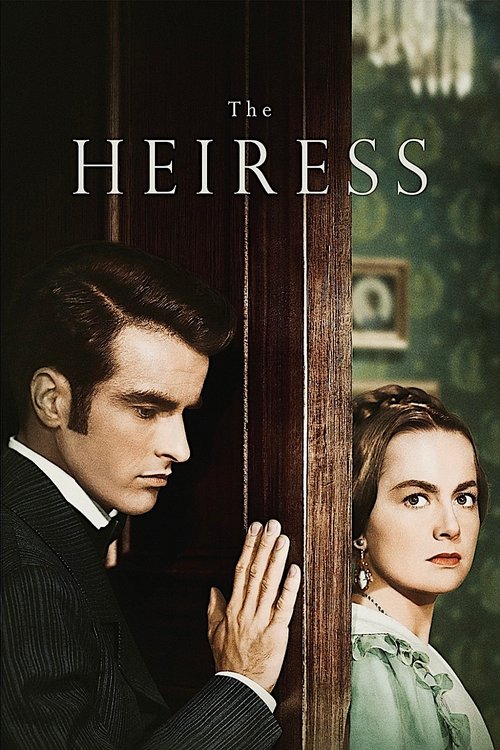
The Heiress1949
Olivia de Havilland in a psychological drama about exploitation, desire, and a woman's slow, devastating awakening. The moral corruption feels as real and as terrible as Frollo's descent.
But Quieter and more restrained than you might expect; the cruelty is emotional and slow, which can feel less dramatic than outright villainy.
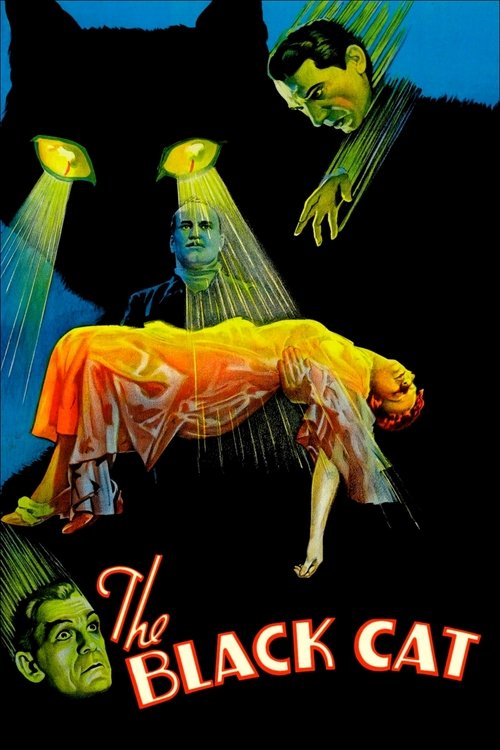
The Black Cat1934
Gothic horror with Lugosi and Karloff that actually has ideas about morality and vengeance, wrapped in an unsettling atmosphere. Surprisingly philosophical for a genre picture.
But Uneven tone and some truly bizarre plot turns; it swings between Grand Guignol and abstraction in ways that can feel disjointed.
Nosferatu1922
Both are about monsters made monstrous partly by circumstance and desire, trapped in worlds that will never let them exist peacefully. The pity you feel is the point.
F.W. Murnau's German Expressionist vampire film—a creature of profound loneliness drawn to beauty it corrupts through mere proximity. The visual language is haunting, the emotion is real, and the tragedy is absolute.
But Silent, monochrome, deliberately slow; the horror is atmospheric rather than visceral, and if you want plot momentum or jump scares you will be badly disappointed.

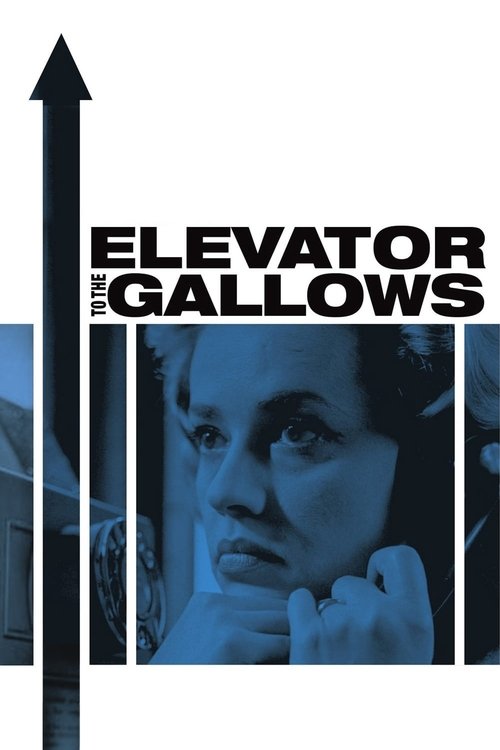
Elevator to the Gallows1958
Both explore how systems of power trap people (Quasimodo in the cathedral, the killer in the elevator), and how the desire to escape or possess something beautiful becomes a death sentence. Different genres, same geometry.
Louis Malle's French thriller about a man trapped by his own ambitions in a confined space (an elevator), with Miles Davis improvising a score live. Lean, tense, visually elegant, and morally complex in ways that sneak up on you.
But Not a Gothic melodrama—it's cool, modern, and deliberately restrained. If you're watching for passion and spectacle you'll find clinical precision instead.
People
Cast
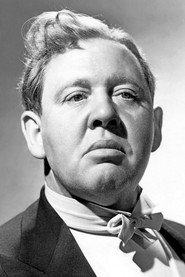 Charles LaughtonThe Hunchback Quasimodo
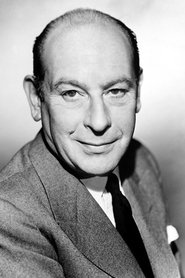 Cedric HardwickeFrollo
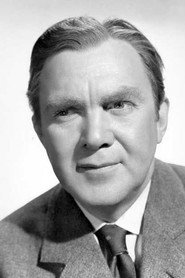 Thomas MitchellClopin
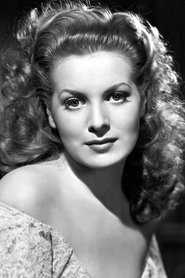 Maureen O'HaraEsmeralda
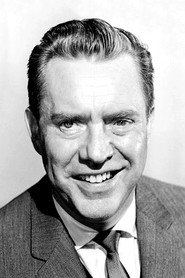 Edmond O'BrienGringoire
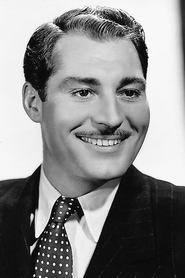 Alan MarshalPhoebus
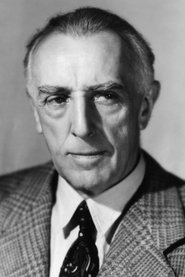 Walter HampdenArchdeacon
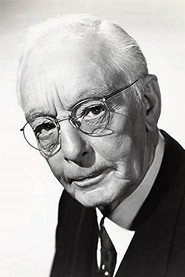 Harry DavenportKing Louis XI
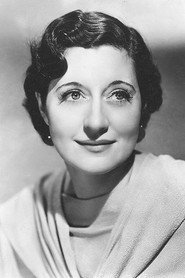 Katharine AlexanderMadame de Lys
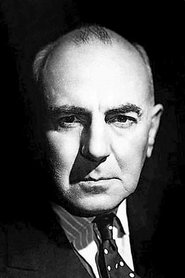 George ZuccoProcurator
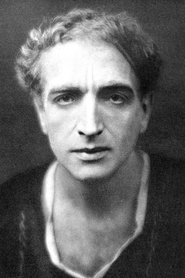 Fritz LeiberOld Nobleman
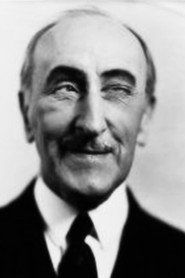 Etienne GirardotDoctor
Directing
- William DieterleDirector
Writing
- Bruno FrankAdaptation
- Victor HugoNovel
- Sonya LevienScreenplay
Production
- Pandro S. BermanProducer
Recommended by
Ousama Ranking, Les Misérables, The Phantom of the Opera, The Hunchback of Notre Dame, Les Miserables