
Film
Les Miserables
Other titles called Les Miserables: the 1935 film, the 1998 film, the 2012 film, the 2018 series (BBC One), the 2019 film.
A 1952 adaptation of Hugo's epic novel, stripping away the musical and operatic conventions to play it as straightforward drama. Michael Rennie's Valjean carries the weight of redemption against Robert Newton's obsessive Javert in a lean, urgent version that prioritizes the cat-and-mouse chase over sentiment. For those who know the story but want to see it unadorned.
If you liked this
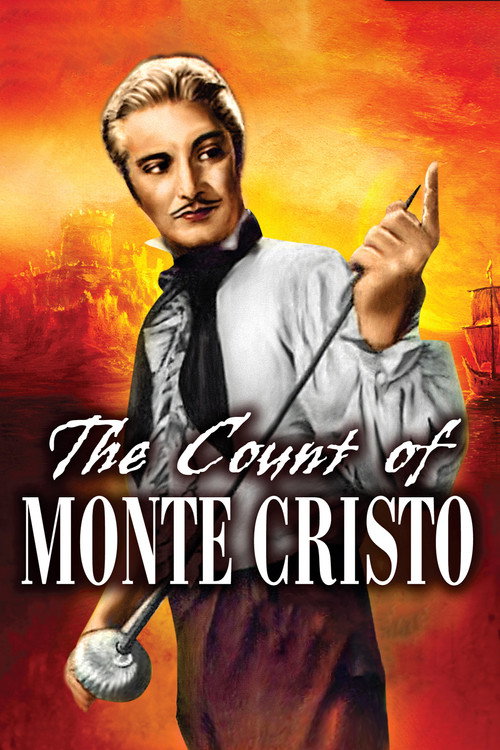
The Count of Monte Cristo1934
Another wronged man's decades-long journey toward justice and mercy, with the same moral complexity about whether revenge or forgiveness wins. Beautifully paced and genuinely moving.
But The 1934 production values feel distant. If you need modern cinematography to stay engaged, this will test your patience.
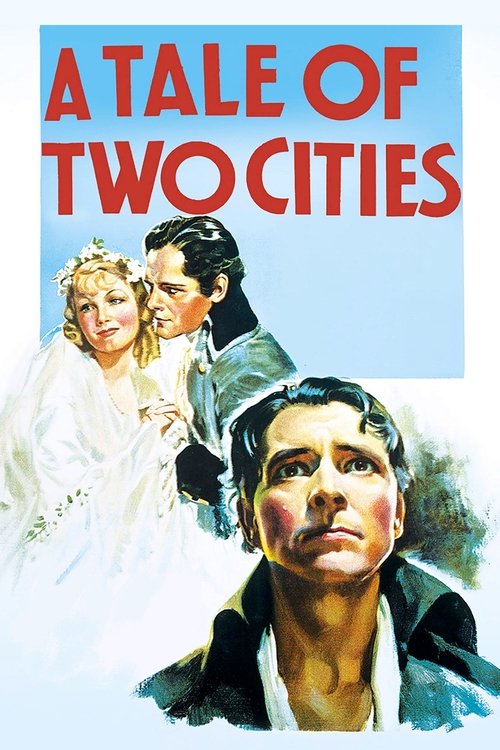
A Tale of Two Cities1935
Dickens's parallel story of sacrifice and resurrection during revolution, with Ronald Colman's quiet dignity anchoring the whole thing. Similar DNA to Les Misérables but a different emotional shape.
But Nearly three hours, and the plot pivots on a substitution that only works if you stop asking questions. The melodrama is thick.
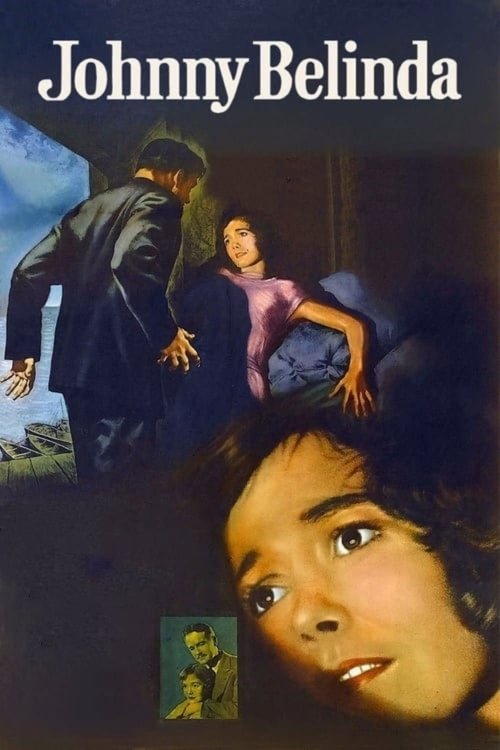
Johnny Belinda1948
Contemporary drama about a deaf woman fighting prejudice and injustice with extraordinary restraint and power. Shares that same belief that ordinary people endure extraordinary moral weight.
But It's quieter and sadder than expected, with no grand gestures. The social-problem element sits at odds with the intimate story.
Not sure tonight? Get a pick in a minute, starting from Les Miserables
The wildcard
Something you would not have found on your own.
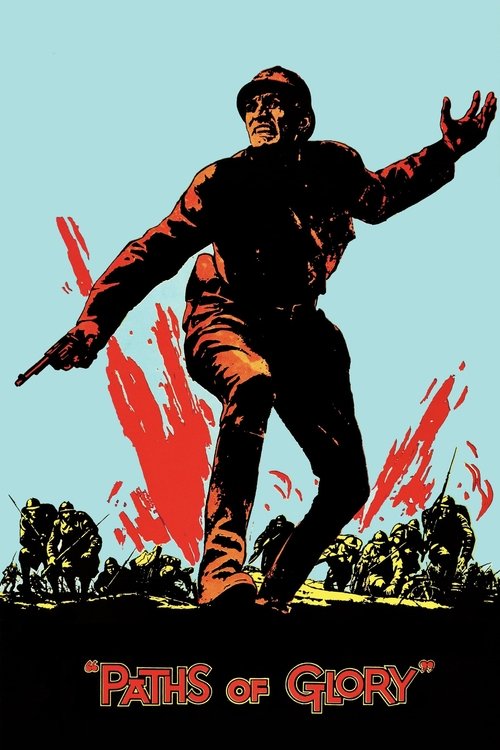
Paths of Glory1957
Both are about men who refuse to bend to a system's logic, but where Valjean escapes and saves others, this film shows what happens when the machine is too strong. One is about the possibility of grace; the other is about what grace costs when it arrives too late.
Kubrick's court-martial drama about institutional injustice and one man's moral clarity against a system designed to crush him. The chess between principle and power is played with surgical precision, and Kirk's quiet fury carries the film exactly as Valjean's does.
But It is relentlessly bleak, with no redemption and no reprieve. The ending is a gut-punch. If you need hope, stay away.
More like this (8)
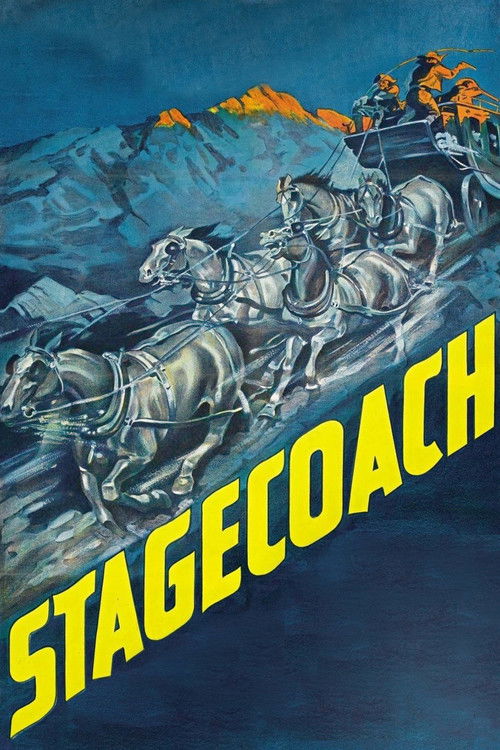
Stagecoach1939
Ford's masterpiece about outcasts and redemption forced into proximity. The moral reckoning under pressure and the question of who deserves judgment are central to both.
But It's a Western, not a period drama, and the tonal shifts between thrills and character study can feel jarring.
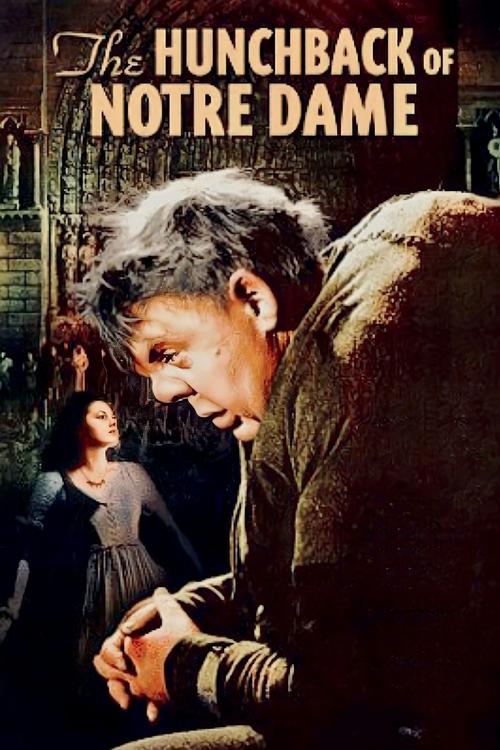
The Hunchback of Notre Dame1939
Charles Laughton as another Hugo creation—persecuted, noble, and trapped by a society that cannot see past his surface. The Gothic atmosphere and moral clarity are pure.
But Laughton dominates the film almost entirely. If the supporting cast bores you, you'll notice it sharply.
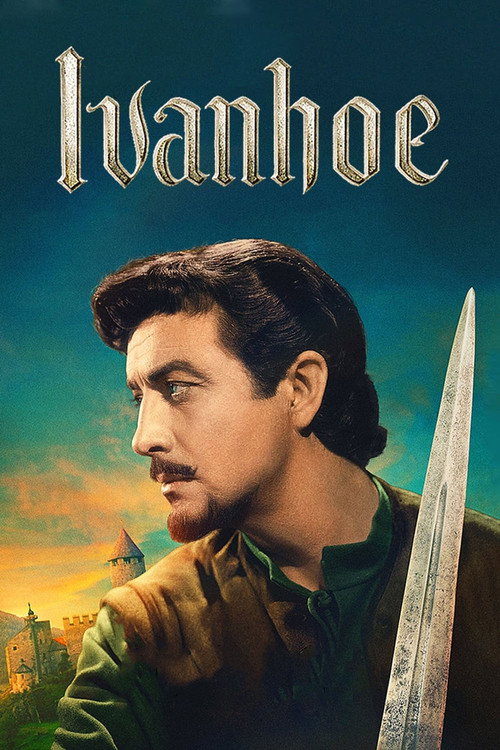
Ivanhoe1952
Released the same year as this Les Misérables, it's another historical epic about class, honour, and divided loyalties. Robert Taylor carries a similar burden of choice.
But It's more spectacle than philosophy. The action sequences can overshadow the moral questions that drive them.
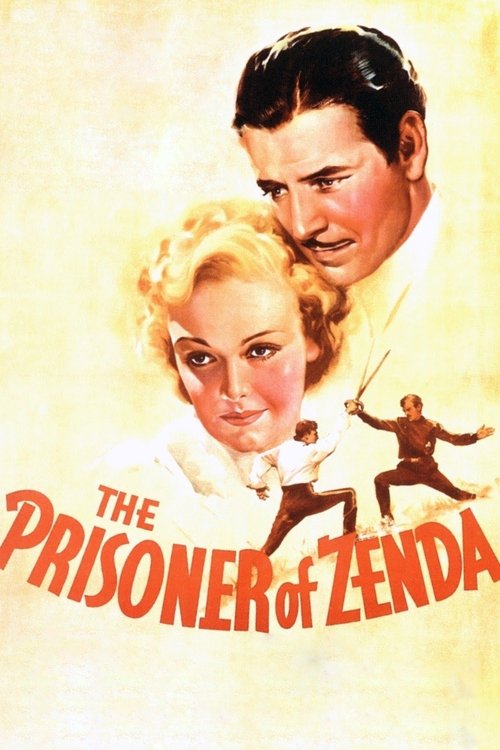
The Prisoner of Zenda1937
Swashbuckling but serious, about duty and sacrifice with Ronald Colman at his most noble. The adventure wraps around a genuine story about what you owe others.
But The tone is lighter, almost arch. If you want unbroken gravity, this whimsy will jar you.
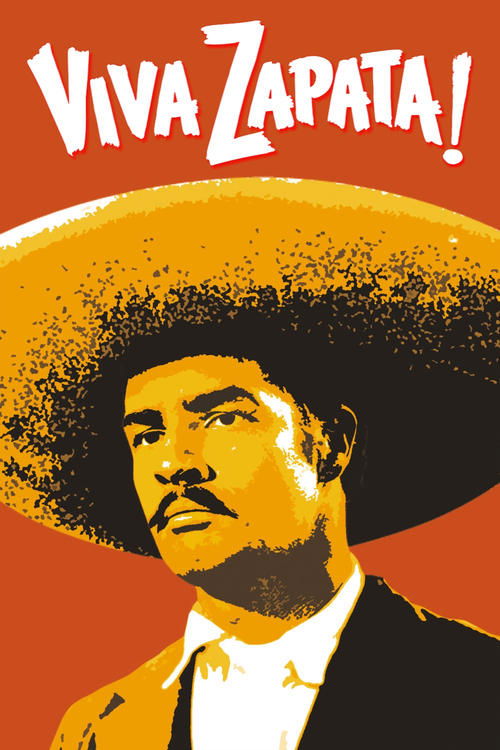
Viva Zapata!1952
Kazan and Brando on revolution and the cost of ideals. A man transformed by circumstance into something he didn't expect, wrestling with power and corruption.
But Brando's accent is distracting, and the script sometimes chooses symbol over character. The politics can feel dated.
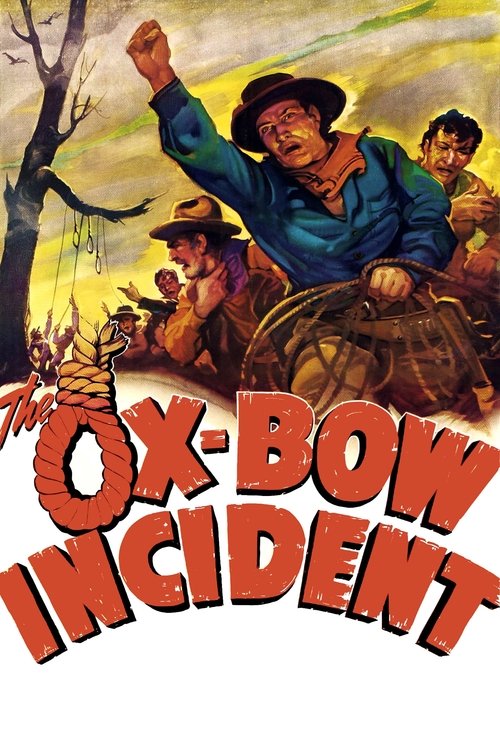
The Ox-Bow Incident1943
A lynch mob narrative that asks what we owe to justice and mercy when society fails. Lean, furious, and morally uncompromising in ways that echo Valjean's ordeal.
But It's bleak and offers no comfort. The mob violence, though not graphic, hangs over everything. Some find it punishing rather than cathartic.
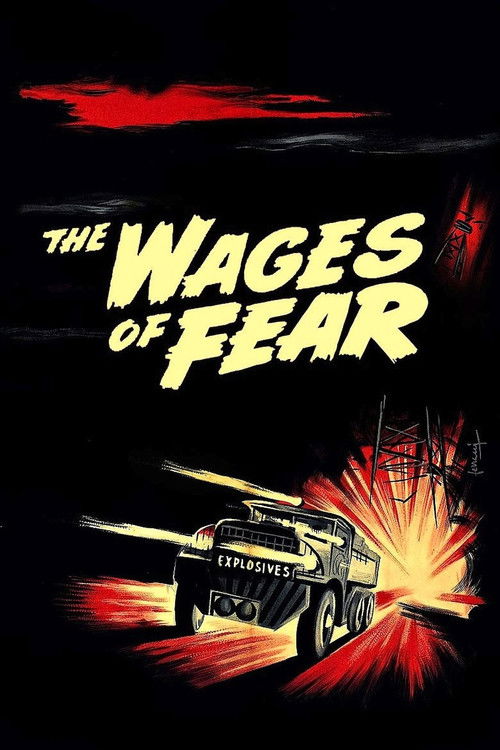
The Wages of Fear1953
Both feature men without power caught in systems larger than themselves, but this one strips away any dignity or redemption—it's about how systems crush people, not how people transcend them. If you want to see the same moral weight played in the minor key.
A French film about desperate men trapped by circumstance, forced into impossible situations where survival and morality collide. It's relentless, suspenseful, and deeply political about poverty and exploitation.
But Bleak does not cover it. The film offers no comfort and is physically exhausting to watch. Long stretches of dread with minimal dialogue will test you.
The Ballad of Little Jo1993
Like Valjean, Jo is a fugitive from social law—hunted not for theft but for existing outside the category society assigns her. But where Valjean seeks redemption within the system, Jo finds freedom by abandoning it entirely. Same themes of identity and persecution, opposite solutions.
A woman passing as a man in the Old West, living as an outsider by necessity, claiming a freedom that society forbids her. Suzy Amis gives a performance of granite restraint. It's a Western that functions as moral philosophy.
But It's deliberately austere and slow. The beauty is in what's withheld, not what's shown. If you need conventional narrative momentum, you'll be frustrated.

People
Cast
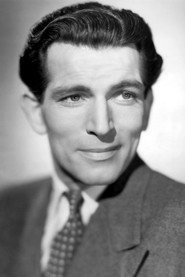 Michael RennieJean Valjean
 Debra PagetCosette
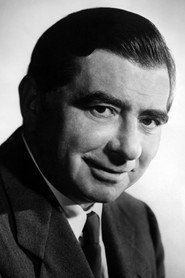 Robert NewtonEtienne Javert
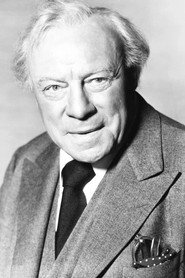 Edmund GwennBishop Courbet
 Sylvia SidneyFantine
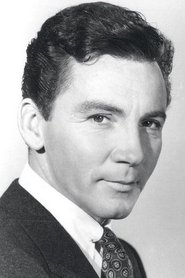 Cameron MitchellMarius
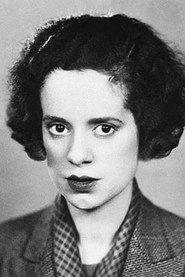 Elsa LanchesterMadame Magloire
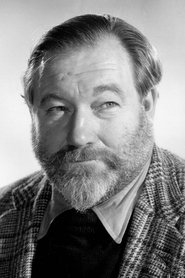 James Robertson JusticeRobert
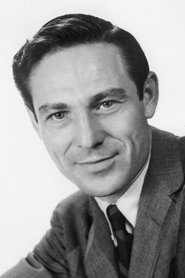 Joseph WisemanGenflou
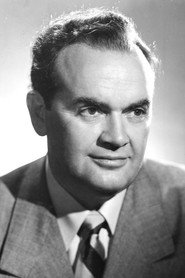 Rhys WilliamsBrevet
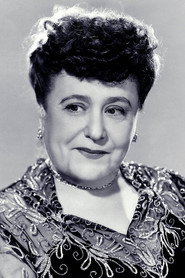 Florence BatesMadame Bonnet
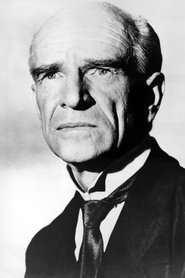 Ian WolfePresiding Judge (uncredited)
Directing
- Lewis MilestoneDirector
Writing
- Victor HugoNovel
- Richard MurphyWriter
Production
- Fred KohlmarProducer