
Film
A Tale of Two Cities
Other titles called A Tale of Two Cities: the 1958 film, the 1980 film, the 1989 series (ITV1).
Dickens' most operatic novel becomes a sweeping 1935 melodrama of sacrifice, resurrection, and love amid the French Revolution's chaos. Ronald Colman commands every frame as the dissolute Sydney Carton, a man remade by devotion. It's theatrical, gorgeous, and unashamed of its emotions—perfect if you love big historical drama with real stakes.
Should you watch it?
Watch it if you enjoy classic studio-era storytelling, where stately period melodrama, big emotions and earnest performances carry the day without modern irony getting in the way.
Skip it if you find 1930s acting styles stagey or want a brisk pace, since this is a long, talky, handsomely mounted film that lingers over its speeches and set pieces.
What it asks of you: Roughly two hours of patience: a measured opening, long stretches of talk and a rhythm that rewards settling in rather than skimming.
Not sure? Find tonight's pick in a minute.
If you liked this
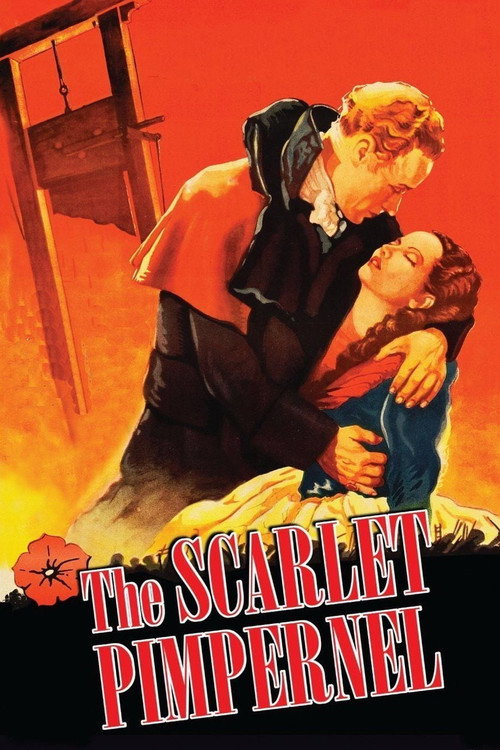
The Scarlet Pimpernel1934
Leslie Howard as the English aristocrat smuggling French émigrés to safety. Same era, same revolutionary terror, same elegant derring-do. A perfect companion piece: where Carton finds meaning through sacrifice, the Pimpernel finds it through wit and daring.
But It's even more theatrical than *A Tale of Two Cities*—campy in places, and the action sequences feel stagy to modern eyes.
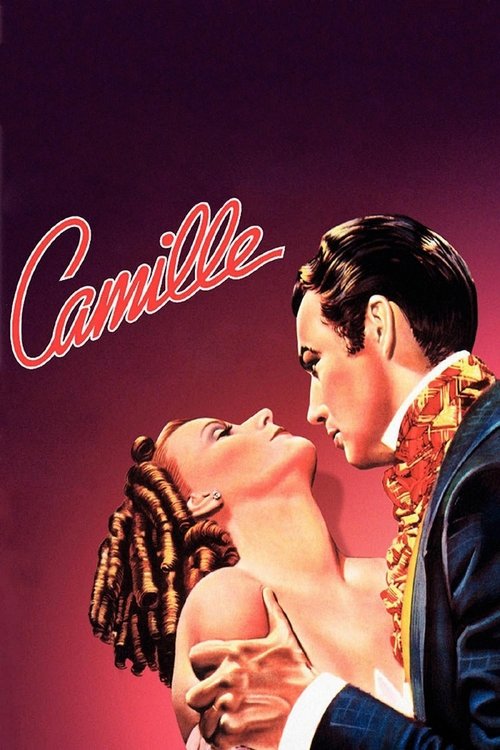
Camille1936
Greta Garbo as a courtesan; Robert Taylor as the man who loves her against reason. Like Carton, it's about transformative devotion and beautiful people destroyed by circumstance. Same melodramatic register, equally lush.
But The central romance hinges on illness and sacrifice in ways that feel dated now. Some find the fatalism exhausting rather than moving.
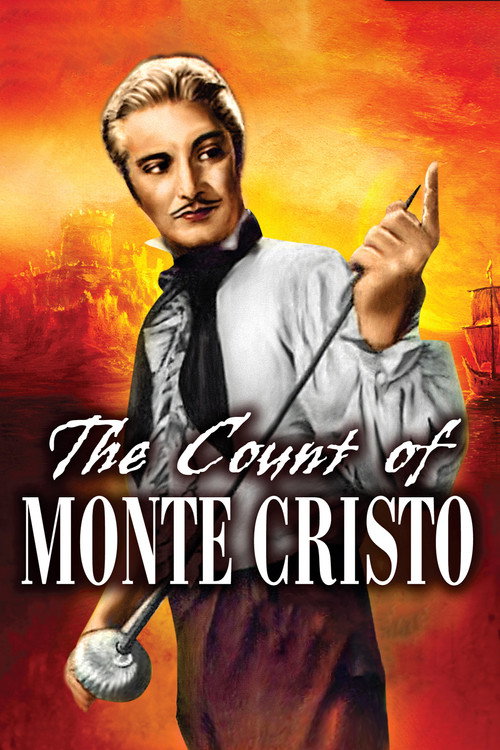
The Count of Monte Cristo1934
Robert Donat in another Dumas adaptation: wronged, imprisoned, transformed. Another tale of resurrection and revenge, but where Carton seeks redemption through death, Edmond Dantès seeks it through life. Equally passionate; different theology.
But The plot mechanics can overshadow character moments. If you need psychological depth over adventure, it might feel slight.
Not sure tonight? Get a pick in a minute, starting from A Tale of Two Cities
The wildcard
Something you would not have found on your own.
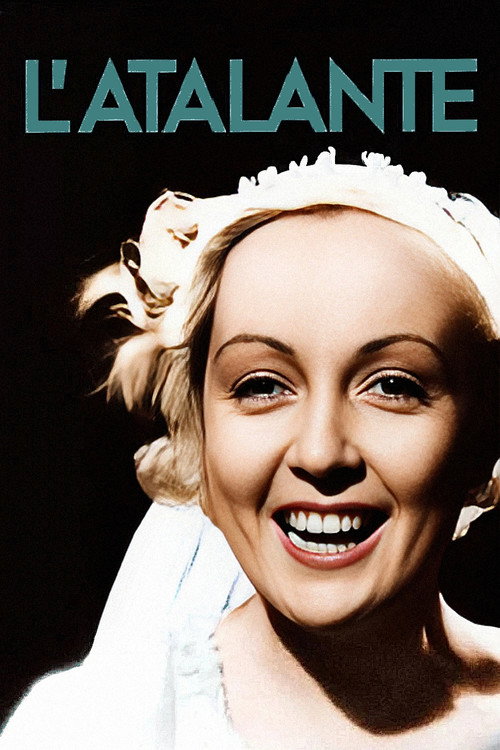
L'Atalante1934
Both are about transformation through love and loss, but where Colman's Carton sacrifices his body for meaning, Vigo's lovers sacrifice their solitude for connection. One is revolution, one is marriage. Same spiritual price.
Jean Vigo's only feature film: a young couple on a river barge, love colliding with reality, beauty pressed against working-class hardship. Shot in 1934, same year as *A Tale of Two Cities*, but in a completely different register—intimate where Dickens is panoramic, French where the MGM film is American spectacle.
But The print quality issues in most restorations can be distracting. The pacing is dreamlike rather than dramatic; if you want plot propulsion, you won't find it.
More like this (8)
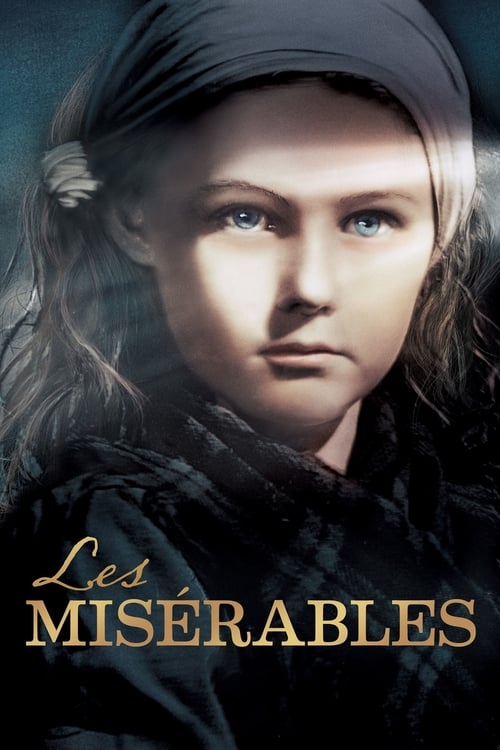
Les Misérables1935
Fredric March as Jean Valjean in this same era of filmmaking. Another Dickens-adjacent epic of redemption and sacrifice against the backdrop of French social upheaval. The moral weight is comparable; the scope is immense.
But At over two hours, it demands patience with 1930s pacing. The dubbed versions sometimes muddy the performances.
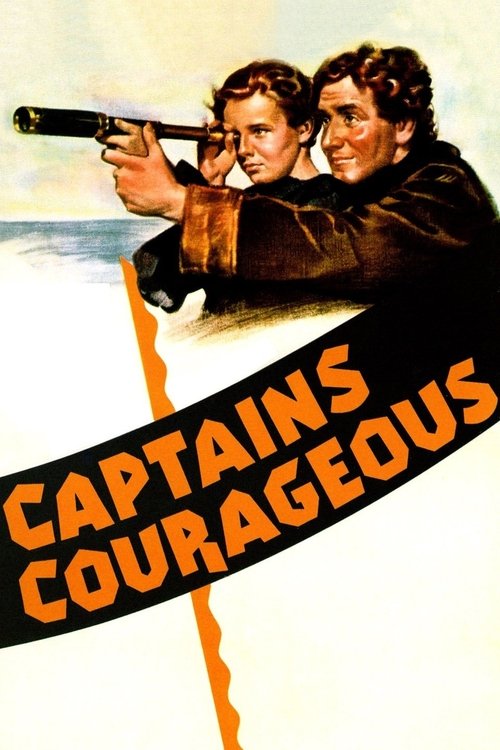
Captains Courageous1937
Spencer Tracy as a rough fisherman who becomes a paternal figure to a spoiled boy. Like Carton's arc, it's about hard men softened by love and duty. Less revolutionary, but spiritually similar—transformation through sacrifice.
But It's a coming-of-age story first, an adult drama second. The tone shifts can feel uneven if you're looking for consistent gravitas.
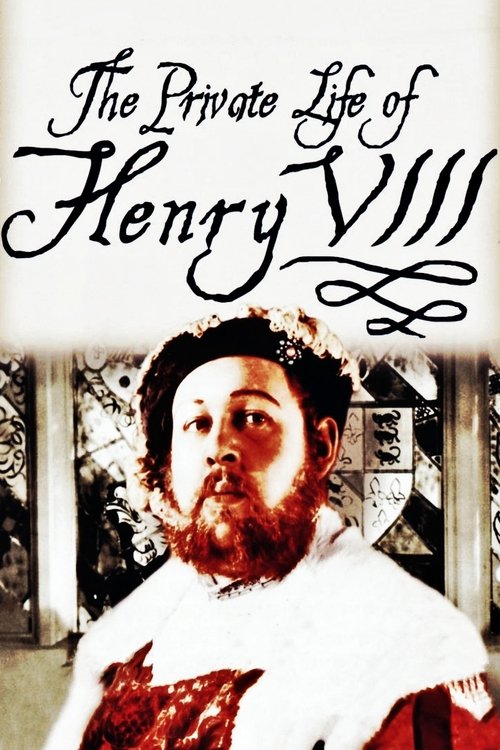
The Private Life of Henry VIII1933
Charles Laughton commanding the screen in Korda's sumptuous historical drama. Not a redemption story, but the same lush Technicolor aesthetic, the same theatrical grandeur. A reminder that 1930s spectacle cinema was an art form.
But Henry's serial marriages blur together. If you need a clear emotional through-line, the episodic structure can feel repetitive.
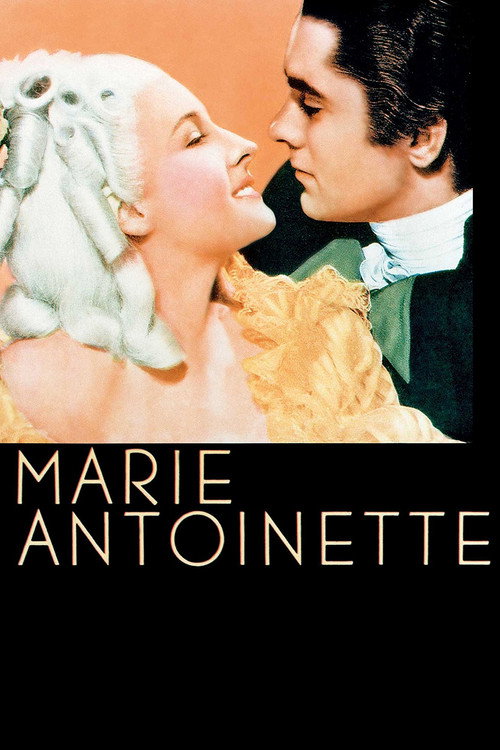
Marie Antoinette1938
Norma Shearer in MGM's lavish take on the doomed queen. Different perspective on the same Revolution—the aristocratic view instead of the populist one. Gorgeous, tragic, another world about to end.
But The sympathetic portrayal of Marie Antoinette sits uneasily with the Revolution's real grievances. History feels prettified here in ways that can grate.
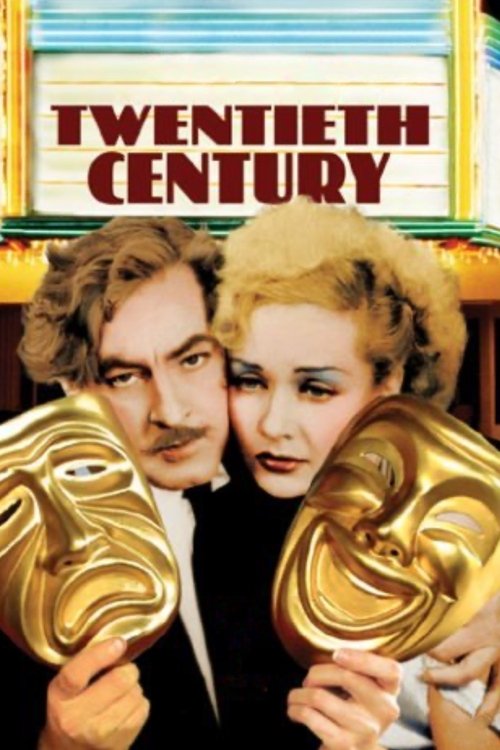
Twentieth Century1934
John Barrymore and Carole Lombard in a theatrical romp about theatrical people. A palate cleanser: proof that 1930s cinema knew comedy as well as tragedy, and that performative excess could be joyful instead of tortured.
But The comedy is screwball and mannered. If you want naturalism, this will feel exhaustingly artificial.
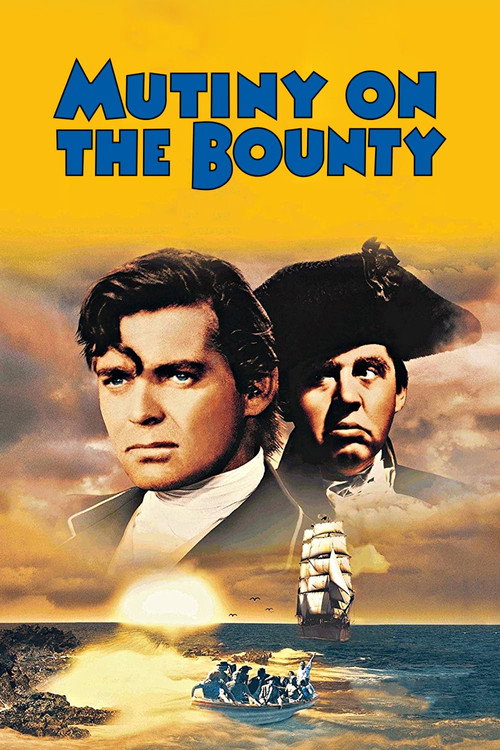
Mutiny on the Bounty1935
Charles Laughton and Clark Gable in another 1935 epic about men choosing conscience over comfort. Smaller in scope than *A Tale of Two Cities*, but with a similar moral architecture—the cost of doing right.
But It's a ship movie; some find the confined setting claustrophobic. The pacing in the second half sags for modern viewers.
Nosferatu1922
Both films are about men hollowed by circumstance, moving toward death as solution. One is literal vampire; one is metaphorical. Both find meaning in surrender, not struggle.
F.W. Murnau's vampire masterpiece: German Expressionism at its most severe, human faces drained of hope, cities swallowed by shadow. Made more than a decade before *A Tale of Two Cities*, but it shares Carton's aesthetic—beauty born from suffering, release through death, the self destroyed to save another.
But It's silent film in high register: no relief, no lightness. The tinting and the pace are hypnotic in ways that can feel slow or oppressive depending on your mood.

Stalker1979
Carton walks toward the guillotine knowing it will resurrect him morally. The Stalker walks into the Zone knowing it will transform him spiritually. Both men choose obliteration to find themselves. One is 1935 melodrama, one is 1979 philosophy, but the sacrifice is identical.
Andrei Tarkovsky's science-fiction meditation: three men cross a mysterious zone toward a room that grants wishes. Made in 1979, in Soviet cinema, it has nothing to do with the French Revolution. But it's another film about men who choose duty over safety, meaning over comfort, and the moral weight of that choice. Utterly different aesthetic—slow, philosophical, built from silence—but the same spiritual architecture.
But It's 163 minutes of deliberate pacing and long takes. If you watch *A Tale of Two Cities* for narrative momentum, *Stalker* will feel like watching grass grow. Some find it transcendent; others find it punishing.

People
Cast
 Ronald ColmanSydney Carton
 Elizabeth AllanLucie Manette
 Edna May OliverMiss Pross
 Reginald OwenStryver
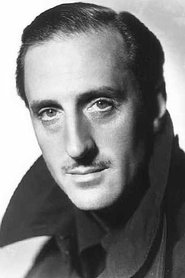 Basil RathboneMarquis St. Evremonde
 Blanche YurkaMadame De Farge
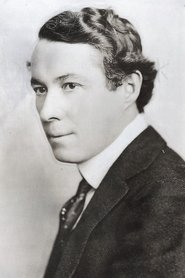 Henry B. WalthallDr. Manette
 Donald WoodsCharles Darnay
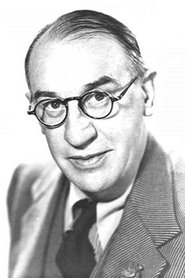 Walter CatlettBarsad
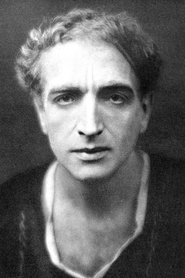 Fritz LeiberGaspard
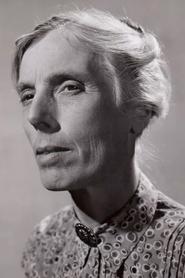 Eily MalyonMrs. Cruncher
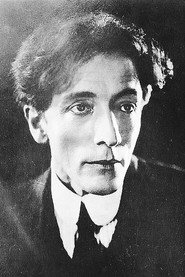 Nigel De BrulierAristocrat (uncredited)
Directing
- Jack ConwayDirector
Writing
- Charles DickensNovel
- S. N. BehrmanScreenplay
- W.P. LipscombScreenplay
Production
- David O. SelznickProducer
Recommended by
Les Misérables, Dangerous Love Affairs, Quo Vadis, Great Expectations, TURN: Washington's Spies, The Prisoner of Zenda, The Man in the Iron Mask, North and South, Les Misérables, Anna and the King, Napoleon, Orphans of the Storm, The Sign of the Cross, Johnny Tremain, Désirée, Pontius Pilate, The Scarlet Pimpernel, Golgotha, In Old Chicago, War and Peace, Lloyd's of London, Queen Margot, The Story of Three Loves, Lady Jane, The Exile, The Courtneys of Curzon Street, The Loves of Edgar Allan Poe, The Marquise of O, The Wishing Ring: An Idyll of Old England, Little Lord Fauntleroy, Danton, The Prince and the Pauper, The Scarlet Pimpernel, Les Miserables, La Marseillaise, Stage Fright, Mayerling, Salome, Aar Paar, Reign of Terror