
Film
Désirée
A sweeping 1954 romance centered on Napoleon's rise, told through the eyes of the women who loved him. Marlon Brando commands the screen as Bonaparte while Désiree pulls the emotional weight, watching her first love transform into an empire-building obsession. It's grand cinema in the old style—all passion and historical grandeur, unapologetically romantic about the personal costs of ambition.
If you liked this
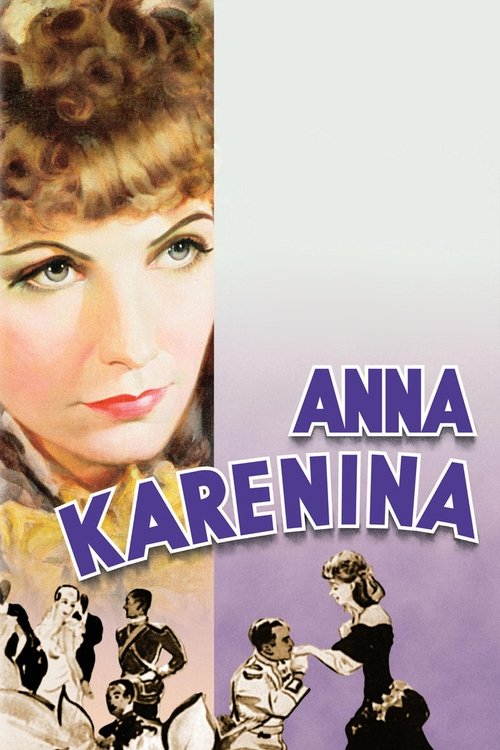
Anna Karenina1935
Greta Garbo in a sweeping period romance about desire and duty. Like Désiree, it's less interested in plot mechanics than in the texture of longing and the choices women make when caught between love and circumstance.
But The pacing is deliberate and the restraint of the era means emotion is conveyed through glances rather than dialogue. It demands patience.
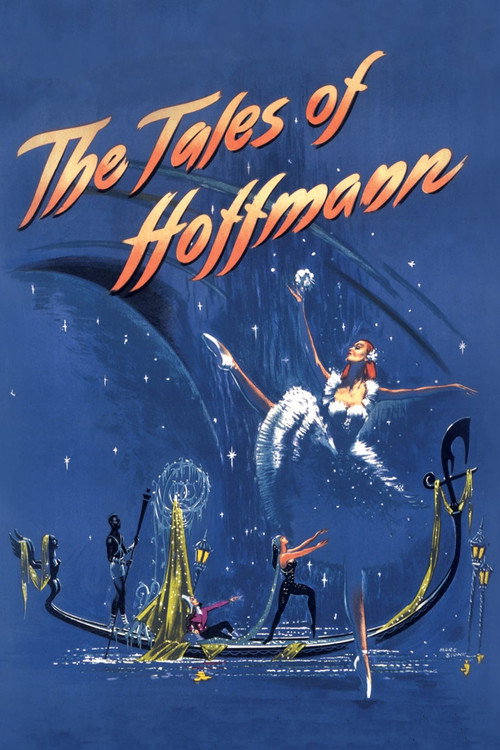
The Tales of Hoffmann1951
A visually intoxicating film about an artist's impossible loves across three lifetimes. It has the same romantic sweep and Technicolor grandeur as Désiree, with elaborate set design and genuine emotional ache beneath the spectacle.
But It's stylized to the point of abstraction. If you want realism, this isn't it; if you want operatic intensity, you're in the right place.
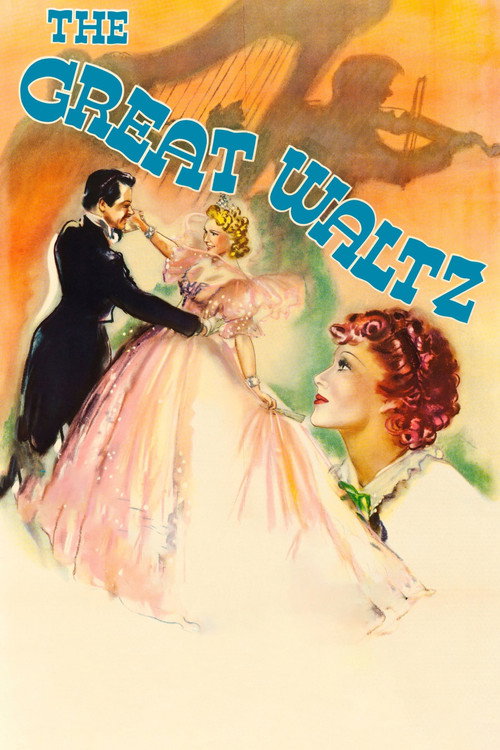
The Great Waltz1938
Luise Rainer is luminous in this lavish biography of Strauss set against Vienna's ballrooms and politics. It shares Désiree's romance-amid-history approach and that same sense of personal drama unfolding in grand historical sweep.
But The plot is predictable and the music, while beautiful, can overshadow character. It prioritizes spectacle over complexity.
Not sure tonight? Get a pick in a minute, starting from Désirée
The wildcard
Something you would not have found on your own.
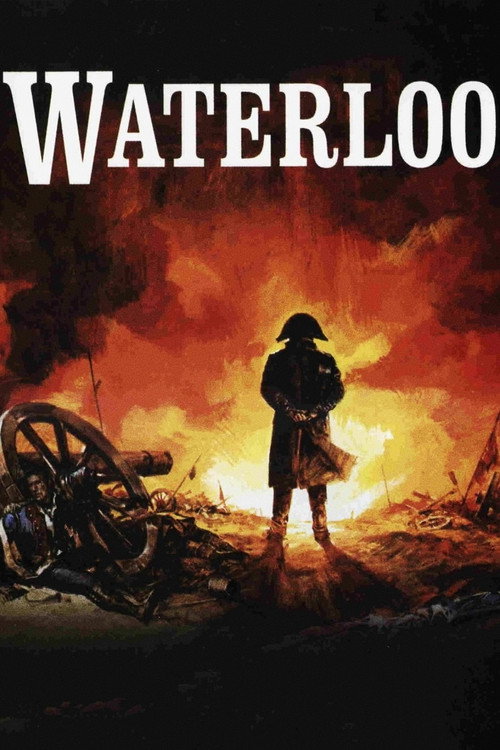
Waterloo1970
Both films use Napoleon as their emotional center, but Waterloo shows what Désiree could only feel—what ambition actually costs, and why the women had to let go.
Rod Steiger as Napoleon and Christopher Plummer as Wellington, clashing across an entire battle. It's the inverse of Désiree—not romance through history, but history (and the war itself) overwhelming everything personal. Brutal, tactical, and utterly grounded in mud and blood.
But At 122 minutes it's a war film first and character study second. The dialogue can feel expository and the emotional core is thinner than Désiree's.
More like this (8)
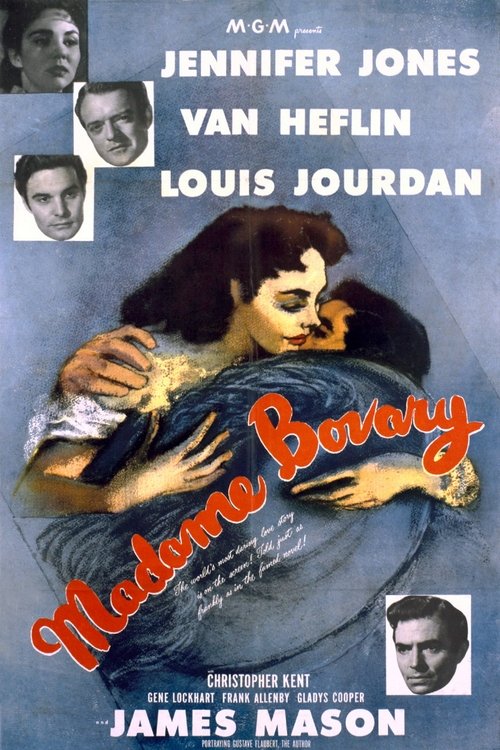
Madame Bovary1949
Jennifer Jones in a tragedy about yearning and the gap between fantasy and reality. Like Désiree, it's about a woman whose romantic imagination doesn't survive contact with the world, told with genuine melancholy.
But It's darker than you might expect from a period romance, and the heroine's choices become increasingly painful to watch.
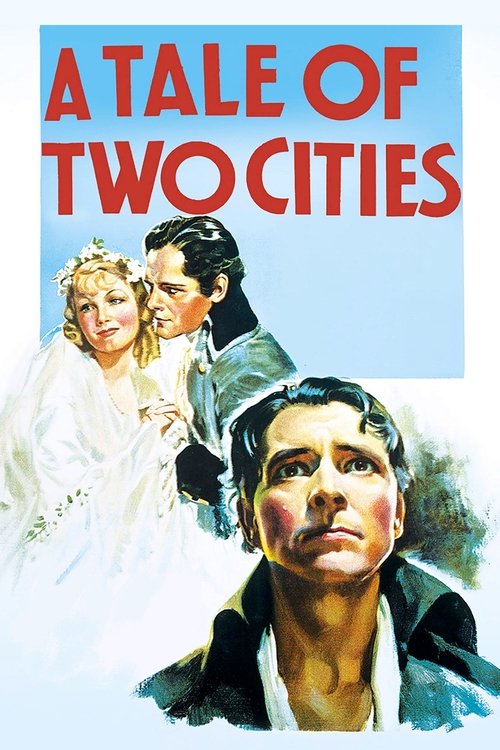
A Tale of Two Cities1935
Ronald Colman and Edna Best during the French Revolution. It has the same historical backdrop and the same tension between personal devotion and political upheaval that drives Désiree.
But The Revolution itself is the real protagonist, and the romance can feel secondary. Some find the melodrama heavy-handed.
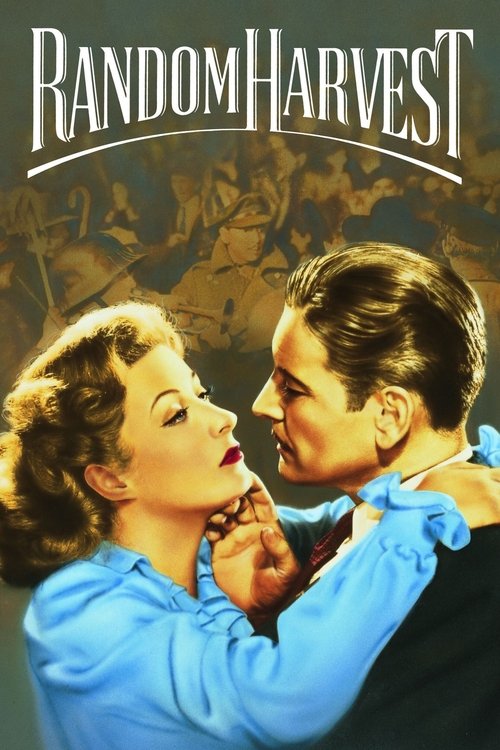
Random Harvest1942
Ronald Colman again, in a sweeping amnesia-driven romance that unfolds across years and continents. It has Désiree's structure of love disrupted by circumstance and fate, with genuine emotional stakes.
But The premise stretches credibility and the second half relies on contrivance. It asks you to accept a lot on faith.
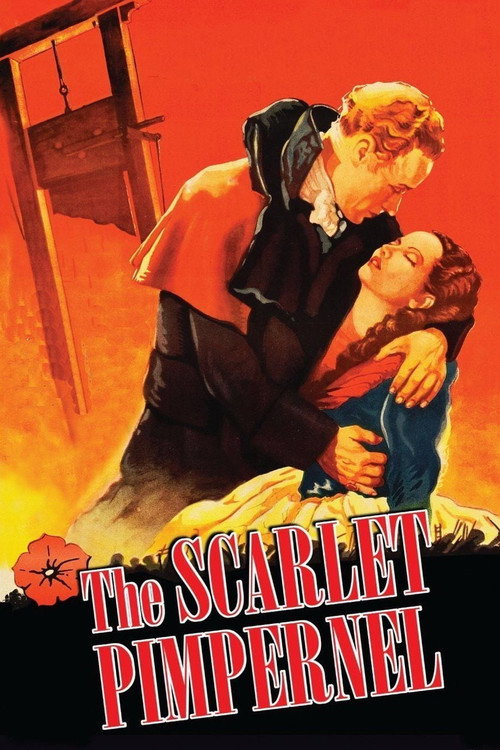
The Scarlet Pimpernel1934
Errol Flynn swashbuckling through the French Revolution with Merle Oberon (who also appears in Désiree). Adventure and romance intertwined during the same historical moment, with genuine wit and charm.
But The tone is lighter and campier than Désiree. If you want the tragedy, this leans toward fun instead.
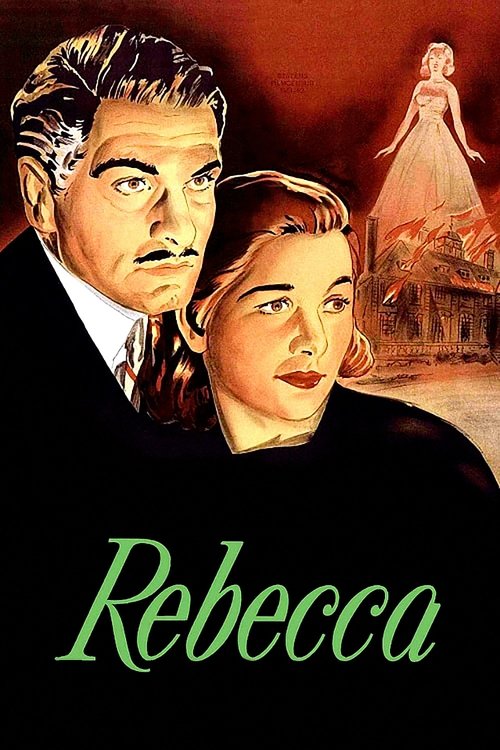
Rebecca1940
Hitchcock's masterpiece about a woman living in the shadow of a predecessor. Like Désiree, it's about being defined by someone else's myth and the psychology of comparison and displacement.
But It's a thriller, not a romance, and considerably darker. The atmosphere is Gothic dread rather than swept-away passion.
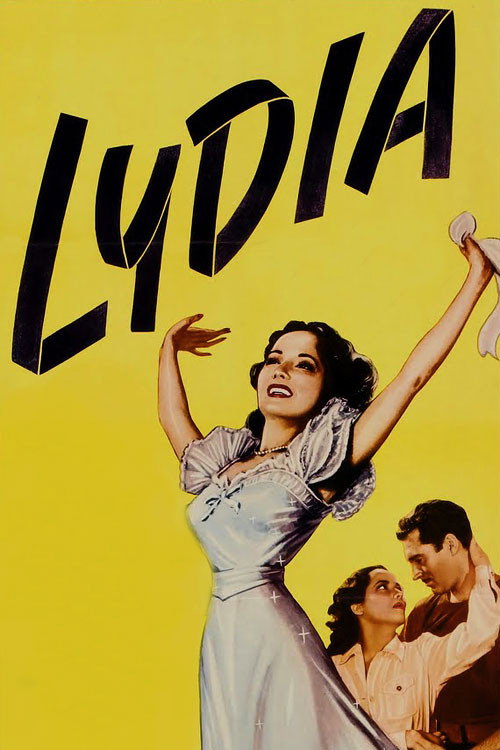
Lydia1941
Merle Oberon in a dreamy structure about a woman reflecting on the men she might have loved. It has Désiree's romantic melancholy and the same sense of roads not taken, told with genuine wistfulness.
But The episodic structure is unconventional and it moves slowly. Some find the reflective pace boring rather than contemplative.
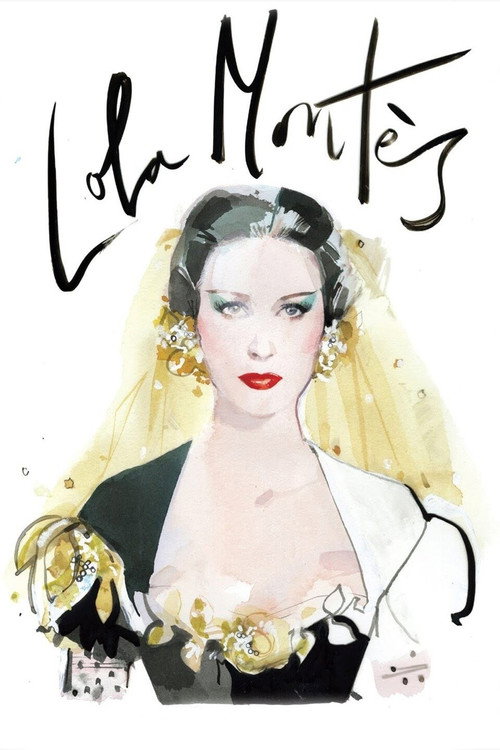
Lola Montès1955
Both films understand that a woman's story during this era is inseparable from the men around her—but Lola Montès finds liberation in its form by refusing to be linear about it, breaking the constraint Désiree accepts.
Max Ophüls' last film, a dazzling structural experiment about a courtesan's life told in fragments and circles. Like Désiree, it's about a woman defined by her loves and the men she enchanted, but told in a fractured, almost musical way that gets at emotional truth better than chronology ever could.
But It's visually maximalist and structurally demanding. The constant camera movement and nesting narratives can feel exhausting rather than entrancing.
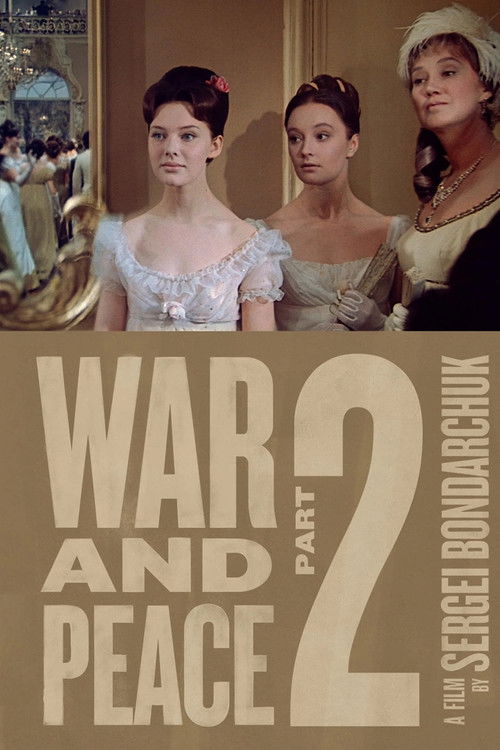
War and Peace, Part II: Natasha Rostova1966
Both films use Napoleon's era as backdrop for intimate human drama, but War and Peace situates that drama in a vast web of consequence and interconnection, showing how many lives are actually bent by the same historical moment Désiree watches from one angle.
Sergei Bondarchuk's Russian epic about the Napoleonic Wars told from the civilian side. Sweeping, intimate, and architecturally ambitious—it has the same romantic ache as Désiree but embedded in a much larger meditation on how history moves through ordinary lives.
But It's over seven hours. You're committing to a genuine epic. The pacing is deliberate and the Russian sensibility is very different from Hollywood romance.
People
Cast
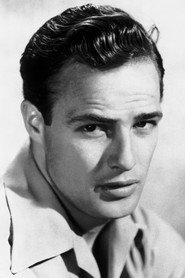 Marlon BrandoNapoleon Bonaparte
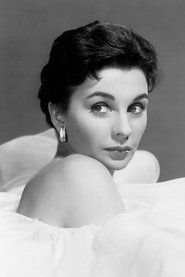 Jean SimmonsDesiree Clary
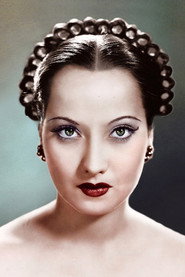 Merle OberonEmpress Josephine
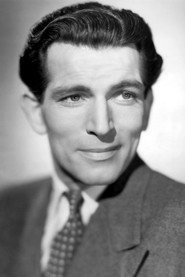 Michael RennieBernadotte
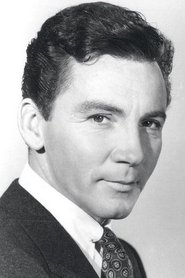 Cameron MitchellJoseph Bonaparte
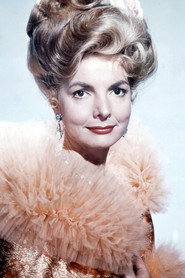 Elizabeth SellarsJulie
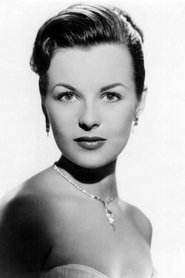 Charlotte AustinPaulette Bonaparte
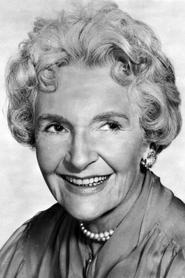 Cathleen NesbittMme. Bonaparte
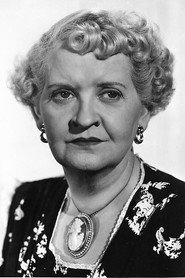 Evelyn VardenMarie
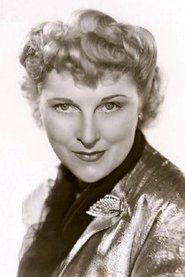 Isobel ElsomMme. Clary
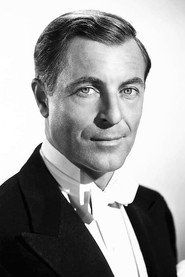 John HoytTalleyrand
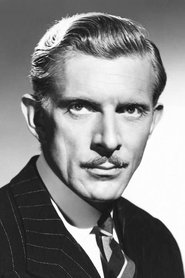 Alan NapierDespreaux
Directing
- Henry KosterDirector
Writing
- Annemarie SelinkoBook
- Daniel TaradashWriter
Production
- Julian BlausteinProducer