
Film
War and Peace, Part II: Natasha Rostova
Part two of Bondarchuk's vast 1966 adaptation of Tolstoy's epic, following Natasha through her first ball, a passionate engagement, and the fracturing of her heart. Sweeping, painterly, emotionally raw—a film that trusts you to feel rather than explain. For those who want literature made visible, not digestible.
Should you watch it?
Watch it if you want a slow, sumptuous period romance where the emotional swings of a young woman's heart matter as much as the battles around her.
Skip it if you need a self-contained story, since this is only the second chapter of a four-part adaptation and its pace is unhurried, with long stretches of drawing-room conversation.
What it asks of you: Expect slow, lingering scenes, a sprawling cast of characters to keep track of, and a running time that rewards settling in rather than skimming.
Not sure? Find tonight's pick in a minute.
If you liked this
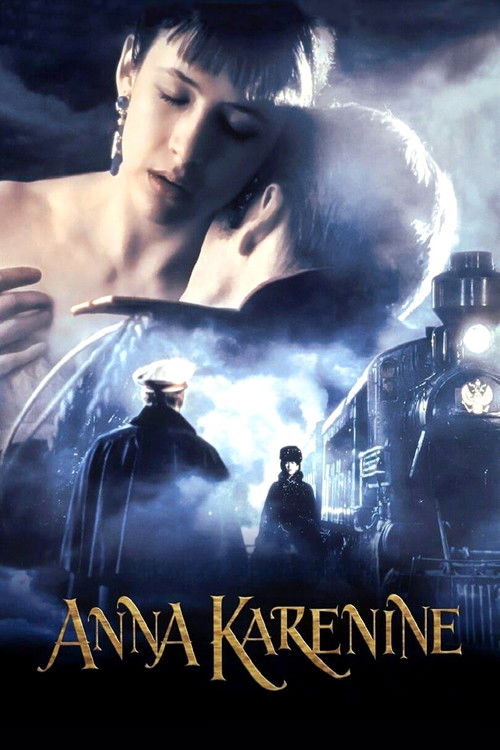
Anna Karenina1997
Joe Wright's vivid adaptation of another Tolstoy masterpiece about passion and social ruin, with similarly lush cinematography and a cast that makes you believe in their desperate loves and impossible choices.
But The pacing can feel glacial, and if you're not already invested in 19th-century Russian moral dilemmas, the emotional weight might feel more exhausting than moving.
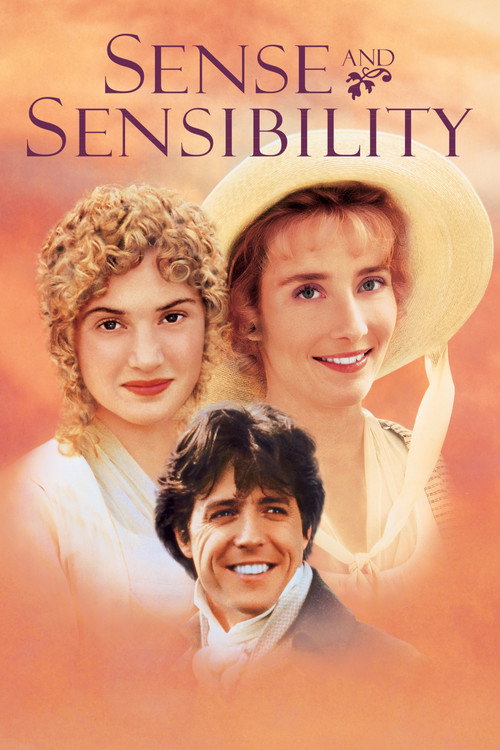
Sense and Sensibility1995
Like Natasha's journey, it's about young women navigating desire, social expectation, and heartbreak. Austen's wit softens the blow, but the emotional intelligence and period detail are equally precise.
But The tone is lighter and more comedic than Tolstoy, which might feel slight if you're craving the moral gravity you just experienced.
The Leopard1963
Visconti's sumptuous meditation on aristocratic life amid historical upheaval. Like Bondarchuk's approach, it privileges visual beauty and intimate human moments over action or plot momentum.
But At 205 minutes, it's a commitment. Some find its languid pace self-indulgent rather than meditative.

Not sure tonight? Get a pick in a minute, starting from War and Peace, Part II: Natasha Rostova
The wildcard
Something you would not have found on your own.
A Man Escaped1956
Both are about the interior life during moments of historical or personal constraint, and both trust the camera to convey psychological struggle without explaining it.
Robert Bresson's meditation on choice, will, and the possibility of freedom under constraint. Like Natasha, his protagonist is trapped by circumstance and must choose between acceptance and resistance. Bresson's austerity mirrors Tolstoy's moral seriousness.
But It's rigidly composed and deliberately slow, with minimal music and no sentimentality. If you expect cinema to move you through emotion, this will feel cold.
More like this (5)
Under the Skin2014
Like Bondarchuk's work, Jonathan Glazel creates something visually overwhelming that prioritizes mood and image over plot clarity. It's cinema as pure experience.
But It's oblique, unsettling, and offers no emotional catharsis—some find it punishing rather than rewarding.

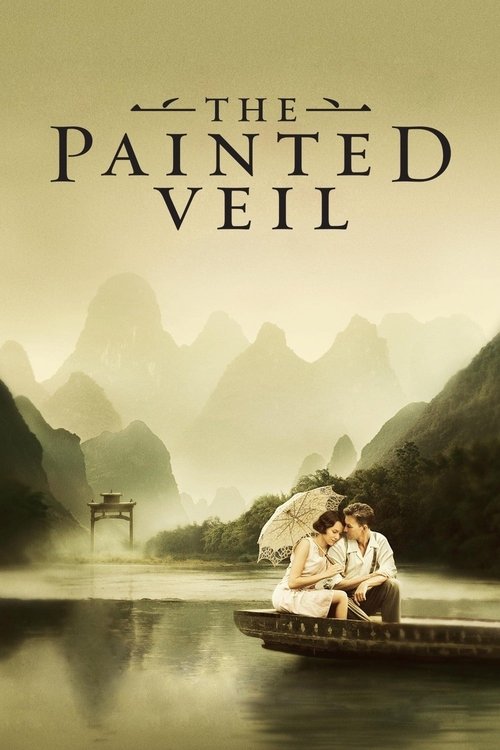
The Painted Veil2006
A woman caught between love and social duty in colonial China. Intimate and morally complex in the way Tolstoy is, with strong performances and genuine emotional stakes.
But The pacing is subdued and it lingers on quietness rather than resolving tensions with clarity.
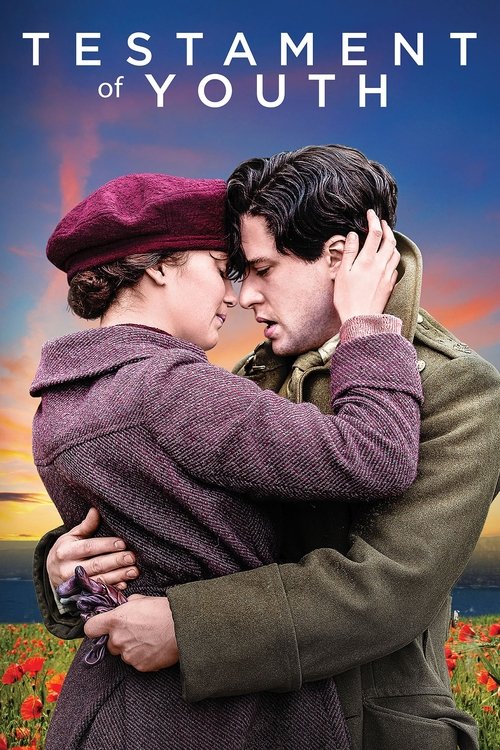
Testament of Youth2015
Another coming-of-age story amid historical upheaval, following a young woman's education through heartbreak and loss. It captures some of the same yearning as Natasha's arc.
But It's more straightforward and conventional than Bondarchuk's approach, and the emotional beats are more easily anticipated.
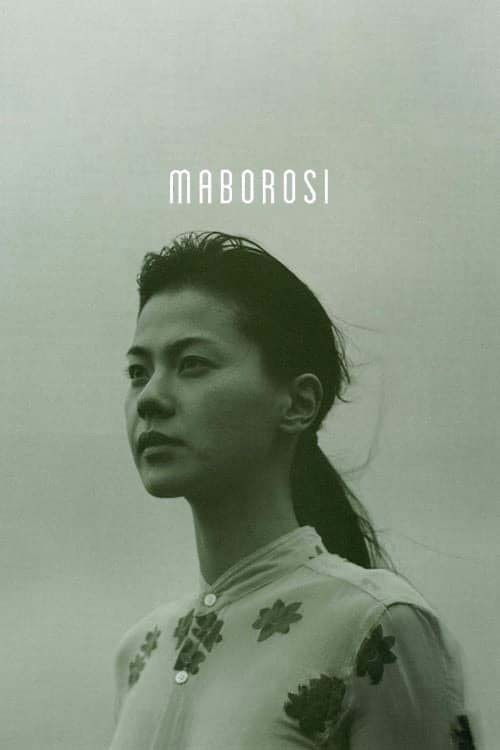
Maborosi1995
Both refuse to sentimentalize emotional suffering. Both insist that heartbreak and confusion are not problems to be solved but realities to be inhabited.
Hirokazu Kore-eda's devastatingly quiet film about a widow trying to understand the incomprehensibility of loss. It has none of War and Peace's scale, but the same commitment to how grief and love coexist without resolving each other.
But It's 110 minutes of long takes and minimal dialogue. If you need narrative propulsion or emotional clarity, this will feel opaque and frustrating.
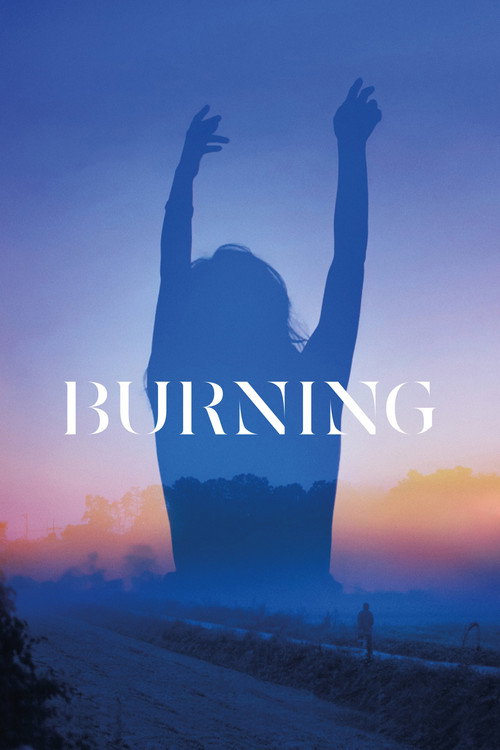
Burning2018
Both films embed intimate human drama—jealousy, attraction, misunderstanding—within larger questions about power and social structure that give the personal story its tragic weight.
Lee Chang-dong's three-hour mystery about class, desire, and the violence hidden in beautiful surfaces. It has Tolstoy's epic ambition compressed into a small story, and Natasha's experience of betrayal reflected through a contemporary lens.
But It's deliberately ambiguous and ends with no resolution. Some find this intellectually sophisticated; others find it manipulative and withholding.
People
Cast
 Ludmila SavelyevaNatasha Rostova
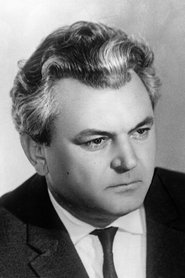 Sergei BondarchukPierre Bezukhov
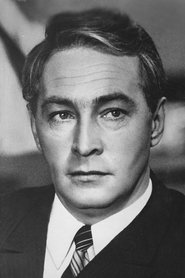 Vyacheslav TikhonovAndrei Bolkonsky
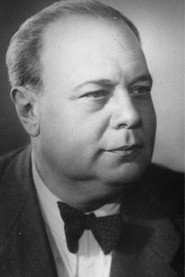 Viktor StanitsynIlya Andreyevich Rostov
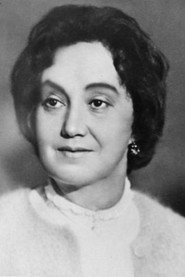 Kira GolovkoCountess Rostova
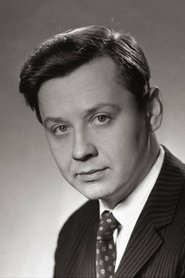 Oleg TabakovNikolai Rostov
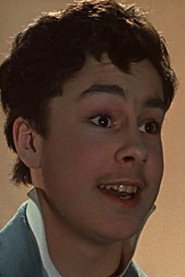 Sergei YermilovPetya Rostov
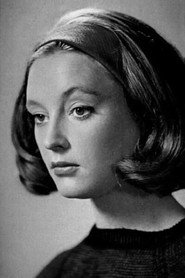 Irina GubanovaSonya
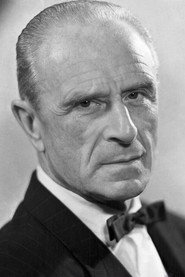 Anatoli KtorovNikolai Andreyevich Bolkonsky
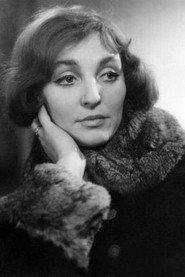 Antonina ShuranovaPrincess Maria
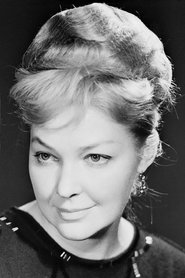 Irina SkobtsevaHélène
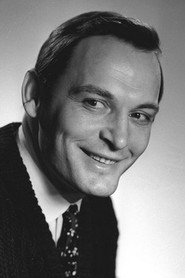 Vasili LanovoyAnatole Kuragin
Directing
- G. BabichevaAssistant Director
- Nikolai AparinAssistant Director
- V. NikolskayaAssistant Director
- Vasiliy BadayevAssistant Director
- Vladimir DostalAssistant Director
- Sergei BondarchukDirector
- A. AlyoshinFirst Assistant Director
- A. PetrovFirst Assistant Director
- Adiba Shir-AkhmedovaFirst Assistant Director
- Anatoli ChemodurovFirst Assistant Director
- Tatyana LikhachyovaFirst Assistant Director
Writing
- Leo TolstoyNovel
- Sergei BondarchukScreenplay
- Vasiliy SolovyovScreenplay
Production
- G. MeerovichExecutive Producer
- Nikolai IvanovExecutive Producer
- Viktor TsirgiladzeExecutive Producer