
Film
Maborosi
- Drama
- Very dark
- Slow-burning
Hirokazu Koreeda's debut is a study in grief and displacement. After sudden tragedy, a young woman remarries and moves to a remote coastal village, searching for answers that may not exist. Quiet, visually precise, deeply patient—it's a film about the weight of unanswerable loss and learning to live alongside it.
Should you watch it?
Watch it if you are drawn to quiet, precise films where grief and stillness are shown through small gestures, long pauses and images that linger after the credits roll.
Skip it if you need a story that moves briskly or resolves its questions, since this one is slow, sparse and offers little plot to hold onto.
What it asks of you: It runs about under two hours at a deliberate, meditative pace, and it asks you to sit with silence and watch closely rather than follow a busy chain of events.
Not sure? Find tonight's pick in a minute.
If you liked this
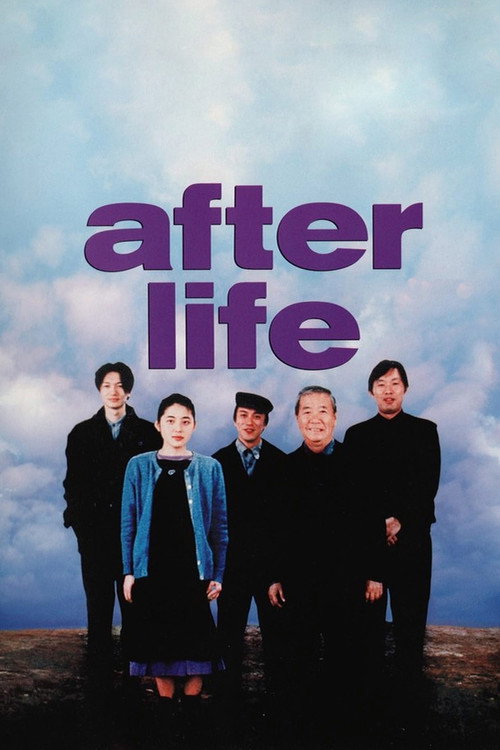
After Life1999
Also by Koreeda, this film about people processing their deaths is equally meditative on meaning, memory, and what we choose to carry forward. It's gentler than Maborosi but asks kindred questions.
But The pace is glacial and the tone is contemplative rather than dramatic. If you want narrative momentum or emotional catharsis, you'll leave unsatisfied.
Tokyo Story1953
Ozu's masterpiece shares Maborosi's philosophy: life continues quietly after disruption, and beauty lives in small domestic moments. Both films trust silence and stillness to convey everything.
But Nearly 70 years old and intentionally uneventful. Modern audiences often find it slow to the point of inertia, no matter how much critics insist it's profound.

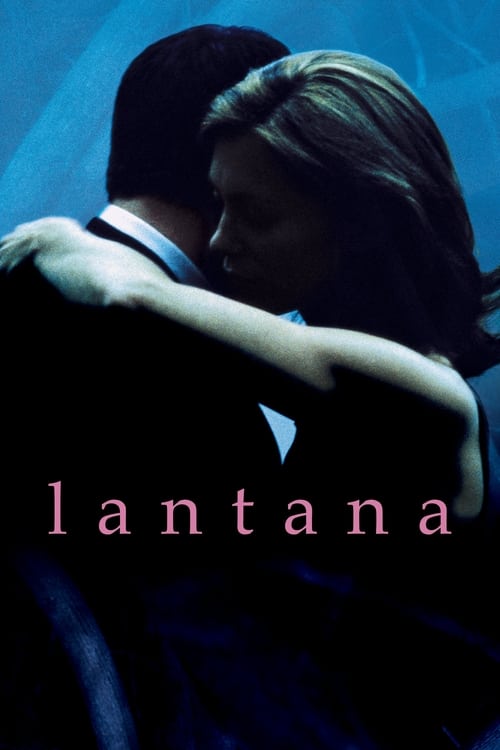
Lantana2001
An Australian drama where grief, marriage, and unexplained absence haunt ordinary lives. Like Maborosi, it finds meaning in fragments and recognizes that some questions have no answers.
But Ensemble cast and multiple storylines make it denser and less meditative. The structure is more conventional thriller-adjacent than Koreeda's approach.
Not sure tonight? Get a pick in a minute, starting from Maborosi
The wildcard
Something you would not have found on your own.
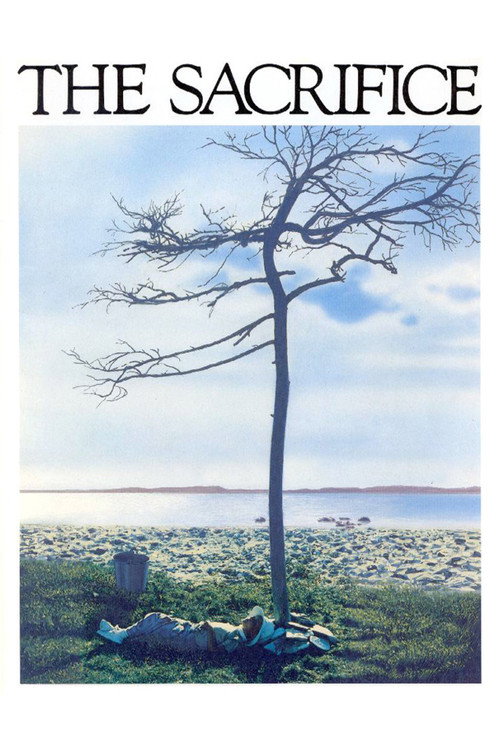
The Sacrifice1986
Both films believe meaning cannot be found, only lived with; both use geographical and emotional isolation to explore that truth.
Tarkovsky's final film about a man trying to prevent apocalypse through an impossible bargain. Like Maborosi, it's about searching for meaning when the world feels inexplicable and cruel. But where Maborosi is interior and coastal, this is metaphysical and desperate.
But Demands almost religious faith in abstraction and ambiguity. 149 minutes with no conventional payoff. Tarkovsky at his most unyielding.
More like this (7)
In the Mood for Love2000
Wong Kar-wai's film about longing and paralysis shares Maborosi's visual precision and its belief that unspeakable feeling matters more than plot. Both are about absence and yearning.
But The colour palette and stylization are so heightened they can feel mannered. Some find it beautiful; others find it precious.

Stalker1979
Tarkovsky's film about a journey toward answers parallels Maborosi's spiritual searching. Both move at their own rhythm and assume the viewer will sit with mystery rather than resolve.
But 163 minutes of philosophical wandering in a surreal landscape. If you need plot or conventional drama, this will feel like a punishment.

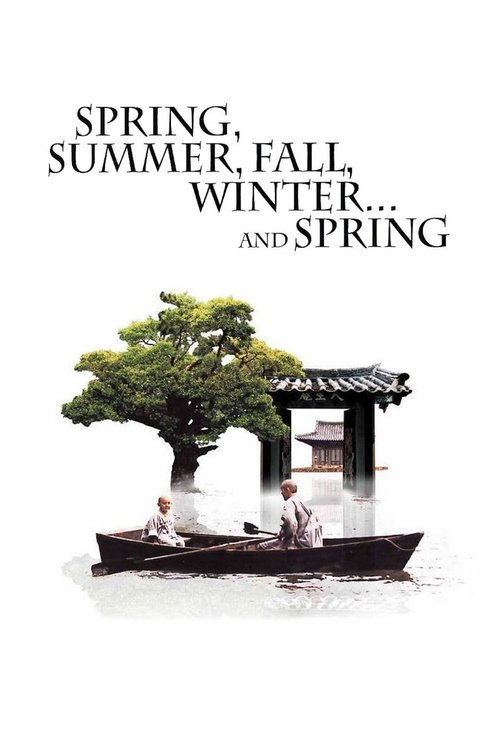
Spring, Summer, Fall, Winter... and Spring2003
A Korean film set on a floating temple where seasons and cycles echo Maborosi's themes of impermanence and acceptance. Visually stunning and equally quiet about its insights.
But Extremely slow and abstract. The narrative is cyclical rather than linear, which some find meditative and others find repetitive.
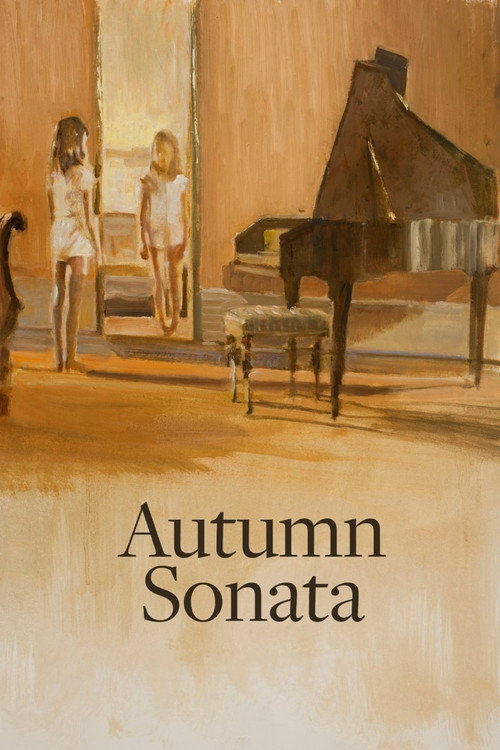
Autumn Sonata1978
Bergman's film about a mother and daughter reckoning with distance and unspoken pain has Maborosi's emotional precision without abstraction. Both understand how quietly people suffer.
But Intensely focused on two people in one room. If you want landscape and scope, this is claustrophobic. If you want release, Bergman doesn't offer it.
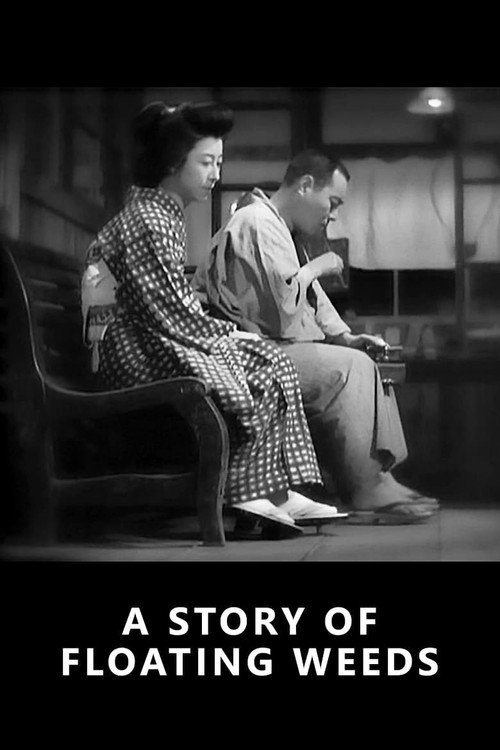
A Story of Floating Weeds1934
Ozu's earlier film shares the same sensibility: beauty in ordinary life, acceptance of what cannot be changed, and the way people endure. It's lighter in tone but equal in philosophy.
But 1934 film stock and theatrical acting styles feel very distant. The pacing is patient almost to invisibility for modern viewers.
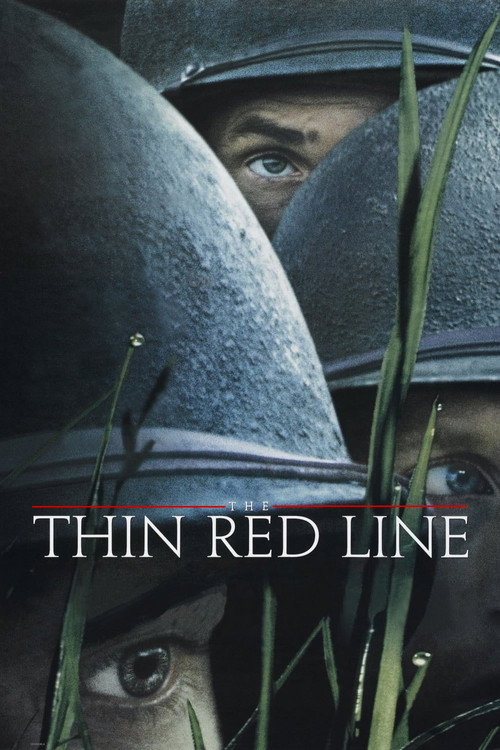
The Thin Red Line1998
Malick's war film philosophizes about meaning and loss amid beauty, asking why suffering happens. Like Maborosi, it holds contradiction: the world is gorgeous and terrible at once.
But Voiceover philosophy, fragmented narrative, and overwhelming length. Many find it pretentious or exhausting rather than meditative.
Afterimages2014
Both films centre on a protagonist unable to control or understand what has happened to them; both find art and observation as the only possible response.
A Polish film about an artist under Communist surveillance, processing loss and powerlessness. Where Maborosi is quiet acceptance, Afterimage is defiant creativity in the face of erasure. Same grief, opposite temperature—the same core question asked with rage instead of resignation.
But Black and white, formally austere, politically specific to mid-century Poland. Requires patience and willingness to sit with frustration rather than catharsis.

People
Cast
 Makiko EsumiYumiko
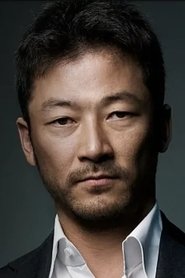 Tadanobu AsanoIkuo
 Takashi NaitoTamio
 Midori KiuchiMichiko
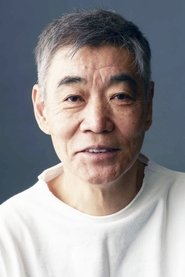 Akira EmotoYoshihiro
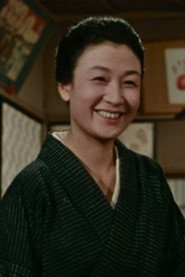 Mutsuko SakuraTomeno
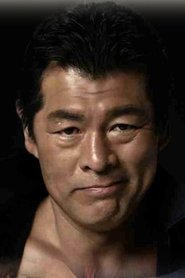 Hidekazu AkaiMaster
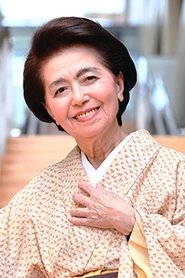 Hiromi IchidaHatsuko
 Minori TeradaDetective
 Ren OsugiHiroshi
- Kikuko HashimotoKiyo
 Sayaka YoshinoYoung Yumiko
Directing
- Akira MoriiAssistant Director
- Iwao TakahashiAssistant Director
- Hirokazu Kore-edaDirector
Writing
- Teru MiyamotoNovel
- Yoshihisa OgitaScreenplay
Production
- Yutaka ShigenobuExecutive Producer
- Hirokazu Kore-edaProducer
- Naoe GozuProducer
Recommended by
War and Peace, Part II: Natasha Rostova, Gas Food Lodging, Be with Me