
Film
Be with Me
A Singaporean film weaving together three love stories anchored by the real-life presence of Theresa Chan, a blind and deaf woman navigating intimacy and connection. Tender, unglamorous, and deeply humanistic, it finds profound dignity in ordinary devotion. For anyone who believes the most important moments in cinema are the quiet ones.
Should you watch it?
Watch it if you love quiet, unhurried films that find tenderness in ordinary lives and let small gestures carry the emotional weight without needing a plot to push them along.
Skip it if you need brisk plotting or a single through-line, since this is three loosely linked vignettes that move at a deliberately measured pace and may feel slight.
What it asks of you: Roughly ninety-three minutes spent in three slow, quiet chapters, with long stillness and room to sit with each small moment, so patience matters more than plot.
Not sure? Find tonight's pick in a minute.
If you liked this
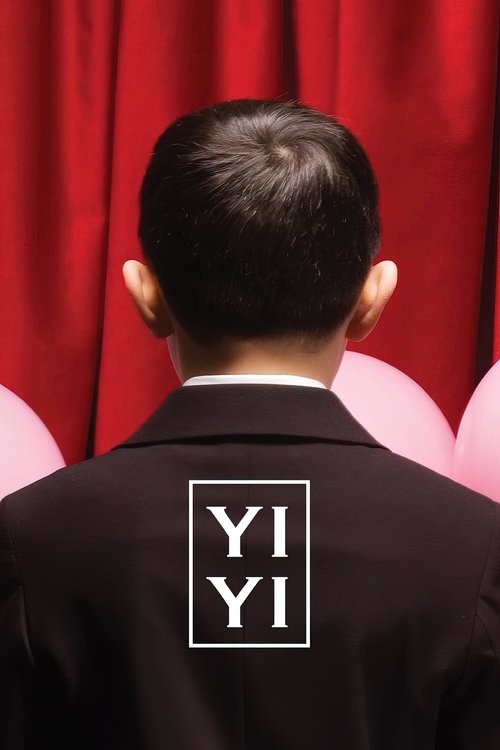
Yi Yi2000
Edward Yang's three-hour Taiwanese family epic moves through decades with patient wisdom, finding grace in small gestures and daily routines. Like Be with Me, it trusts that lives lived fully are enough.
But It unfolds slowly and deliberately, with a willingness to sit with uncomfortable silences that can feel glacial if you're not in the mood.
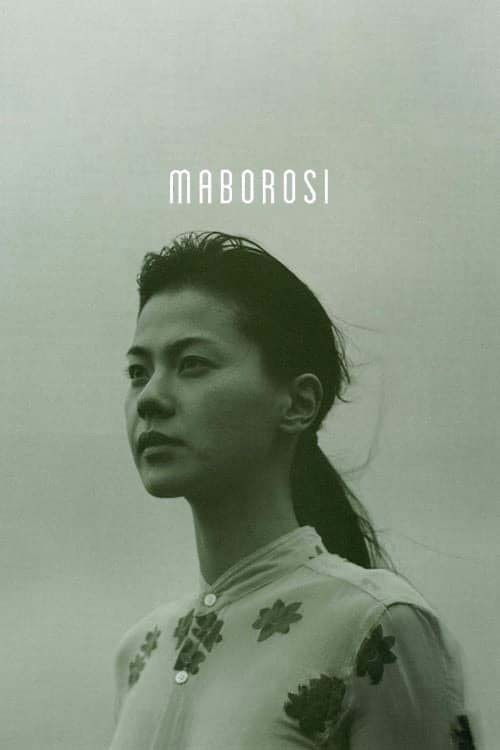
Maborosi1995
Hirokazu Koreeda's debut is a quiet study of marriage and grief after sudden loss. It has the same restraint and emotional precision as Be with Me, allowing viewers to find their own depth.
But Nothing much happens visibly. The story is internal, and it demands you meet it halfway rather than delivering revelation.
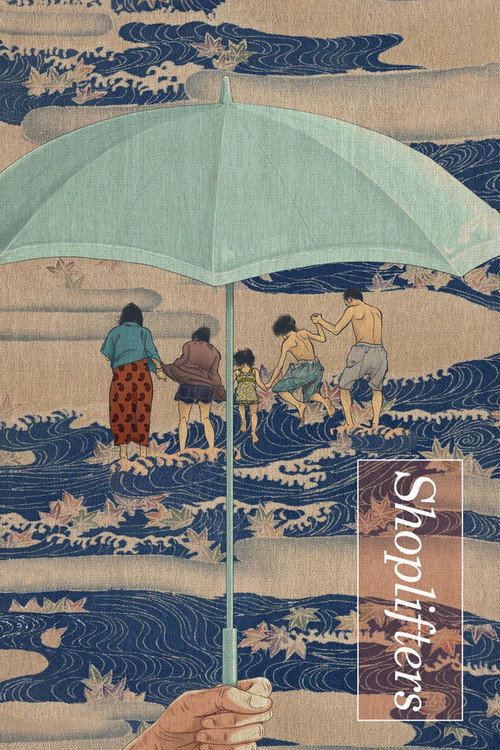
Shoplifters2018
Koreeda again—this time examining a family held together by love and circumstance rather than blood. Warm, funny, and devastatingly human, it has the same faith in ordinary people that Be with Me possesses.
But It builds toward a reveal that, while earned, asks you to reconsider everything you've felt; some find this manipulative rather than moving.
Not sure tonight? Get a pick in a minute, starting from Be with Me
The wildcard
Something you would not have found on your own.
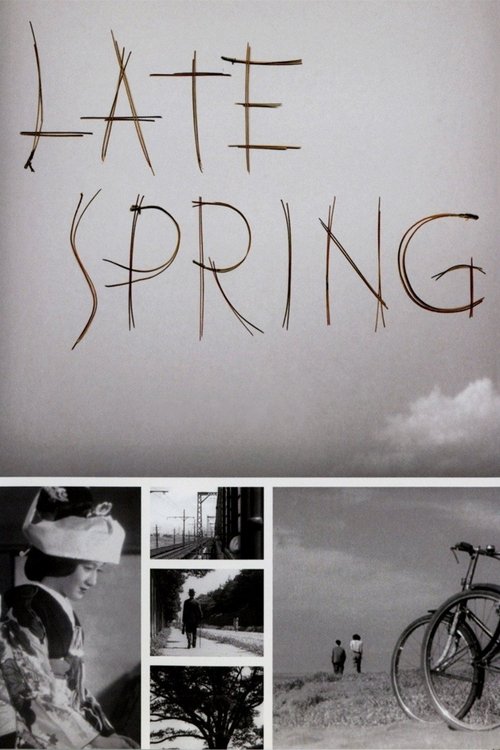
Late Spring1949
Both films find their entire emotional depth in the textures of domestic routines and unspoken bonds. Neither needs plot; both need time and trust from the viewer.
Ozu's masterpiece about a father and daughter in the years before her arranged marriage is cinema as lived experience rather than drama. Every scene breathes with accumulated tenderness and the quiet terror of inevitable change. It may be the closest thing to what Be with Me attempts.
But Shot in static frames with minimal camera movement and dialogue that circles rather than progresses, it can feel like nothing is happening—until you realize everything has.
More like this (8)
In the Mood for Love2000
Wong Kar-wai's Hong Kong masterpiece distills longing into visual poetry. Like Be with Me, it understands that romance is often about proximity, constraint, and what goes unsaid.
But Stylistically ravishing but glacially paced, and the plot (two neighbours discover their spouses are having an affair) moves at the speed of a sigh.

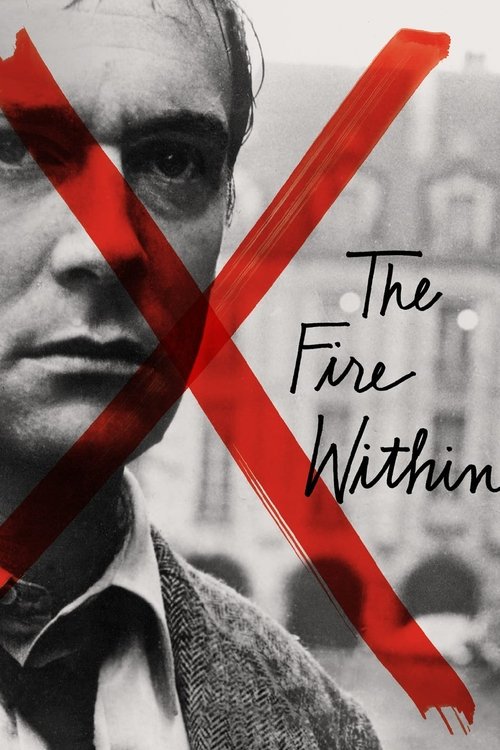
The Fire Within1963
Louis Malle's portrait of depression and disconnection finds intimacy in moments of failed connection. It shares Be with Me's refusal to sentimentalize suffering or relationships that cannot save us.
But It ends in suicide, and the entire film is suffused with a hopelessness that some will find punishing rather than cathartic.
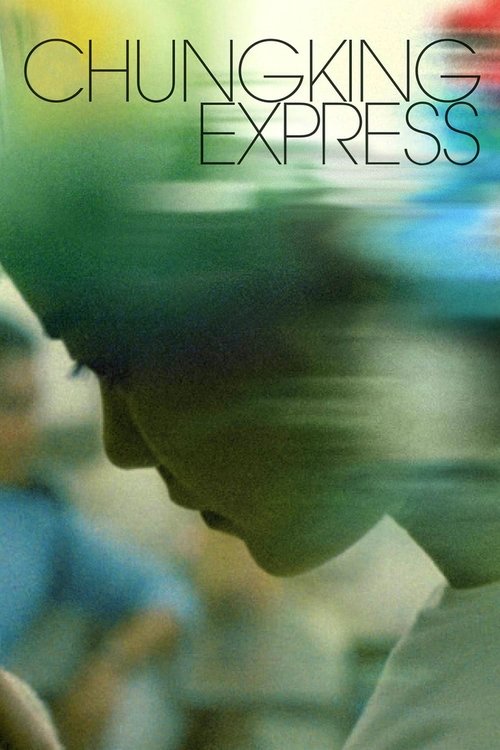
Chungking Express1994
Wong Kar-wai's earlier gem splits into two interlocking love stories, both about people reaching across distance and circumstance. It's playful where Be with Me is solemn, but both trust emotion over plot.
But The second half feels fragmentary and impressionistic, which some experience as poetic and others as unfinished.
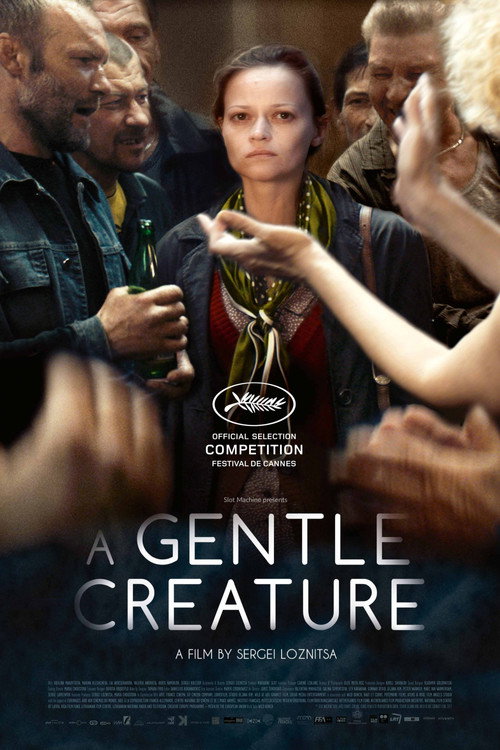
A Gentle Creature2017
Sergei Loznitsa's Ukrainian film about a woman trying to save her husband from prison is structured around small, crushing moments of bureaucratic indifference. It has Be with Me's faith that everyday acts contain everything.
But It's deliberately monotonous in tone and setting, and offers no catharsis or uplift—just the reality of what she endures.
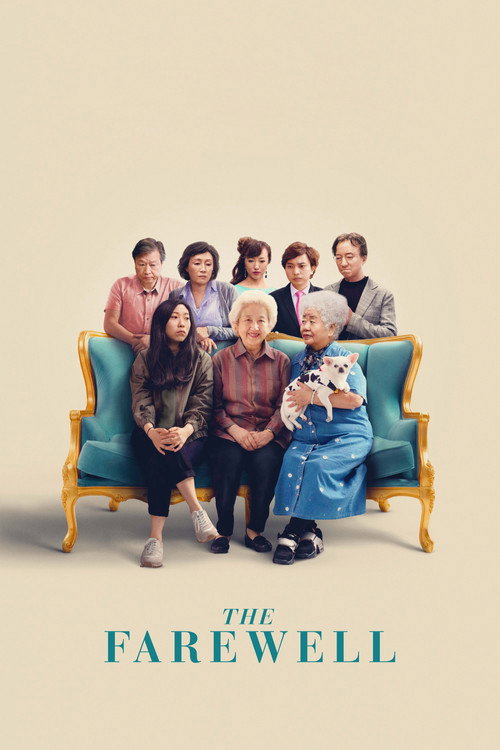
The Farewell2019
Lulu Wang's film about a Chinese-American family keeping a terminal diagnosis secret balances humour with deep feeling. It understands how love and obligation tangle, and how different cultures express devotion.
But The emotional payoff is quiet and somewhat ambiguous, which can feel slight if you want your cinema to land harder.
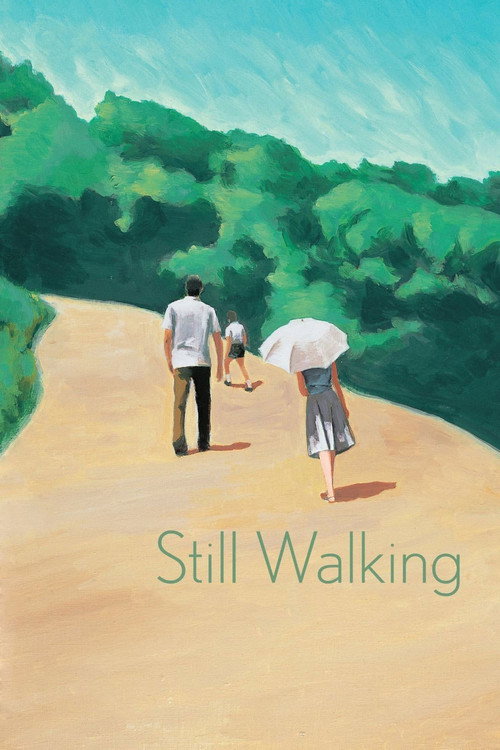
Still Walking2008
Hirokazu Koreeda's portrait of a family gathering over a single day finds profound meaning in cooking, arguing, and sitting together. It's about how we show love through presence.
But It's essentially a chamber piece with limited external conflict; the drama is all internal, which demands patience and goodwill.
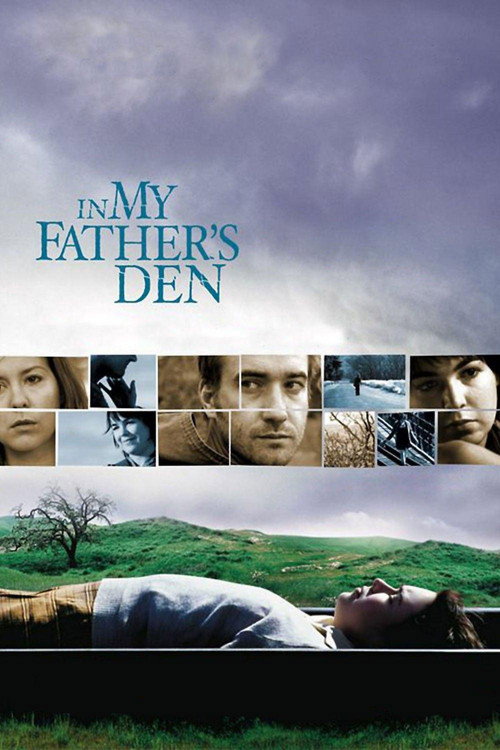
In My Father's Den2004
Both are grounded in specific places (Singapore and rural New Zealand) and understand those places as moral landscapes where connection is both the only thing that matters and the hardest thing to sustain.
Brad McGlynn's New Zealand film about a foreign correspondent returning home after his niece's disappearance is a noir thriller—but one that's genuinely interested in small-town relationships and what drives people toward or away from love. It shares Be with Me's belief that provincial life contains everything.
But It's a murder mystery with real darkness at its core; the tone is austere and the resolution offers no comfort, only understanding.
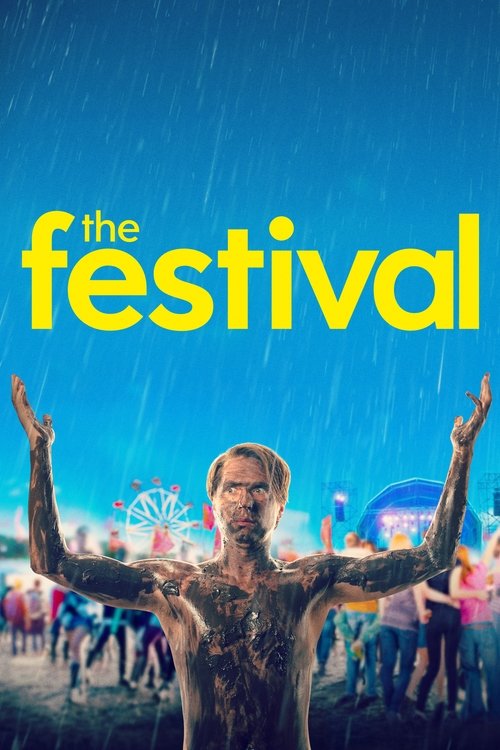
The Festival2018
Like Be with Me, it refuses to rank kinds of love as more or less important, and it trusts that a film or series about people being alive in a place is enough. Both have the unhurried patience of someone truly seeing another person.
This Thai miniseries adapts Apichatpong Weerasethakul's filmmaking sensibility—long takes, drift, the texture of memory—into TV form. It's experimental but accessible, and finds beauty in transition and looking back. Few works capture how love and time actually feel.
But It's slow, sometimes obtuse, and the narrative barely exists. If you need plot momentum or character explanation, you will be frustrated.
People
Cast
- Theresa Poh Lin ChanHerself (segment "Meant to Be")
- Chiew Sung ChingFather (segment "Meant to Be")
- Leong Kooi EngMother
- Elizabeth ChoyHerself
- Seet Keng YewSecurity Guard
 Lynn PohAnn
- Ng Sway AhFather (segment "Finding Love")
- Lim Poh HuatBrother (segment "Finding Love")
- Sanwan Bin RaisSecurity Supervisor (segment "Finding Love")
- Toh Cheng OnnNeighbor (segment "Finding Love")
- Maximilian WongNeighbor's Son (segment "Finding Love")
Directing
- Eric KhooDirector
Writing
- Eric KhooScreenplay
- Wong Kim HohScreenplay
- Theresa Poh Lin ChanWriter
Production
- Adrian TanAssociate Producer
- Freddie YeoExecutive Producer
- Jacqueline KhooExecutive Producer
- James TohExecutive Producer
- Brian HongProducer