
Film
Late Spring
Late Spring is Yasujiro Ozu's tender, unhurried portrait of a widowed father and the grown daughter he loves too much to let stay. Told through low camera angles, tatami-mat interiors and small domestic rituals, it finds enormous feeling in restraint -- a train journey, a vase, a held silence. Ideal for anyone drawn to quiet, patient films where the emotional stakes are entirely ordinary and entirely enormous.
If you liked this
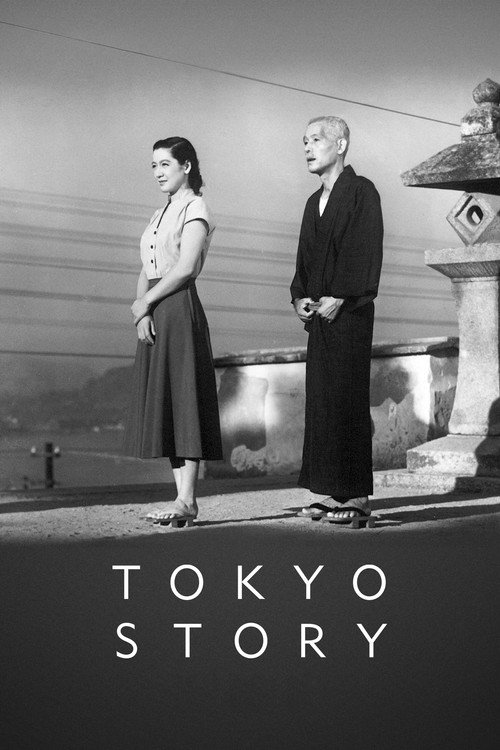
Tokyo Story1953
Ozu's masterwork on family, distance, and time passing, starring the same beloved father-daughter pairing (Chishū Ryū and Setsuko Hara) in different roles. Even quieter, even sadder, and somehow warmer for it.
But Little happens on the surface, and its stillness demands patience some viewers find too slow.
An Autumn Afternoon1962
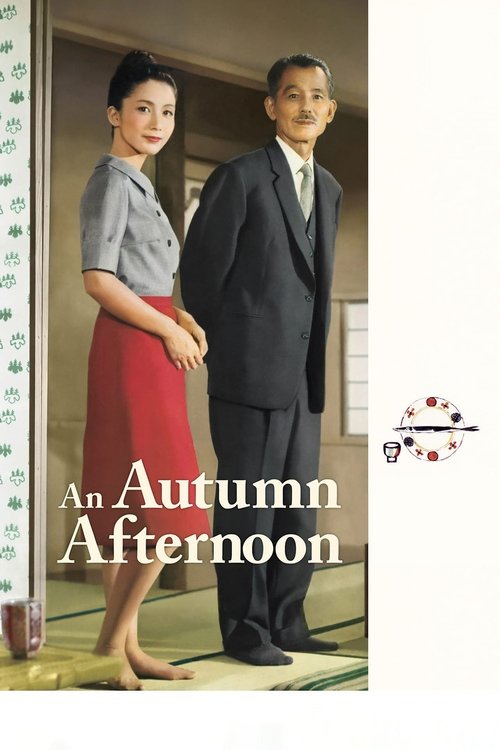
Ozu's final film, a gentler colour companion piece revisiting the same marry-off-my-daughter plot, now with wry humour, gentle drinking scenes, and hard-won acceptance instead of grief.
But If you've just watched Late Spring, the déjà vu of the setup may feel repetitive rather than illuminating.
Equinox Flower1958no page yet
Ozu's first colour film is sharper and funnier, about a father who preaches modern freedom for daughters in theory but bristles the moment his own exercises it.
But Less melancholy than Late Spring; its comic irony trades some emotional gut-punch for satire.
The wildcard
Something you would not have found on your own.
Fiddler on the Roof1971
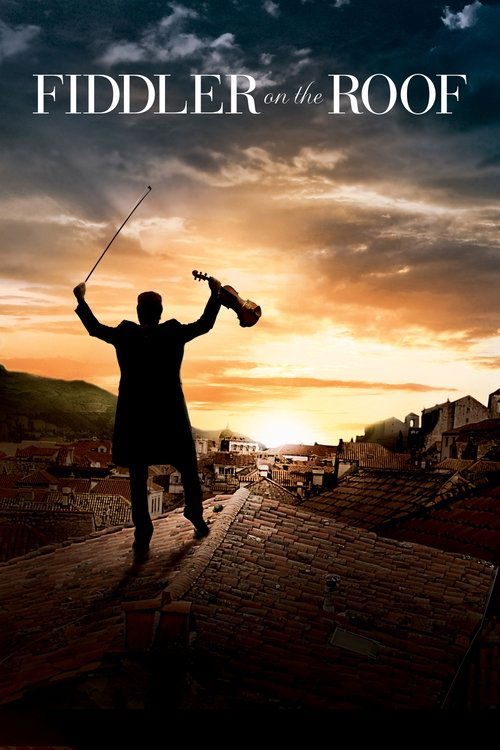
Both are studies of a father wrestling with marrying off a daughter against his own instincts about tradition and happiness -- Ozu's hushed realism transposed into song, colour, and open weeping.
A father caught between love for his daughters and a world crumbling around him, played out through soaring songs and heartbreak that earns every tear it asks for.
But It's a three-hour musical with a completely different scale of emotion -- broad, loud, and unabashedly sentimental where Ozu whispers.
More like this (8)
Late Autumn1960no page yet
Ozu essentially retells his own story from the mother's side, with a trio of matchmaking meddlers scheming around a widow and her daughter. Warm, funny, and quietly wise.
But Structurally very close to Late Spring, so it can feel like a variation rather than something genuinely new.
The Remains of the Day1993
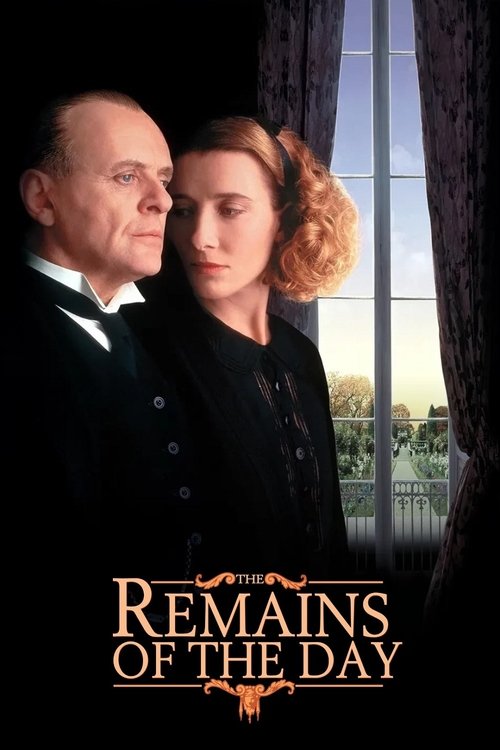
A British butler sacrifices personal happiness for duty and propriety, in a film built on the same devastating gap between what's felt and what's actually said aloud.
But More overtly romantic tragedy than Ozu's domestic quiet, and its stiff-upper-lip Englishness plays very differently.
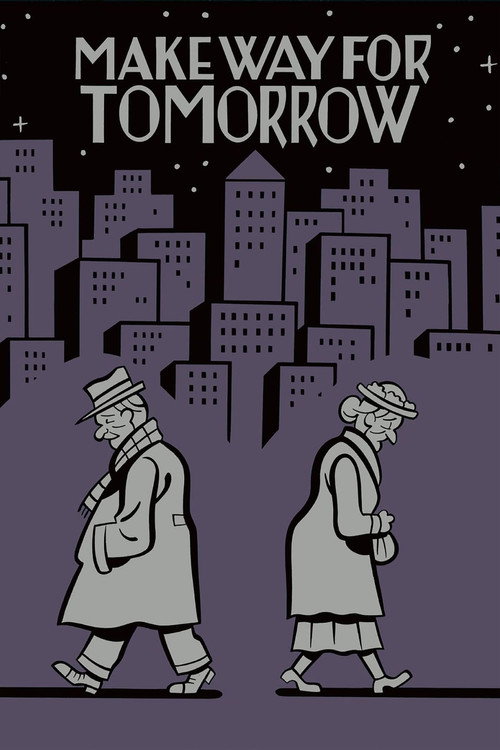
Make Way for Tomorrow1937
The American film that reportedly reduced Ozu to tears and shaped his family dramas -- elderly parents quietly, unbearably squeezed out by their grown children's busy lives.
But Pre-war Hollywood pacing and melodrama sit rougher than Ozu's polish; it's blunter and less restrained about its heartbreak.
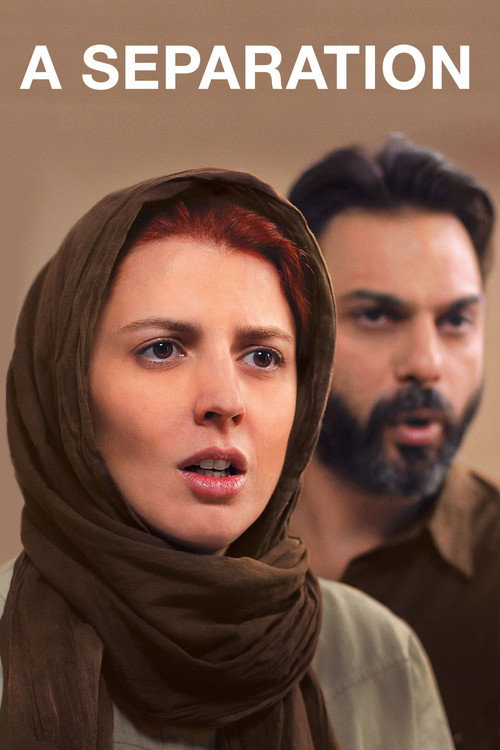
A Separation2011
An Iranian drama about duty, family obligation, and generational rifts, where every character believes they're doing right and the damage happens anyway, quietly and irreversibly.
But Far more plot-driven and legally tangled than Ozu's stillness; it's a thriller of ethics, not atmosphere.
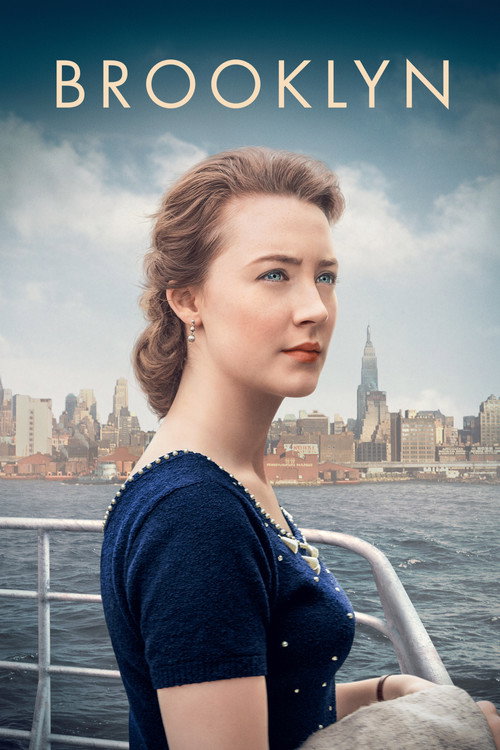
Brooklyn2015
A young woman torn between the pull of home and the promise of a life entirely her own, told with the same tender attentiveness to small domestic gestures.
But Its romanticism and warmth are more conventionally moving, without Ozu's deep ambivalence about whether leaving is even right.
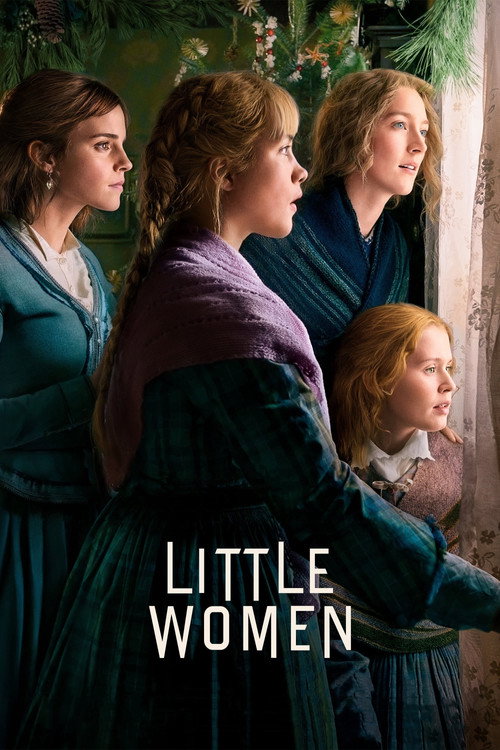
Little Women2019
Greta Gerwig's telling turns marriage, ambition, and a daughter's duty to family into the whole emotional architecture, echoing Noriko's dilemma from an entirely different angle.
But Busier and more incident-packed than Ozu ever allows himself; the tone is exuberant where Late Spring stays hushed.
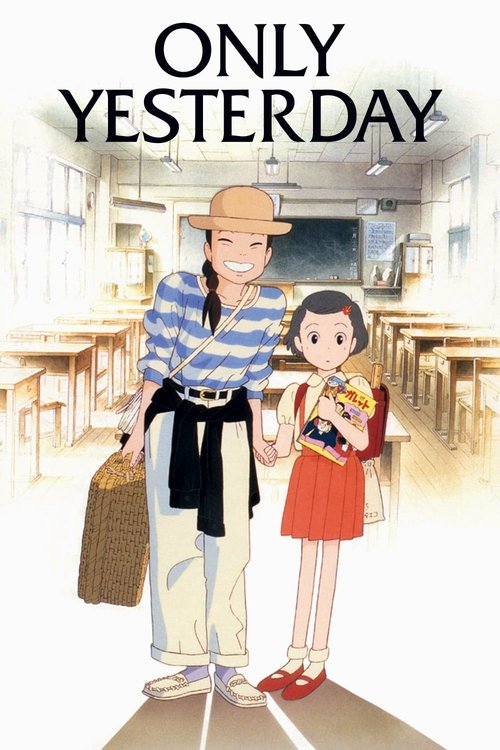
Only Yesterday1991
A quietly devastating Japanese animated film about a woman near marrying age looking back at the choices and small domestic rituals that shaped who she's expected to become -- Ozu's tatami-level realism rendered in hand-drawn frames.
Studio Ghibli's most grown-up film, about memory, work, and the gentle tyranny of family expectation, told with the same patient attention to ordinary rooms and unremarkable days.
But It's animated and deliberately plotless, which throws viewers who arrive expecting Ghibli's usual magic or adventure.
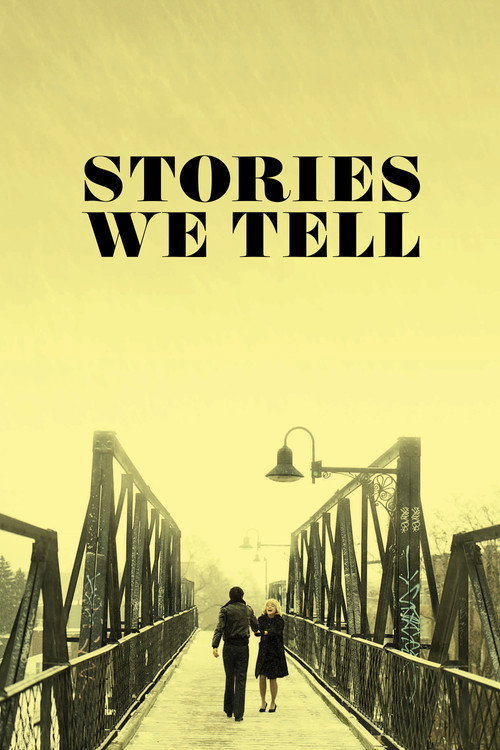
Stories We Tell2012
Sarah Polley's documentary about her own family's secret and the loving lie at its centre asks the same question Late Spring buries in fiction: what do we owe each other in truth, and when is deception an act of care?
A real family excavates a hidden truth on camera, and the film becomes a meditation on how much of what we're told by people who love us is shaped for our own good.
But Its shifting, playful approach to documentary form is a puzzle in itself, and some find the cleverness distancing rather than moving.
People
Cast
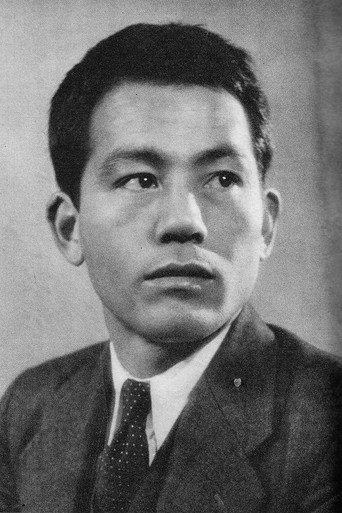 Chishū RyūShukichi Somiya
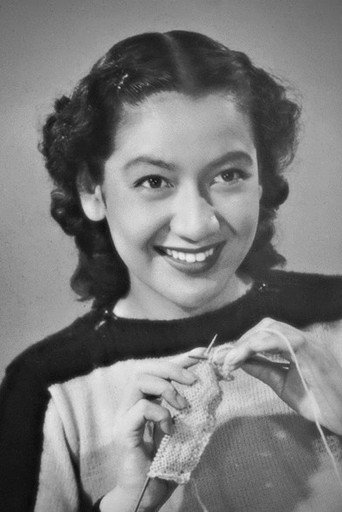 Setsuko HaraNoriko Somiya
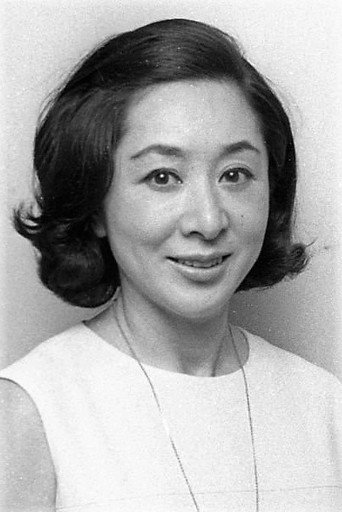 Yumeji TsukiokaAya Kitagawa
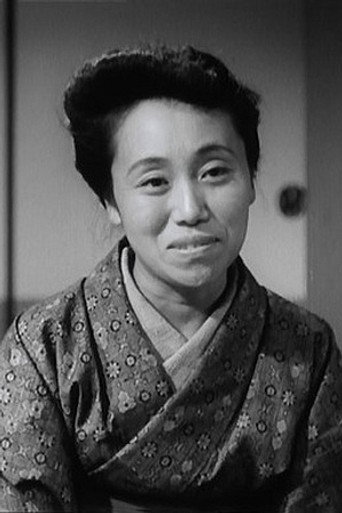 Haruko SugimuraMasa Taguchi
- Hōhi AokiKatsuyoshi
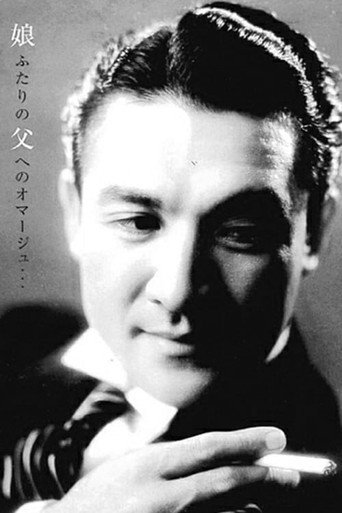 Jun UsamiShuichi Hattori
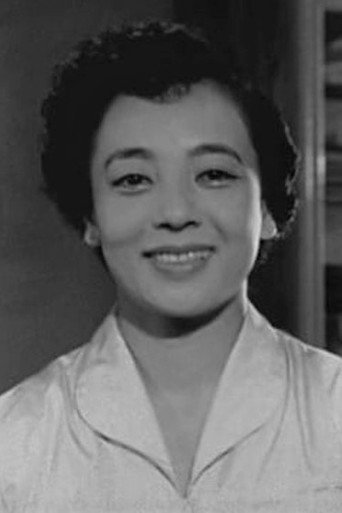 Kuniko MiyakeAkiko Miwa
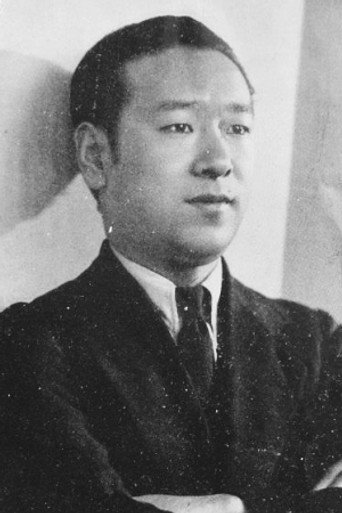 Masao MishimaJo Onodera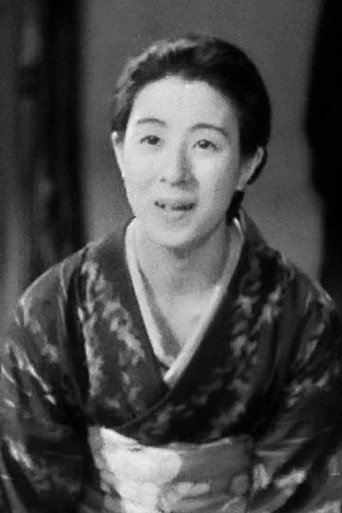
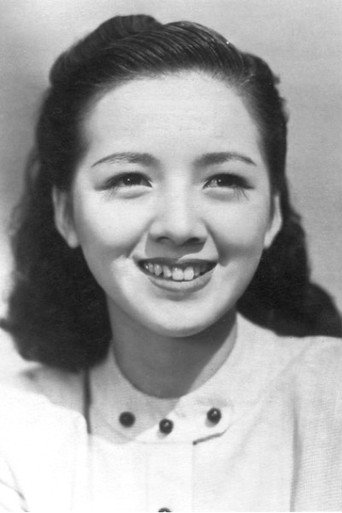 Yōko KatsuragiMisako
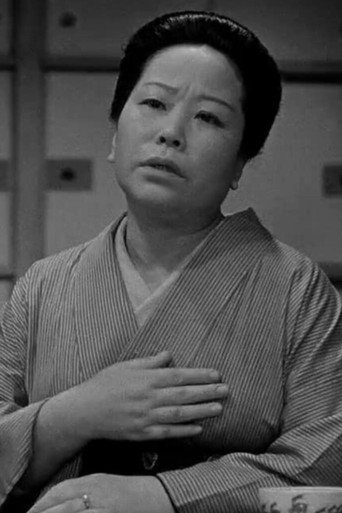 Toyo TakahashiShige
- Jun TanizakiSeizo Hayashi
Directing
- Yasujirō OzuDirector
- Buichi SaitōFirst Assistant Director
- Kôzô TashiroSecond Assistant Director
- Kôzô YamamotoSecond Unit First Assistant Director
- Shôkichi TsukamotoThird Assistant Director
Writing
- Kazuo HirotsuNovel
- Kōgo NodaScreenplay
- Yasujirō OzuScreenplay
Production
- Takeshi YamamotoProducer
Recommended by
Roman Holiday, Wives and Daughters, Brief Encounter, Only Yesterday, Tokyo Story, An Autumn Afternoon