
Film
My Blueberry Nights
Wong Kar-wai's only English-language film: a dreamy, neon-soaked road movie about a heartbroken woman drifting through America, waiting tables and collecting other people's sorrows. It's gorgeous to watch—all cigarette smoke and sodium lights—but moves at the pace of someone sleepwalking through their own life. For anyone who loved the mood of Wong's Hong Kong films and wants to see him paint the American South like a fever dream.
If you liked this
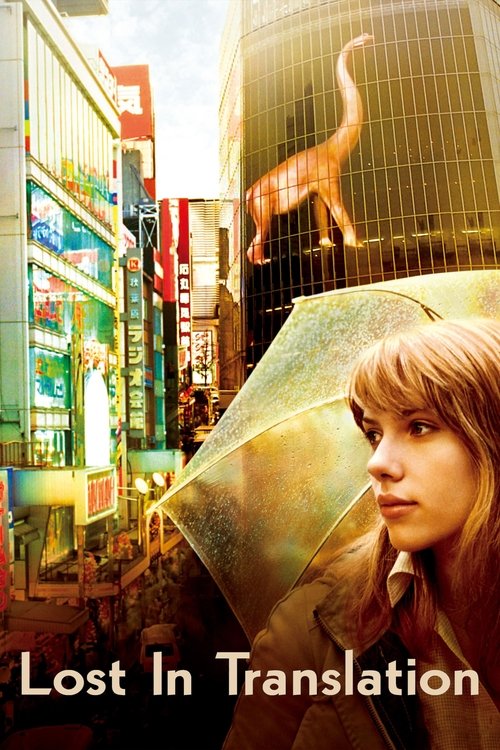
Lost in Translation2003
Sofia Coppola's meditation on loneliness and disconnection in Tokyo. Like Blueberry Nights, it finds poetry in quiet moments and the melancholy of being adrift in a place that isn't home.
But Deliberately paced to the point of stillness; if you need plot momentum, this will feel like watching paint dry.
In the Mood for Love2000
Wong Kar-wai's masterpiece, the film that defined his visual language. Colours so saturated they seem unreal, romance so restrained it breaks your heart. Essential viewing before Blueberry Nights.
But Nearly plotless and almost entirely visual—substance is conveyed through cinematography and production design, not dialogue or action.

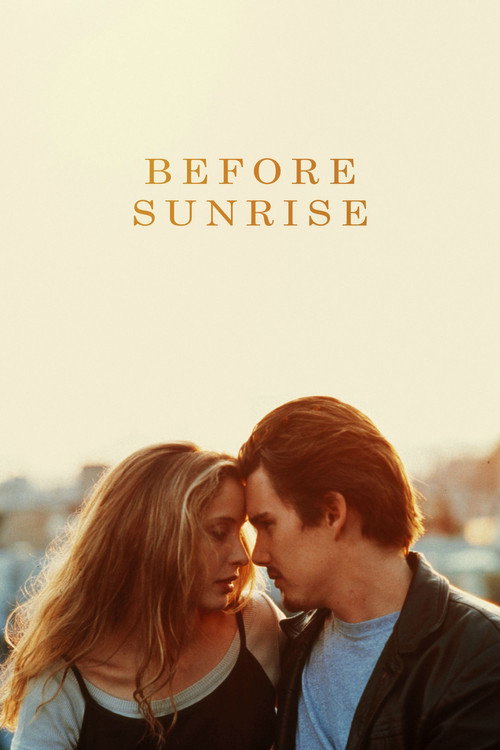
Before Sunrise1995
Richard Linklater's elegant conversation between two strangers in Vienna. Like Blueberry Nights, it trusts dialogue and chemistry to carry emotion, finding profound connection in small moments.
But A film about people talking for 80 minutes. If you need conflict or dramatic stakes, you'll be frustrated.
Not sure tonight? Get a pick in a minute, starting from My Blueberry Nights
The wildcard
Something you would not have found on your own.
The Ballad of Little Jo1993
Both follow a solitary woman traversing America, but one dreams while the other fights for survival. Same journey, opposite emotional weather.
Maggie Greenwald's wilfully strange western about a woman who disguises herself as a man to survive on the frontier. Like Blueberry Nights, it's a woman's journey across America, but where Elizabeth drifts, Jo endures—and the visual register is entirely different: grimy, unglamorous, unflinching.
But Deliberately anti-romantic and sometimes ugly; uses the western form to interrogate the very myths Blueberry Nights indulges.

More like this (7)
A Ghost Story2017
David Lowery's haunting meditation on loss, time and what we leave behind. Moves with the same dreamlike inevitability as Blueberry Nights, turning everyday spaces into something tender and unbearable.
But Experimental in form and genuinely unsettling at moments; some find it pretentious rather than profound.

Mulholland Drive2001
David Lynch's LA fever dream about aspiring actors and shattered dreams. Dense, disorienting, hypnotic—captures the same sense of emotional vertigo as Blueberry Nights but with far greater complexity.
But Deliberately obscure and refuses to explain itself; the narrative collapses partway through, which many find maddening rather than artful.

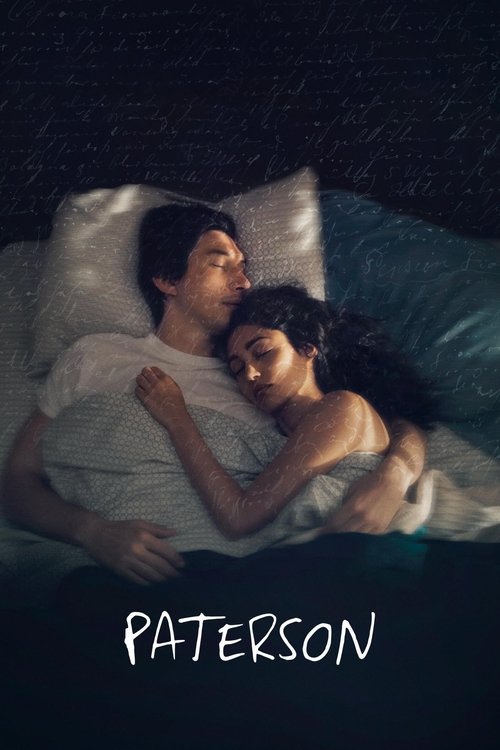
Paterson2016
Jim Jarmusch's quiet ode to routine, poetry and finding beauty in ordinary days. A bus driver writes poems in New Jersey—same engine as Blueberry Nights but operating at human scale rather than romantic scale.
But Genuinely uneventful. Some people find this liberating; others find it pointless.
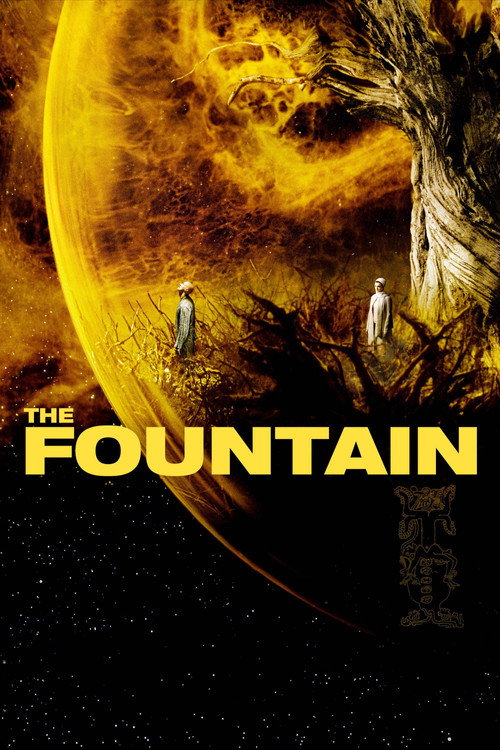
The Fountain2006
Darren Aronofsky's ambitious, visually overwhelming meditation on love and mortality across three timelines. Like Blueberry Nights, it prioritizes mood and image over narrative clarity, though it swings for far bigger themes.
But Willfully obscure and demands multiple viewings to parse; many dismiss it as overwrought rather than moving.
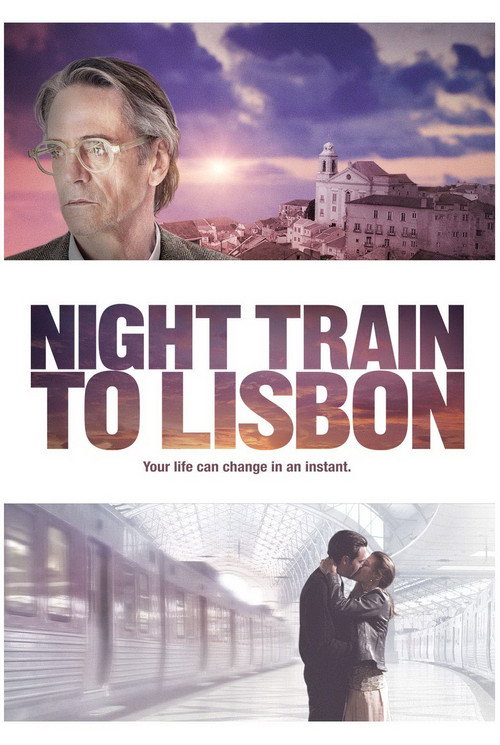
Night Train to Lisbon2013
A man impulsively boards a train after a chance encounter, sparking a journey of discovery across Europe. Shares Blueberry Nights' wanderer-meets-strangers structure and faith in chance and human connection.
But Uneven and occasionally melodramatic, with mixed performances that undercut the emotional weight.
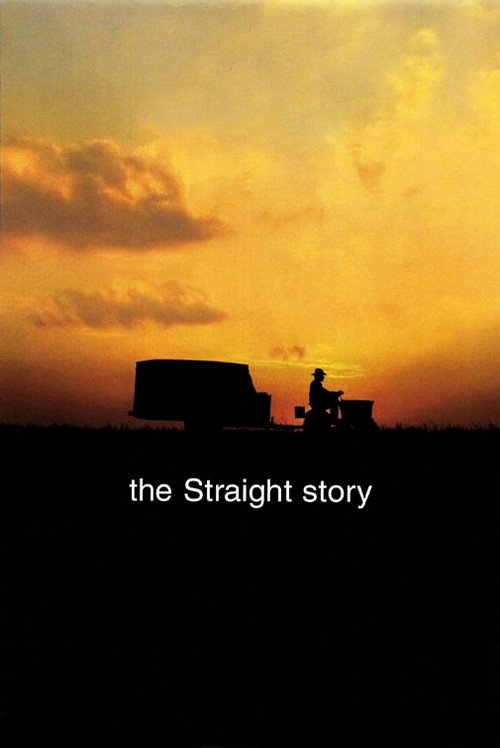
The Straight Story1999
David Lynch directing an old man's journey on a lawnmower through rural America. Gentle, sincere, oddly moving—proves that profound emotion needs no melodrama, only attention and time.
But Genuinely slow cinema about a man riding a lawnmower for two hours; patience isn't optional, it's mandatory.
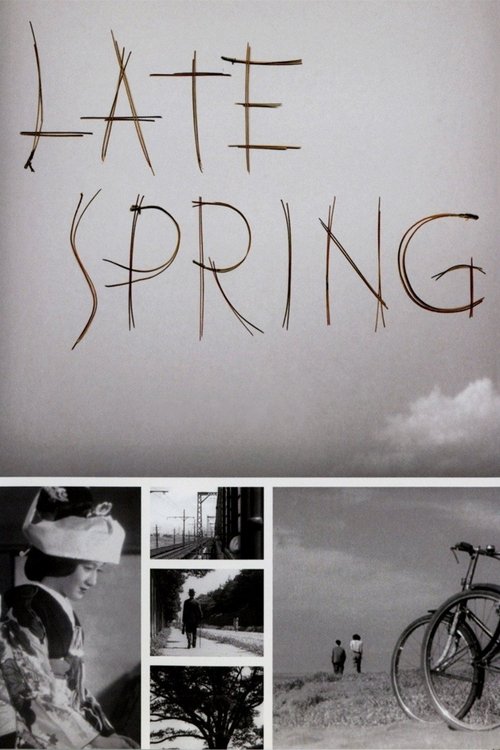
Late Spring1949
Both films believe that emotional truth lives in stillness and repetition, not event. Both make you sit with sorrow rather than resolve it. Both are about people moving toward acceptance they don't know they need.
Ozu's masterpiece about a widower and his daughter in postwar Tokyo. Nothing happens: they make tea, they talk, seasons change, life moves forward. It's meditative, sometimes funny, and achingly honest about how we avoid saying goodbye to people we love.
But Made in 1949 and directed with restraint that can read as inaction; shot in a deliberately static compositional style that many find boring rather than profound.
People
Cast
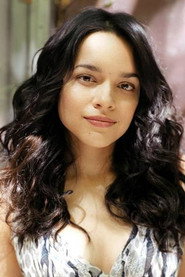 Norah JonesElizabeth
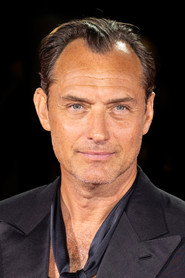 Jude LawJeremy
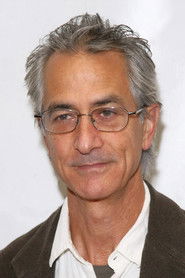 David StrathairnArnie
 Rachel WeiszSue Lynne
 Natalie PortmanLeslie
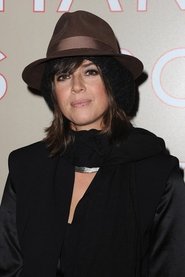 Cat PowerKatya
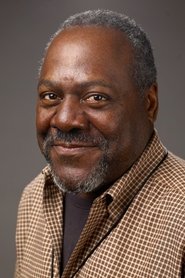 Frankie FaisonTravis
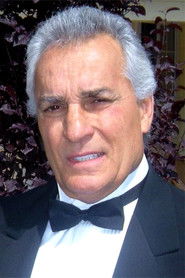 Michael DelanoCowboy
- Chad R. DavisBoyfriend
- Katya BlumenbergGirlfriend
- John MalloyDiner Manager
- Demetrius ButlerMale Customer
Directing
- Wong Kar-WaiDirector
- H.H. CooperFirst Assistant Director
- Massoumeh EmamiScript Supervisor
Writing
- Lawrence BlockScreenplay
- Wong Kar-WaiScreenplay
- Wong Kar-WaiStory
Production
- Avy KaufmanCasting
- Lisa LaxCasting
- Wang WeiExecutive Producer
- Alice Chan Wai-ChungProducer
- Jacky PangProducer
- Jean-Louis PielProducer
- Stéphane KooshmanianProducer
- Wong Kar-WaiProducer