
Film
2046
- Drama
- Romantic drama
- Slow-burning
Wong Kar-wai's dreamy, melancholic meditation on memory, desire and loss. A writer obsessed with his past encounters a series of women who spark, comfort, and confuse him across several years and blurred timelines. Technically stunning, emotionally oblique, hypnotic rather than plot-driven. For viewers patient with mood over narrative clarity.
Should you watch it?
Watch it if you are happy to drift through a melancholy romance built from mood, repeated motifs and lush colour, and you don't need the story to explain itself.
Skip it if you want a clear narrative spine, since this loops through fragments, half-remembered scenes and a science fiction thread that stays deliberately vague.
What it asks of you: Patience is the main currency here: it runs just over two hours at a deliberately unhurried pace, and much of its meaning lives in what it leaves unsaid rather than in dialogue.
Not sure? Find tonight's pick in a minute.
If you liked this
In the Mood for Love2000
Wong Kar-wai's masterpiece about two neighbours who discover their spouses are having an affair. Visual poetry in every frame; a meditation on desire expressed through colour, movement, and restraint. Essential context for 2046's romantic ache.
But Deliberately slow and repetitive. The story is slight; the film is entirely about mood and aesthetics. If you need plot momentum, look elsewhere.

Chungking Express1994
Two stories of urban loneliness and unexpected connection in Hong Kong. Visually inventive, playful yet tender, with the same eye for colour and melancholy that defines 2046. A better entry point to Wong Kar-wai's style.
But Structurally fragmented and whimsical. The second half shifts tone drastically. Some find it precious rather than moving.

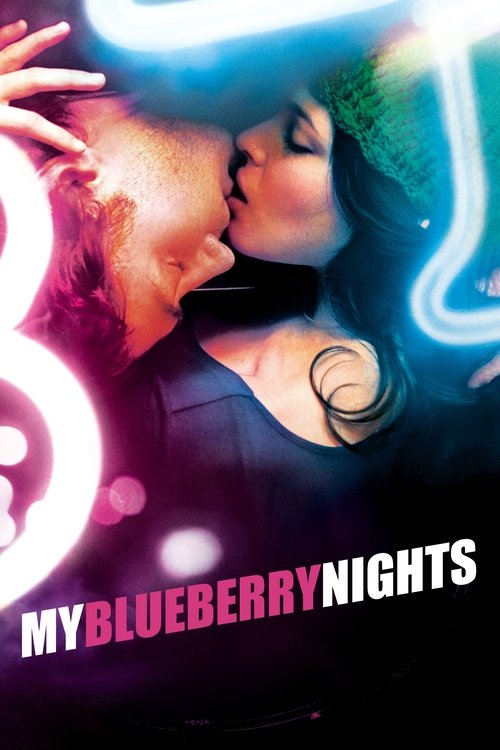
My Blueberry Nights2007
Wong Kar-wai's first English-language film, starring Norah Jones and Jude Law. Explores loneliness and connection across America with his signature visual lushness. More accessible than 2046 while retaining his romantic melancholy.
But Widely considered his weakest film. The English dialogue feels strained, and the narrative meanders without the compensating beauty of his Hong Kong work.
Not sure tonight? Get a pick in a minute, starting from 2046
The wildcard
Something you would not have found on your own.
Tokyo Story1953
Both find transcendence in repetition, silence, and the acceptance that desire and loss are permanent fixtures of existence. Both are about time passing and memory haunting the present—but where 2046 spins in circles, Tokyo Story accepts and endures.
Ozu's masterpiece about aging parents visiting their son in post-war Tokyo, structured around repetition, stillness, and the passages of time. Like 2046, it finds profound emotion in what is left unsaid, in the spaces between conversations. A completely different cinema arriving at the same emotional destination.
But Appears static and boring to viewers expecting drama. Characters don't 'do' much; they sit, talk quietly, look out windows. The pacing will feel glacial unless you surrender to its rhythm.

More like this (8)
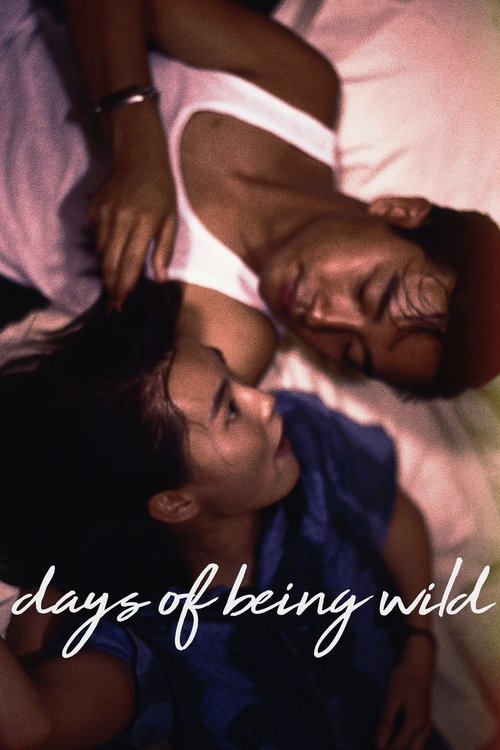
Days of Being Wild1990
Wong Kar-wai's debut about a charming drifter who leaves emotional wreckage wherever he goes. Raw and restless where 2046 is reflective; shows the director finding his visual voice. Tony Leung appears in both films.
But Feels more conventional than his later work. The final act diverts into territory that confuses rather than illuminates. Some sequences are genuinely amateurish.
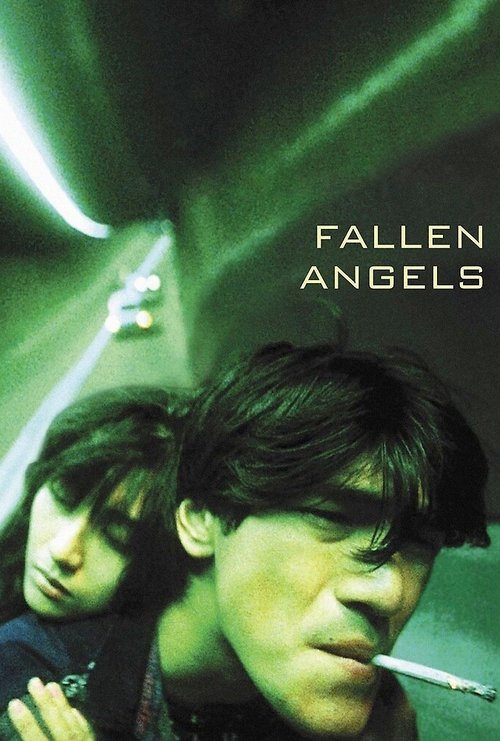
Fallen Angels1995
Two interconnected stories of alienation and desire in Hong Kong. Kaleidoscopic visuals, jump cuts, and a frenetic energy that contrasts with 2046's stillness. Same director, completely different mood—but the same obsession with loneliness.
But Chaotic and deliberately hard to follow. The visual assault can feel stylish rather than substantial. The narrative threads resist coherence.
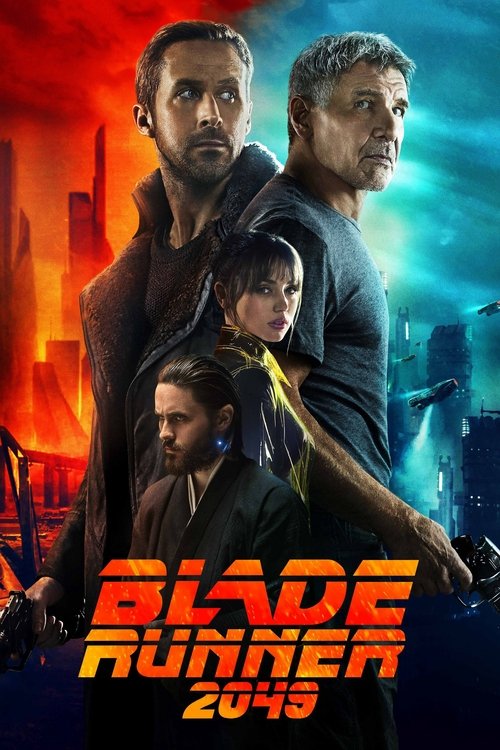
Blade Runner 20492017
Denis Villeneuve's sci-fi meditation on memory and loss, with Roger Deakins' photography matching 2046's visual precision. Slow-burn storytelling that privileges atmosphere and the weight of the past over conventional plot satisfaction.
But Deliberately paced to the point of stasis for some viewers. The philosophical questions matter more than action or character development. Demands patience and multiple viewings.
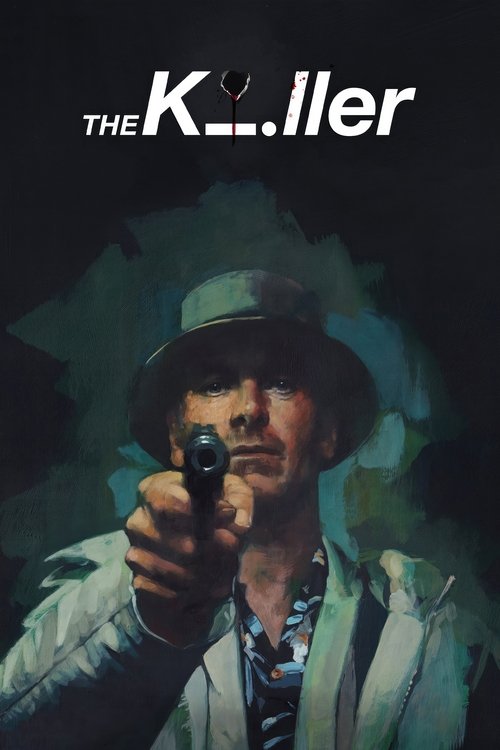
The Killer2023
David Fincher's portrait of obsession and disconnection, with Michael Fassbender as a hitman replaying past failures. Explores how memory and regret haunt the present. A meditation on isolation that echoes 2046's emotional core.
But Bleak and repetitive by design. The protagonist is unsympathetic. If you prefer catharsis or character growth, this offers neither.
Under the Skin2014
Jonathan Glazel's haunting science fiction film with Scarlett Johansson, shot through with dread and loneliness. Cryptic and visually hypnotic, it shares 2046's refusal to explain itself or provide easy emotional satisfaction.
But Genuinely alienating. The narrative is deliberately opaque. There are long, static sequences that test patience. Conventional viewers often hate it.

The Handmaiden2016
Park Chan-wook's lush thriller about desire and deception set in 1930s Korea and Manchuria. Intricate plotting wrapped in sumptuous cinematography and costume design. A more plot-driven alternative to 2046's dreamy precision.
But The twists are mechanical at times, and the erotic content will alienate some viewers. The third act sacrifices narrative elegance for plot complications.

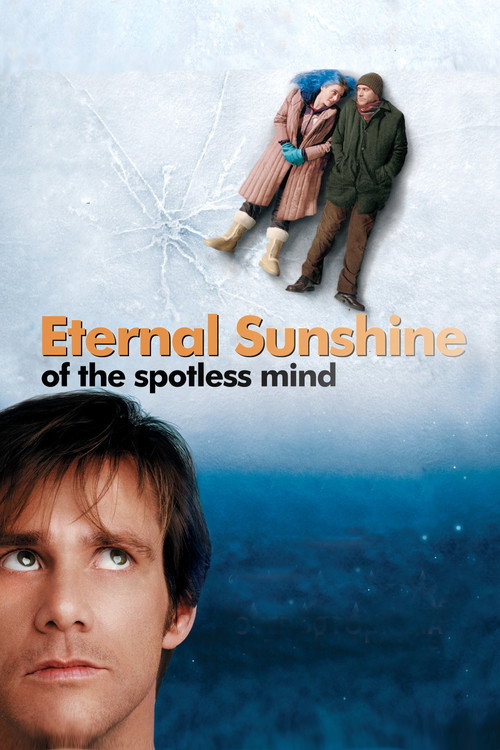
Eternal Sunshine of the Spotless Mind2004
Both explore the same question: can you escape your past, or is obsession with a lost love a permanent condition? One suggests you can't; the other suggests you shouldn't want to.
Michel Gondry's science fiction romance about erasing memories of a lost love. Released the same year as 2046, it's similarly haunted by the impossibility of moving past someone. But where 2046 is delicate and impressionistic, this is inventive and structurally audacious—told backwards through a deteriorating mindscape.
But Conceptually clever in ways that can feel cold. The narrative structure demands attention. Jim Carrey fans expecting warmth will find him subdued and melancholic.
Red Psalm1972
Both are films about form mattering more than plot. Both trust the audience to feel rather than follow. Both are exhausting in different ways—one through emotional precision, the other through deliberate obscurity—but neither is trying to entertain you in a conventional sense.
Miklós Jancsó's experimental Hungarian film about peasant revolt, told almost entirely through elaborate choreography and camera movement rather than conventional narrative. A complete tonal opposite to 2046—political, kinetic, Brechtian—yet it shares the same belief that cinema's power lies in how you watch, not what you're watching.
But Confoundingly difficult. There is minimal dialogue and the 'story' is deliberately obscured by formal experiment. If you need narrative clarity or psychological realism, this will frustrate you deeply.

People
Cast
 Tony Leung Chiu-waiChow Mo-wan
 Gong LiBlack Spider / Su Li-zhen
 Faye WongWang Jing-wen / Android

 Zhang ZiyiBai Ling
 Dong JieWang Jie-wen
 Carina LauLulu / Mimi / Android
 Chang ChenMimi's Boyfriend
 Maggie CheungSu Li-zhen

 Siu Ping-LamAh Ping
- Wang SumMr. Wang / Train Captain
Directing
- Ke Huy QuanAssistant Director
- Wong Kar-WaiDirector
- Rosanna Ng Wai-SanSecond Unit First Assistant Director
Writing
- Wong Kar-WaiScreenplay
Production
- Gilles CimentCo-Executive Producer
- Amedeo PaganiCo-Producer
- Éric HeumannCo-Producer
- Chan Ye-chengExecutive Producer
- Ren ZhonglunExecutive Producer
- Wong Kar-WaiProducer