
Film
Red Psalm
- Drama
- Very dark
Miklós Jancsó's radical 1972 film observes Hungarian farm workers during a 1890s strike with unflinching intensity. Shot in long, choreographed takes across vast plains, it's less narrative than philosophical inquiry—examining power, resistance, brutality and the cost of defiance. Austere, formally demanding, for viewers who prize cinema as argument over comfort.
Should you watch it?
Watch it if you are drawn to films where the camera does the arguing, with long unbroken takes and stylised choreography carrying political rage, and you don't need a conventional plot to feel something.
Skip it if you want characters to pull you in or a story that moves briskly; the rhythm is deliberate and the dialogue thin, so restlessness will set in quickly.
What it asks of you: Eighty-six minutes of mostly unbroken, slow-circling shots, with little explanation and a bleak mood you have to hold through without relief.
Not sure? Find tonight's pick in a minute.
If you liked this
The Battle of Algiers1966
Gillo Pontecorvo's masterwork about insurgency and counterinsurgency uses documentary-style realism to make political violence tangible. Essential viewing for understanding how cinema can anatomize revolution without flinching.
But Its moral clarity about colonialism may feel dated to some, and the formal austerity demands patience. Deeply heavy material throughout.

The Seventh Seal1957
Bergman's medieval procession with Death is formally and thematically kindred—symbolic landscapes, philosophical depth, humanity confronting fate. A masterpiece about mortality, meaning-making and collective reckoning.
But It's deliberately cryptic and moves at its own glacial pace. If you need plot momentum or neat answers, you'll bounce off it quickly.

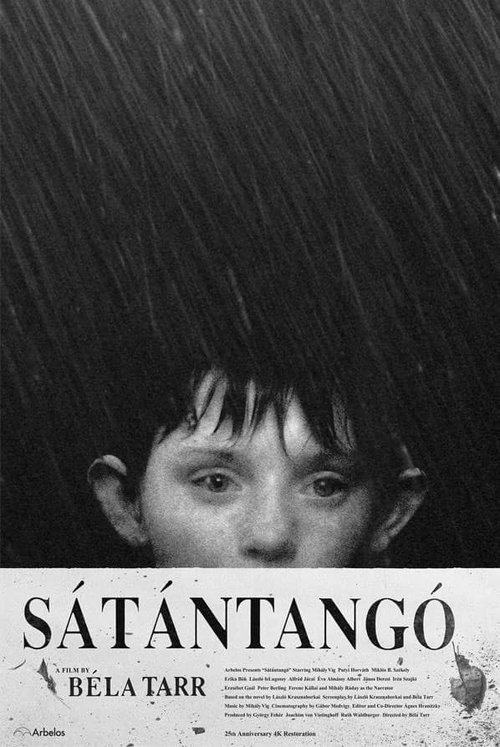
Satantango1994
Béla Tarr's Hungarian epic uses similar long takes and desolate landscapes to explore corruption, despair and human cruelty. A vision of entropy that demands surrender but rewards it with profound cinema.
But Seven and a half hours. In black and white. With almost no conventional dramatic arc. It's not entertainment; it's endurance art.
Not sure tonight? Get a pick in a minute, starting from Red Psalm
The wildcard
Something you would not have found on your own.
La Haine1995
Both films use landscape and long-form observation to show how systems of power crush individuals. Both privilege space and movement over plot. Both are formally rigorous in service of political argument.
Mathieu Kassovitz's three-act descent through Paris suburbs uses landscape and social geography to document systemic oppression and the machinery of state violence. It's Red Psalm in contemporary form—showing how power works through space and surveillance rather than narrative.
But It's bleak and deliberately ugly. Shot in black and white. It offers no redemption or escape, only clarity. Some find that clarifying; others find it punishing.

More like this (6)
Stalker1979
Andrei Tarkovsky's sci-fi meditation moves with hypnotic slowness through contested space toward unknowable desire. Shares Red Psalm's faith in long takes, landscape and the cinema of thought over plot.
But It's deliberately paced to test patience. If you need conventional narrative momentum or resolution, this will frustrate you fundamentally.

Come and See1985
Elem Klimov's Soviet war film shows violence and its psychological aftermath with unflinching severity. A masterpiece about the machinery of oppression and the destruction of innocence.
But It's genuinely traumatic—not for those seeking war-film catharsis or heroics. One of cinema's most difficult experiences, not all who start will finish.

Hunger1966
Peter Watkins' docudrama about a 17th-century Irish famine combines experimental form with historical suffering. Raw, strange, committed to showing deprivation and resistance as bodily reality rather than metaphor.
But Formally radical and visually harsh. It's not conventionally beautiful or comforting, and its political anger never softens.
Man with a Movie Camera1929
Dziga Vertov's Soviet montage symphony is cinema thinking about itself while documenting urban life and labour. A formal ancestor to Jancsó's approach—cinema as essay, not story.
But Silent, abstract, built on editing rather than conventional narrative. Some find it exhilarating; others find it exhausting and opaque.

The Turin Horse2011
Both use ritualized movement and spatial composition to explore historical collapse and the inadequacy of human gesture against vast forces. Both are elegiac without being sentimental.
Béla Tarr's final film is an apocalyptic meditation on a philosopher's final days, rendered through repetition and ritual. It's music-like rather than narrative—a composition on themes of decay, care and the end of meaning.
But It's brief by Tarr's standards but feels longer. Repetitive and cyclical by design. The apocalyptic tone never lifts. It's less film than requiem.

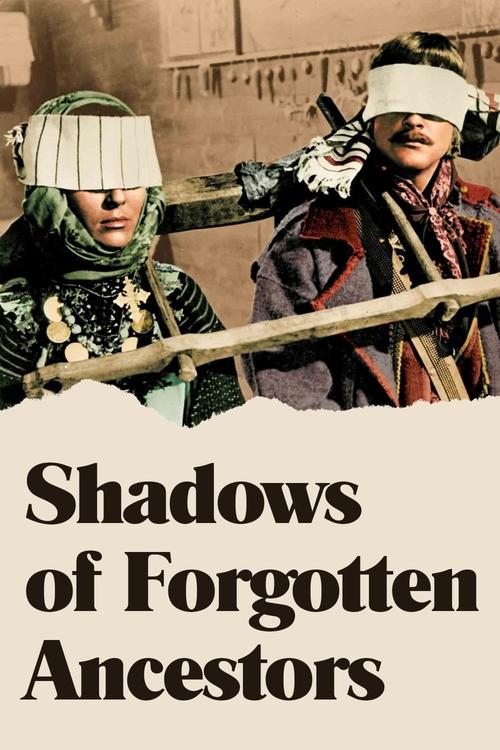
Shadows of Forgotten Ancestors1965
Both are Soviet-era films using landscape and folk culture to interrogate history and individual destiny. Both reject realism for heightened formal language. Both treat cinema as thought-making rather than storytelling.
Sergei Parajanov's astonishing Ukrainian epic sets tragic folk drama within landscapes of baroque visual density. It's formally experimental and deeply rooted in regional culture—cinema as visual poetry with revolutionary ancestry.
But It's ornate where Red Psalm is austere, romantic where Jancsó is analytical. Some find that visual richness overwhelming. The narrative is secondary to imagery throughout.
People
Cast
 István BujtorPetkó Szautner András
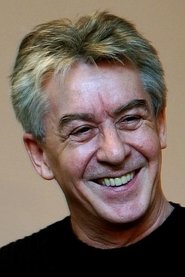 Tamás CsehÉnekes
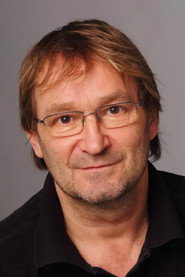 György CserhalmiSocialist
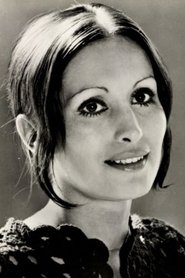 Andrea DrahotaNagy Mária, socialist
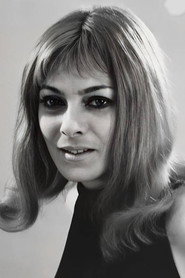 Gyöngyi BürösRáczné, socialist
- Erzsi CserhalmiGalambos lány, socialist
 Mari CsomósMaid
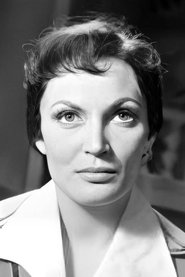 Ilona GurnikPeasant woman
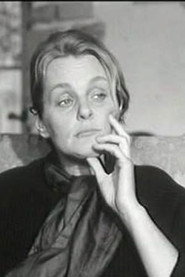 Éva SpányikA mourning woman in a white shawl
- Zsuzsa FerdinándyCountess
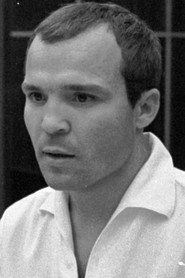 József MadarasHegedüs Bálint, socialist
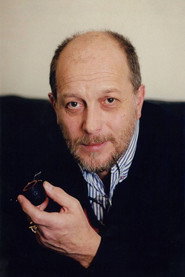 Lajos BalázsovitsYoung officer
Directing
- Miklós JancsóDirector
Writing
- Gyula HernádiWriter