
Film
Hunger
Other titles called Hunger: the 2008 film.
- Drama
- Very dark
- Slow-burning
Hunger is a 1966 Norwegian film about a starving writer in 1890s Oslo struggling to survive and publish his work while his grip on reality fractures. Directed by Henning Carlsen, it's a brutal, unsentimental portrait of artistic desperation and pride. Shot in grainy black-and-white, it demands patience but rewards with profound insight into poverty, ego, and the cost of refusing compromise.
Should you watch it?
Watch it if you want a portrait of a proud man's slow fraying, where the drama lives in his restless mind and his stubborn refusal to beg, rather than in plot.
Skip it if you need a story with momentum; this drifts from one humiliation to the next, and its feverish, hungry head can be hard to stay inside.
What it asks of you: A slow, episodic stroll through one man's wandering days, with moods that swing sharply, all within a lean 112 minutes of grey streets and little relief.
Not sure? Find tonight's pick in a minute.
If you liked this
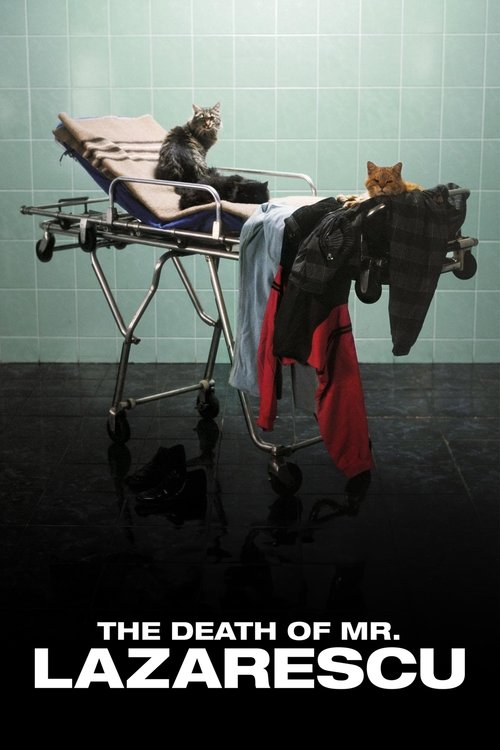
The Death of Mr. Lazarescu2005
A Romanian masterpiece about an aging man navigating bureaucratic indifference while his health crumbles. Like Hunger, it refuses easy sympathy and finds dignity in degradation, with a performance of astonishing naturalism.
But It's nearly two-and-a-half hours of accumulated humiliation. The pacing is deliberate, the tone bleak, and nothing is resolved neatly.
Stalker1979
Tarkovsky's meditation on desire, meaning, and the distance between aspiration and reality. Slow, visually hypnotic, it shares Hunger's interest in interior collapse and the weight of unfulfilled longing.
But At 163 minutes, it moves at a glacial pace. Philosophical rather than plot-driven. Requires your full attention and may frustrate viewers looking for narrative momentum.

Winter Light1963
Bergman's chamber piece about despair, faith, and human connection in a small Swedish town. Like Hunger, it's intimate and unsparing, with performances of devastating psychological clarity.
But Deliberately austere and claustrophobic. The emotional coldness may feel punishing. There's no catharsis, only recognition of emptiness.

Not sure tonight? Get a pick in a minute, starting from Hunger
The wildcard
Something you would not have found on your own.
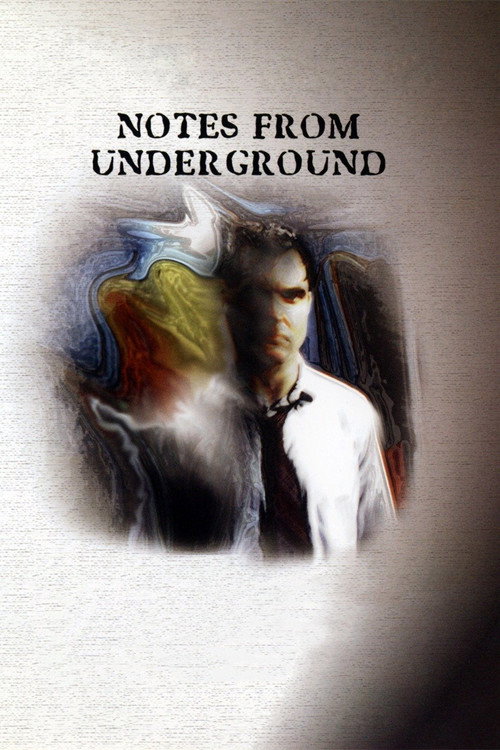
Notes from Underground1995
Both are interior journeys of starving, intellectualized men spiraling through humiliation. Both use formal constraint—locked locations, limited action—to externalize psychological disintegration. Both refuse redemption.
A Russian TV adaptation of Dostoevsky's novella, shot as a single-camera monologue. A poor man rages to camera about humiliation and spite. Structurally and spiritually, it's Hunger's philosophical twin—an intimate descent into wounded pride and intellectual paralysis.
But Russian-language 1990s television production with minimal production values. The entire thing is essentially a man talking to camera. Dostoevsky's prose is dense and repetitive by design.
More like this (8)
Come and See1985
A Soviet war film that documents the systematic destruction of a human soul. Like Hunger, it tracks psychological disintegration with unflinching precision and extraordinary formal control.
But It's traumatic and grueling. The violence is not spectacular but intimate and degrading. Watching it feels like an ordeal, by design.

The Turin Horse2011
Béla Tarr's final film, a descent into entropy and meaninglessness. It shares Hunger's black-and-white aesthetics and fascination with survival stripped of dignity or hope.
But Apocalyptic and repetitive. The same scenes cycle; nothing progresses. It's beautiful but suffocating. Easier to admire than to enjoy.

Tokyo Story1953
Ozu's quiet masterpiece about time, separation, and the unbridgeable gaps between people. Like Hunger, it finds profundity in restraint and acknowledges loss without sentiment.
But Almost nothing happens. Long static shots, minimal music, oblique editing. Its power comes from what it refuses to show, which some find frustrating.

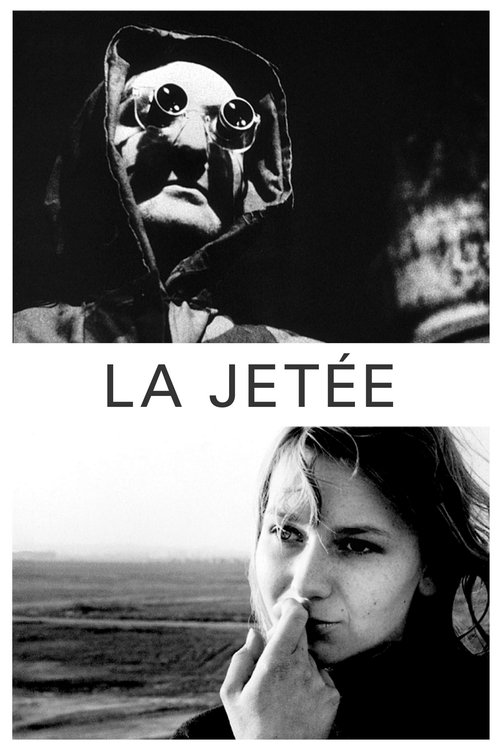
La Jetée1962
Marker's experimental science-fiction poem composed almost entirely of still photographs. Shares Hunger's fractured subjectivity and exploration of memory, desire, and narrative unreliability through form.
But Only 28 minutes long, it's experimental and deliberately artificial. The static-image approach requires an unusual kind of engagement.
Ikiru1952
Kurosawa's profound study of a bureaucrat reckoning with mortality and the search for meaning. It parallels Hunger's examination of dignity, purpose, and the cost of compromise.
But Nearly three hours and primarily dialogue-based. The pacing is deliberate. Some find the emotional resolution too neat compared to Hunger's ambiguity.

Sunrise: A Song of Two Humans1927
Murnau's silent expressionist masterpiece about temptation and survival. Its visual language of distortion and psychological disarray anticipated Hunger's formal strategies by decades.
But Silent film requires adjustment. The narrative is simpler than Hunger's. The artifice of the performance style may feel dated despite its visual sophistication.

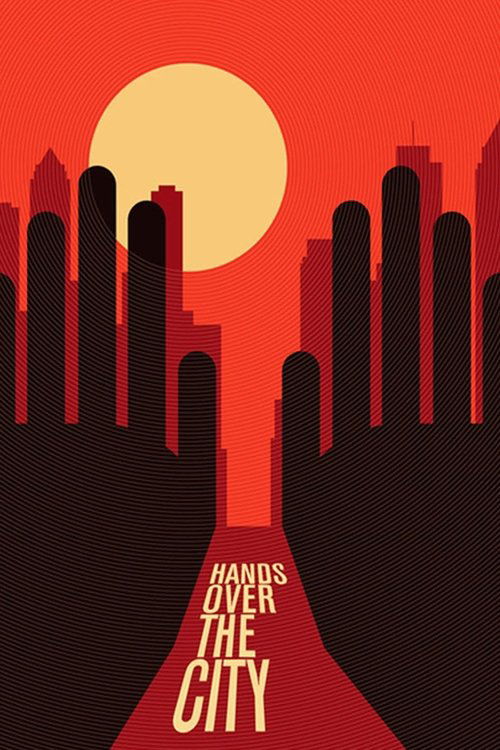
Hands Over the City1963
Both films use the city itself as a hostile force. Both show intelligent men trapped by circumstance, making increasingly desperate choices. Both refuse easy villains.
Francesco Rosi's Neapolitan political thriller about a corrupt developer navigating bureaucracy and class. The mood is entirely different—faster, angrier—but it shares Hunger's unflinching examination of how systems grind down human beings and demand moral compromise.
But Italian neorealist-adjacent 1960s cinema. Political drama, not psychological. If you're seeking another portrait of internal collapse, this is external and civic instead.
A Ghost Story2017
Both films treat time and waiting as the true subject. Both show figures trapped in repetition, unable to move forward. Both use restraint and formal strangeness to evoke psychological states rather than narrate them.
David Lowery's meditative American film about time, loss, and the persistence of desire beyond death. Formally radical and almost wordless, it shares Hunger's obsession with how consciousness deteriorates when divorced from meaning or connection.
But Experimental and slow. Much of it is shot from the perspective of a white sheet. It's haunting but frustratingly opaque, and some find it precious rather than profound.

People
Cast
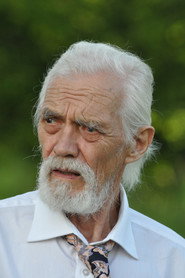 Per OscarssonPontus
 Gunnel LindblomYlajali
 Birgitte FederspielHer sister
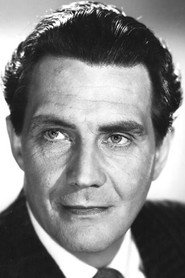 Knud RexLandlord
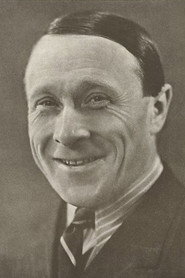 Hans W. PetersenGrocer
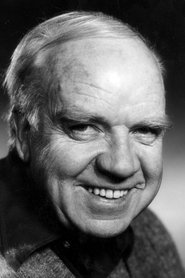 Henki KolstadEditor
- Roy BjørnstadKonstantin
- Sverre HansenPainter
- Pål SkjønbergConstable
- Else HeibergLandlady
 Lise FjeldstadLittle girl
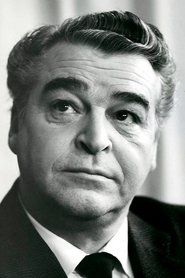 Carl OttosenSailor
Directing
- Henning CarlsenDirector
Writing
- Knut HamsunNovel
- Henning CarlsenWriter
- Peter SeebergWriter
Production
- Bertil OhlssonAssociate Producer
- Göran LindgrenProducer
- Henning CarlsenProducer
- Bertil OhlssonProduction Manager
- Jack HaldUnit Production Manager
Recommended by
Knock on Any Door, Golden Boy, Red Psalm, A Gentle Woman, A Matter of Dignity, Suzaki Paradise: Red Light District