
Film
Hands Over the City
A Neapolitan property developer's world crumbles when a building collapse becomes a political weapon. Shot with urgent realism by Francesco Rosi, it's a lean thriller about corruption, class, and how cities are built on lies. Essential viewing for anyone interested in how power actually operates.
Should you watch it?
Watch it if you like political dramas that feel like documentaries, where the suspense comes from paperwork, backroom deals and a camera that refuses to look away from the city's grime.
Skip it if you need a warm central character or plot twists; this is a cool, talky film that argues its case through meetings, debates and crowd scenes rather than inner life.
What it asks of you: A brisk hour and forty minutes, shot with newsreel bluntness and no sentimentality; you stay alert through dense dialogue about zoning and money rather than being carried by emotion.
Not sure? Find tonight's pick in a minute.
If you liked this
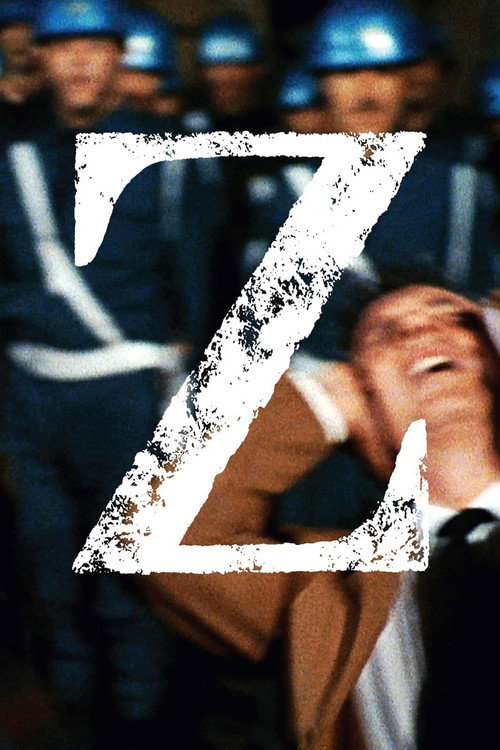
Z1969
Costa-Gavras's masterpiece about a political assassination and its cover-up. Same lean, propulsive style as Hands Over the City—both are thrillers disguised as investigations into how systems protect themselves.
But The political machinery can feel abstract if you're not engaged by procedural detail. Subtitled, and deliberately cool rather than emotionally warm.
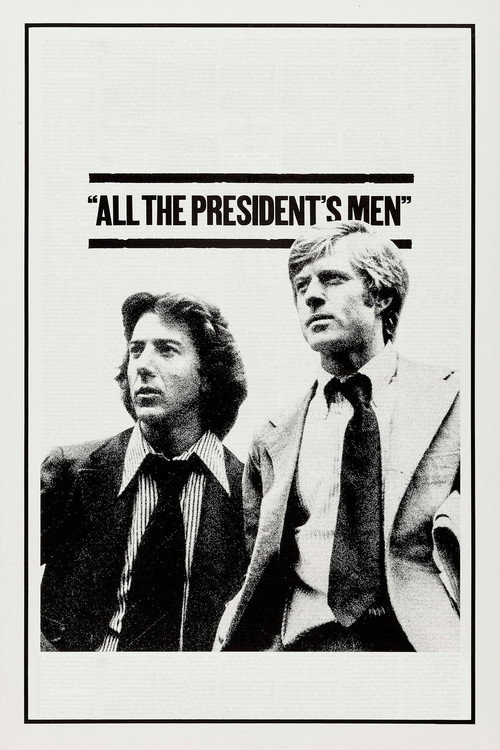
All the President's Men1976
Pakula's perfect thriller about two journalists unraveling institutional corruption. It shares Rosi's belief that watching people dig for truth is endlessly suspenseful, and that systems are built to resist exposure.
But Heavy on dialogue and paper trails. If you need action or melodrama, this is methodical to the point of austerity.
The Battle of Algiers1966
Pontecorvo's documentary-realist masterpiece about urban insurgency and counter-insurgency. Like Rosi's film, it treats cities as contested political spaces and refuses easy moral comfort.
But Formally rigorous and sometimes brutal. The politics are explicit and uncompromising—not a film that lets you off the hook.

Not sure tonight? Get a pick in a minute, starting from Hands Over the City
The wildcard
Something you would not have found on your own.
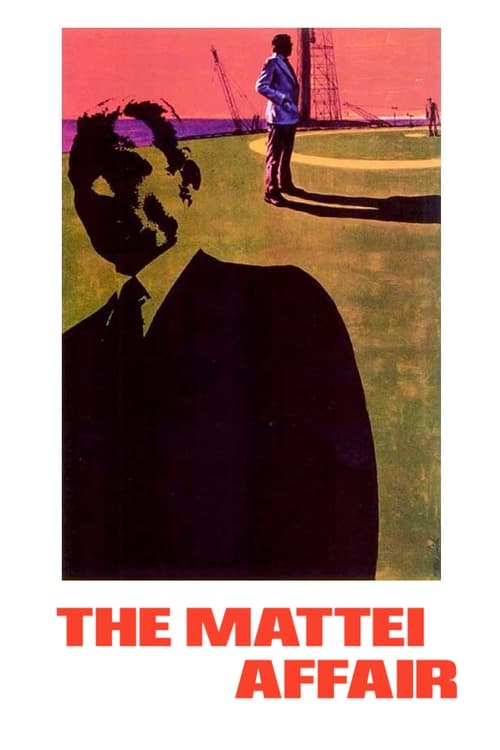
The Mattei Affair1972
Rosi's companion piece to his own inquiry into institutional power—how cities and nations protect their dirty secrets.
Rosi's own film about the mysterious death of an oil executive. If Hands Over the City shows how corruption works, this shows what happens when you ask too many questions about it. The same director, more desperate and darker.
But A real historical mystery that remains unsolved. The film's refusal to provide certainty frustrates some viewers. Less accessible than his earlier work.
More like this (7)
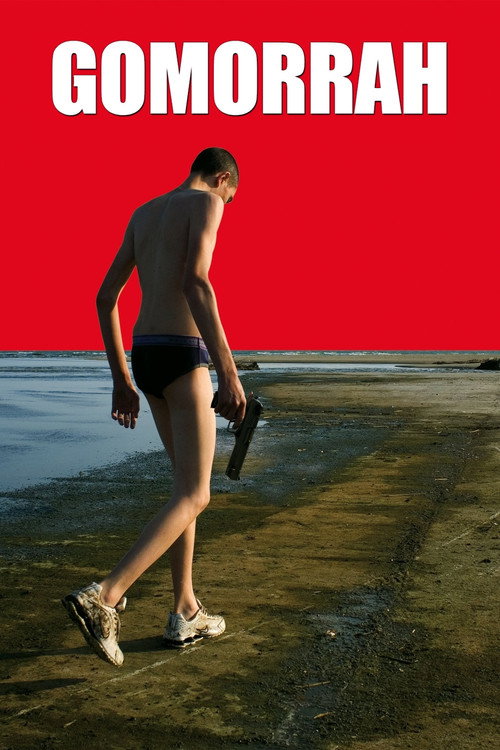
Gomorrah2008
Garrone's portrait of Naples under Camorra control. Same city, same corruption, modern era—you see how Rosi's concerns never actually went away.
But Violent and grim. The narrative is fragmented across five interconnected stories, which can feel dispersed compared to Rosi's tight focus.
A Prophet2009
Jacques Audiard's masterpiece about a young man's rise in the prison system. Like Hands Over the City, it's about learning to navigate and exploit institutional machinery—power as a skill to be acquired.
But Prison brutality and sexual violence. Subtitled, and the protagonist's moral corruption happens gradually enough that some viewers resent it.

The Killing1956
Kubrick's heist film told in fractured chronology, showing how a robbery plan survives contact with human nature and greed. Same structural intelligence as Rosi—how plans collide with reality.
But The fractured timeline can feel precious rather than revealing. It's precise where Rosi is urgent.

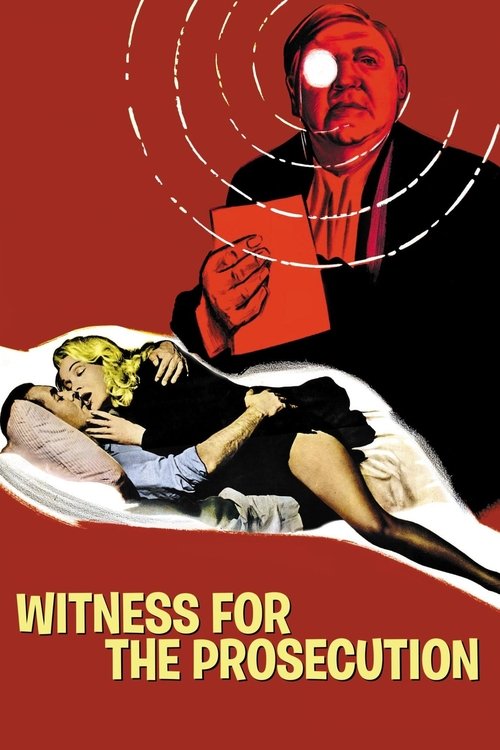
Witness for the Prosecution1957
Wilder's courtroom thriller about truth, performance, and what testimony actually proves. Like Rosi, it understands that institutional procedures are theater—and that matters.
But A twist ending that some find contrived. More playful and less political than Rosi's films.
The Seventh Seal1957
Bergman's meditation on mortality and institutional faith. Different subject, but shares Rosi's conviction that systems (religious, political) are ways we try to control what can't be controlled.
But Famously heavy and symbolic. If you want realism rather than metaphysics, this will feel remote.

The Third Man1949
Reed and Welles on moral compromise in occupied Vienna. Post-war corruption and the men who traffic in it. A companion to Rosi's view of how cities and power actually work.
But The zither score is distracting rather than atmospheric to many viewers. Welles barely appears, which can feel like wasted casting.

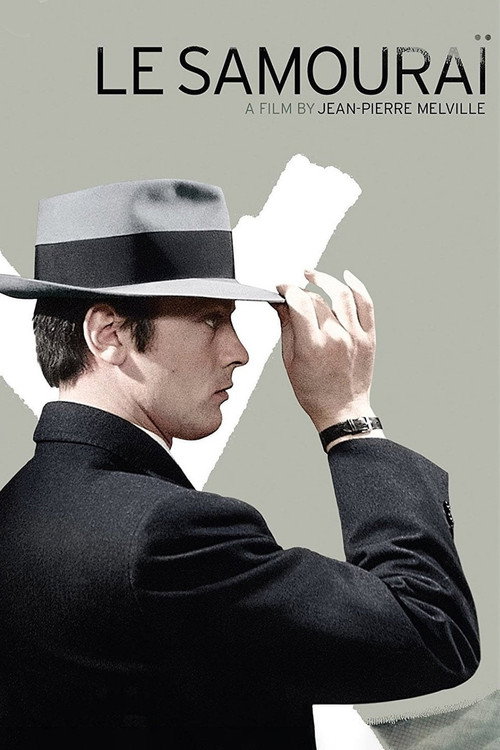
Le Samouraï1967
Both films compress the full weight of institutional corruption into a single man's face, watching him understand he's been used.
Melville's cool, geometric thriller about a hitman and the men who hired him. Completely different mood from Rosi—almost silent, almost elegant—but identical structure: a man trapped by systems he helped build, running out of moves.
But Minimalist to the point of abstraction. Some viewers find it remote and slow. Style dominates character.
People
Cast
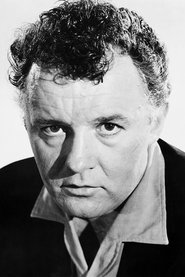 Rod SteigerEdoardo Nottola
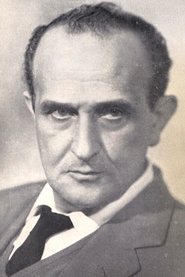 Salvo RandoneProfessor De Angelis
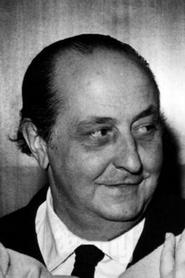 Guido AlbertiMaglione
- Marcello CannavaleFriend of Nottola
- Dante Di PintoPresident of Inquiry Committee
- Alberto ConocchiaFriend of Nottola
- Carlo FermarielloDe Vita
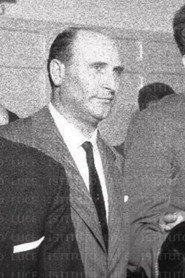 Terenzio CordovaProsecutor
- Gaetano Grimaldi FilioliFriend of Nottola
- Angelo D'AlessandroBalsamo
- Vincenzo MetaforaMayor
 Dany ParísDany
Directing
- Francesco RosiDirector
- Nando CiceroFirst Assistant Director
- Roberto ParianteFirst Assistant Director
- Marco GuarnaschelliSecond Assistant Director
- Mario Forges DavanzatiSecond Assistant Director
Writing
- Enzo ForcellaScreenplay
- Enzo ProvenzaleScreenplay
- Francesco RosiScreenplay
- Raffaele La CapriaScreenplay
- Francesco RosiStory
- Raffaele La CapriaStory
Production
- Dante BriniAdministration
- Enzo ProvenzaleLine Producer
- Lionello SantiProducer
- Lamberto PippiaProduction Secretary
- Gaetano AmataUnit Manager
- Roberto CoccoUnit Manager