
Film
The Mattei Affair
Francesco Rosi's 1972 investigation into Enrico Mattei's mysterious 1962 death, told through fractured chronology and competing narratives. A political thriller that treats historical ambiguity as its engine: we watch journalists, enemies, and allies circle the truth without ever quite grasping it. Essential for anyone interested in how cinema can dramatise real corruption and power.
Should you watch it?
Watch it if you enjoy political thrillers built like detective work, where a reporter assembles fragments of a powerful man's life and the official story starts to crack under the weight of the questions.
Skip it if you want a brisk, emotionally direct story; this is cool, deliberate and built from fragments, so it can feel diffuse and withholding at times.
What it asks of you: Settle in for just under two hours of patient, sober viewing, where attention pays off more than emotion does and the pieces take a while to click.
Not sure? Find tonight's pick in a minute.
If you liked this
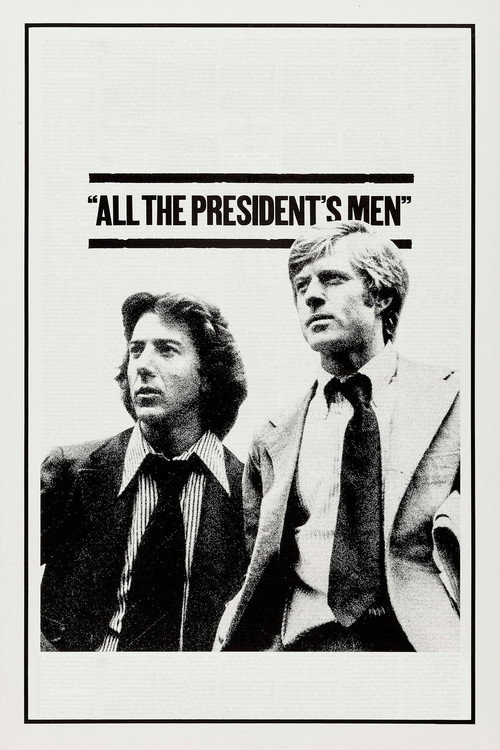
All the President's Men1976
Woodward and Bernstein crack the Watergate story through dogged reporting and institutional pushback. Like Mattei Affair, it finds suspense in the work of journalism itself—the phone calls, the denials, the incremental corroboration.
But Post-1970s political thrillers have made this template feel familiar, and the pacing occasionally slows when plot requires exposition.
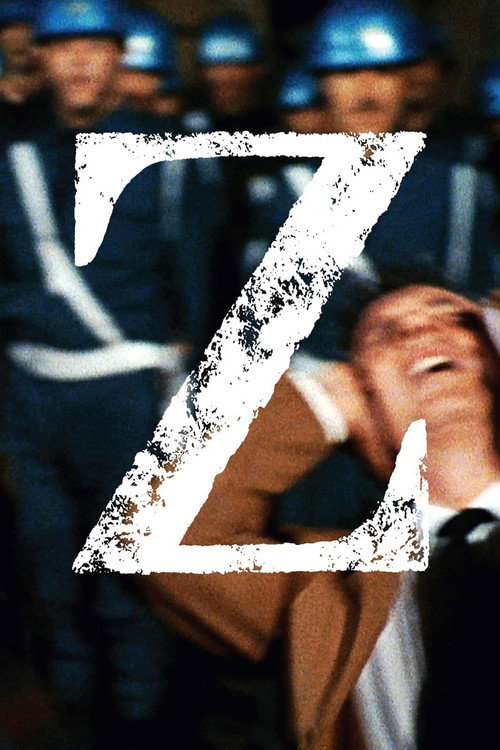
Z1969
Costa-Gavras made this furious Algerian political assassination into a propulsive, visceral thriller. Same era, same DNA: a death deemed accident, a cover-up, the machinery of power grinding to bury truth.
But Its rage is so acute and direct that subtlety gets sacrificed; some viewers find it didactic rather than dramatically complex.
The Battle of Algiers1966
Pontecorvo's masterpiece about colonial violence and urban insurgency. Shares Mattei's unflinching eye for political machinery and its costs, plus formal inventiveness that refuses easy morality.
But Shot in stark black-and-white newsreel style, it can feel distant even when depicting brutality. Demands active viewing, not passive consumption.

Not sure tonight? Get a pick in a minute, starting from The Mattei Affair
The wildcard
Something you would not have found on your own.
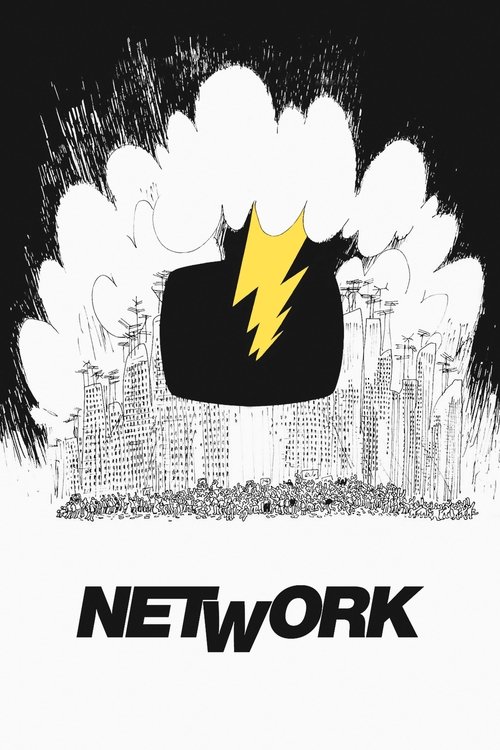
Network1976
Both are investigations of how systems destroy inconvenient people—Mattei through assassination, Network through complicity and spectacle. One asks how power kills; the other asks how we help it.
Paddy Chayefsky's incandescent satire about how media, corporate power, and audience appetite feed each other to consume truth. Where Mattei shows power crushing individuals, Network shows how power has learned to use mass emotion as its tool—a dark evolution.
But It's a screenplay first and a film second; the rage can feel like declamation, and the portrait of media rot, however accurate, has aged into something almost quaint beside today's misinformation.
More like this (8)
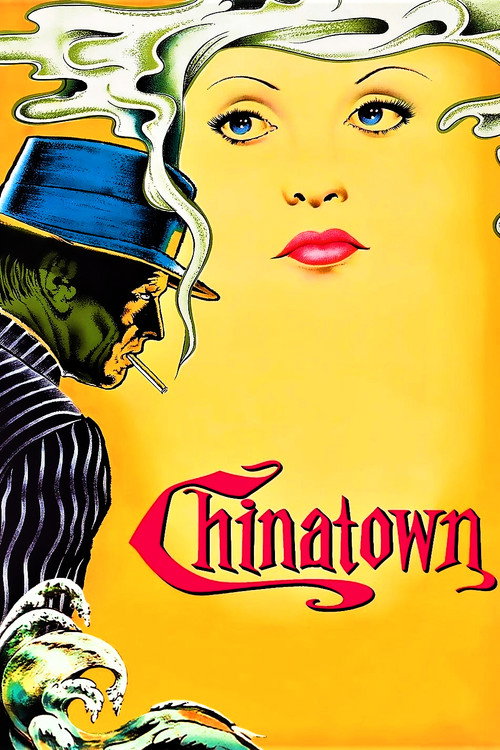
Chinatown1974
Jack Nicholson's detective uncovers a conspiracy that reaches everywhere—water, power, sex, money—and loses anyway. Mattei's fractured narrative finds its match in this film's sense that truth may be recoverable but justice never is.
But The rape scene is genuinely horrifying and not thematically essential; it haunts viewers longer than some want to carry it.
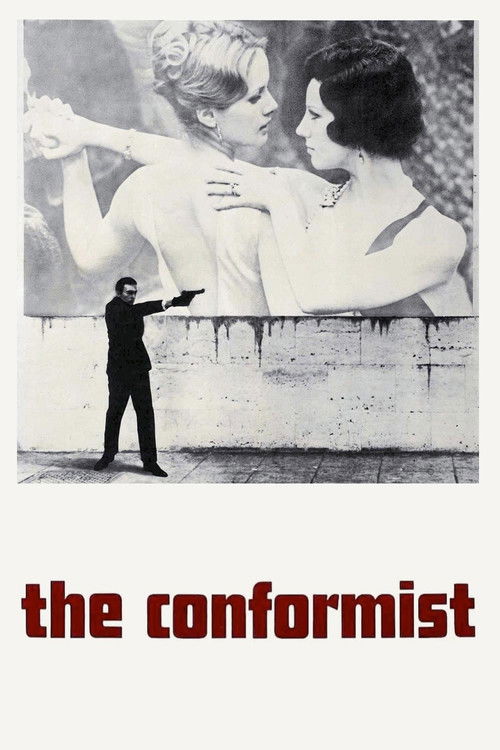
The Conformist1971
Bertolucci's dazzling portrait of a man seduced into complicity with fascism. Like Mattei, it examines how power corrupts the ambitious by offering them a seat at the table—and the visual language is intoxicating.
But Narrative fragmentation and Freudian subtext mean you're always slightly untethered; ambiguity about the protagonist's motives may frustrate rather than intrigue.
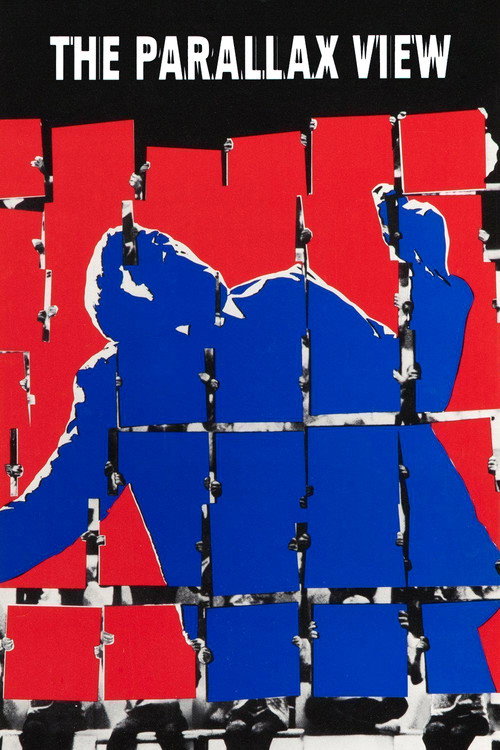
The Parallax View1974
Warren Beatty stumbles into a vast conspiracy about political assassination. It captures the same paranoia as Mattei—that institutional power will erase inconvenient people—with audacious formal experimentation.
But 1970s thriller logic means some plot mechanics feel creaky now. The conspiracy's actual scope remains deliberately vague, which some find unsatisfying.
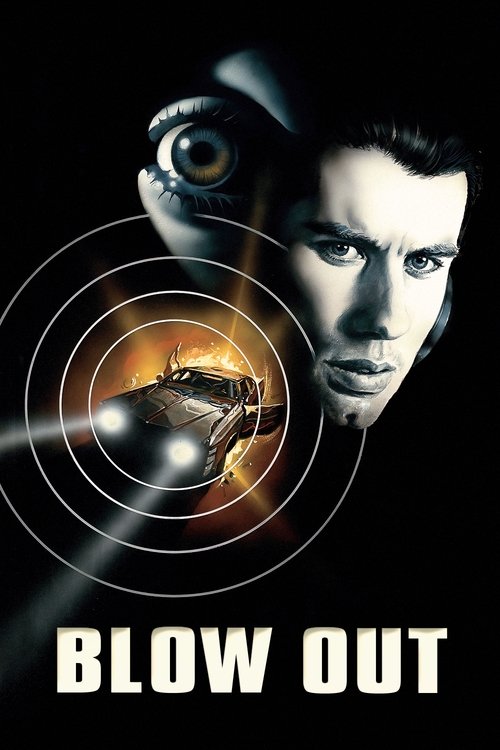
Blow Out1981
De Palma's film about a sound engineer who records a car accident and becomes convinced he's heard evidence of murder. Thriller structure built on the act of listening and interpretation—the uncertainty that drives Mattei.
But De Palma's baroque visual style can feel more interested in its own ingenuity than in the character's genuine distress. Some viewers find it chilly.
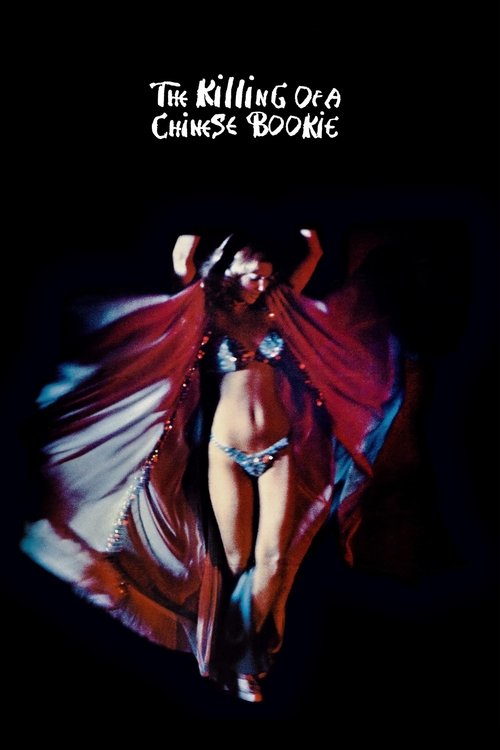
The Killing of a Chinese Bookie1976
Cassavetes' low-budget fever dream about a nightclub owner forced into criminal obligation. Like Mattei, it understands how ordinary ambition becomes entanglement becomes death, rendered in luminous, digressive detail.
But Rambling pacing and mumbled dialogue test patience. The moral universe is bleak and offers no redemption, which can feel exhausting rather than illuminating.
Winter Light1963
Bergman's austere study of a pastor's crisis of faith. Shares Mattei's investigation of internal collapse and the impossibility of certainty—but channels it through spiritual rather than political machinery.
But Profoundly pessimistic and conducted almost entirely in grey interiors. If you want cinema to console or even entertain, this will feel like a penance.

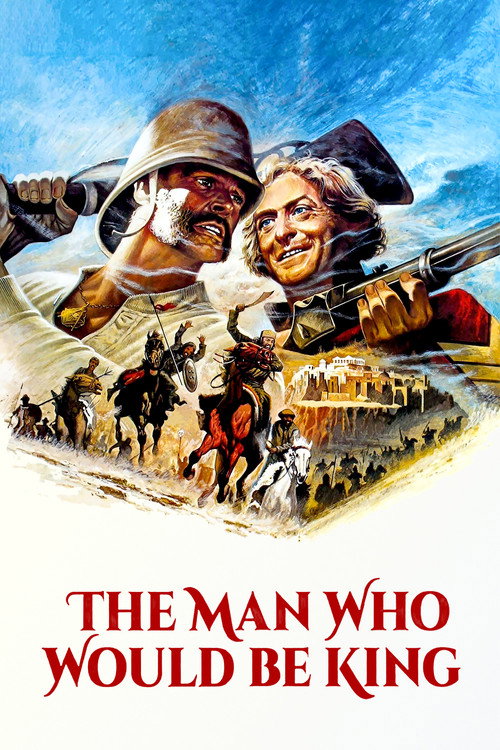
The Man Who Would Be King1975
Both examine the seduction of power and the machinery that grinds men down once they've climbed too high. Mattei is tragedy; this is adventure-film tragedy—but the destination is the same.
Huston's adventure romp about two con men who manipulate their way into godhood in a remote kingdom, then discover they've become trapped by their own mythology. It's the inverse of Mattei: ambition as exhilaration before the reckoning.
But It's a rollicking entertainment in a very different register—Technicolor, Connery and Caine at their most charismatic, humour throughout. If you want continued seriousness, this tonal shift will jar.
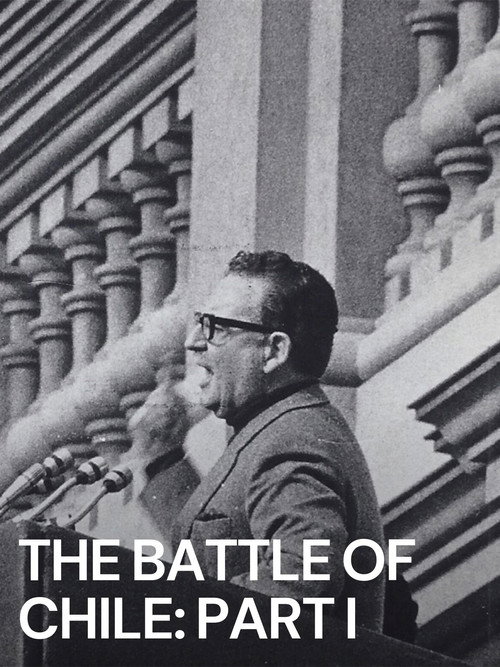
The Battle of Chile: Part I1975
Both are investigations of political power in real-time, refusing to look away. Mattei reconstructs past ambiguity; this documents present machinery. One is Italian political fiction about hidden death; this is Chilean political fact about visible destruction.
Guzmán's three-part documentary chronicle of Allende's rise and fall, shot during the Pinochet coup. Raw, urgent footage of a nation's political machinery in real-time crisis. Mattei asked if a death was murder; this asks how democracies are demolished in public.
But Five hours across three volumes; archival footage is often grainy and handheld. Requires commitment and will leave you unsettled rather than satisfied. Not a thriller—a document of actual devastation.
People
Cast
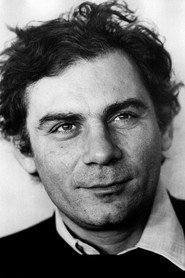 Gian Maria VolontéEnrico Mattei
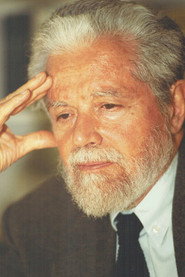 Luigi Squarzinaliberal journalist
 Peter BaldwinWilliam McHale
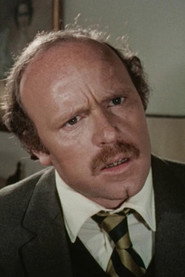 Renato Romanojournalist
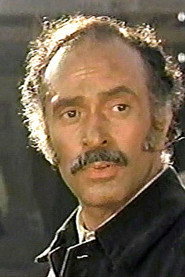 Franco GraziosiMinister of State partecipations
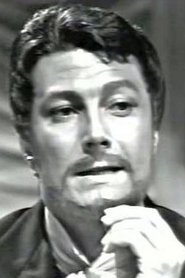 Gianfranco OmbuenMr. Ferrari, the engineer
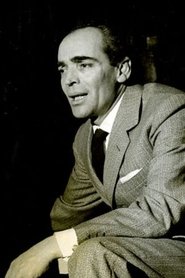 Elio Jottahead of the Committee of Inquiry
- Luciano ColittiIrnerio Bertuzzi
 Edda FerronaoMrs. Mattei
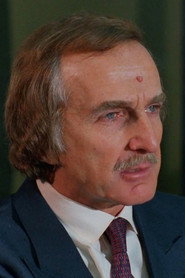 Accursio Di LeoSicilian character
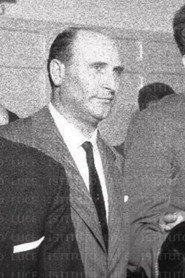 Terenzio Cordovapolice officer
 Giuseppe Lo PrestiSicilian character
Directing
- Francesco RosiDirector
- Marco GuarnaschelliFirst Assistant Director
- Franca InvernizziScript Supervisor
Writing
- Nerio MinuzzoCo-Writer
- Tito De StefanoCo-Writer
- Alessandro PrevidiNovel
- Fulvio BelliniNovel
- Francesco RosiScreenplay
- Tonino GuerraScreenplay
- Francesco RosiStory
- Tonino GuerraStory
Production
- Enzo ConsoliniAdministration
- Franco CristaldiProducer
- Enzo PorcelliProduction Assistant
- Gino MillozzaProduction Manager
- Giovanni ManganelliProduction Secretary
- Antonio SarnoUnit Manager
- Gian Maria AvettaUnit Manager