
Film
Network
Sidney Lumet's furious, prophetic satire watches a network chase a suicidal anchor's ratings spike straight into moral bankruptcy. It's talky, theatrical, and never subtle — Chayefsky's script is a barrage of monologues, not a slow burn. Funny in a way that curdles fast, this is for anyone who wants to feel smart and sick about television at the same time.
If you liked this
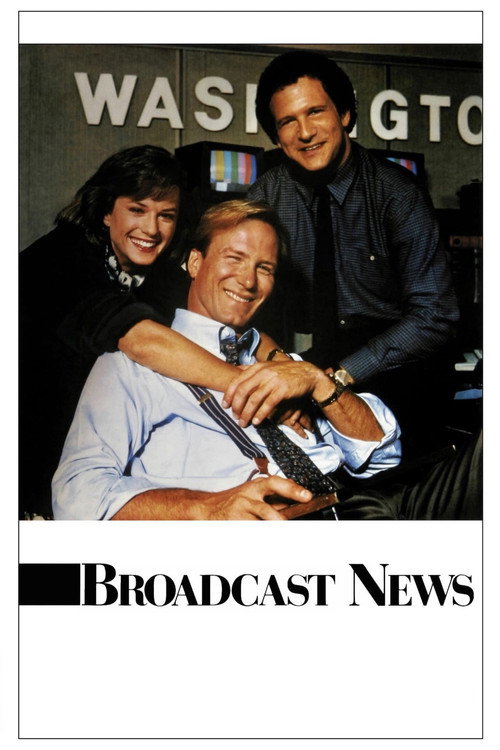
Broadcast News1987
James L. Brooks takes the same newsroom battlefield and finds the comedy and heartbreak inside it, with a love triangle standing in for the fight between substance and spectacle. Warmer than Lumet, but just as sharp about what television actually rewards.
But It's a romantic comedy at heart, so if you wanted pure rage and satire, this softer register may feel like a comedown.
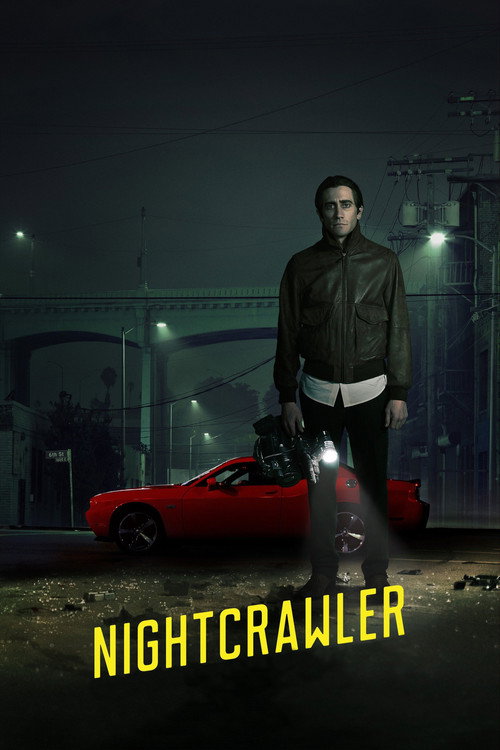
Nightcrawler2014
Jake Gyllenhaal's freelance cameraman chases blood for local news the way Diana Christensen chased ratings — with total, gleeful amorality. It's Network's cynicism about what audiences want, shot as a nocturnal thriller with teeth.
But It's genuinely unpleasant and stays that way; there's little of Network's dark humor to leaven the queasiness.
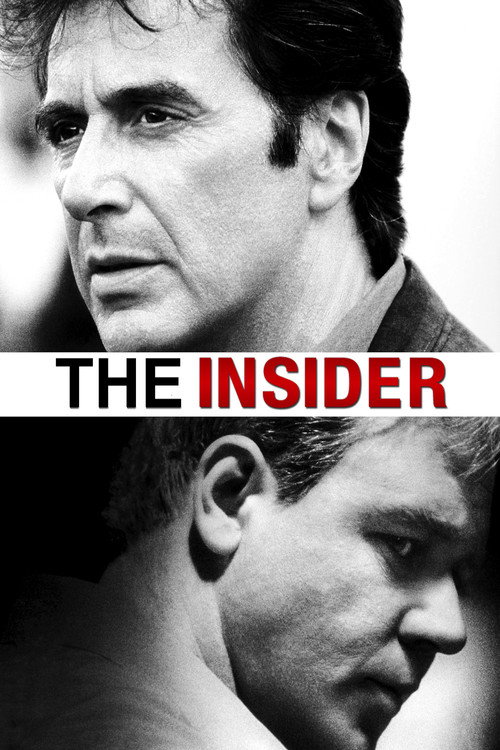
The Insider1999
Michael Mann's account of a whistleblower and a 60 Minutes producer fighting corporate suppression is Network's nightmare made real and procedural. Pacino and Crowe carry two and a half hours that never feel padded.
But It's long, serious, and methodical where Network is theatrical and fast — a very different kind of intensity.
The wildcard
Something you would not have found on your own.
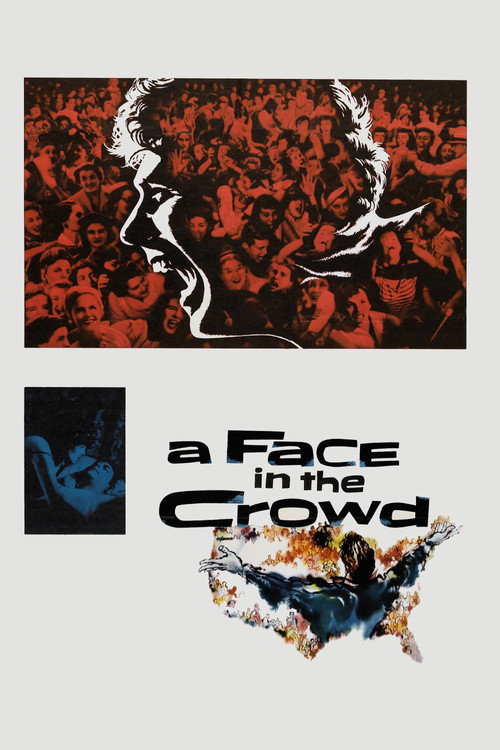
A Face in the Crowd1957
Same diagnosis, delivered a generation earlier: television doesn't just report a demagogue, it manufactures one, and the audience is complicit both times.
Andy Griffith, decades before Mayberry, plays a folksy drifter turned demagogic TV star who realizes he can say anything and be believed. Kazan's black-and-white film nailed the mechanics of manufactured charisma twenty years before Chayefsky did.
But The pacing and moralizing are very much of their era; it can feel stagier and more didactic than Network's slicker satire.
More like this (8)
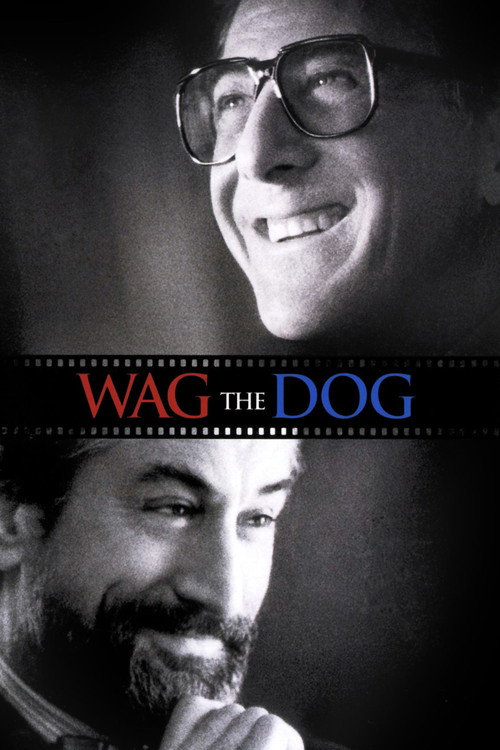
Wag the Dog1997
A spin doctor and a producer invent a war to distract from a scandal, and the satire lands with the same gleeful cynicism Chayefsky brought to network news. Tight, funny, and a little too plausible.
But It's slighter and more of a farce; don't expect Network's operatic scale or its darker undertow.
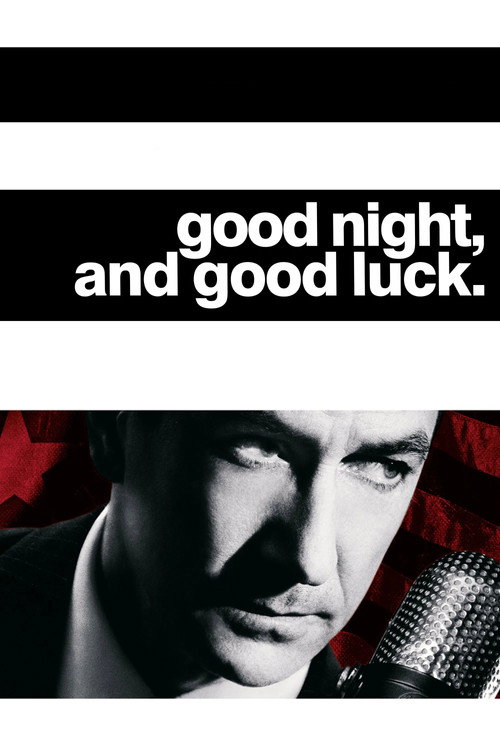
Good Night, and Good Luck.2005
George Clooney's black-and-white portrait of Edward R. Murrow facing down McCarthy is Network's inverse — journalism as courage instead of collapse. A useful, sobering companion piece about what television could have been.
But It's restrained and quiet, almost the opposite of Network's volume; if you want fireworks, this isn't it.
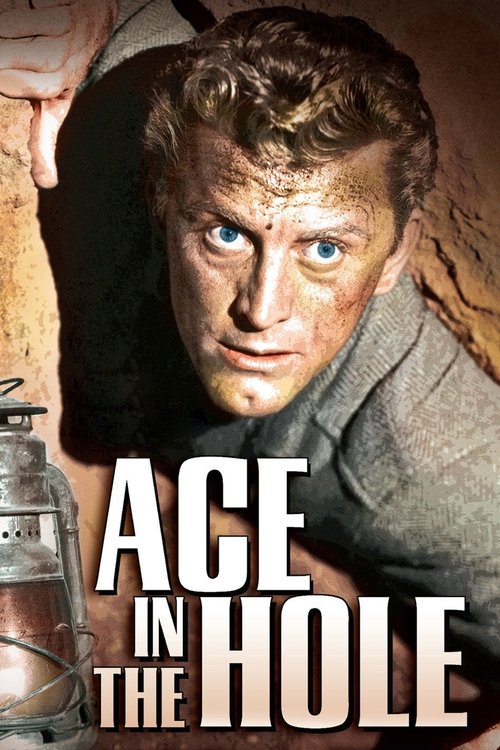
Ace in the Hole1951
Billy Wilder got here first: a reporter turns a man's slow death into a media circus. Kirk Douglas is magnetic and repulsive, and the film's disgust with its own audience predates Network by twenty-five years.
But It's bleaker and colder, with none of Network's absurdist comic relief — a genuinely punishing watch.
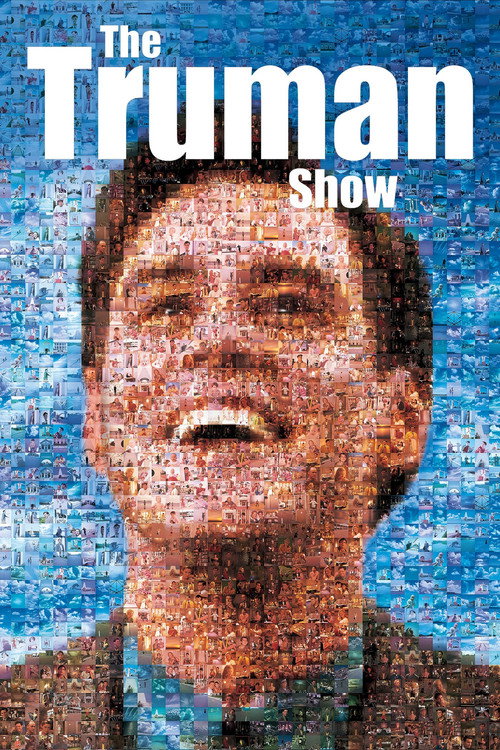
The Truman Show1998
Peter Weir's fable about a man whose entire life is a ratings-driven broadcast pushes Network's central question — what will people watch, and why — into pure high concept. Funnier and gentler, but the target is the same.
But The satire is softer and more sentimental; it wants you to feel hope where Network only wants you to feel dread.
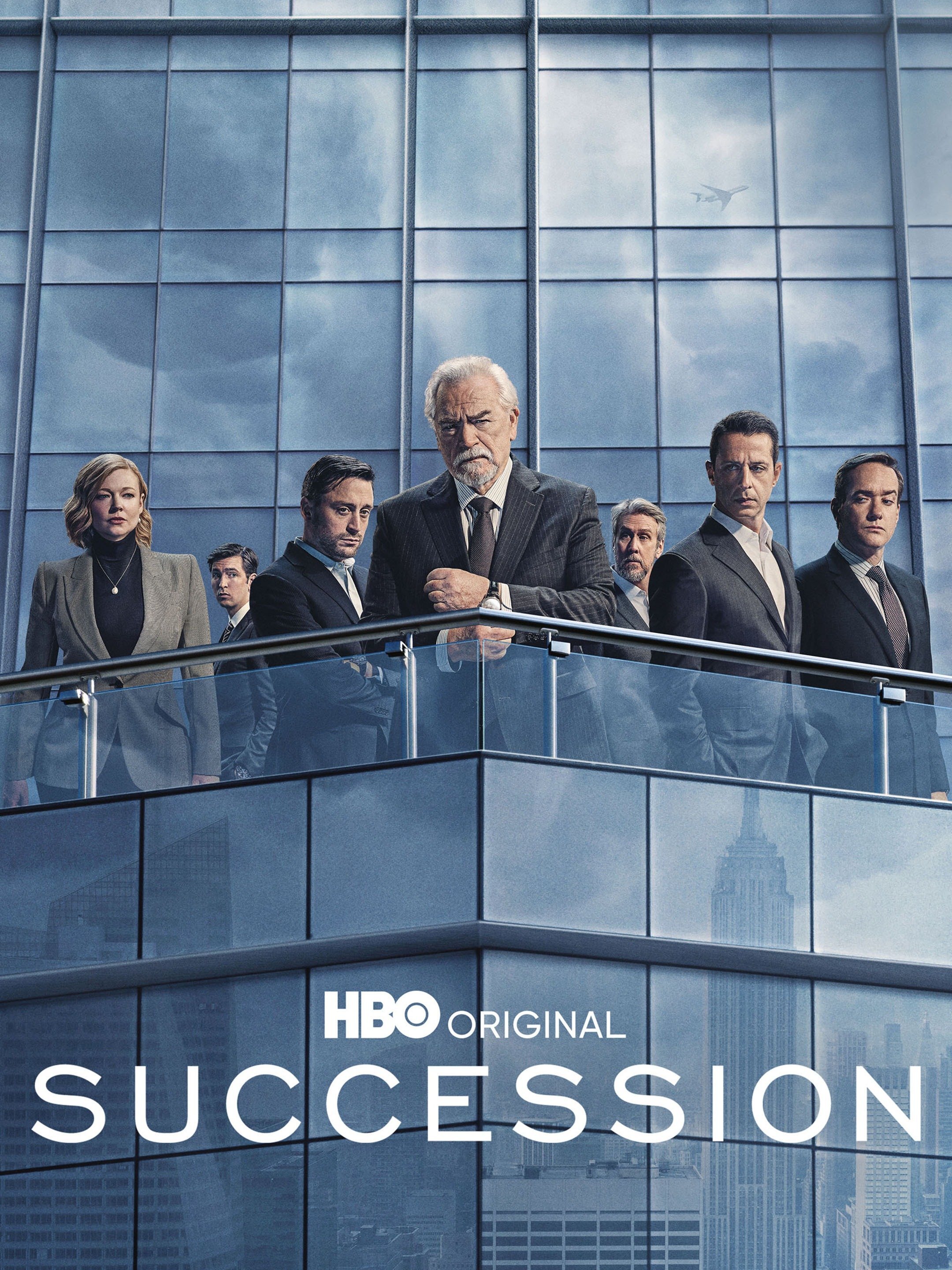
Succession2018
A media dynasty eats itself alive over four seasons of boardroom knives and on-air propaganda, with the same appetite for watching powerful people debase themselves for market share. Diana Christensen would recognize every character.
But It's a much longer commitment, and its pleasures are slower-building and more soap-operatic than Network's blunt-force satire.
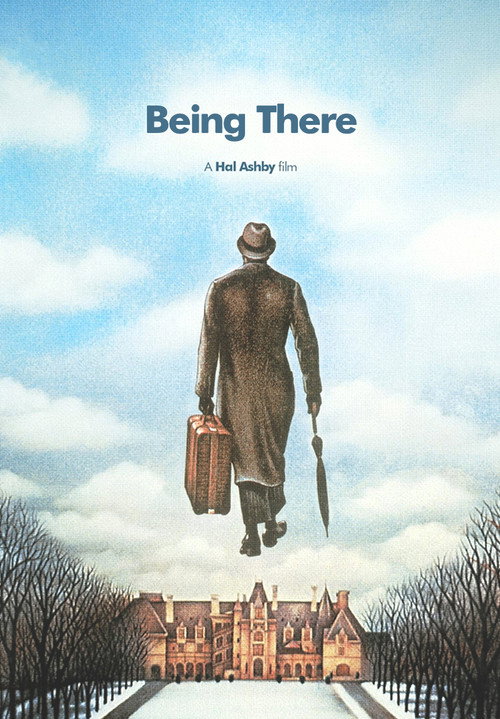
Being There1979
Peter Sellers plays a simpleton mistaken for a sage because television makes profundity out of anyone with a calm delivery — a quieter, stranger cousin to Beale's on-air messiah act.
But It's deadpan and slow where Network is loud and fast; the satire whispers instead of shouting.
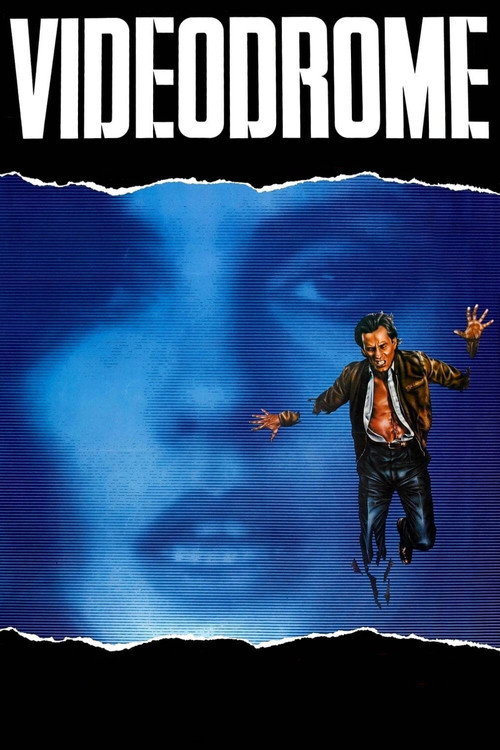
Videodrome1983
Both films treat television as a force that colonizes the body and mind of everyone who watches; Cronenberg just refuses to keep it metaphorical.
Cronenberg takes Network's anxiety about television rewiring the human mind and makes it literal — flesh, hallucination, a cable signal that mutates its viewers. James Woods is superb as a man dissolving into his own broadcast.
But It's body horror, gooey and explicit, a long way from Network's boardroom dialogue and suits — not for the squeamish.
Perfect Blue1998
Where Beale is consumed by ratings, this idol is consumed by the same mechanism in a different industry and medium — the audience's appetite as the real villain, drawn instead of filmed.
A Japanese animated psychological thriller about a pop idol losing her grip on reality as her public and private selves are consumed by an audience that owns her image. It's Network's fame-as-erosion idea rendered as unsettling, gorgeous animation.
But It's anime, subtitled, and genuinely frightening in a hallucinatory way — a big tonal and formal leap from Lumet's boardrooms.

People
Cast
 Faye DunawayDiana Christensen
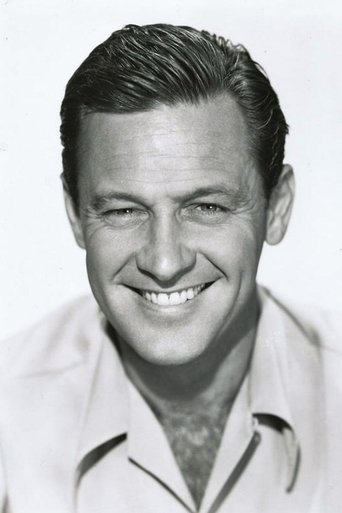 William HoldenMax Schumacher
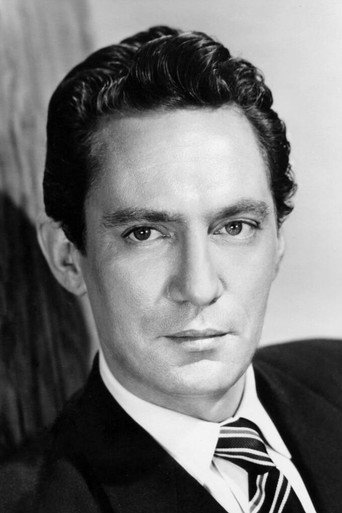 Peter FinchHoward Beale
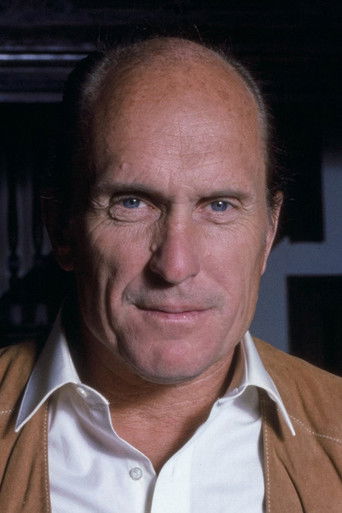 Robert DuvallFrank Hackett
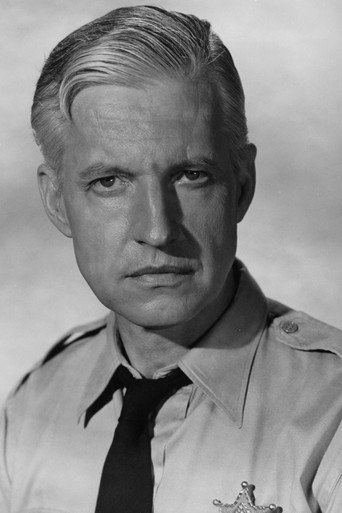 Wesley AddyNelson Chaney
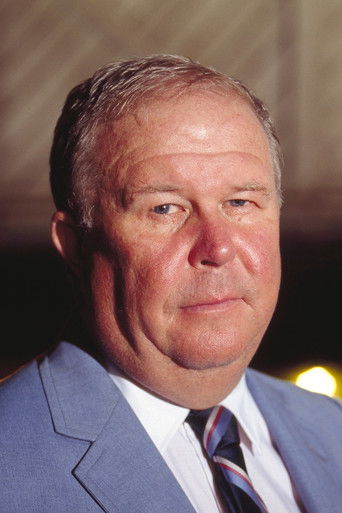 Ned BeattyArthur Jensen
 Arthur BurghardtGreat Ahmed Kahn
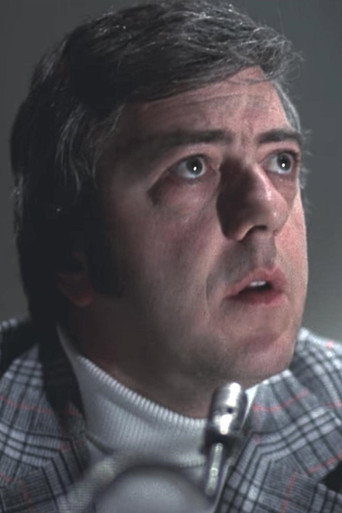 Bill BurrowsTV Director
- John CarpenterGeorge Bosch
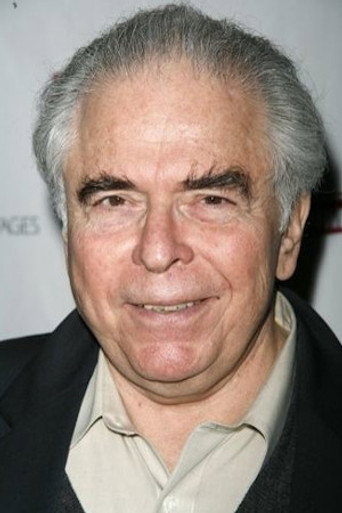 Jordan CharneyHarry Hunter
 Kathy CronkiteMary Ann Gifford
- Ed CrowleyJoe Donnelly
Directing
- Sidney LumetDirector
- Alan HopkinsFirst Assistant Director
- Peter R. ScoppaFirst Assistant Director
- Kay ChapinScript Supervisor
- Ralph S. SingletonSecond Assistant Director
Writing
- Paddy ChayefskyWriter
Production
- Fred C. CarusoAssociate Producer
- Juliet TaylorCasting
- John H. StarkeLocation Coordinator
- Howard GottfriedProducer
- Susan B. LandauProduction Assistant
- Howard NewmanPublicist
Recommended by
Wayne's World, Fight Club, Nightcrawler, Anchorman: The Legend of Ron Burgundy, Citizen Kane, The Great Hack, The Social Dilemma, A Face in the Crowd, The China Syndrome, The Eichmann Show, The Newsroom, Dr. Strangelove or: How I Learned to Stop Worrying and Love the Bomb, Broadcast News, Deadline - U.S.A., All the King's Men, Elmer Gantry, Don't Look Up, The Truman Show, Marty, Sweet Smell of Success, Natural Born Killers, Medium Cool, Glengarry Glen Ross, Idiocracy, Ace in the Hole, The Day Today, Videodrome, UnREAL, Bombshell, Nashville, Wag the Dog, Goodyear Television Playhouse, Lou Grant, The Colbert Report, That Was the Week That Was, The Hospital, The King of Comedy, Beavis and Butt-Head, Miss Sloane, Dog Day Afternoon, Enlightened, Studio 60 on the Sunset Strip, The Running Man, Meet John Doe, Not the Nine O'Clock News, The Loved One, Being There, Gremlins 2: The New Batch, Rollerball, Talk Radio, The Morning Show, HyperNormalisation, Frontline