
Film
Wild in the Streets
A 1968 pop-rock satire about a teenage rock star who orchestrates a political takeover by lowering voting age to 15, then discovers that youth in power is just as corruptible as age. It's fever-dream camp that mistakes its own audacity for insight, but moves with genuine kinetic energy and features an early Richard Pryor turn. For anyone curious about how '60s counterculture imagined its own downfall.
If you liked this
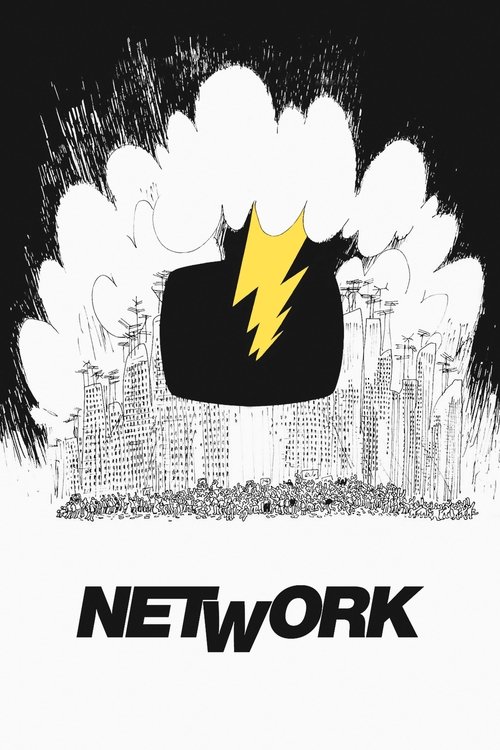
Network1976
Sidney Lumet's scathing media satire channels the same anarchic outrage at institutions and systems, with a protagonist who rides populist fervor to terrifying heights. Chayefsky's script crackles with prescient contempt.
But It's a hectoring film that's sure of its own righteousness in a way that can feel exhausting. The sermon sometimes overtakes the story.
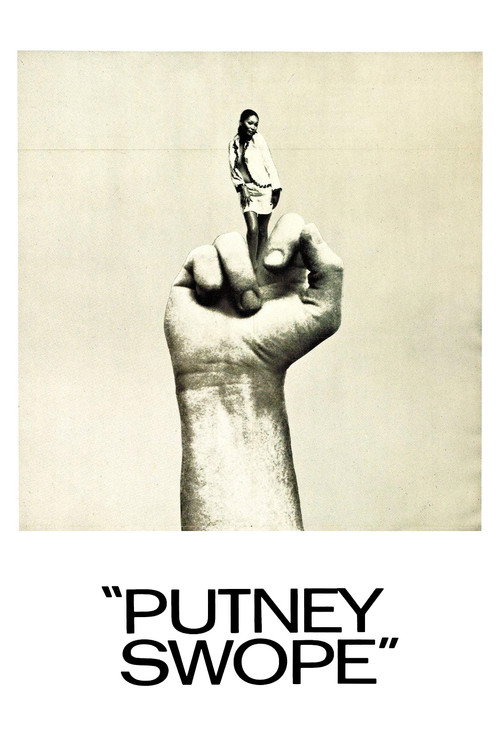
Putney Swope1969
Robert Downey Sr.'s absurdist race-politics satire about what happens when power suddenly inverts. Same era, same hallucinogenic logic, same acid-trip pacing. A genuine underground classic that swings for the same fence.
But The humour is deliberately alienating and the film stock makes it hard to watch. It has no interest in being likeable.
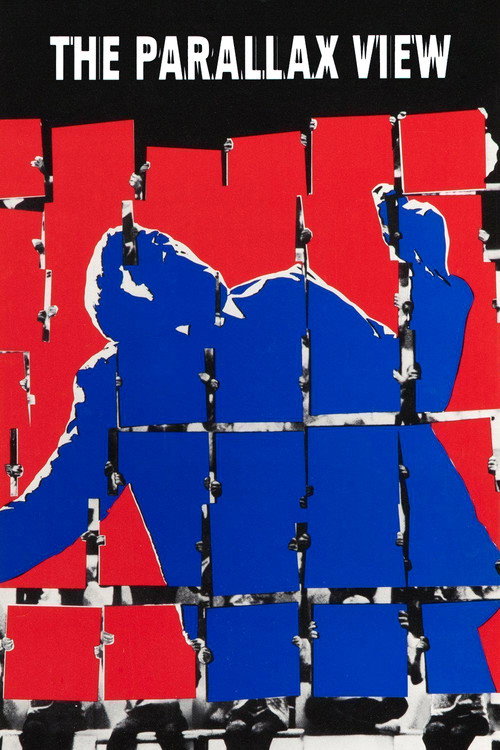
The Parallax View1974
Another '70s paranoia thriller where institutions prey on idealistic youth, and power corrupts whoever grasps it. Pakula builds dread where Wild in the Streets builds spectacle, but they're asking similar questions.
But It's a slow-burn conspiracy thriller, not a rock opera. If you want electricity and music you'll be disappointed.
Not sure tonight? Get a pick in a minute, starting from Wild in the Streets
The wildcard
Something you would not have found on your own.
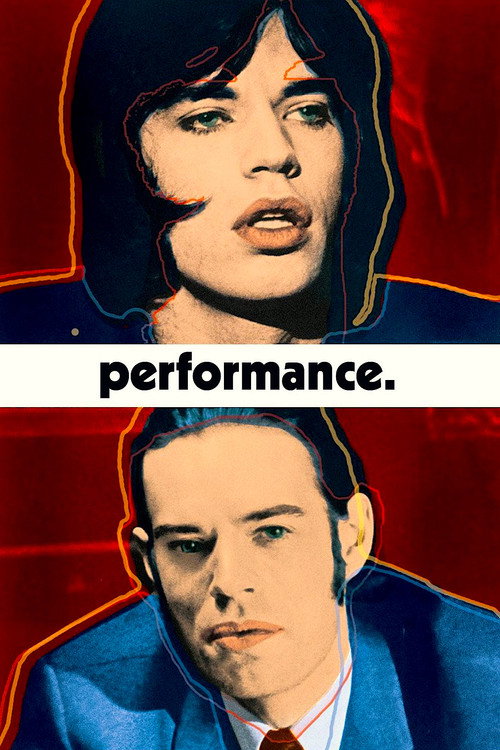
Performance.1970
Both films treat rock stardom as a transformative and corrupting force—Wild in the Streets plays it for laughs, Performance makes it genuinely hallucinogenic and disturbing. Two versions of the same fever.
Nic Roeg and Donald Cammell's baroque fever-dream where a rock star and a fugitive swap identities and souls. It shares Wild in the Streets' obsession with rock as avatar of chaotic power, but renders it as genuine psychological horror and eroticism rather than satire.
But It's deliberately obscure, sexually explicit, and hostile to interpretation. The narrative dissolves halfway through. This is not entertainment in the conventional sense.
More like this (7)
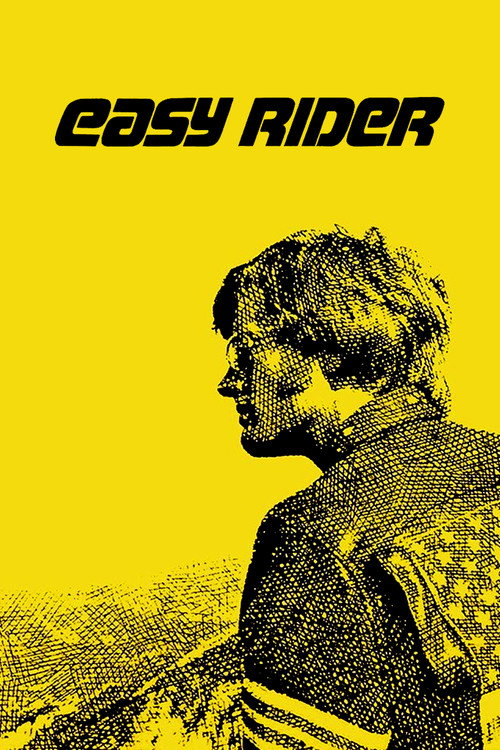
Easy Rider1969
The countercultural dream confronting American reality, made the same year the counterculture discovered it could become as violent and intolerant as what it replaced. Both films document a generation's first hangover.
But It's elegiac and meditative rather than satirical. The tone is completely different, even if the moral territory overlaps.
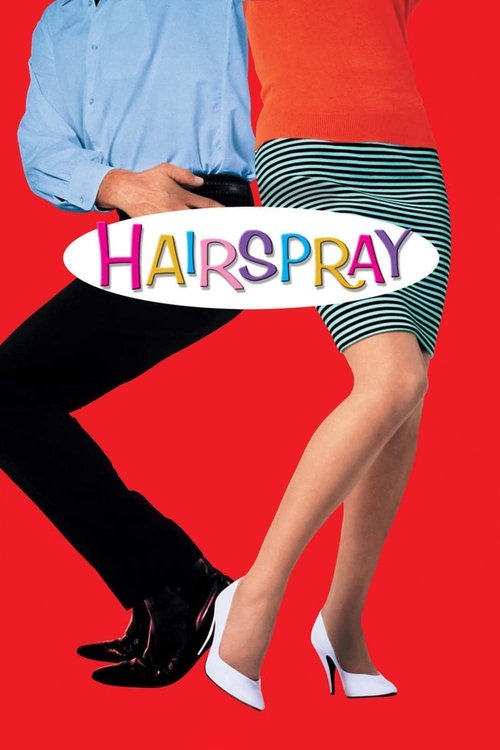
Hairspray1988
John Waters' pop-music satire about generational upheaval and dance-floor politics. Camp, energetic, genuinely funny, and it actually likes its characters even while skewering them. Waters learned from '60s satires and made something warmer.
But It's deliberately trashy and the musical numbers are deliberately amateurish. If you want polish, look elsewhere.
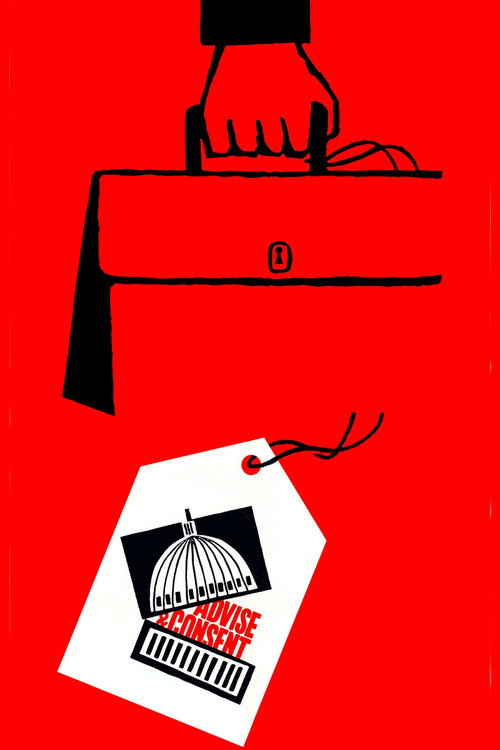
Advise & Consent1962
Otto Preminger's Washington thriller about the young idealistic senator and the corruption lurking in institutional power. It's the serious version of Wild in the Streets' premise—what happens when new blood enters the system.
But It's a procedural political drama from 1962. There's no electricity, no music, no spectacle. It moves at diplomatic pace.
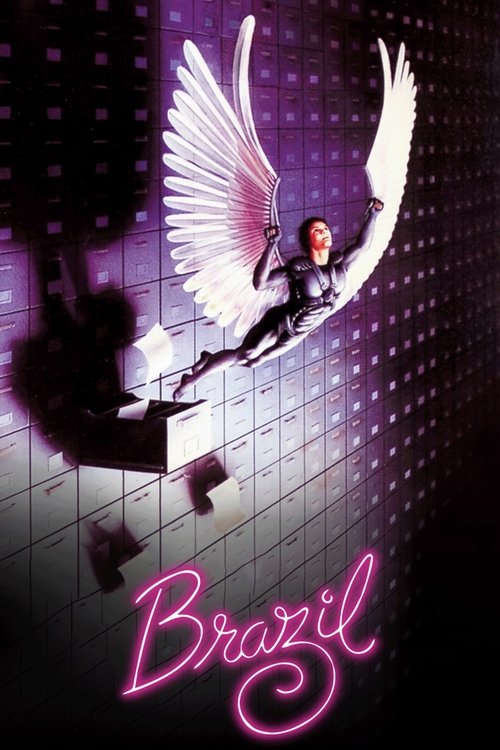
Brazil1985
Terry Gilliam's dystopian farce about a well-meaning bureaucrat whose small act of rebellion gets absorbed into a totalitarian machine. Shares Wild in the Streets' dark joke about how revolution becomes oppression.
But It's visually overwhelming and structurally chaotic. Gilliam throws everything at the screen; some will find it exhilarating, others exhausting.
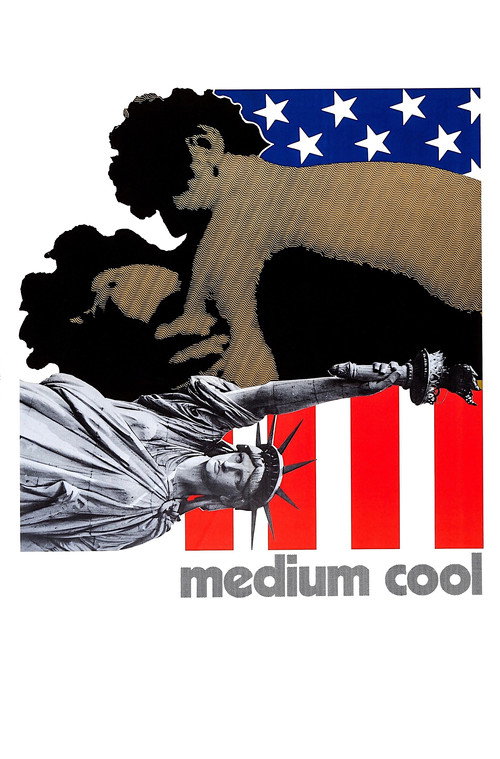
Medium Cool1969
Haskell Wexler's experimental film about media, youth, and the 1968 Chicago riots—shot partly during the actual convention. It captures the same moment of generational confrontation with documentary urgency.
But It's formally challenging and doesn't follow conventional narrative. The politics can feel dated and the pacing uneven.
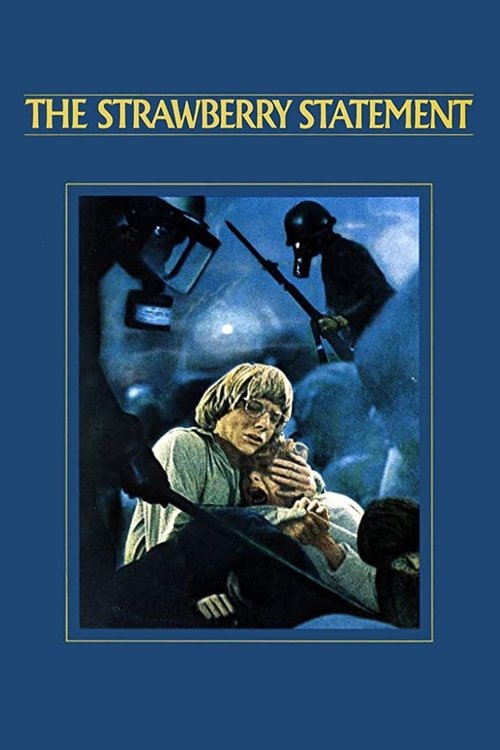
The Strawberry Statement1970
A campus radical romance caught in student protest: another '70s reckoning with '60s idealism. It treats its characters with more sympathy than Wild in the Streets does, but asks comparable questions about power and compromise.
But It's earnest where Wild in the Streets is arch, and often maudlin. The love story can feel like a distraction from the politics it's supposedly about.
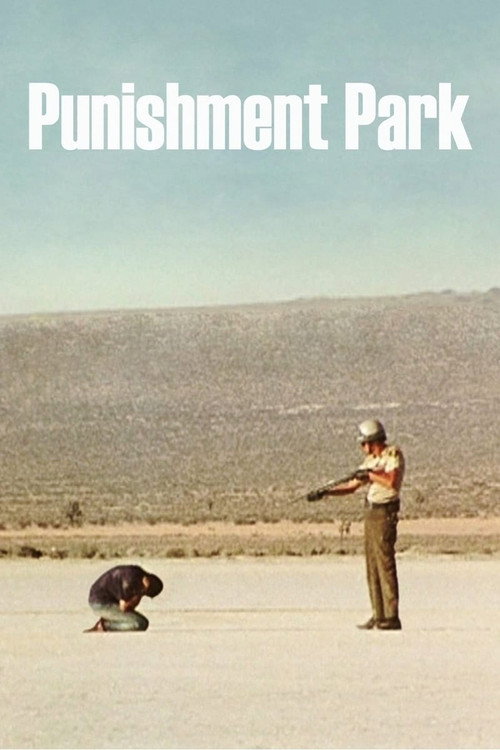
Punishment Park1971
Both ask what happens when the disenfranchised seize power—but where Wild in the Streets treats it as satirical chaos, Punishment Park asks whether the cycle of oppression is actually mechanical and inevitable.
Peter Watkins' pseudo-documentary about a dystopian America rounding up political dissidents into a lethal game. It's Wild in the Streets' dark logic taken to its logical end: if youth takeover leads to oppression, what's the next chapter? Unbearably tense.
But It's raw, bleak, and designed to disturb rather than entertain. The found-footage aesthetic and handheld camera can feel gimmicky. Very little levity.
People
Cast
 Shelley WintersMrs. Max Flatow (Frost)
 Christopher JonesMax (Flatow) Frost
 Diane VarsiSally LeRoy
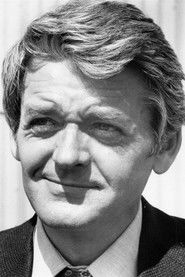 Hal HolbrookSenator Fergus
 Millie PerkinsMrs. Fergus
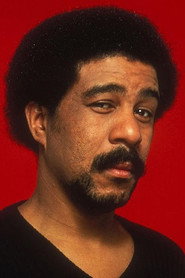 Richard PryorStanley X
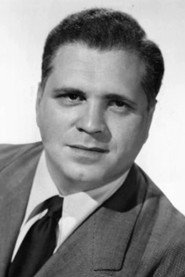 Bert FreedMax Jacob Flatow, Sr.
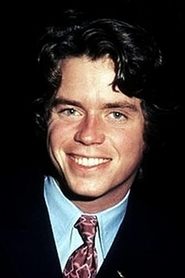 Kevin CoughlinBilly Cage
 Larry BishopThe Hook
 May IshiharaFuji Elly
 Salli SachseHippie Mother
 Kellie FlanaganMary Fergus
Directing
- Barry ShearDirector
Writing
- Robert ThomNovel
- Robert ThomScreenplay
Production
- Burt TopperExecutive Producer
- James H. NicholsonProducer
- Samuel Z. ArkoffProducer