
Film
The Strawberry Statement
A 1970 film about a college student who drifts into campus activism during the tumultuous early '70s, discovering genuine conviction amid the chaos of protest and romance. It captures the idealism and confusion of youth caught between personal desire and political awakening, with a documentary-like authenticity that feels lived-in rather than polished.
If you liked this
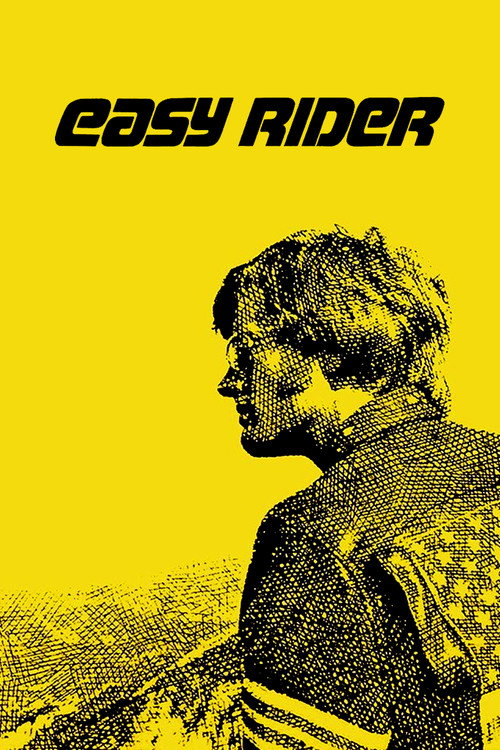
Easy Rider1969
Definitive portrait of '60s counterculture freedom and disillusionment. Two bikers cross America searching for something real, encountering the same generational collision between ideals and brutal reality that drives The Strawberry Statement.
But Languid pacing and sparse dialogue won't appeal to viewers who need conventional plot momentum. Some sequences feel more like a mood piece than a narrative.
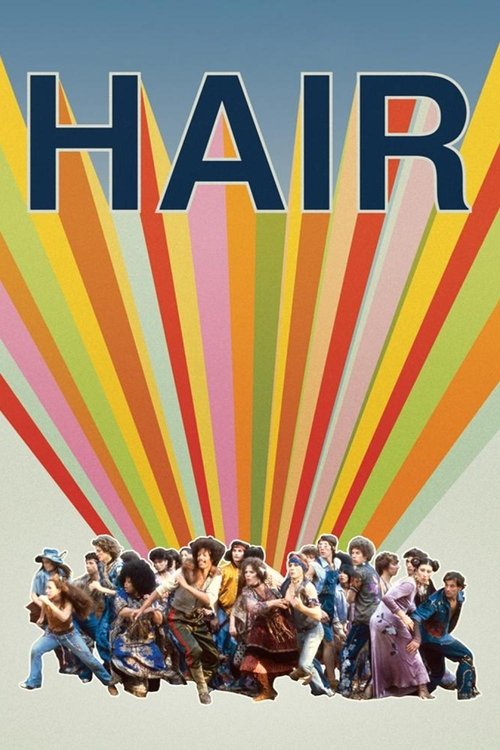
Hair1979
A young draftee gets swept up in the New York hippie scene through friendship and romance, torn between personal connection and political conscience. Shares the same bittersweet collision of youthful idealism with the real world.
But A musical adaptation of a stage play; the theatrical flourishes and sudden song numbers might feel dated or jarring if you're not prepared for the format.
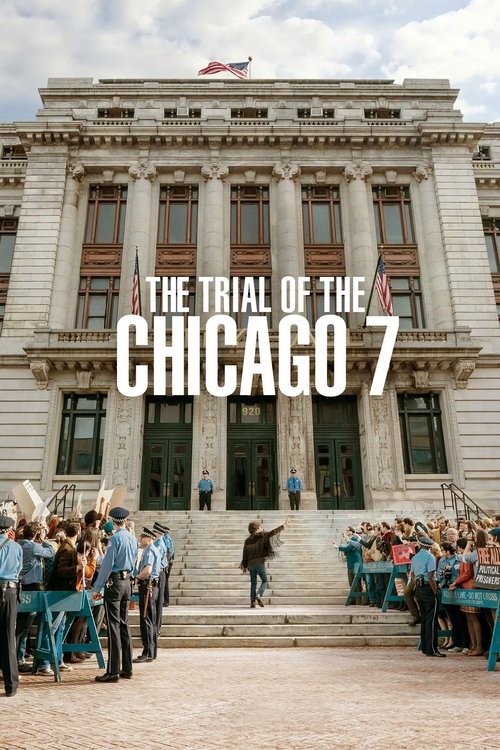
The Trial of the Chicago 72020
A gripping courtroom drama about real activists from the same era who fought the system. Captures the intellectual and moral stakes of '60s protest with fierce energy and contemporary clarity.
But Stylish and deliberately constructed; it's more of a legal thriller than a ground-level character study, so it trades authenticity for dramatic shape.
Not sure tonight? Get a pick in a minute, starting from The Strawberry Statement
The wildcard
Something you would not have found on your own.
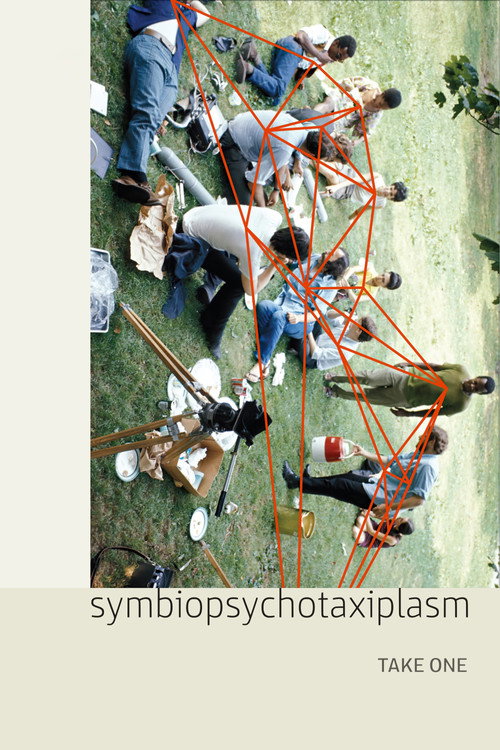
Symbiopsychotaxiplasm: Take One1968
Both are documents of 1968-70 cinema grappling with revolution not as plot but as a lived condition that makes normal storytelling impossible. One captures the experience from inside activism; the other captures the camera itself becoming a weapon and obstacle.
William Greaves films a scene in Central Park while filming the people filming it, creating a dizzying hall of mirrors about observation, authority, and who controls the narrative. Shot in the same New York at the same moment as The Strawberry Statement, but it's a revolutionary act of radical cinema about revolution itself.
But Bewilderingly meta and often incoherent; there's no clear story. It asks you to think about the nature of film while watching, which can feel exhausting rather than enlightening.
More like this (8)
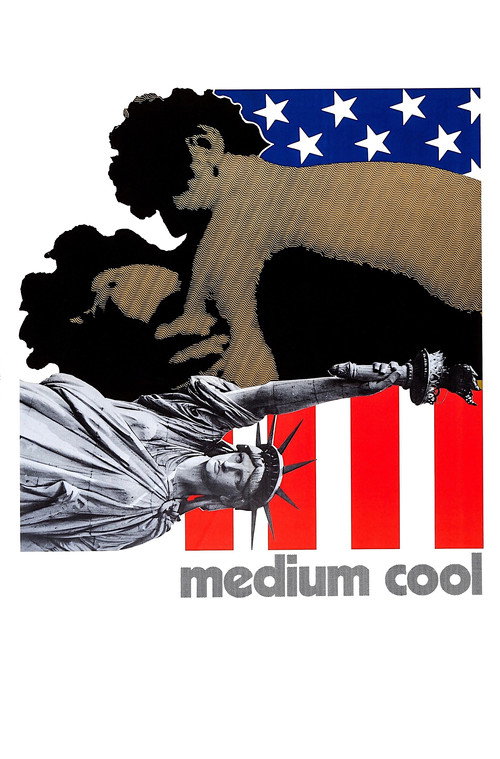
Medium Cool1969
A cameraman covering the 1968 Democratic Convention finds his professional detachment shattered by real violence and real people. The same question: can you stay a spectator when the stakes become undeniable?
But Deliberately fractured and experimental; the narrative dissolves to make room for documentary footage and thematic ambiguity. Demands an active, patient viewer.
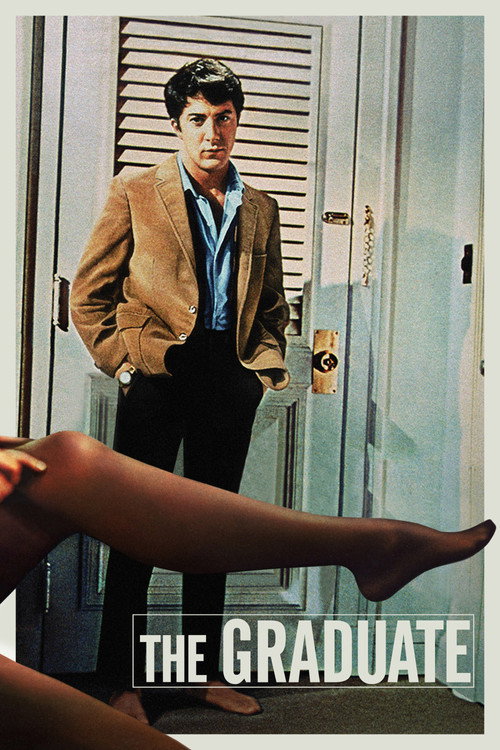
The Graduate1967
A young man adrift after college, seduced by older women and conventional success, suddenly chooses authentic desire over what he's supposed to want. The same generational unease, but from inside the establishment.
But Famous and familiar now; the early '70s saw it copied constantly. It's also much sleeker and more comedic than The Strawberry Statement's rougher tone.
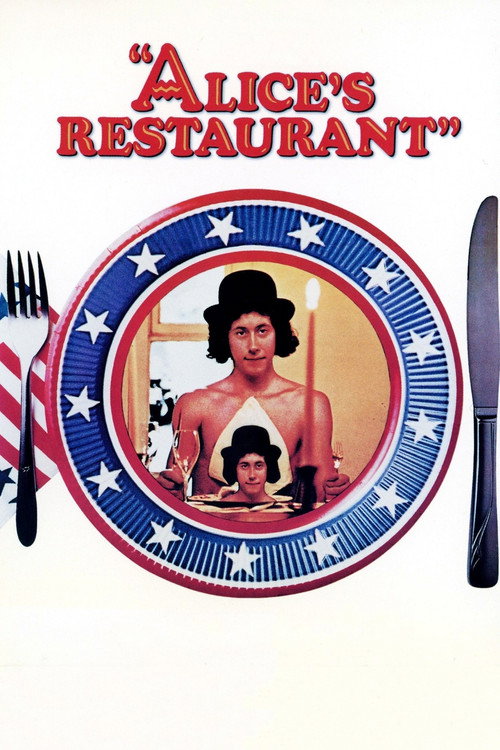
Alice's Restaurant1969
Arlo Guthrie's rambling counterculture odyssey, loosely strung around a single song. Captures the loose, community-minded spirit of activism and belonging that draws people together in the film.
But Barely a plot at all—it's more of a tone poem and social document. Long stretches feel like you're just hanging out with people, which is the point and also the limitation.
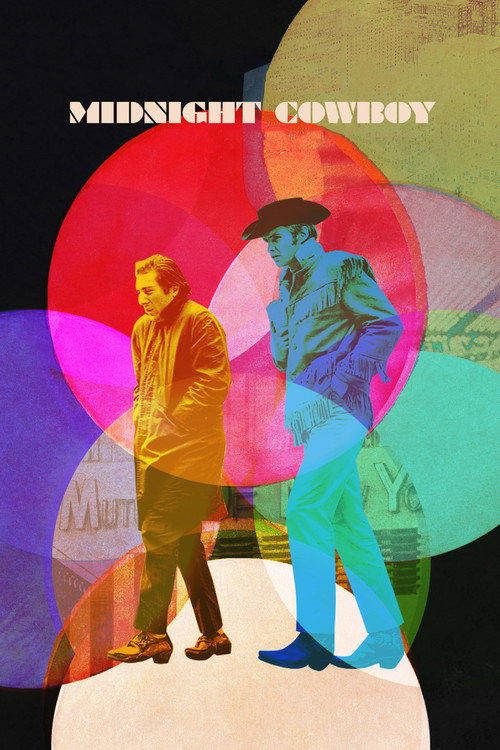
Midnight Cowboy1969
A young man arrives in New York with romantic ideals and is systematically corrupted by urban reality. The inverse journey: not radicalization but disillusionment, same city, same era, different doors.
But Dark, predatory, and sexually explicit. It's a portrait of exploitation and moral collapse, not a coming-of-age tale. Bleak in ways that don't offer uplift.
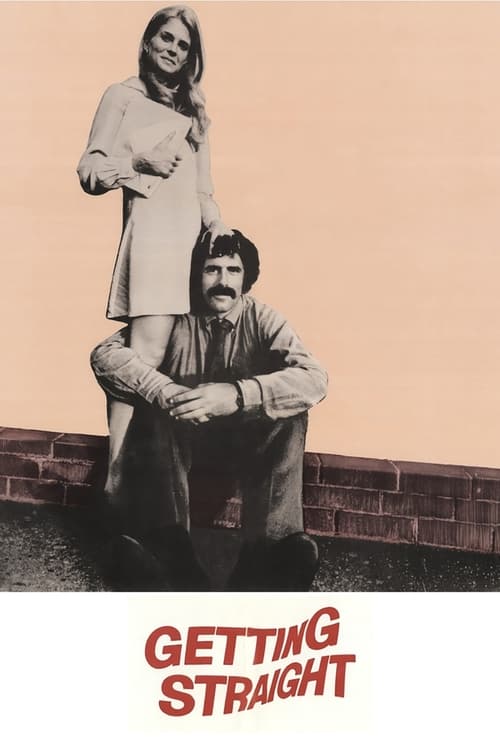
Getting Straight1970
A Vietnam vet returns to college during massive campus unrest, caught between radical students and conservative faculty. Made the same year, it grapples with the identical tensions between activism and accommodation.
But Uneven tone—shifts between comedy, drama, and action sequences without always landing cleanly. The film seems uncertain what it wants to say.
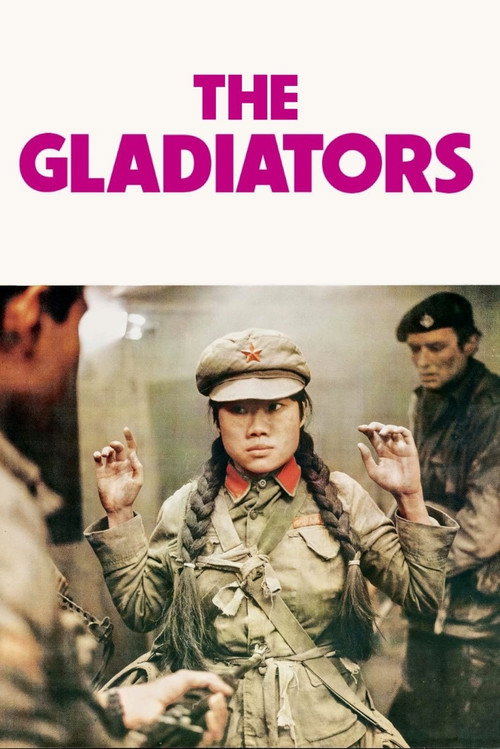
The Gladiators1969
A Swedish film about rival student factions engaging in ritualized violence as political theater. Darkly surreal take on youthful ideological passion and the spectacle of protest.
But Experimental and abstract; the allegory matters more than character or plot. Not in English, and won't satisfy if you want emotional realism or clear narrative purpose.
La Haine1995
Both follow young men drawn into confrontation with authority, but La Haine strips away the romance and nostalgia to ask what radicalism looks like when you have no stake in the system at all—when it's not a choice, it's survival.
A ferocious black-and-white portrait of three young men in a French housing project, their day spiraling toward inevitable violence. Shot with poetry and rage, it shows marginalized youth whose anger at the system is earned and terrifying.
But Much harder, much angrier, much more violent. The Strawberry Statement is about romantics discovering passion; La Haine is about people with nothing to lose discovering that rage.

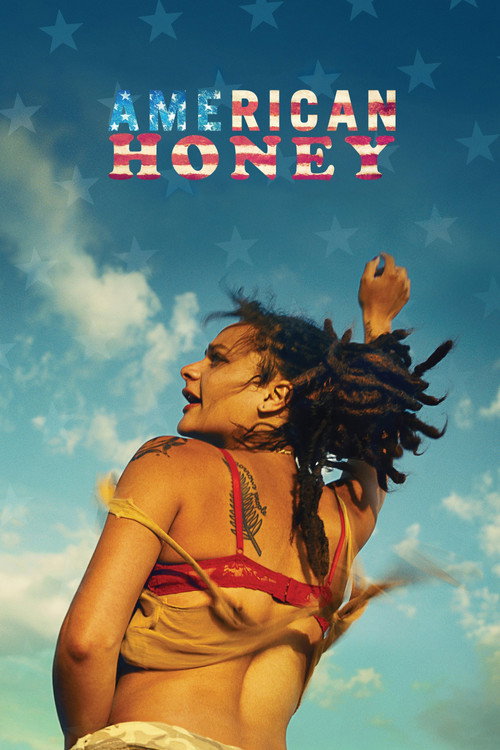
American Honey2016
Both are portraits of young people attracted to a community and a way of living that promises freedom but offers its own forms of entrapment. Where The Strawberry Statement is idealistic, American Honey is materialist—but both love the kids trying to escape.
A wandering young woman joins a traveling magazine sales crew and falls into a chaotic subculture of misfits, sleaze, and unexpected tenderness. Nearly three hours of pure immersion in youth adrift, shot with documentary immediacy and genuine affection for people society has written off.
But Structureless and slow; it's essentially a mood and a milieu rather than a plot. Some viewers will find it formless and indulgent, not a story but surveillance.
People
Cast
 Bruce DavisonSimon
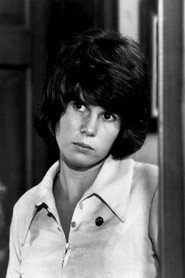 Kim DarbyLinda
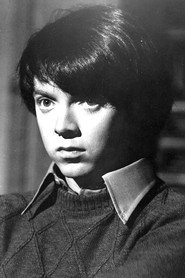 Bud CortElliot
- Murray MacLeodGeorge
- Tom ForalCoach
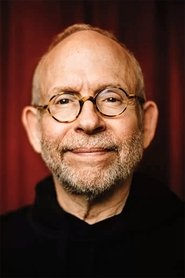 Bob BalabanElliot
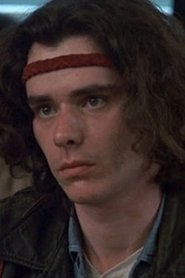 Michael MargottaSwatch
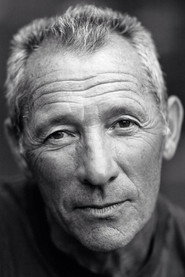 Israel HorovitzDr. Benton
- James KunenChairman
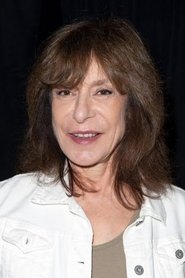 Jeannie BerlinGirl with Clipboard
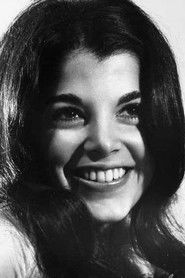 Carol BagdasarianGirl on Telephone
- Jon HillStudent
Directing
- Stuart HagmannDirector
Writing
- James KunenNovel
- Israel HorovitzScreenplay
Production
- Irwin WinklerProducer
- Robert ChartoffProducer
Recommended by
The Harrad Experiment, O. Henry's Full House, R.P.M., Riot on Sunset Strip, Wild in the Streets