
Film
Riot on Sunset Strip
A 1967 cop drama about generational collision on the Sunset Strip, where a police captain navigates between angry shopkeepers and restless youth. It's a genuinely conflicted film—not pro-cop, not pro-punk, genuinely troubled by its own moment. Watchable as period artifact and as a sincere attempt to dramatize the gap between what adults and kids actually wanted from each other.
If you liked this
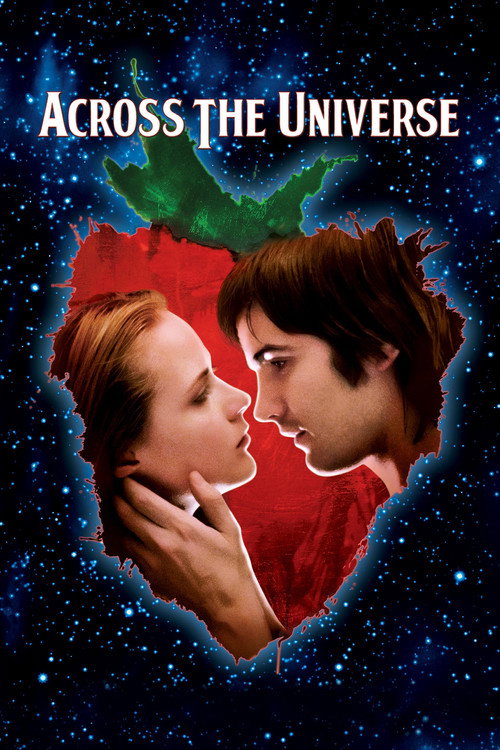
Across the Universe2007
Julie Taymor's maximalist Beatles-powered sixties epic about young people refusing to accept the world they inherited. Visually extraordinary, emotionally raw, built on the same conviction that generational conflict matters.
But It's aggressively stylized and very long, and the plot—Vietnam, love, protest—can feel submerged beneath the spectacle of it all.
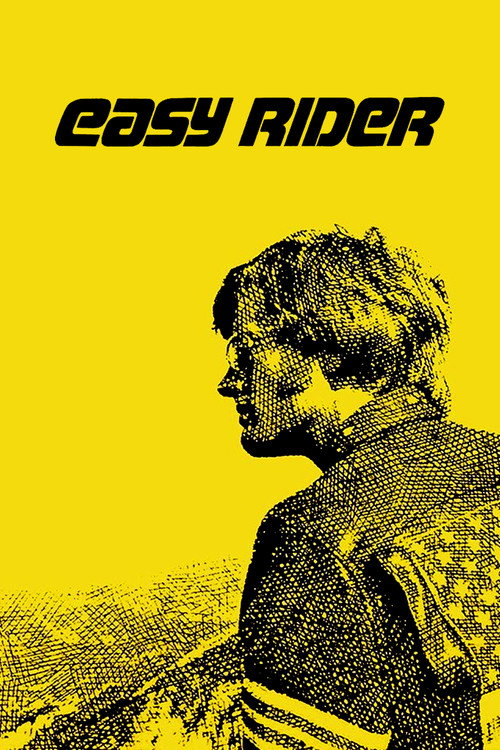
Easy Rider1969
Two years later and it nails the same territory with infinitely more bite: what happens when youth culture actually meets middle America. Gorgeously shot, genuinely dangerous-feeling, and it stays with you.
But Slower and stranger than its reputation suggests, with a famous ending that doesn't feel like an ending. Also pretty bleak.
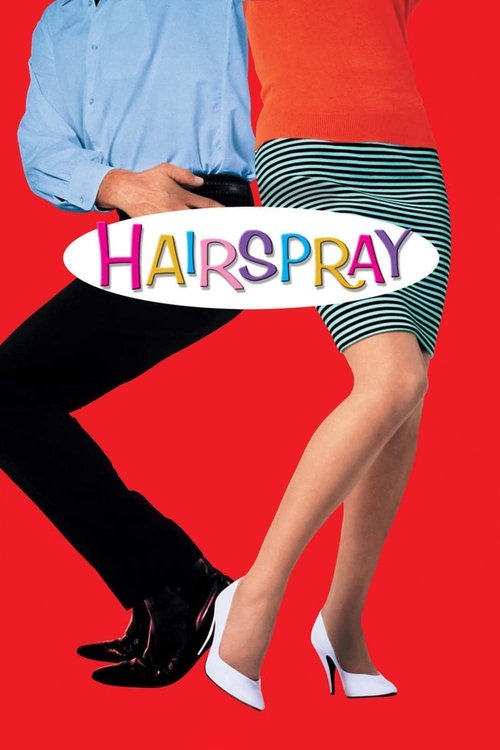
Hairspray1988
John Waters' gleeful take on sixties Baltimore where the real conflict isn't generational—it's racial integration on a dance TV show. Funny, weird, made with genuine affection for its square characters and rebellious ones alike.
But Waters' sensibility isn't for everyone. It's low-budget trashy on purpose, which some find liberating and others find annoying.
Not sure tonight? Get a pick in a minute, starting from Riot on Sunset Strip
The wildcard
Something you would not have found on your own.
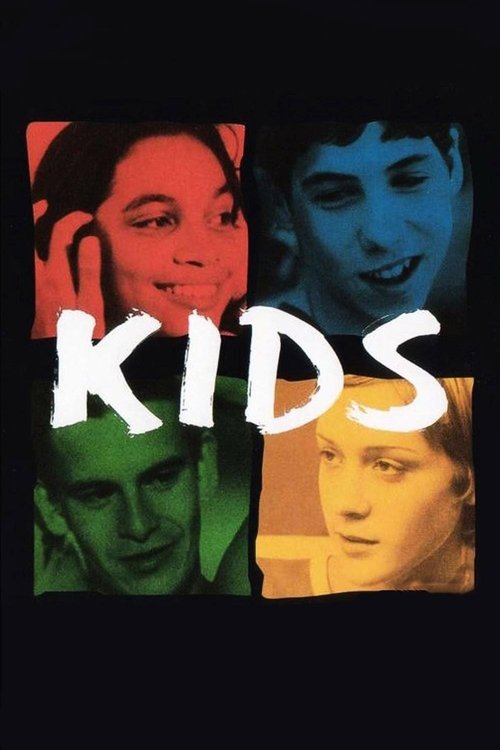
Kids1995
Both films refuse to look away from young people as they actually were—not as symbols, not as the future, but as a problem everyone wants solved. Both respect them by not lying.
Gus Van Sant's documentary-realist look at New York skaters and street kids doing exactly what they want. It's Sunset Strip's kids thirty years later, grown up or not. Brutal, unsentimental, shot like found footage.
But Extremely bleak about disease, crime, and predation. No redemption arc, no learning moment. Some people find it unwatchable.
More like this (8)
The Strawberry Statement1970
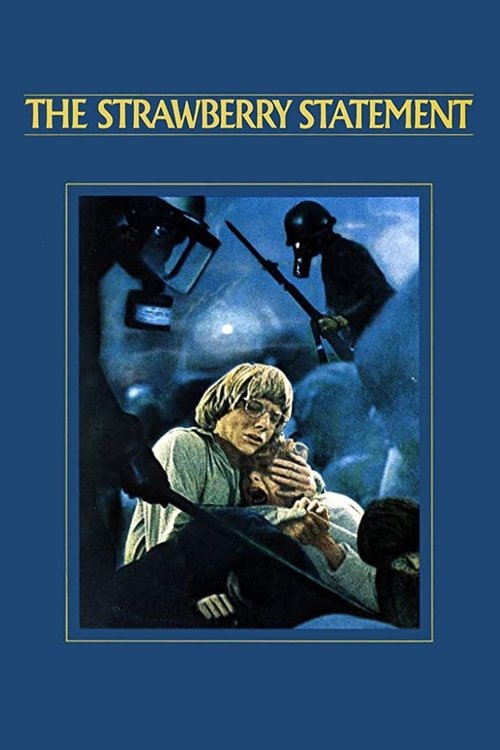
Columbia student gets caught up in protests and falls in love, and the film treats both seriously without choosing a side. Bruce Davison is perfect: caught, uncertain, learning.
But Earnest in a way that feels dated now. The romance undercuts the politics in ways that younger viewers might find frustrating.
Midnight Cowboy1969
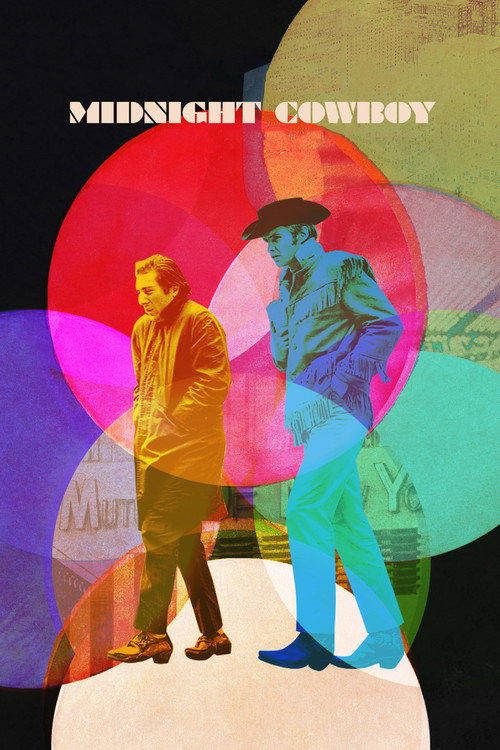
A different youth-on-the-street story: Schlesinger's look at a runaway kid in New York is pitiless, sexy, and genuinely tragic. Jon Voight is extraordinary.
But It's bleak and sexually uncomfortable and doesn't offer uplift. Some scenes are hard to sit with, intentionally.
The Graduate1967
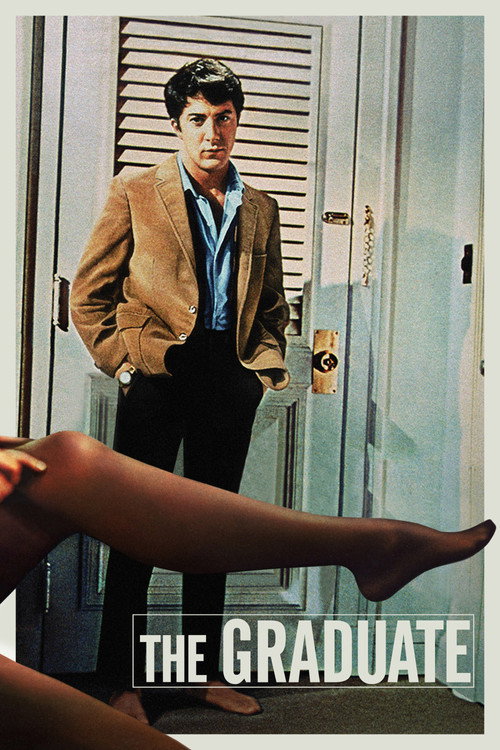
Same year as Riot, same exact conflict, but told with Nichols' brilliance and Dustin Hoffman's bewilderment. Simon & Garfunkel score, legendary seduction scene, generational anxiety as thriller.
But It's been quoted and parodied so much it can feel familiar even if you haven't seen it. The ending is a bit of a cop-out if you're looking for actual answers.
Medium Cool1969
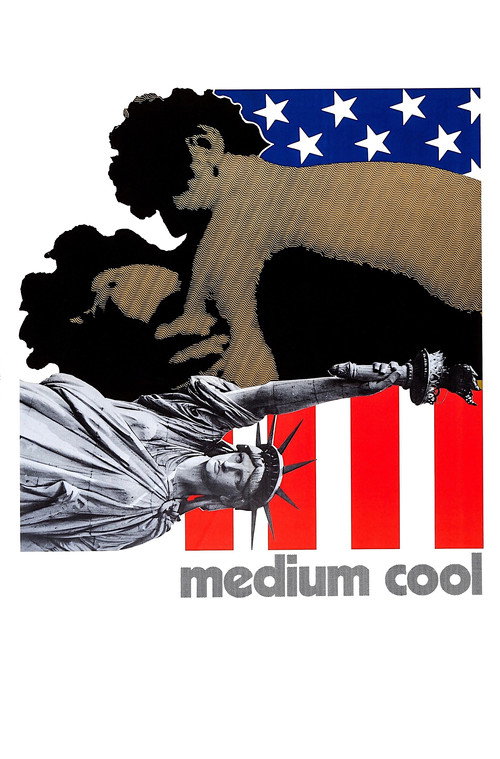
Haskell Wexler's Chicago-set film about a cameraman caught between documenting the 1968 Democratic Convention and actually caring about what he's filming. Meta before that meant anything, and genuinely gripping.
But Messy structure and experimental in a way that feels intentional but can also feel like it's not quite working. Requires patience.
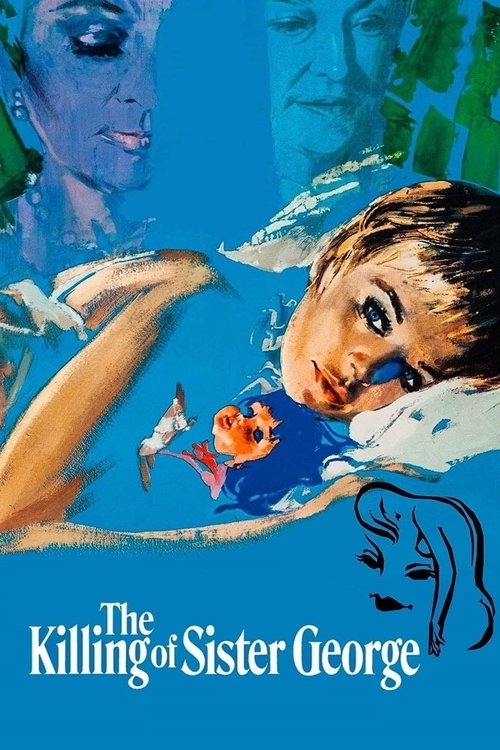
The Killing of Sister George1968
A lesbian couple, one a TV actress, one a younger drifter—their life in London as the culture shifts around them. It's tender and weird and frank about desire in a way almost nothing was in 1968.
But Slow-burn and very character-focused. If you want plot momentum, you won't find it. Also very sad.
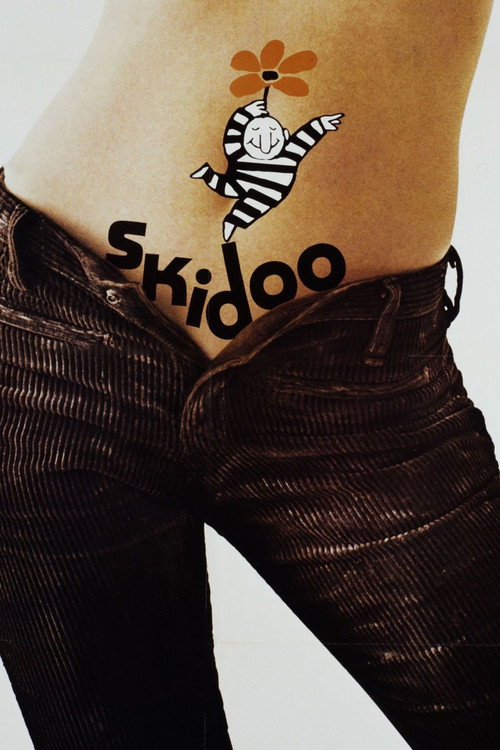
Skidoo1968
Otto Preminger's psychedelic crime comedy with Jackie Gleason: absolute madness, technically a failure, but genuinely unlike anything else made that year. Fascinating as cultural artifact.
But It's not good in any conventional sense. Visually overwhelming, tonally chaotic, frequently baffling. Cult item, not crowd-pleaser.
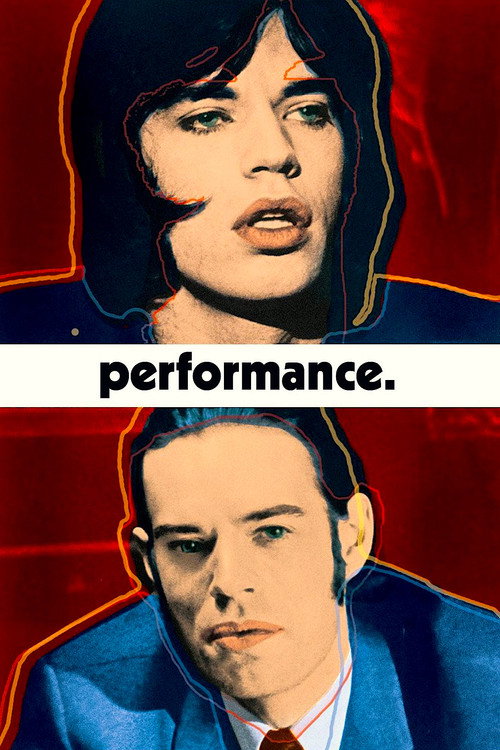
Performance.1970
Where Riot is earnest about the generational gap, Performance dissolves all boundaries—age, gender, sanity, morality—into a kind of anarchic space. Same era, opposite response to chaos.
Donald Cammell and Nic Roeg's hallucinogenic crime-meets-rock psychodrama with Mick Jagger as a reclusive star hiding a runaway gangster. Visual language that predicts everything that came after. Genuinely disorienting in the best way.
But Oblique plot, deliberately confusing identity, explicit sexuality, and a visual style that's aggressively 1970. Some find it pretentious; it doesn't care.
La Haine1995
Both films center a police captain/authority figure genuinely trying to understand young men they don't, and both conclude that good intentions matter less than structural power. Fifty years apart, same answer.
Mathieu Kassovitz's black-and-white French film about three young men in the Paris suburbs after a riot, spending one day moving through the city. Furious, precise, visually perfect. The spiritual successor to what Riot was trying to do.
But Subtitled, deliberately restrained in plot, and the ending is not cathartic. It's about systems failing, not individuals triumphing.

People
Cast
 Aldo RayLieutenant Walt Lorimer
 Mimsy FarmerAndy
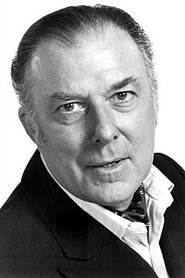 Michael EvansSergeant Tweedy
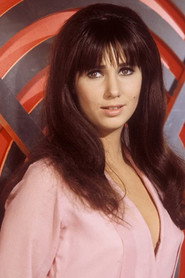 Laurie MockLiz-Ann
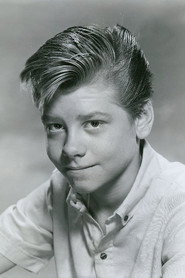 Tim RooneyGrady Toss
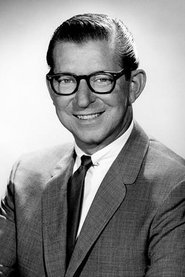 Bill BaldwinStokes - Reporter
- Anna StrasbergHelen Tweedy
- Hortense PetraMarge
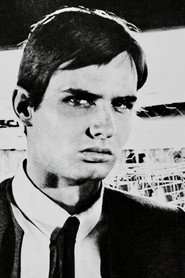 Schuyler HaydenHerby
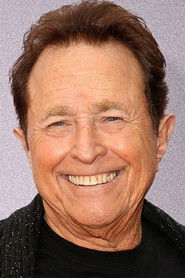 Gene KirkwoodFlip
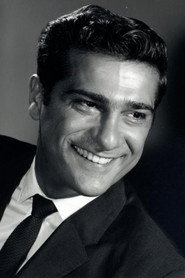 Pat RenellaPerry
- George E. CareyArnow