
Film
Performance.
A gangster on the run hides in a rock star's house and they destroy each other through sex, drugs, and metaphysical games. Baroque, disorienting, and genuinely dangerous—Nicolas Roeg's 1970 debut is a fever dream about identity, masculinity, and performance itself. Not for everyone, but unforgettable if it lands.
Should you watch it?
Watch it if you like films that trust mood, mirrors and fractured editing over tidy explanation, and you don't mind a story that dissolves into strange atmosphere while you watch.
Skip it if you need clear plot logic and steady pacing; the first stretch is slow and the violence arrives abruptly, so impatience will sour it fast.
What it asks of you: At just under two hours, it moves at a smoky crawl, lurches into brutal violence without warning, then slips into dreamlike, often disorienting stretches that reward close attention.
Not sure? Find tonight's pick in a minute.
If you liked this
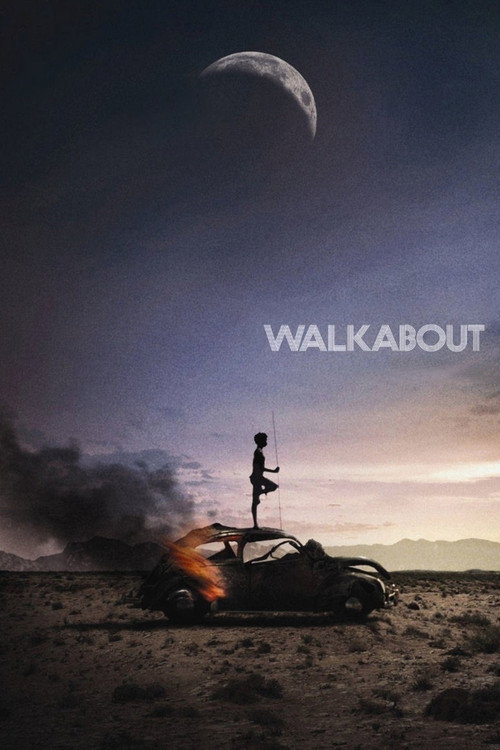
Walkabout1971
Another Roeg masterpiece from the same year: two privileged children survive in the Australian outback with a young Aboriginal man. Visually ecstatic and morally complex, with that same sense of worlds colliding and dissolving.
But Long stretches without dialogue, and the ending leaves ambiguity that some find frustrating rather than haunting.
Branded2012
Mad Men meets performance art. A jaded advertising executive breaks down and rebuilds himself through consumerism, surrealism, and meta-commentary. Same dark fascination with surfaces and corruption.
But Gets increasingly abstract and experimental as it progresses—by season three, some viewers check out.
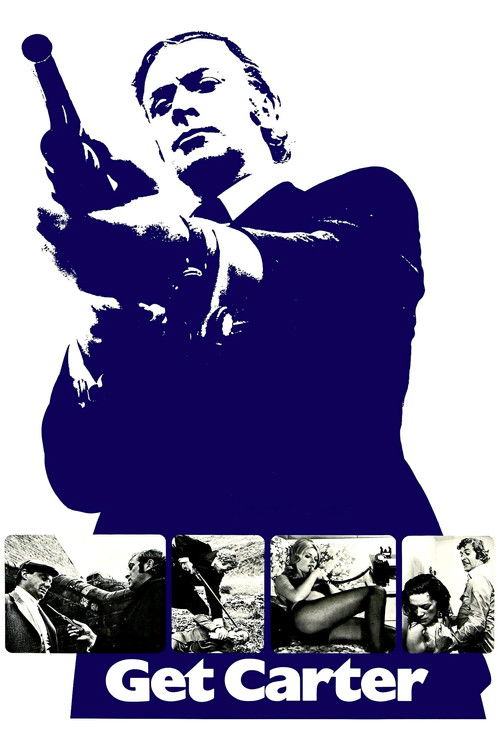
Get Carter1971
Michael Caine as a London criminal returning home for revenge. Bleaker and more grounded than Performance, but same-era British crime cinema with real menace and a protagonist you can't quite like.
But Unrelentingly grim with no romantic gloss. The pacing drags in places by modern standards.
Not sure tonight? Get a pick in a minute, starting from Performance.
The wildcard
Something you would not have found on your own.
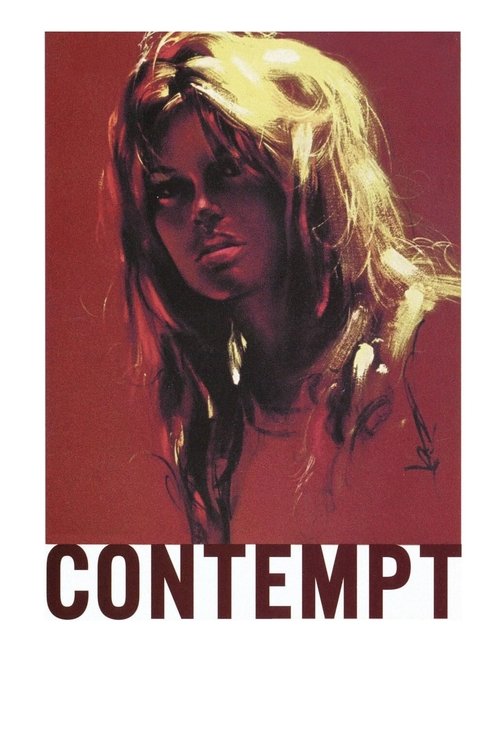
Contempt1963
Both films treat relationships as performances where the performer and the audience are never quite the same person. Both ask whether identity can survive intimacy.
Godard's film about a marriage collapsing while making a film. Like Performance, it's about performance, identity, and the impossibility of being truly known by another person. A philosophical thriller about surfaces and depths.
But Godard's essay-like pacing and his refusal to dramatize emotion in conventional ways makes it feel cold, even when the content is intimate.
More like this (8)
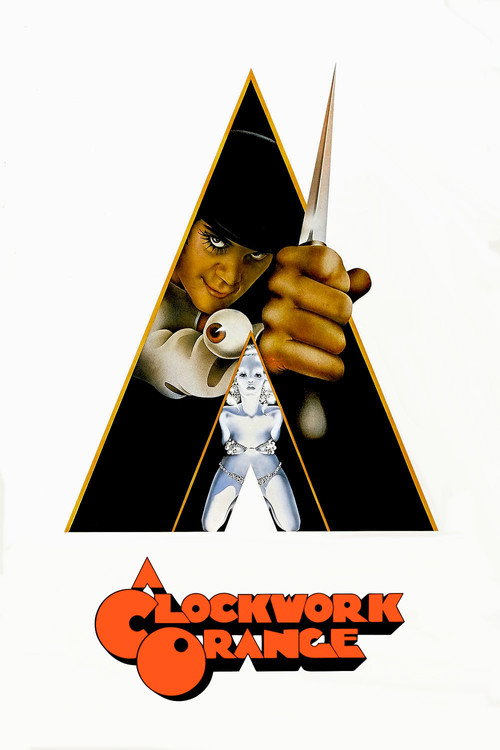
A Clockwork Orange1971
Kubrick's controversial adaptation of ultraviolent youth culture, sexual perversity, and the state's attempt to remake identity. Another 1971 dive into performance, masculinity, and the corruption of the self.
But The violence is graphic and sexual in ways designed to provoke. It can feel more interested in shock than in what it's shocking about.
Under the Skin2014
Scarlett Johansson as an alien predator seducing men in Scotland. Hypnotic, hallucinatory, obsessed with surfaces, luring, and consumption. Jonathan Glazer's film is Performance's spiritual descendant.
But Deliberately paced, minimal dialogue, and the narrative is abstract. Demands patience and won't reward plot-hunters.

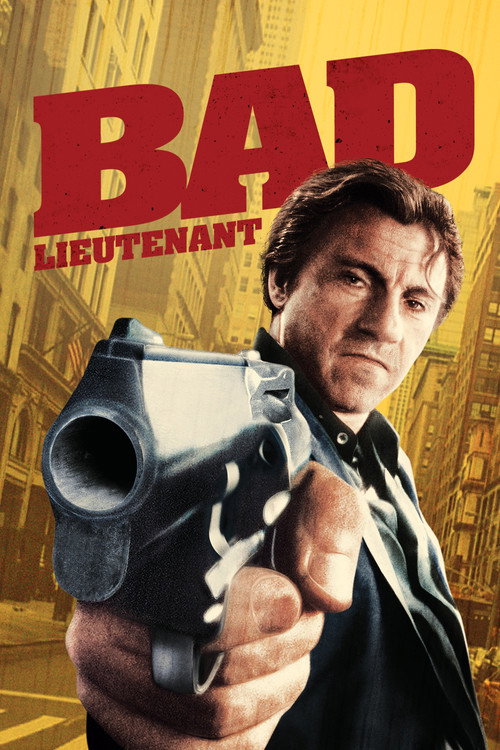
Bad Lieutenant1992
Abel Ferrara's film of a corrupt cop's complete dissolution—sex, drugs, self-destruction, and the search for grace. Same claustrophobic intensity and willingness to show moral free fall.
But Nicolas Cage is deliberately unhinged and the film's spiritual wrestling is exhausting rather than cathartic for many viewers.
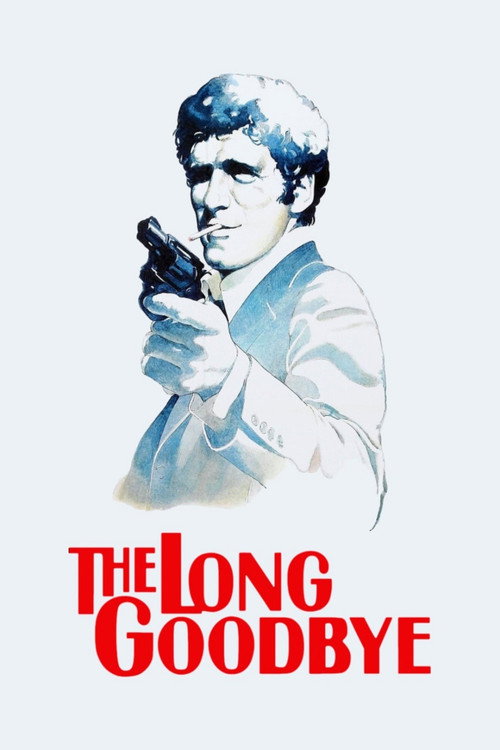
The Long Goodbye1973
Altman's Marlowe is a ghost in modern L.A., detached and obsolete. Like Performance, it's about a protagonist who doesn't quite belong to the world he inhabits, watching it through a remove.
But Scattered, digressive, and violently uninterested in plot closure. Feels like watching someone's memory rather than a story.
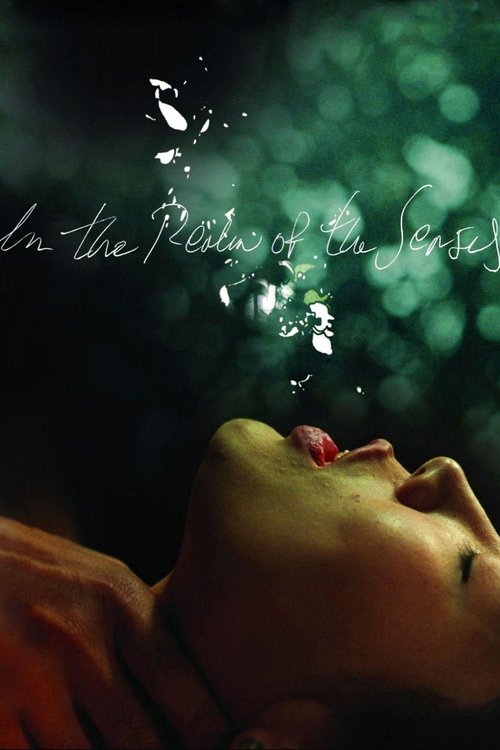
In the Realm of the Senses1976
Oshima's explicit film about obsessive love, power, and performance between a servant and her employer in 1930s Japan. Dangerous, erotic, and unafraid of its own transgression.
But Explicit sexual content throughout. The relationship depicted is abusive and the film doesn't soft-pedal that. Some find it exploitative despite its artistic ambition.
Possession1981
Zulawski's marital breakdown into surrealism, violence, and theater. A woman becomes increasingly fractured and performative as her marriage disintegrates. Raw, experimental, genuinely unhinged.
But Willfully alienating and the non-linear structure can feel like punishment. Andrzej Żuławski's intensity isn't for viewers who want comfort from cinema.

Synecdoche, New York2008
Both films use performance, doubling, and enclosed spaces to explore whether the self can survive its own repetition and reconstruction.
Charlie Kaufman's baroque film about a theater director building a life-size replica of New York inside a warehouse while his life collapses. Like Performance, it's hallucinatory, about identity fractured through art, and structurally dizzying.
But Genuinely difficult to follow, deliberately obscure, and the emotional payoff is despair. Kaufman doesn't offer resolution or clarity.

Pigs and Battleships1961
Both films treat criminal masculinity as a performance that corrodes the performer. Both are fascinated by the texture of small-time crime rather than its mythology.
Shohei Imamasu's darkly comic Japanese film about small-time hoods and low-level corruption in a port town. Energetic, vicious, and about men performing toughness while sinking. Performance-obsessed crime cinema from an entirely different tradition.
But Black-and-white, subtitled, and the humor is bleak and anarchic. The moral universe is entirely corrupt with no sympathetic exit.

People
Cast
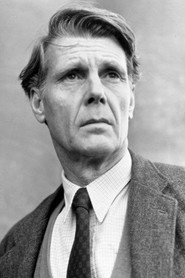 James FoxChas
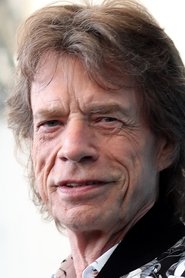 Mick JaggerTurner
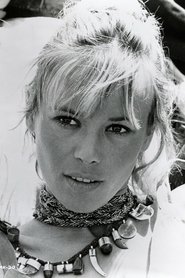 Anita PallenbergPherber
 Michèle BretonLucy
 Ann SidneyDana
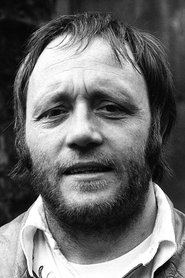 John BindonMoody
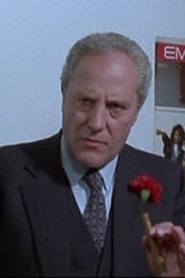 Stanley MeadowsRosebloom
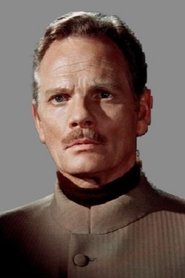 Allan CuthbertsonThe Lawyer
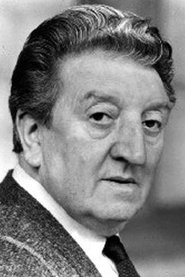 Anthony MortonDennis
 Johnny ShannonHarry Flowers
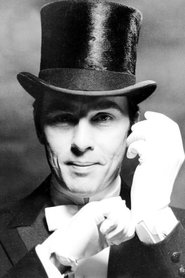 Anthony ValentineJoey Maddocks
 Kenneth ColleyTony Farrell
Directing
- Peter JaquesAssistant Director
- Richard BurgessAssistant Director
- Annabel Davis-GoffContinuity
- Donald CammellDirector
- Nicolas RoegDirector
Writing
- Anita PallenbergScreenplay
- Donald CammellScreenplay
Production
- Gordon StebbingAssistant Accountant
- David CammellAssociate Producer
- Miriam BrickmanCasting
- Patsy PollockCasting
- Sanford LiebersonProducer
- Robert LynnProduction Manager
- Chris O'DellProduction Runner
- Kevin KavanaghUnit Manager
Recommended by
Blow-Up, Brighton Rock, The Long Good Friday, Villain, Sid and Nancy, Frenzy, The Libertine, The Bed Sitting Room, Head, Across the Universe, The Rose, Liquid Sky, Zabriskie Point, The Boat That Rocked, Il Sorpasso, The Cell, The Sorcerers, Jubilee, Salò, or the 120 Days of Sodom, Greaser's Palace, Laughter in the Dark, In a Glass Cage, The Magus, Vertical Roll, Looking for Langston, Privilege, Morgan: A Suitable Case for Treatment, Pink Narcissus, Jimi Hendrix, Candy, The Final Programme, Beyond the Valley of the Dolls, Mondo Topless, Fireworks, Sammy and Rosie Get Laid, A Bigger Splash, Eat the Rich, Smashing Time, Minder, Absolute Beginners, Daisies, David Bowie: Five Years, Penda's Fen, Flaming Creatures, The Witch Who Came from the Sea, The Magic Christian, Synth Britannia, Skidoo, Permissive, Purple Rain, Greetings, Confessions of a Pop Performer, Bone, What a Crazy World, Go, Johnny, Go!, Barry McKenzie Holds His Own, Scorpio Rising, The Inauguration of the Pleasure Dome, Riot on Sunset Strip, Sin on the Beach, Radio On, Never Let Go, The Sailor Who Fell from Grace with the Sea, Revolution, Haunts of the Very Rich, WR: Mysteries of the Organism, Wild in the Streets