
Film
Greetings
A 1968 comedy about three New York friends navigating draft dodging, JFK conspiracy theories, and the absurdist chaos of the Vietnam era. Loose, irreverent, and deeply of its moment—a riff on counterculture anxieties that feels like watching friends improvise through a fever dream. For anyone curious about how comedians processed the sixties.
Should you watch it?
Watch it if you enjoy loose, talky comedy where the jokes come from restless young men free-associating about sex, politics and paranoia, and you like a film that feels scrappy and improvised rather than polished.
Skip it if you want a tight plot or steady momentum, since this is mostly rambling conversation and sketchy vignettes, and its 1960s counterculture humour may feel dated or scattershot to you.
What it asks of you: It runs a brisk 87 minutes but moves sideways more than forward, asking you to go with its digressions and accept that the mood shifts from silly to uneasy without much warning.
Not sure? Find tonight's pick in a minute.
If you liked this
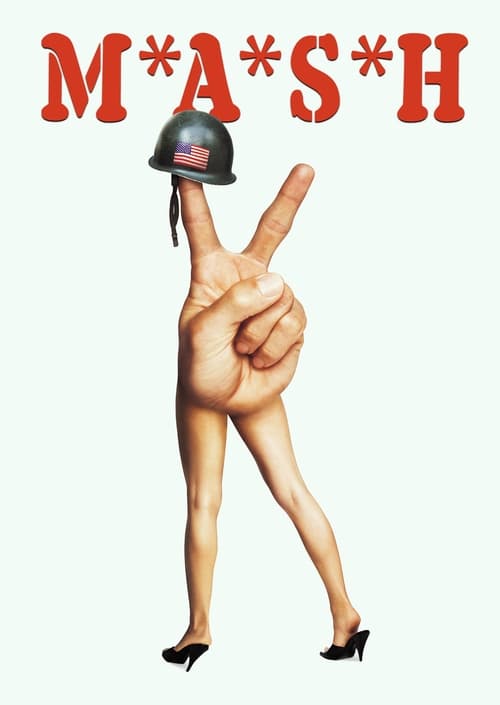
M*A*S*H1970
Altman's masterpiece uses war-zone chaos to explore how people survive through humor and absurdity. Sharp, tragic-funny, and structurally brilliant—it catches the same anti-establishment energy as Greetings but with darker stakes.
But It's a war film first, which means real suffering beneath the laughs. Some find Altman's overlapping dialogue exhausting rather than authentic.
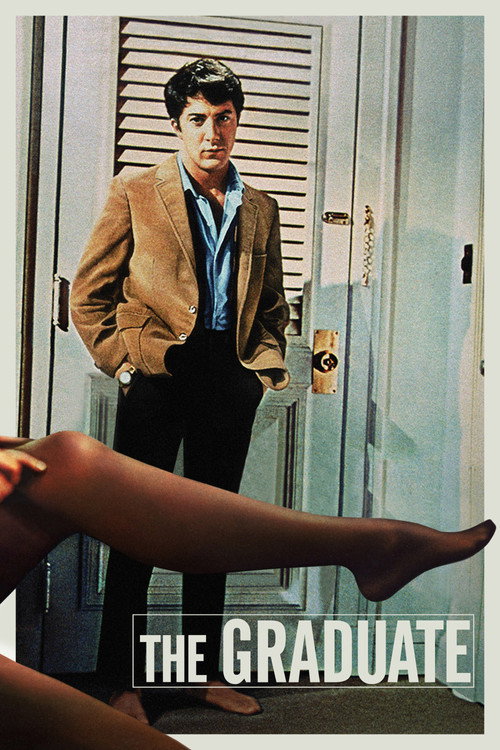
The Graduate1967
Dustin Hoffman's anxiety and drift define a generation. Like Greetings, it's about young men untethered from expected futures, but filtered through romantic confusion and class panic. A masterclass in capturing cultural vertigo.
But The famous seduction scene and some gender politics haven't aged well. It can feel dated in ways that undercut its satire.
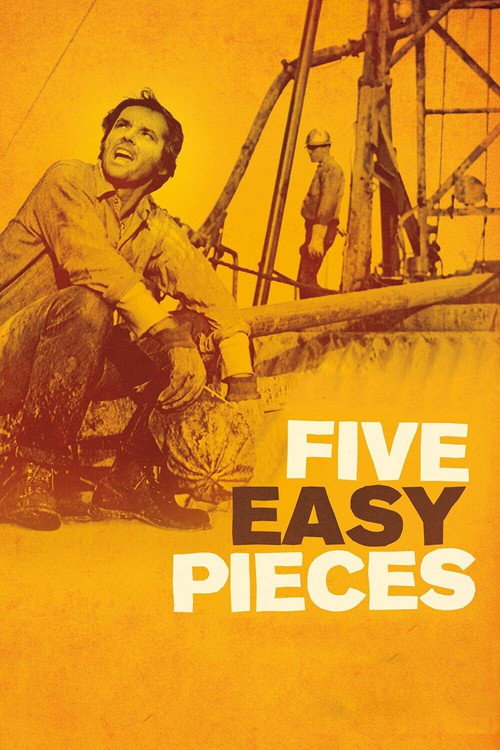
Five Easy Pieces1970
Jack Nicholson as a drifter refusing to fit into anyone's box. Episodic and loose like Greetings, with the same DNA of men avoiding responsibility and stumbling toward meaning through sheer refusal.
But It's deliberately aimless; there's no plot to grab onto. If you want direction and resolution, this will frustrate you.
Not sure tonight? Get a pick in a minute, starting from Greetings
The wildcard
Something you would not have found on your own.
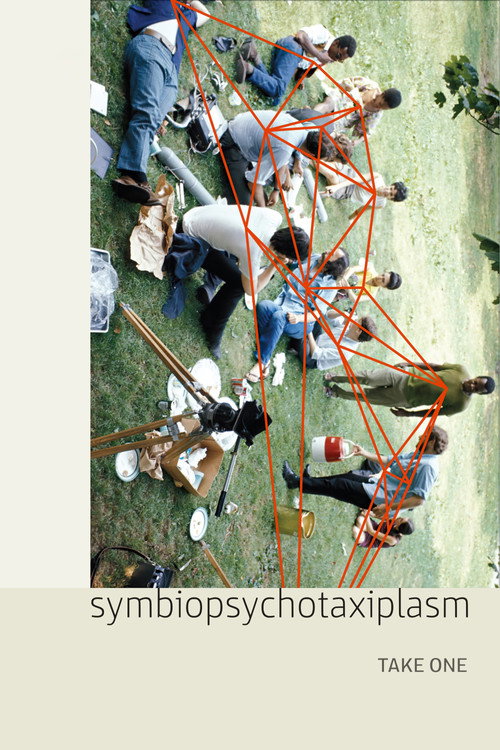
Symbiopsychotaxiplasm: Take One1968
Both use fragmented, improvisational structure to process institutional chaos and social anxiety in late-sixties New York. Both are formally experimental comedies that treat the act of representation itself as absurd.
William Greaves' lost experimental masterpiece shot the same year as Greetings. It's a film about making a film about making a film—multiple layers of chaos, comedy, and racial politics colliding on a New York street. Structurally anarchic but purposeful, it's Greetings' cousin from another dimension.
But This is genuinely difficult. The structure is deliberately disorienting, the image quality is rough, and it demands active interpretation. It's less a film to watch than an experience to decode.
More like this (8)
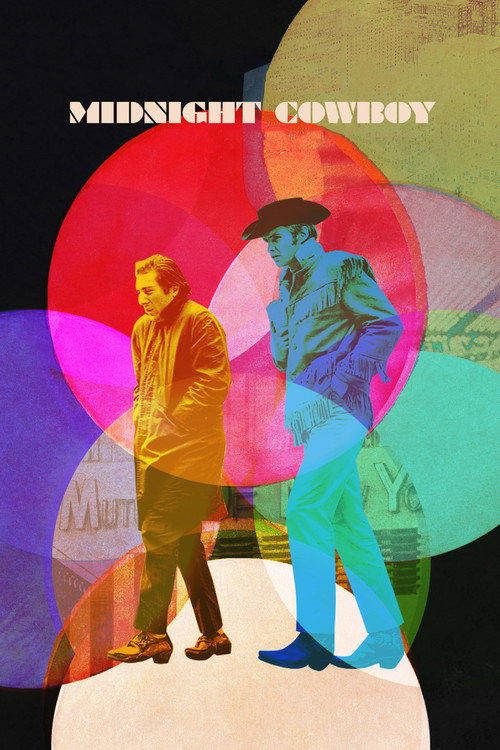
Midnight Cowboy1969
A companion portrait of New York's underbelly during the same era. Brutal, funny, genuinely tragic—it shows what happens when the counterculture fantasy collides with actual survival. Jon Voight is unforgettable.
But It's relentlessly dark and contains exploitation that some find exploitative rather than satirical. Much less playful than Greetings.
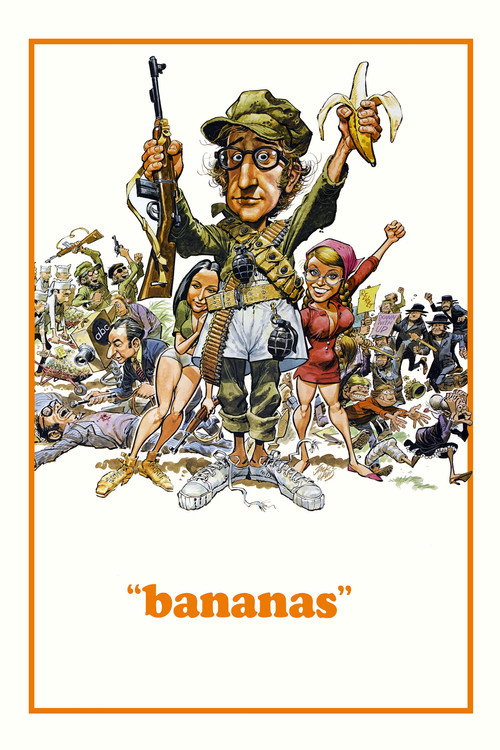
Bananas1971
Woody Allen's absurdist comedy about a neurotic avoiding life, set against political upheaval. The same scatter-shot humor and structural chaos, with Allen's particular brand of intellectual anxiety wrapped around slapstick.
But Allen's comedy relies on a specific sensibility that doesn't land for everyone. The film lurches tonally in ways that feel random rather than pointed.
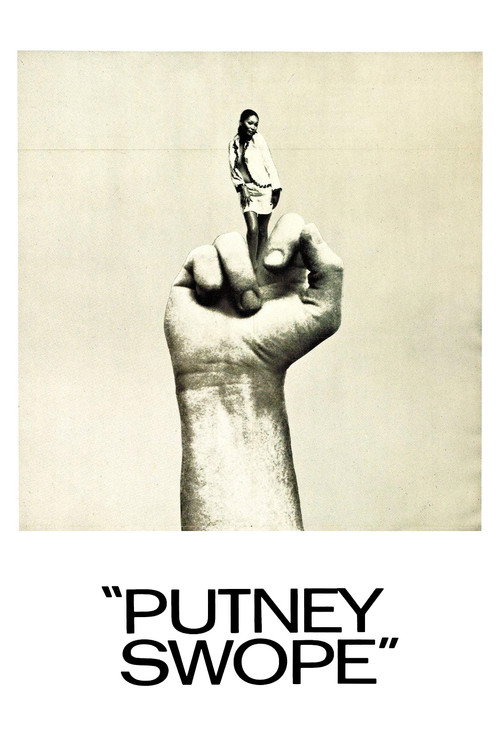
Putney Swope1969
Robert Downey Sr.'s guerrilla satire of advertising culture and race in America. Shot in black-and-white on a shoestring, it has Greetings' DIY energy and chaotic logic—a fever dream about institutions and power.
But Genuinely hard to follow; the editing is intentionally disorienting. Some scenes are deliberately crude in ways that feel dated or uncomfortable.
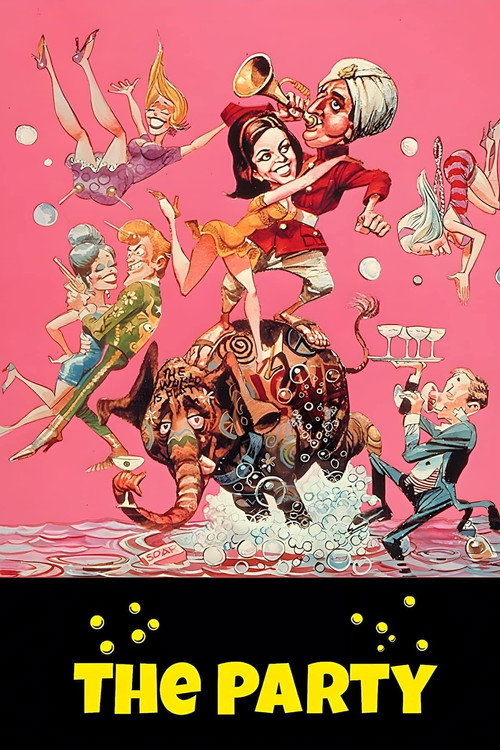
The Party1968
Blake Edwards' silent-comedy masterpiece about a bumbling Indian actor destroying a Hollywood party. Pure physical comedy with the same anarchic energy as Greetings, but wordless and hypnotically visual.
But If you need dialogue and plot, this will feel like watching someone else's home video. It's a one-joke premise stretched to feature length.
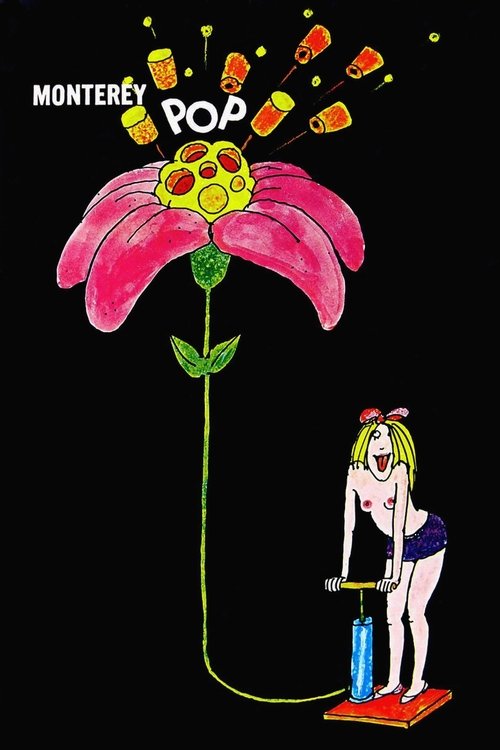
Monterey Pop1968
D.A. Pennebaker's documentary of the 1967 festival captures the exact cultural moment Greetings is riffing on. Jimi Hendrix, Janis Joplin, The Who—it's the era's self-image in real time, funny and transcendent.
But It's a concert film without narrative. Long stretches ask a lot of patience if you're not already invested in the artists or the era.
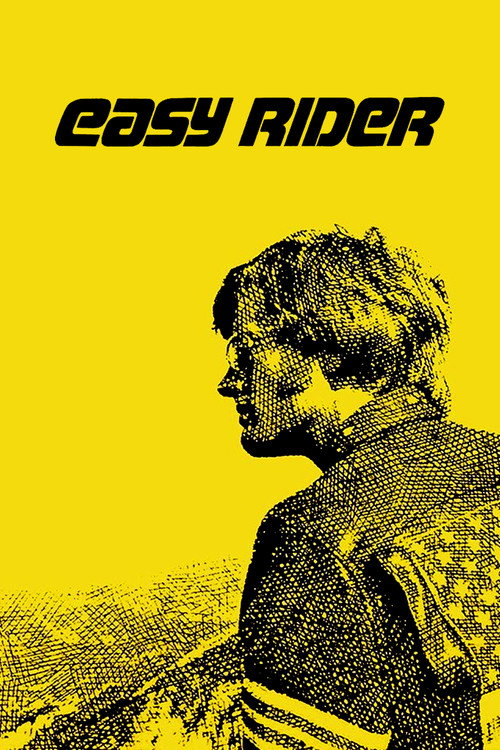
Easy Rider1969
Hopper and Fonda's road movie about freedom and counterculture disillusionment. Like Greetings, it's structured as episodes and observation rather than plot, with an underlying sadness about what the sixties promised versus what it delivered.
But It moves slowly and philosophically. Some sequences drag, and the film's politics can feel quaint or preachy now.
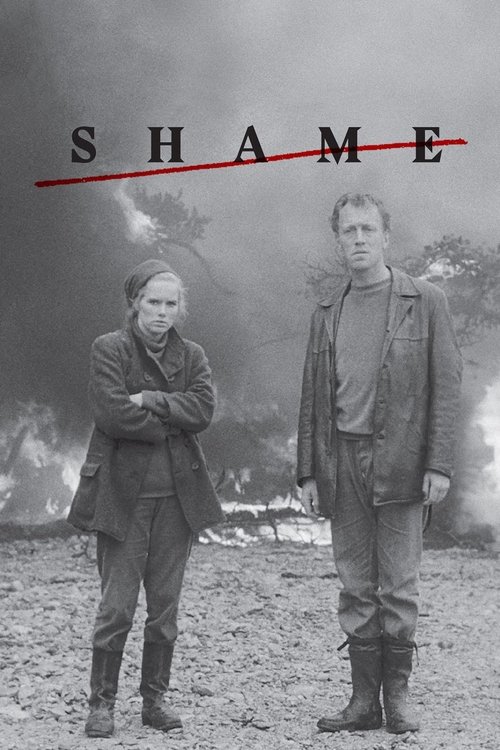
Shame1968
Both are 1968 films about people trying to maintain sanity and identity while external systems crumble. Greetings laughs at the absurdity; Shame drowns in it. Mirror images of the same crisis.
Ingmar Bergman's bleak allegory about a couple during an unnamed war. The opposite register from Greetings—serious, anguished, European—but both films use a specific moment of social collapse to examine how people survive. Bergman finds horror where De Niro found laughs.
But It's slow, grey, and profoundly depressing. There are no jokes. If you want lightness or even hope, this will feel punishing.
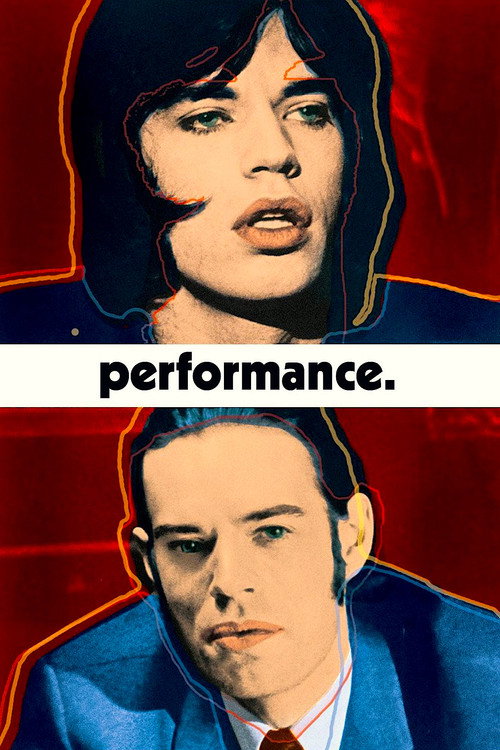
Performance.1970
Both interrogate what's real and what's performed in late-sixties culture. Both use humor and chaos as a mask for deeper unease about identity and authenticity.
Roeg and Cammell's surreal collision between a fugitive gangster and a reclusive rock star. Hallucinogenic, formally radical, and fundamentally about performance and identity. It has Greetings' irreverence and shapelessness but pushes into genuinely unsettling territory—comedy becomes vertigo.
But It's pretentious, sometimes incoherent, and the sexual politics are murky. Some will find it a mess; others will find it a masterpiece. There's little middle ground.
People
Cast
- Jonathan WardenPaul Shaw
 Robert De NiroJon Rubin
 Gerrit GrahamLloyd Clay
- Richard HamiltonPop Artist
- Megan McCormickMarina
- Bettina KugelTina
- Jack CowleyFashion Photographer
- Jane Lee SalmonsModel
- Ashley OliverBronx Secretary
- Melvin Morgulis"Rat" Vendor
- Cynthia PeltzDivorcee
 Peter MaloneyEarl Roberts
Directing
- Brian De PalmaDirector
- Lee HarrisonScript Supervisor
Production
- Charles HirschProducer
- George ManasseProduction Manager
Recommended by
Janis: Little Girl Blue, Fishing with John, I Wanna Hold Your Hand, Permissive