
Film
Symbiopsychotaxiplasm: Take One
- Drama
- Strange
- Slow-burning
A 1968 structural experiment that watches a film director watching actors act while cameras watch everything. William Greaves films screen tests in Central Park, then films the filming, then films the filmmaking—each layer examining what's real, what's performed, and whether authentic human interaction survives the machinery of cinema. Playful, genuinely strange, and more prescient about media and performance than films made decades later.
Should you watch it?
Watch it if you get a jolt from films that pull back the curtain on their own making and find the crew's arguments as gripping as the scene being shot.
Skip it if you need a story with a clear arc and characters you can settle into, because the performances are deliberately unfinished and the talk can feel like waiting around on set.
What it asks of you: Expect a loose, talky stretch of seventy-five minutes where fragments of scenes, crew chatter and stray park encounters pile up without tidy payoff, so patience matters more than momentum.
Not sure? Find tonight's pick in a minute.
If you liked this
Contempt1963
Godard's film about filmmaking—a director trying to salvage his movie while his star's marriage crumbles—has the same structural obsession with watching work happen. Both are more interested in how cinema works than in plot.
But It's deliberately cool and distancing, sometimes to the point of feeling detached. Long stretches ask you to sit with discomfort rather than release it.

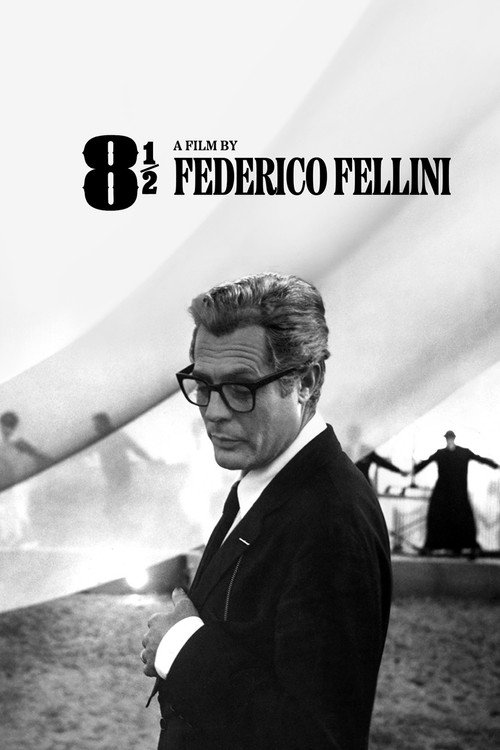
8½1963
Fellini's masterpiece about a director who can't start his film. It's overflowing with life and dream-logic where Greaves is austere, but both are fascinated by the gap between intention and execution, by performers and their personas.
But It's long, baroque, and willing to be shapeless. If you want clarity, this will feel like being trapped in someone's anxious head.
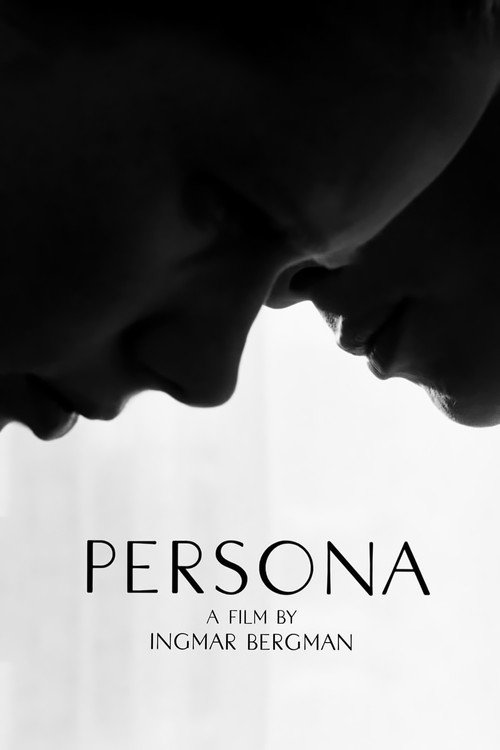
Persona1966
Bergman strips performance down to its essence: two women, one speaking and one silent, and the question of what's genuine beneath behavior. Like Greaves, it's asking whether we can ever see anyone truly.
But It's austere and hypnotic rather than entertaining. The inquiry into identity and authenticity moves slowly and won't hand you answers.
Not sure tonight? Get a pick in a minute, starting from Symbiopsychotaxiplasm: Take One
The wildcard
Something you would not have found on your own.
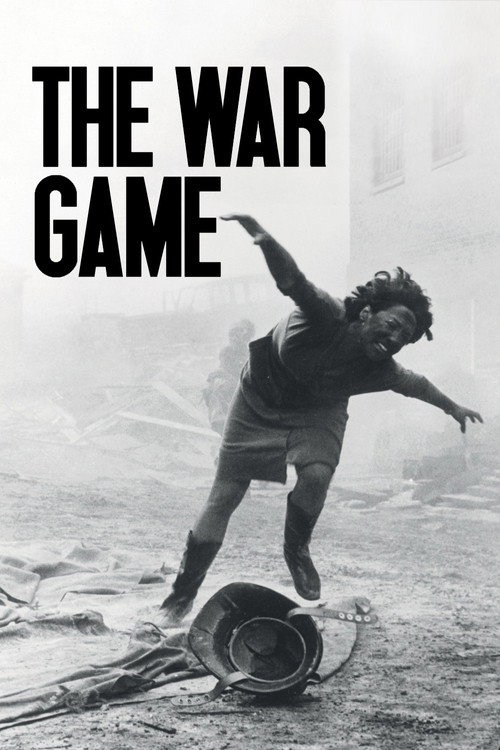
The War Game1966
Both use the documentary apparatus—the camera, the crew, the pretence of capturing reality—to reveal that documentary *is* performance. Both made you aware of the watching.
Peter Watkins's mockumentary about nuclear war uses fake news, fake interviews, fake actuality to ask what documentary even means. Made the same year Greaves started filming: both realized cinema can't show truth without performing it.
But It's deeply disturbing and remains politically urgent. The British banned it from television for years. It's not entertainment; it's an accusation.
More like this (8)
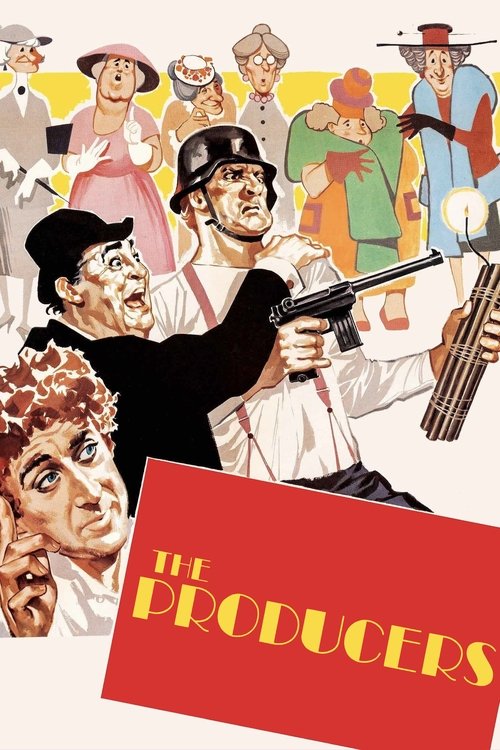
The Producers1968
Mel Brooks's chaos about theatre people faking it—casting nonsense, desperate improvisation, layers of con—captures the performative absurdity that Greaves explores, but as comedy instead of experiment.
But It's a broad farce. If you want intellectual rigor, the constant jokes and mugging will feel like the opposite of what Greaves is after.
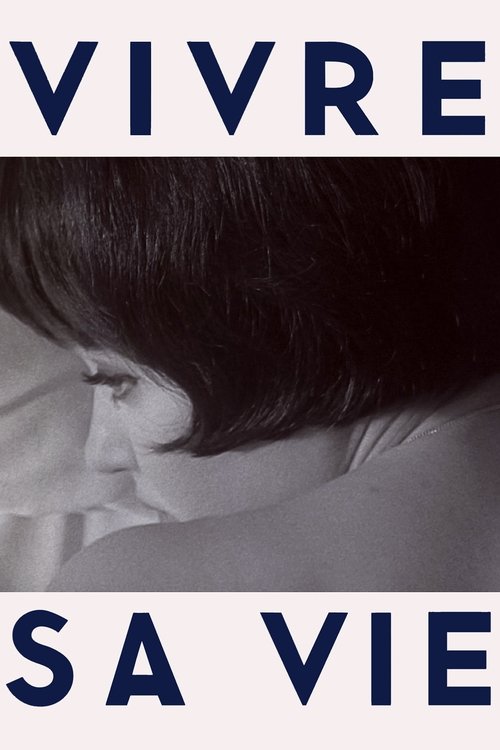
Vivre Sa Vie1962
A documentary essay about the filmmaker obsessed with cinema's nature. Greaves and Godard were thinking the same thoughts in the same era—this is a chance to see the lineage and intellectual context.
But It's a documentary about a filmmaker discussing film theory, so it's idea-dense and requires patience. Not a story; more like sitting with someone thinking aloud.
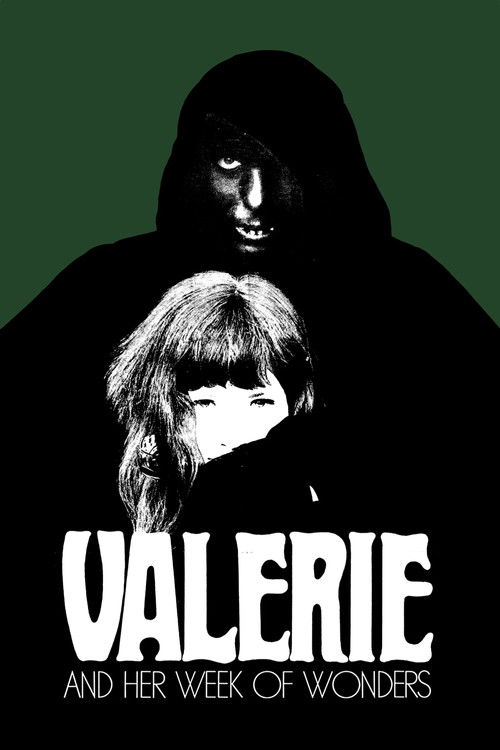
Valerie and Her Week of Wonders1970
A Czech surrealist film that also questions what's real and performed, using dream and cinema to collapse categories of waking and pretense. Visually rich where Greaves is conceptual, but after the same slipperiness.
But It's genuinely strange and disorienting. The symbolism won't resolve into meaning; it stays mysterious and sometimes impenetrable.
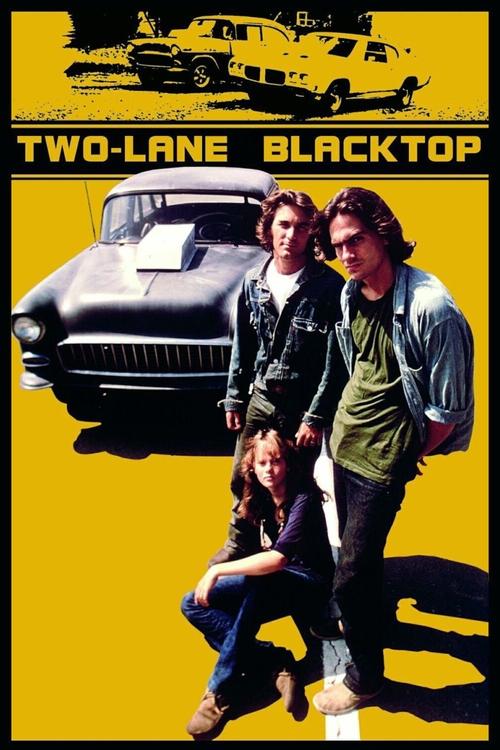
Two-Lane Blacktop1971
Monte Hellman's film about men racing across America, with nonprofessional actors in a barely scripted narrative. Like Greaves, it's interrogating the boundary between acting and being, documentary and drama.
But Very little happens in the way you might expect. The point is the texture of how people interact when cameras are present, and that can feel slow.
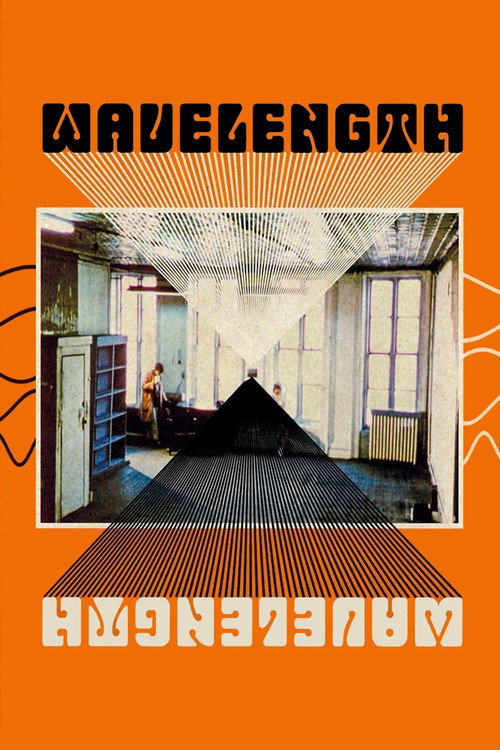
Wavelength1967
Michael Snow's structural film: a 45-minute zoom across a room. If Greaves interests you, Snow takes cinema self-reflexivity further—pure form as the subject, no content to hide behind.
But It's a single shot. A room. A zoom. If you need narrative or recognisable story, this is the wrong film. It demands active, meditative viewing.
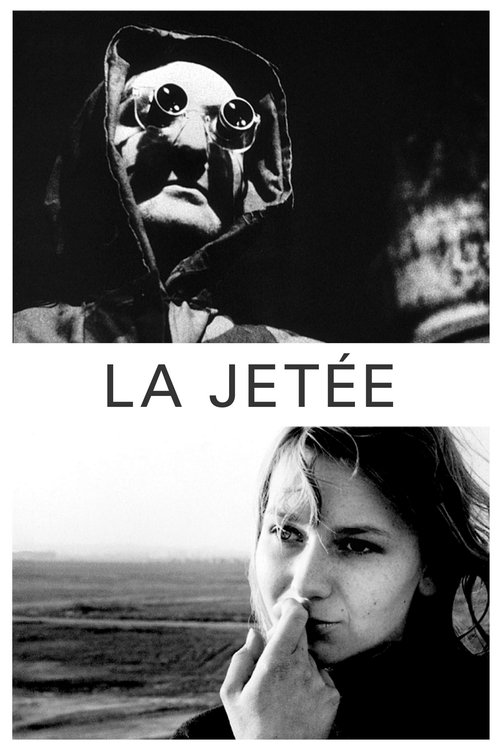
La Jetée1962
Chris Marker's science-fiction essay film about memory and cinema—made almost entirely of still photographs, narrated, asking whether cinema is about time or about freezing it. Different form, same obsession with what film *is*.
But At 28 minutes of mostly static images and voice-over, it can feel like a very sophisticated slideshow. If you want moving actors and dialogue, it will frustrate you.
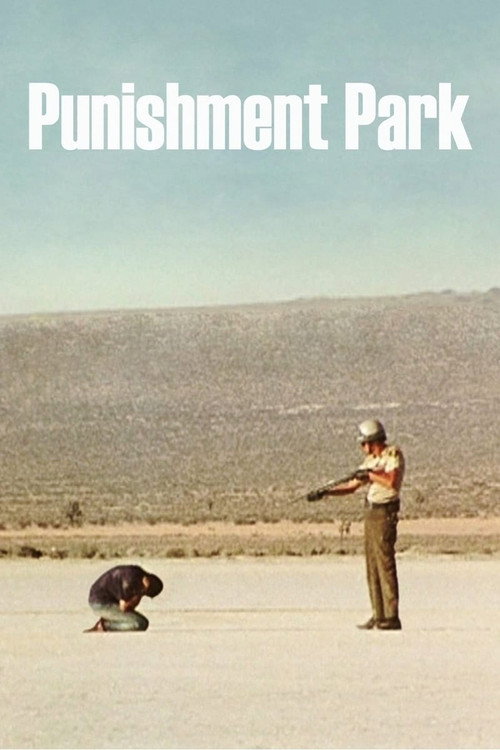
Punishment Park1971
Like Greaves, Watkins makes you conscious of the camera crew itself as part of the action. Both ask: what does it mean that we're watching this being filmed?
Peter Watkins again—a found-footage-style film about American dissidents hunted through the desert. It looks like a documentary being made in real time, and it's ferociously alive. The structure forces you to question what you're seeing and whether it's real.
But It's violent, politically extreme, and deliberately uncomfortable to watch. The 'realism' makes the brutality immediate rather than abstract. Some will find it exploitative.
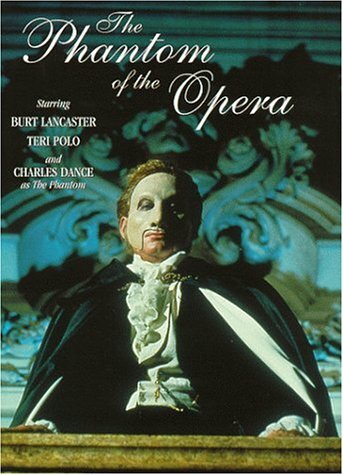
The Phantom of the Opera1990
Both are fascinated by theatre and cinema as places where people perform versions of themselves—and by the question of whether authentic feeling can survive that. Both watch the machinery while staying inside it.
The 1989 miniseries with Bill Nighy is a total wild card: a ghost story, lush and Gothic, but structured like Greaves—all the 'behind the scenes' material, the making of the opera, the artifice visible. It's a mainstream drama about performance and authentic passion within layers of fakery.
But It's resolutely theatrical and melodramatic. If you can't enjoy pure romantic gothic, the earnestness will feel silly. And it's long for a story about a chandelier falling.
People
Cast
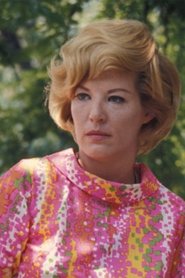 Patricia Ree Gilbert Self - Actress Testing for Alice
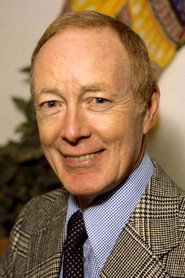 Don FellowsSelf - Actor Testing for Freddy
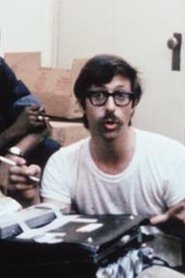 Jonathan GordonSelf - Soundman
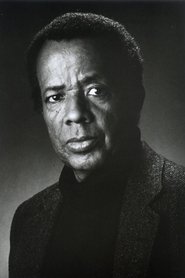 William GreavesSelf - Director
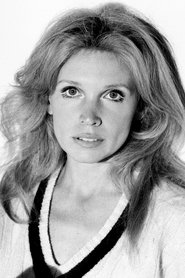 Susan AnspachSelf - Actress Testing for Alice (uncredited)
- Audrey HeninghamBlack Lady Clapping Her Hands (uncredited)
 Stevan LarnerSelf - Cameraman (uncredited)
 Terence Macartney-FilgateSelf - Cameraman (uncredited)
- Maria ZeheriSelf - Camera Assistant (uncredited)
- Robert L. RosenSelf - Production Manager (as Bob Rosen)
 Louise Archambault GreavesSelf - Actress Testing for Alice (uncredited)
Directing
- William GreavesDirector
Writing
- William GreavesWriter
Production
- William GreavesProducer
- Robert L. RosenProduction Manager
Recommended by
My Best Fiend, Factotum, Shadows, Berkeley in the Sixties, Greetings, The Strawberry Statement, The Metropolitan Opera - Wagner: Tannhäuser